Last updated November 18, 2026






Free written scope consultation - allowances, timeline, and change-order rules on paper before a single trade is scheduled
Seasonal Construction Care for Plano: Year-Round Homeowner’s Guide
The February 2021 freeze caused an estimated $2 billion in residential damage across North Texas. Post-storm inspections found that most of the worst failures – burst pipes, foundation heave, exterior cracks – had visible warning signs the previous fall that homeowners didn’t recognize. Plano sits in a climate band that punishes homes with both extremes: brutal summer heat that cooks caulk and roofing, and sudden hard freezes that split anything holding water. The maintenance calendar that works in Dallas proper doesn’t quite fit here. What follows is a month-by-month guide calibrated to Plano’s actual conditions, so you catch the small stuff before it turns into a five-figure repair.
Quick Answer
Seasonal construction care in Plano follows a two-peak cycle: inspect and seal everything in fall before the first freeze (October through November), then check exterior materials and drainage again in late spring before summer heat sets in. Fall is the highest-leverage season because Collin County’s expansive clay soil recharges with moisture before winter freeze-thaw, and that’s when you want your foundation drainage, caulk lines, and roof flashing at their best.
Styles & brands we work with
- Kitchen remodeling
- Bathroom remodeling
- Home additions & ADU
- Roofing
- Windows & doors
- Driveway & pavers
- Fence
Table of Contents
- Why Plano’s Climate Demands a Different Calendar
- The Month-by-Month Plano Maintenance Calendar
- Why Fall Is the Highest-Leverage Season for Plano Homes
- How Summer Heat Affects Stucco, Brick, Hardie, and Wood Differently
- The Pre-Freeze Checklist for Slab-on-Grade Foundations
- Which Tasks Are Genuine DIY and Which Require a Licensed Contractor
- Fence and Hardscape Care Through Plano’s Seasons
- Common Mistakes to Avoid
- When to Call a Professional
Why Plano’s Climate Demands a Different Calendar
Plano sits on the Blackland Prairie edge, where the soil is a shrink-swell clay that moves measurably between wet and dry seasons. That movement is the single biggest driver of foundation and exterior crack issues in Collin County. National maintenance calendars written for temperate climates miss this entirely.
The two extremes compound each other. Summer highs regularly push past 100°F, which bakes sealants, dries out wood fence pickets, and stresses roofing shingles. Then a hard freeze can arrive in a matter of days, splitting anything that holds water – hose bibs, irrigation lines, exterior spigots, and the porous surfaces of aging stucco. In our experience working Plano neighborhoods from Willow Bend to Legacy West to the older streets near downtown, homes here take both punches in the same year.
The practical takeaway: Plano doesn’t have one maintenance season. It has two – a fall prep window before the freeze, and a spring check before the heat. Everything else is monitoring.
The Month-by-Month Plano Maintenance Calendar
Here’s the schedule we’d hand a Plano homeowner if they asked us to write it on the back of a business card. It’s calibrated to North Texas weather patterns, not a generic national list.
- January: After any hard freeze, walk the exterior perimeter looking for new cracks in brick mortar, stucco, and the foundation slab edge. Check under sinks and around the water heater for slow leaks that freeze damage may have started.
- February: Inspect attic insulation and ventilation. A cold attic in February is fine; a warm, damp one signals a ventilation problem that will cost you in July.
- March: Check roof flashing and gutters after spring storms. Clear debris from downspouts and confirm they discharge at least 4 feet from the foundation.
- April: Inspect fence posts and pickets for rot and loose fasteners. Re-stain wood fences before the heat locks in moisture damage.
- May: Re-caulk exterior window and door frames before summer. Sealant applied in mild weather cures properly; sealant applied in August skins over before it bonds.
- June through August: Monitor, don’t install. Avoid major exterior painting or sealing in peak heat. Check the AC condensate line and irrigation system for leaks.
- September: This is the big one. Full exterior inspection – roof, flashing, caulk lines, fence, driveway cracks, foundation perimeter – before the first freeze.
- October: Disconnect and drain all hoses. Shut off and blow out irrigation lines. Seal any cracks found in September. Verify foundation drainage slopes away from the house.
- November: Final pre-freeze walkthrough. Insulate exposed pipes in the garage and attic. Confirm gutter downspouts are clear before winter rain.
- December: If a freeze is forecast, drip interior faucets and open cabinet doors under sinks. Know where your main water shutoff is before you need it.
Why Fall Is the Highest-Leverage Season for Plano Homes
Fall is the season that matters most in Plano, and it’s not close. The reason is soil moisture. Collin County’s expansive clay swells when it absorbs fall rain and shrinks through the dry summer. A foundation that goes into winter with good moisture and proper drainage is far less likely to heave or crack during a freeze-thaw cycle.
The fall checklist we recommend for Plano homes:
- Confirm every downspout discharges at least 4 feet from the slab. The most common foundation drainage failure we see in Plano is a downspout dumping water right at the corner.
- Re-grade any low spots within 10 feet of the foundation so water sheds away. A 6-inch fall over 10 feet is a good target.
- Seal cracks in the driveway, walkways, and the visible slab edge before water gets in and freezes.
- Inspect and re-caulk every exterior joint – window frames, door frames, siding transitions, and where stucco meets brick.
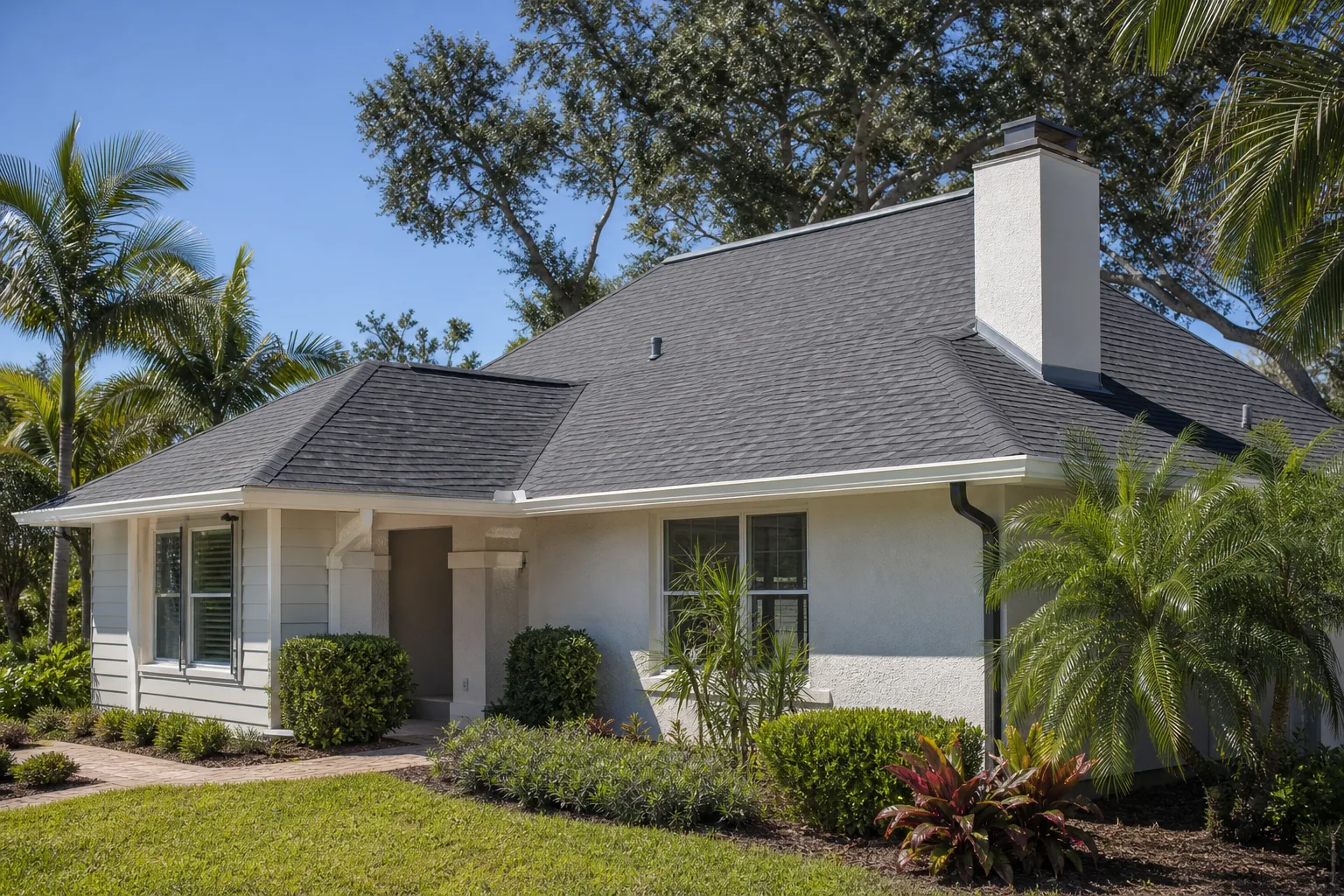
- Check the roof. Lifted shingles and failed flashing are the entry point for the water that causes interior freeze damage.
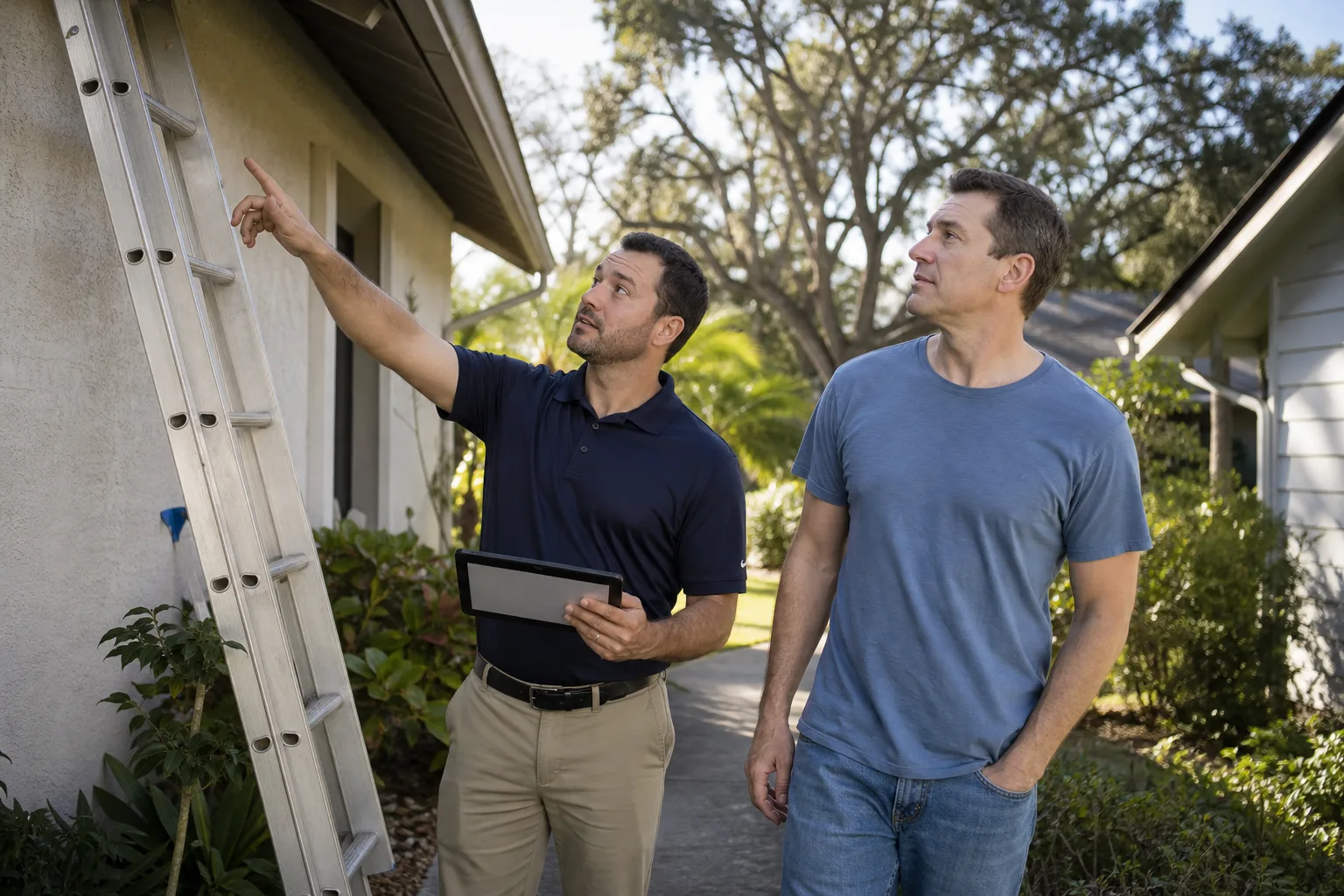
If you’d rather have a professional walk the exterior with you before the freeze, our team handles full-service construction work in Plano and can flag what needs attention. Fall is also the right time to plan bigger projects – a Plano home addition or ADU scoped in the fall often breaks ground the following spring with permits already in hand.
How Summer Heat Affects Stucco, Brick, Hardie, and Wood Differently
Not all exterior materials age the same way in Plano’s heat, and treating them the same is a common and expensive mistake. Here’s how each one behaves through a North Texas summer.
- Stucco: The most heat-sensitive of the four. Hard cement stucco expands and contracts with temperature swings and develops hairline cracks at corners and around windows. Those cracks let water in, and a freeze splits them wider. Inspect stucco every fall and seal any crack wider than a credit card.
- Brick: Durable in heat but vulnerable at the mortar joints. North Texas summer heat plus winter freeze-thaw is hard on old mortar, which is softer than the brick. Repointing mortar in fall is cheaper than rebuilding a wall.
- Hardie (fiber cement): The most heat-stable of the four, but the factory paint finish can chalk and fade faster in 100°F summers. Check caulk joints at trim and corners annually; failed caulk is the fiber cement failure point.
- Wood: The most maintenance-hungry. Wood siding, trim, and fencing dry out and check in summer heat, then absorb water in fall. Paint or stain on a proper cycle – every 3 to 5 years for stained wood in Plano conditions – and keep it sealed.
The rule of thumb: stucco and wood want fall inspection and sealing; brick wants fall mortar review; Hardie wants caulk checks in spring and fall. Different materials, different timing.
The Pre-Freeze Checklist for Slab-on-Grade Foundations
Most homes in Plano subdivisions – Legacy West, Willow Bend, Kings Ridge, the established neighborhoods near downtown – sit on slab-on-grade foundations. Slabs don’t have crawl spaces to buffer them, so the soil underneath is directly exposed to moisture swings. The pre-freeze checklist for a Plano slab foundation looks like this:
- Walk the slab perimeter. Look for new cracks at the corners and along the longest walls. Fresh diagonal cracks at interior corners are a warning sign worth a professional look.
- Check interior drywall. Diagonal cracks above door frames and window corners on interior walls are the interior mirror of foundation movement. Photograph them and measure any change over the winter.
- Verify drainage. Downspouts discharge away from the slab, the grade slopes away, and no low spots hold water near the foundation.
- Look at doors and windows. Doors that suddenly stick in fall or don’t latch are a symptom of foundation movement, not a hinge problem.
- Insulate exposed pipes. Any pipe in the attic or the garage ceiling is exposed to freezing air in a Plano winter. Insulate before the first freeze.
If a foundation concern shows up on the walk, get it evaluated before winter. A structural engineer’s report is the only reliable way to distinguish cosmetic cracking from real movement.
Which Tasks Are Genuine DIY and Which Require a Licensed Contractor
Some of this calendar is genuinely a weekend project. Some of it isn’t, and getting the line wrong can cost you a warranty or a lot more.
Safe to handle yourself
- Clearing gutters and downspouts
- Disconnecting and draining hoses before a freeze
- Caulking window and door frames
- Re-staining a wood fence
- Sealing cracks in a driveway or sidewalk
- Photographing and tracking existing cracks
Requires a licensed professional
- Roof repairs or replacement – steep-roof and height work is a real safety risk, and most roofing warranties require licensed installation to stay valid.
- Any electrical or gas work
- Structural or foundation repair
- Window and door replacement (warranty and permit issues)
- Anything that requires a permit and inspection
A roof inspection in fall is the highest-value professional task on the calendar. Roofing material failure is the top cause of interior water damage in a North Texas freeze, and a licensed inspection catches the small issues before they become a claim. The same logic applies to windows and doors – a professional install keeps the manufacturer warranty intact, while a DIY install can void it. Our fence installation team in Plano works with brands like Barrette and Master Halco, and the same premium-materials discipline applies across every trade – KraftMaid and Cambria in kitchens, GAF and CertainTeed on roofs, Andersen and Marvin on windows.
Fence and Hardscape Care Through Plano’s Seasons
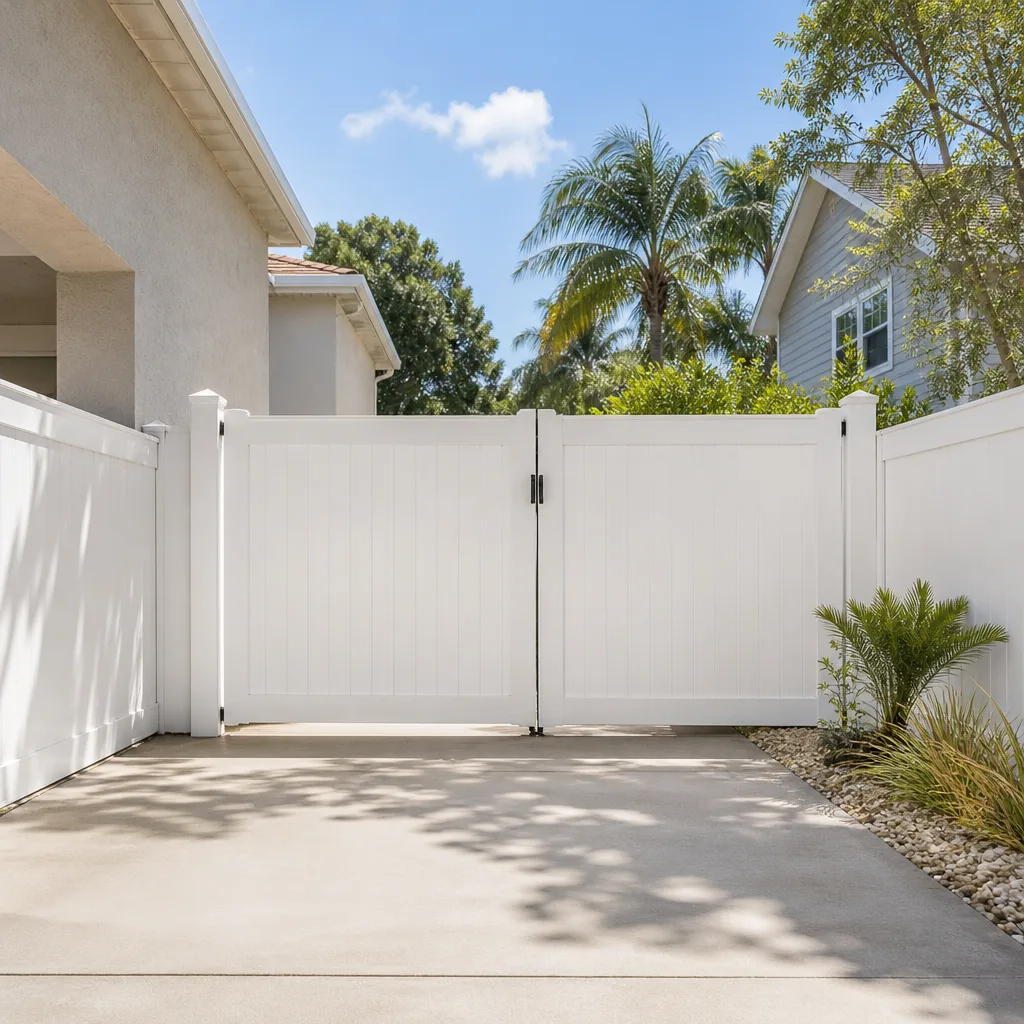
A fence in Plano takes a beating. Summer heat dries and checks the wood; fall rains swell it back. A wood fence that isn’t resealed every few years will show rot at the post bases and picket edges long before the rest of the fence fails. Aluminum and ornamental fences – Ameristar and Jerith are the ones we install most – handle the heat well but still need a fall inspection for loose fasteners and post stability.
Driveways and pavers are a different story. The freeze-thaw cycle that follows fall rains is what causes paver displacement, sand loss, and joint separation. A paver driveway should get a fall joint-sand refresh and a check for settling in the same window as your foundation walk. If your driveway or paver project in Plano is on the list for next year, planning it in fall gets the permits and materials squared before spring.
Common Mistakes to Avoid
- Waiting for spring to fix freeze damage. A cracked pipe or a lifted shingle gets worse with every rain. Inspect in January, not April.
- Caulking in summer. Sealant applied in August heat skins over before it bonds. Plano homes need caulk work done in the spring or fall windows.
- Treating stucco like brick. They fail differently. Stucco cracks need flexible sealant; brick mortar needs repointing. Using the wrong one makes it worse.
- Blowing out irrigation lines without draining the backflow. The backflow preventer is the most common freeze-failure point in Collin County and it’s often overlooked.
- Skipping the roof inspection because the roof “looks fine.” Most freeze-related roof failures start with flashing a homeowner can’t see from the ground.
- Letting a contractor skip the permit. “Permits are optional” is a red flag. A permit means an inspector who works for you, not the contractor, reviews the work.
- Booking exterior work in July. Paint, stucco, and sealant cure poorly in peak heat. Schedule it for October.
When to Call a Professional
Call a professional when the task involves height, electrical, gas, structural, or a permit. Roof work, foundation evaluation, window and door replacement, and any electrical or gas is not a homeowner project in Plano. Call sooner rather than later if you spot diagonal cracks at foundation corners, doors that stop latching, or water staining on an interior ceiling after a storm – each of those is a symptom worth a look before the next freeze.
Barrett & Sons Construction Plano offers free estimates in Plano – call (877) 382-4108. Every eligible job includes permits pulled and inspections signed, and every price change arrives as a written change order before work moves. Our technicians have up to 28 years of experience, and if something isn’t right, the 90-Day Done Right Promise gets us back on the job with one call. December’s freeze is closer than it feels; a free second opinion on any written estimate is the cheapest way to know what actually needs attention.
See the difference
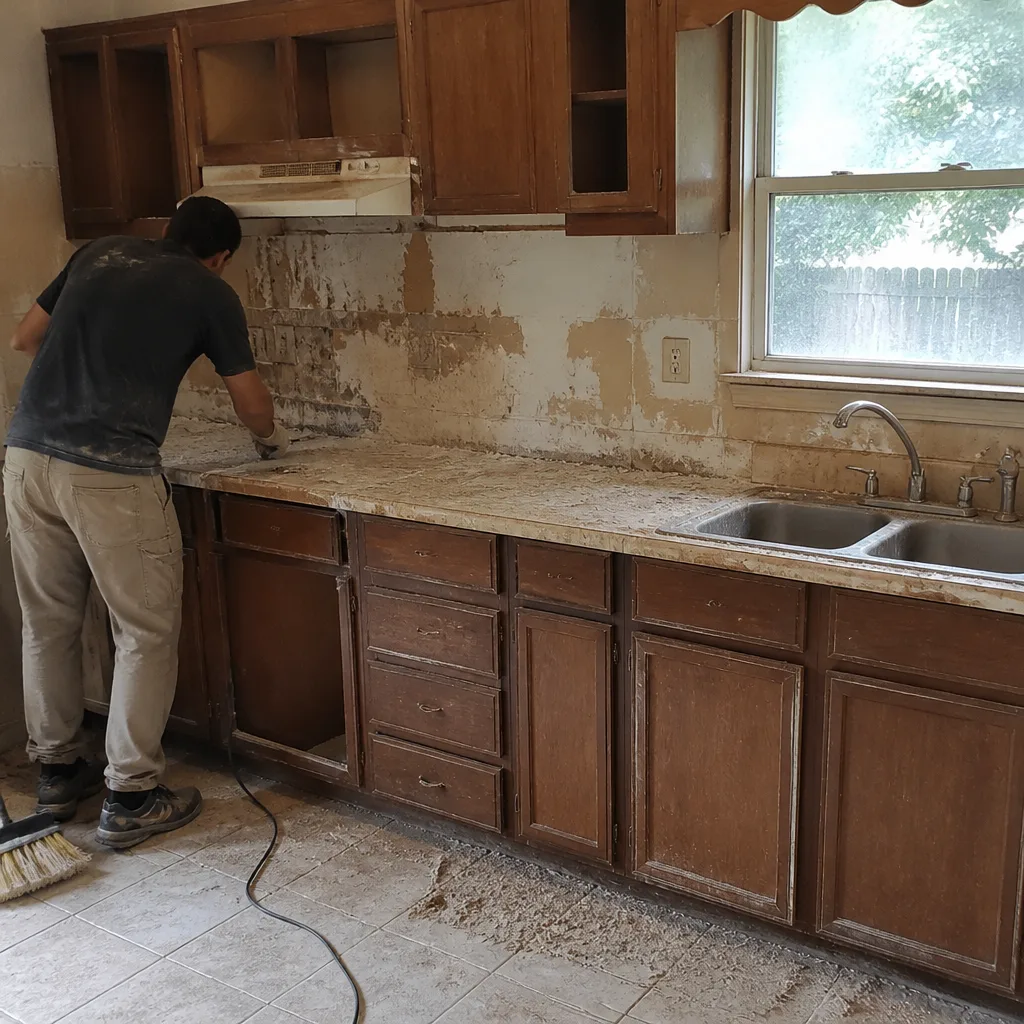 Before
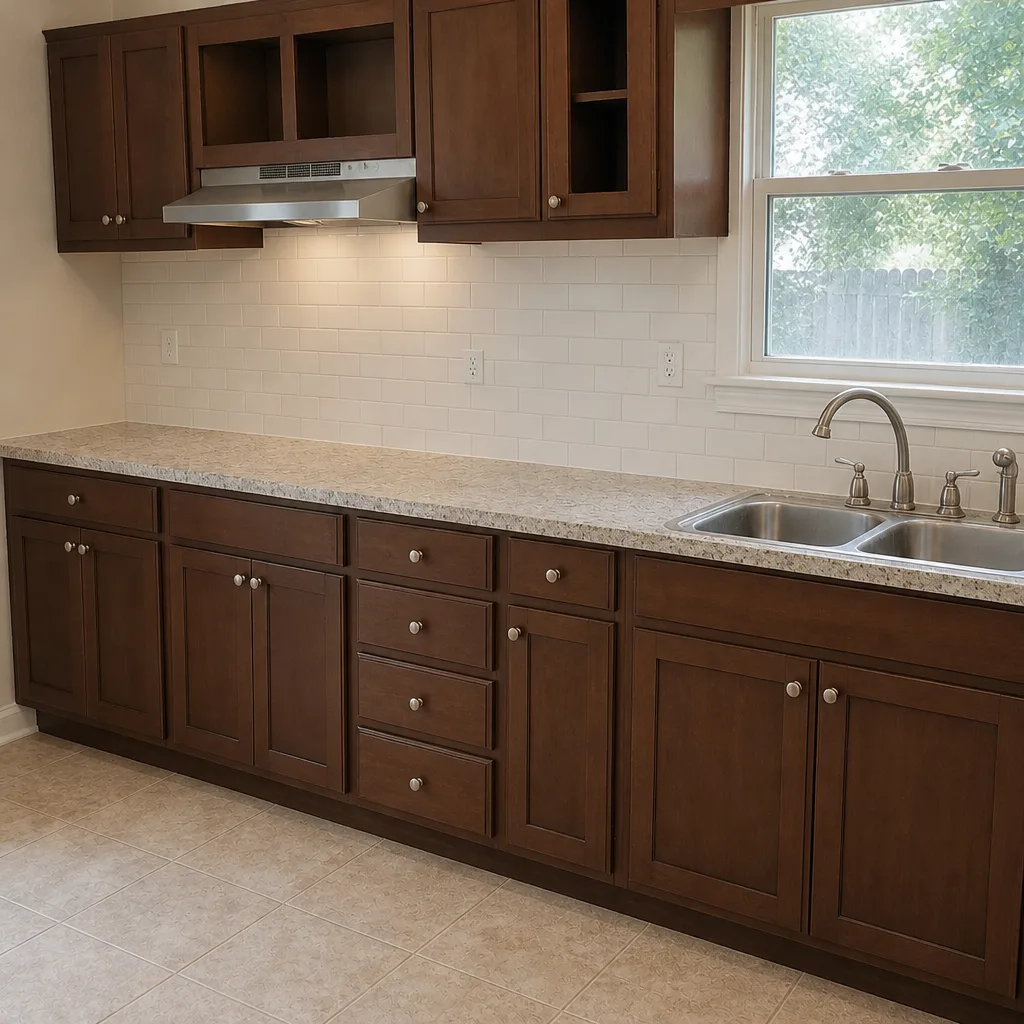 After
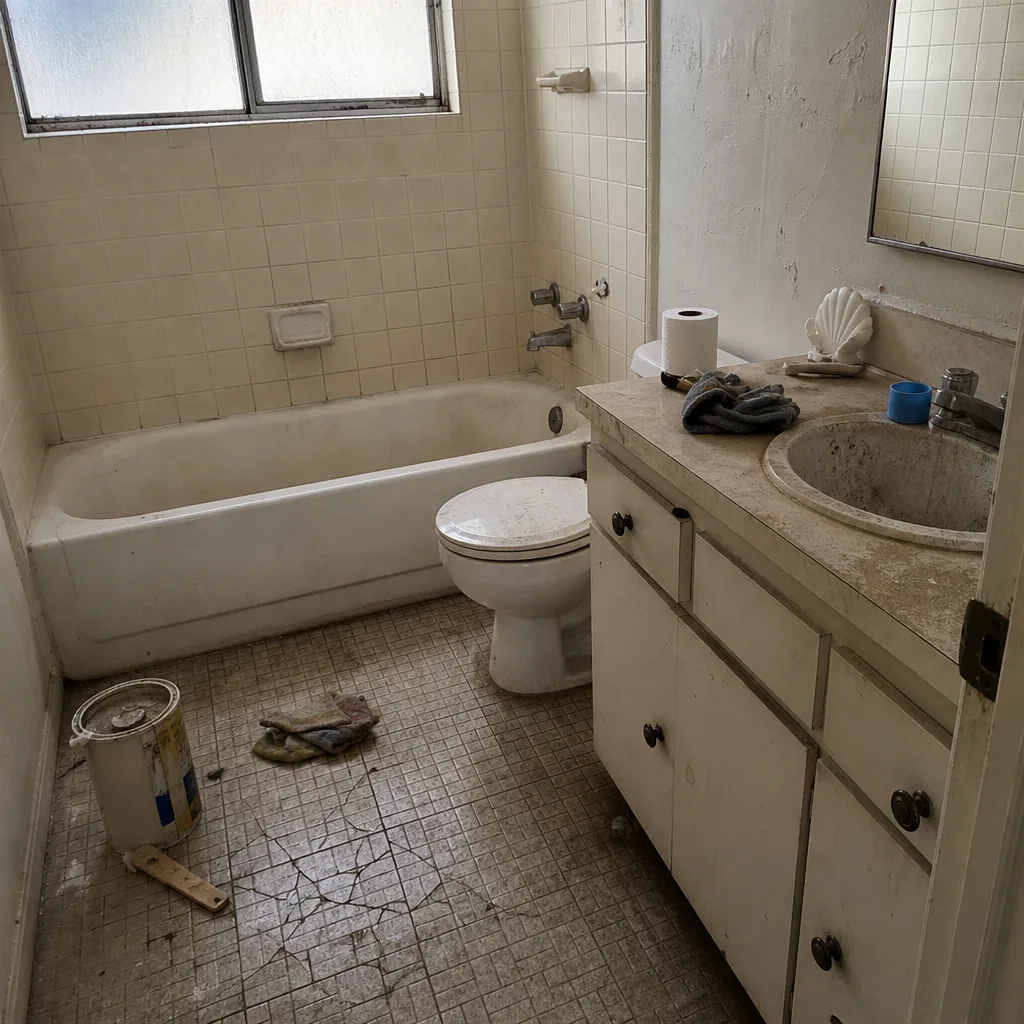 Before
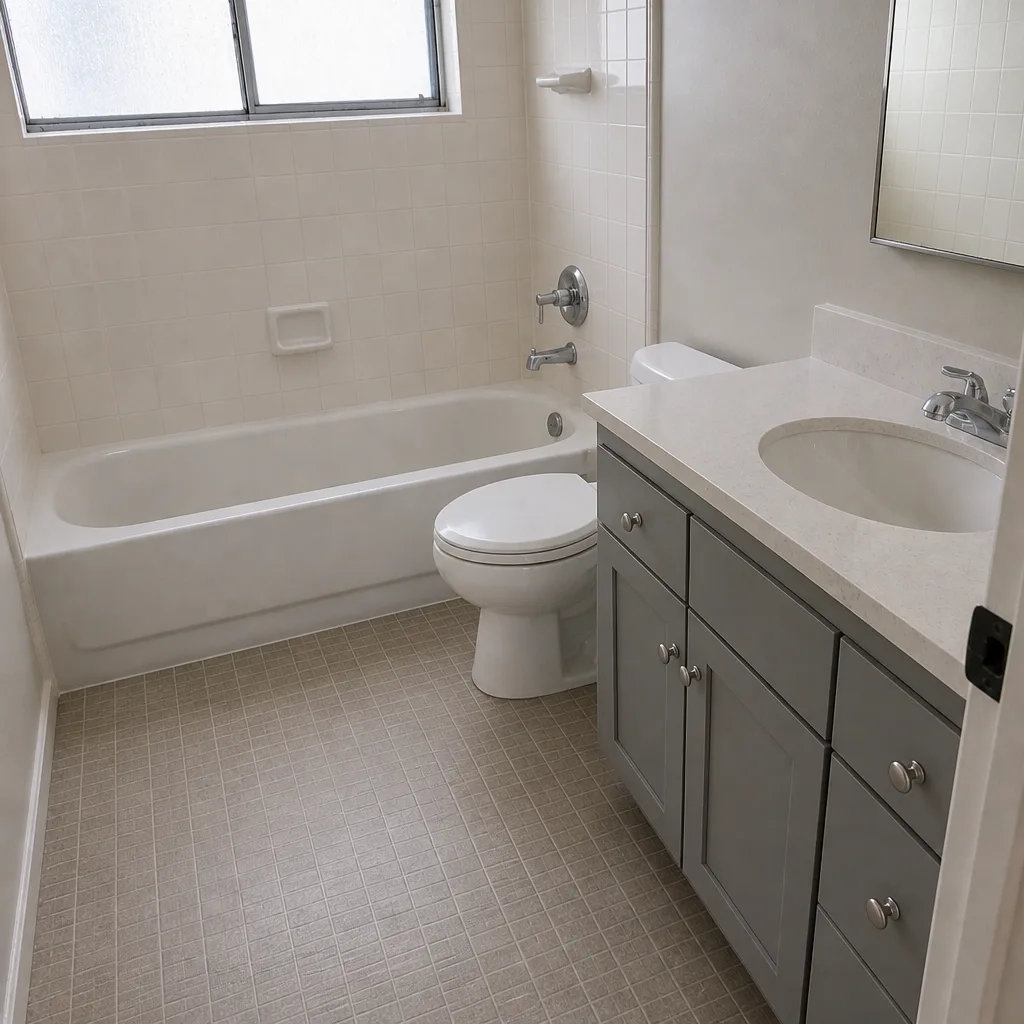 After
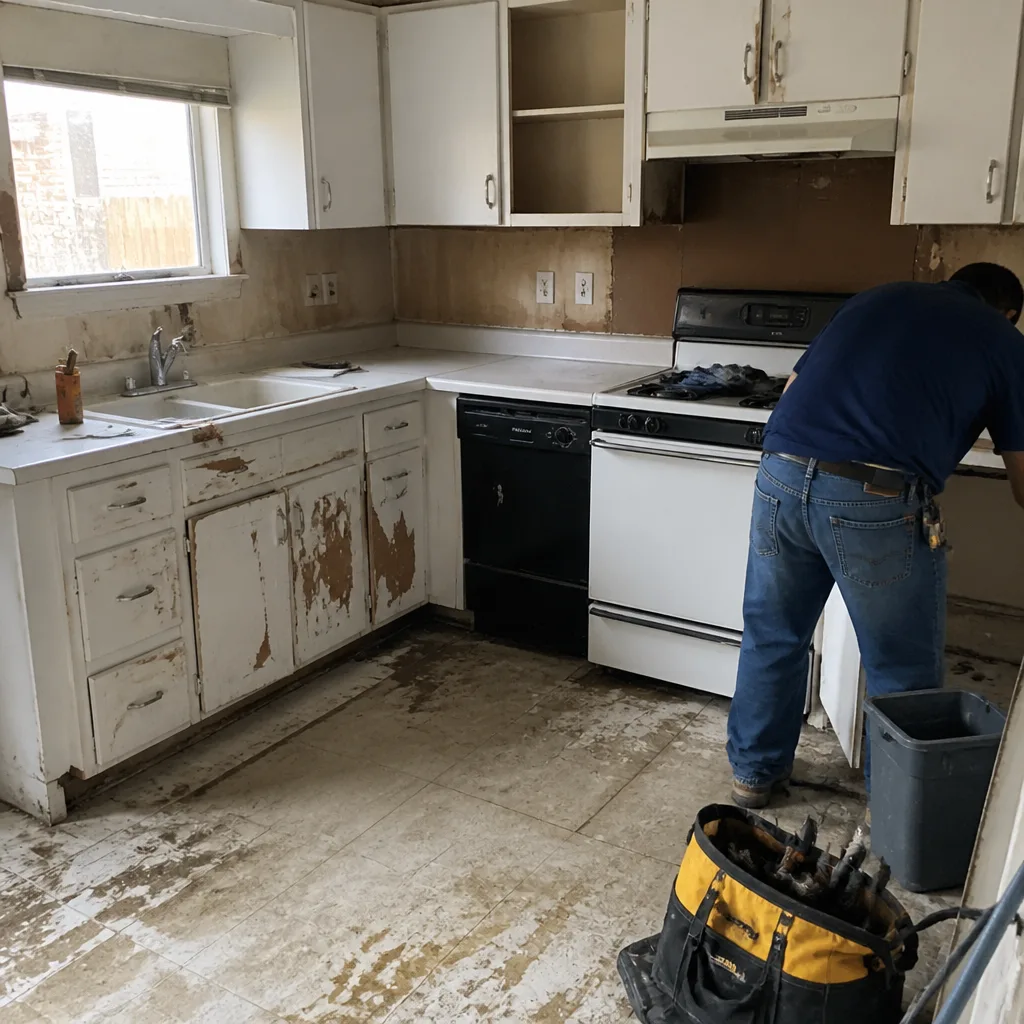 Before
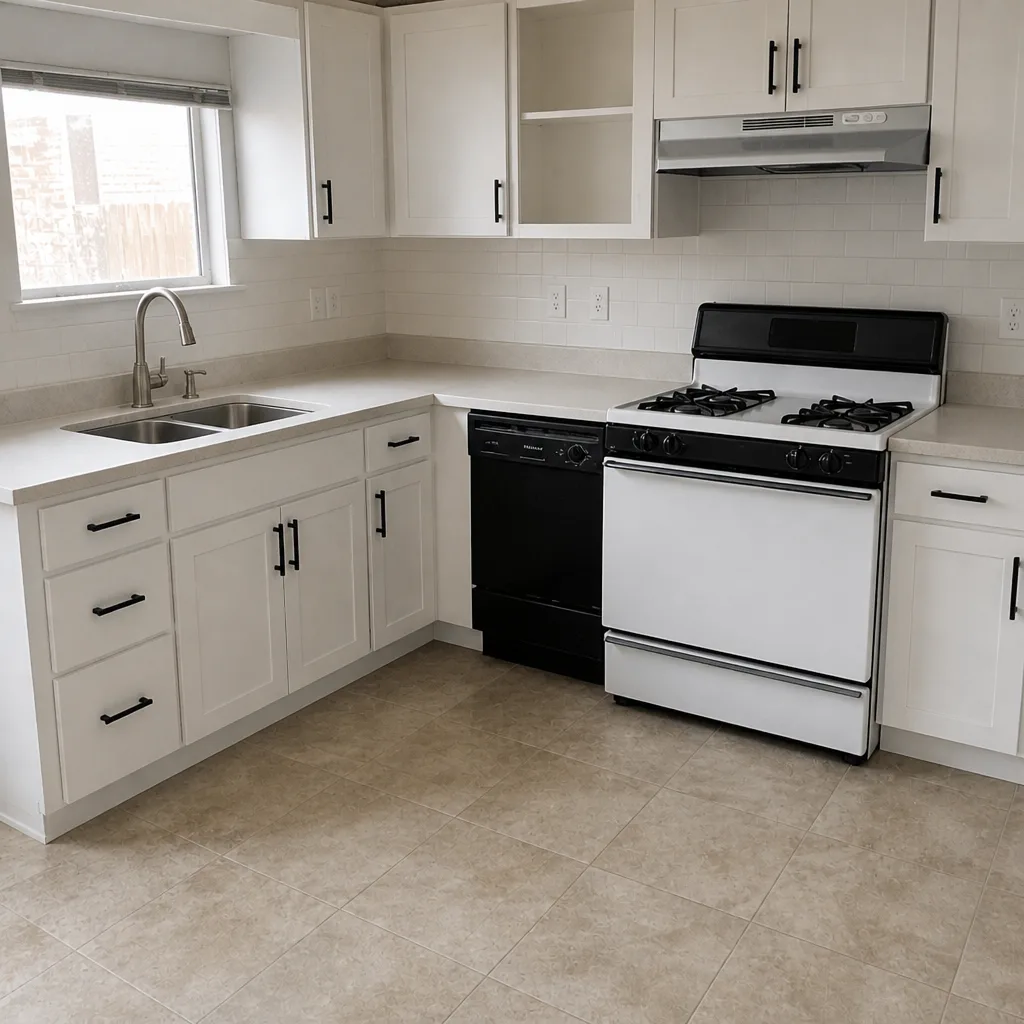 After
Frequently Asked Questions

The fall exterior inspection, done in late September or October before the first freeze. It’s the single task that prevents the most expensive damage – burst pipes, foundation heave, and stucco cracking – from a North Texas freeze. Walk the roof, the caulk lines, the fence, the foundation perimeter, and the gutters, then seal anything you find. Call (877) 382-4108 for a free estimate if the walk turns up something needing a licensed pro.
Most of the calendar is free – the inspections and walkthroughs cost nothing but time. Paid maintenance typically breaks down like this:
- Fall roof inspection: often free from a licensed roofer
- Re-caulking exterior windows and doors: $150 – $400 depending on home size
- Fence re-staining: $300 – $900 depending on linear feet and condition
- Stucco crack sealing: $200 – $600 for typical patch work
- Gutter cleaning: $150 – $350 per visit
- Paver joint-sand refresh: $250 – $600 depending on driveway size
Larger repairs – roof, foundation, window replacement – should always come with a written line-item quote. Call (877) 382-4108 for an exact quote – estimates are free.
Not if the scope is in writing before work begins. Any reputable Plano contractor should give you a written scope, written allowances, and written change orders for anything that shifts. If the contractor won’t put the allowance on paper, it’s a surprise waiting for a date. Call (877) 382-4108 and we’ll walk you through a written estimate before anything starts.
For inspections, caulking, fence staining, and gutter cleaning, no permit is required. For any repair or replacement that affects structure, electrical, plumbing, or roofing, the City of Plano requires a permit. If a contractor tells you permits are optional, that’s a reason to find another contractor. Our team pulls permits and passes inspections on every eligible job – the permit inspector works for you, not for us.
A full exterior pre-freeze walkthrough on a typical Plano home takes about 90 minutes for a professional. That includes the roof, the exterior walls, the foundation perimeter, drainage, and the fence. A homeowner walkthrough can be done in half that with the checklist above. Call (877) 382-4108 to schedule one before the first freeze.
Two things: soil and heat. Plano sits on Blackland Prairie clay that swells and shrinks more aggressively than the soils to the east, so foundation drainage and fall soil-moisture management matter more here. Plano also catches the freeze line slightly harder than Dallas proper on the coldest nights. Both are reasons to start the pre-freeze checklist a few weeks earlier in Plano than you would further east.
The Bottom Line
Plano’s climate doesn’t have one maintenance season – it has two. Fall is the high-leverage window: get drainage, caulk, roof, and foundation in order before the first freeze, and you’ll prevent the most expensive failures. Spring is the check window before the summer heat stresses every exterior material at a different rate. Most of the calendar is safe DIY; the roof, structural, electrical, gas, and anything that needs a permit belong with a licensed professional. Barrett & Sons Construction Plano pulls permits, writes every change order in writing, and backs every completed job with the written 90-Day Done Right Promise. Call (877) 382-4108 for a free estimate before the next freeze. Ask anyone on your street – or look up the license yourself.
Written by the team at Barrett & Sons Construction Plano.