Last updated November 18, 2026





Free written scope consultation - allowances, timeline, and change-order rules on paper before a single trade is scheduled
Windows & Doors Warning Signs Every Homeowner Should Know
A window that’s hard to lock isn’t just inconvenient. In Plano’s summer heat cycles, a sash that won’t seat properly is usually a frame that’s shifted, and a shifted frame means water is getting somewhere it shouldn’t. That’s the part most guides skip: the symptoms that look cosmetic are often the ones hiding real damage. We’ve walked through hundreds of Plano homes where a “sticky window” turned out to be rotted framing behind the casing, and a “drafty door” turned out to be a threshold that’s been letting water in for years. This guide names what to look for and what each sign actually means, so you can tell the difference between normal wear and something that needs attention now.
Quick Answer
The biggest window and door warning signs are a sash that won’t seat or lock smoothly (a shifted frame), condensation trapped between panes (a failed seal), water stains on the interior casing or sill (a leak running from somewhere else), daylight visible at a door threshold, soft spots in a door slab, and utility bills that climb without explanation. Any one of these on its own is worth a look. Two or more together usually point to a real problem that’s already been working on your house for a while.
Styles & brands we work with
- Kitchen remodeling
- Bathroom remodeling
- Home additions & ADU
- Roofing
- Windows & doors
- Driveway & pavers
- Fence
Table of Contents
- The 20-Minute Visual Inspection Checklist
- Condensation: When It Means Replace and When It Doesn’t
- Door Warning Signs Beyond Sticking
- What Water Stains Near Windows Are Telling You
- Warning Signs That Show Up on Your Utility Bill First
- Why Plano’s Climate Accelerates Window and Door Failure
- Repair or Replace? How to Decide
- When to Call a Professional
The 20-Minute Visual Inspection Checklist
You don’t need a moisture meter or a thermal camera to catch most window and door problems. A flashlight, a screwdriver, and twenty minutes on a Saturday morning will do it. Work through these four zones on every window and exterior door in the house:
- The frame. Run your hand around the interior frame and look for gaps where it meets the drywall. Check for cracks in the paint at the corners of the frame – a hairline crack that reappears after you fill it is a frame that’s moving. Press on the frame; if it yields or feels soft, there’s rot behind it.
- The glass. Look for cracks, chips, or a cloudy haze at the edges. Hold a flashlight against the glass at an angle – edge fog you can’t wipe away is inside the sealed unit.
- The sill. The interior sill is where water shows up first. Run a finger along the seam where the sill meets the frame. Soft wood, bubbling paint, or a dark outline means moisture is present. Check the exterior sill too, looking for a slope that runs toward the house instead of away from it.
- The exterior casing and caulk. From outside, look at the caulk line where the casing meets the siding. Cracked, missing, or peeling caulk is the most common entry point for water. Check the trim for soft spots and look for stains or discoloration running down the siding below the window.
Do this on the windows on the south and west sides of the house first. In Plano, those elevations take the worst of the afternoon sun and the driving storms that roll in from the northwest in spring. They fail first, and they fail fastest.
Condensation: When It Means Replace and When It Doesn’t
This is where most guides blur two very different things together. There are two kinds of window condensation, and they mean completely different things.
Surface condensation forms on the room-side of the glass. It shows up on cold mornings, you can wipe it off with your sleeve, and it’s gone by noon. That’s a humidity issue, not a window issue. Plano homes with tight envelopes and a busy kitchen or bathroom do this all winter. Lower the indoor humidity and it stops.
Condensation between the panes is the one that means the window is done. Modern insulated units have a sealed gas space between two panes. When that seal fails, moisture gets in, and it shows up as fog, haze, or water droplets trapped inside the unit. You can’t wipe it off. It may disappear in hot weather and come back in the fall, which confuses people into thinking it fixed itself. It didn’t.
Here’s how to tell them apart:
- Wipe test: if a cloth removes it, it’s surface humidity. If it’s trapped between the glass, the seal has failed.
- Timing: surface condensation comes and goes with weather and cooking. Fog between panes stays, or returns in cycles, year after year.
- Pattern: between-pane fog usually starts at the edges and moves inward, and often leaves a white mineral haze where water has been sitting.
A failed seal doesn’t mean your house is leaking – but it does mean the window has lost its insulating value. In a Plano summer, a fogged west-facing window can turn a room into an oven by 4 p.m. If we see three or more failed units on one elevation, we usually recommend replacing that whole side of the house at once rather than piecemealing it. The labor cost of doing them individually will meet you halfway to a full set.
Door Warning Signs Beyond Sticking
Everyone notices a door that sticks. It’s the signs that don’t announce themselves that tell you more about the health of the opening.
- Soft spots in the door slab. Press on the bottom six inches of the door, especially on the interior side and along the bottom rail. If the wood gives, or if you can push a screwdriver in with light pressure, the slab is taking on water. Exterior doors in Plano fail from the bottom up, because splash-back from the porch and the slab wicks moisture up the stiles.
- Daylight at the threshold. Stand inside on a sunny day and look at the gap under the door. If you see light, you have an air leak, and an air leak means water can get in during a storm. The weatherstripping may be shot, the threshold may be out of level, or the door may have sagged. Each has a different fix, and the fix depends on which one it is.
- Hardware pulling out of the frame. Wobbly hinges, hinge screws that won’t tighten, and strike plates that have wallowed out their holes are signs the door frame has moved or the wood has softened. Don’t just drive longer screws into it and call it done – if the screw won’t hold, find out why. Often the answer is rot behind the jamb, and longer screws are just hiding it.
- A door that swings open or closed on its own. That’s a house out of level or a frame that’s shifted, and it usually points to the same thing the shifted windows do.
On any door that faces west, pay extra attention. The afternoon sun in Plano can reach surface temperatures on a dark-painted steel door that will warp the slab over a few summers. If your front door is west-facing and starting to bow, that’s the reason – not a bad door, just one that’s seen too many Plano summers.
What Water Stains Near Windows Are Telling You
The most important thing to understand about a water stain near a window: the stain and the leak are almost never in the same place. Water travels. It enters at the exterior casing, runs along the framing, and shows up where gravity and a bit of framing allow. What you see on the inside is a symptom, not the source.
Here’s what the location of the stain usually tells you:
- Stain at the top of the window casing: water is coming in from above – a failed flashing at the roof line, a bad caulk joint at the header, or a gutter that’s overflowing and dumping water against the wall. The window itself may be fine.
- Stain on the side casing: usually a failed seal where the window meets the siding, or a corner where the caulk has cracked. Corner casings on Plano brick homes are a common culprit.
- Stain on the interior sill: water is entering below the window, at the exterior sill or the flashing under it. This is often the most serious, because water sitting on a sill runs into the wall cavity rather than back out.
- Dark ring or bubbling paint around the whole opening: extended moisture. The drywall is wet, the framing is likely wet, and the window may need to come out to fix it.
Press a screwdriver into the drywall around the stain. If it’s soft, you’re not looking at a cosmetic touch-up. You’re looking at water inside the wall, and that’s a job for someone who can open it up and find the source. Stained, soft drywall around a window in a Plano home is one of the most common calls we get, and the fix usually isn’t the window – it’s the flashing and casing around it.
Warning Signs That Show Up on Your Utility Bill First
Windows and doors fail slowly, and the first place you’ll notice is on your bill. The trick is reading the numbers right. Here’s how to connect the numbers to specific problem areas:
- Compare the same months year over year. Your July bill this year against the July bill two years ago, with the same number of people in the house and the same thermostat setting, is the honest comparison. A jump of 15 percent or more with nothing else changed is worth a look.
- Watch for a wintertime gas bill jump. Heating is where window leaks show up most obviously. A drafty window lets warm air out faster than a wall in the same room, and you’ll see it in January and February more than July.
- Look for one room that’s always the problem. A single room that’s noticeably warmer in summer or colder in winter – the room with the big west-facing windows, or the room above the garage – is telling you something. That room has a window or door problem, even if the bill hasn’t jumped enough to notice yet.
- Do a dollar-bill test on a windy day. Close a dollar bill in the door or window and try to pull it out. If it slides out easily, air is moving through, which means water can move through too.
- Check the condensation pattern on cold mornings. If one window in the house fogs on the room side while the others don’t, that window is leaking air. It’s the cool glass pulling moisture out of the warm air, and it’s a sign the seal between the sash and frame is compromised.
We’ve seen Plano homeowners replace a whole house full of windows chasing a high summer bill when the real problem was a single failed patio door and a west window with a bad seal. Do the room-by-room check before you sign anything. The bill points you to the room; the inspection tells you what in the room needs fixing. And if you’re thinking about other exterior upgrades while you’re at it, the same principles apply to our Fence Installation in Plano work – exterior wood and hardware tell you what’s failing before it falls down.
Why Plano’s Climate Accelerates Window and Door Failure
Plano is hard on windows and doors. The heat is part of it, but the bigger problem is the cycling. A window that swings between a 105-degree afternoon and a 70-degree night every day for three months expands and contracts constantly. Caulk fails. Seals give up. Frames move a little more each season. And the north Texas storms – hail, wind, and the occasional hard freeze – put pressure on every joint at once.
There’s a pattern we see across Plano neighborhoods. Homes in the older parts of town, especially in neighborhoods with mature trees and brick exteriors, tend to develop window problems at the sill and casing before anywhere else, because the brick holds moisture against the trim and the shade from the trees keeps it wet longer. Homes on the newer west side of Plano, where sun exposure is more direct, tend to lose seals and crack caulk on the south and west elevations first. If you’re in a home that’s been through a hail event, look at the windows on the side the storm came from – the storm damage on the exterior is easier to see than the interior leaks it caused.
Door failures follow the same pattern. The threshold is the weak point, and water splashing back off a concrete porch during a Plano downpour works its way into the door frame year after year. If you’re planning to add on or replace a porch as part of a bigger project, the same threshold detail matters – see our Home Additions & ADU in Plano page for how we handle it when new construction meets an existing wall.
Repair or Replace? How to Decide
Not every warning sign means a new window. Some do, and it’s worth knowing the difference before you spend money.
- Repair when the glass is fine, the framing is solid, and the problem is a failed caulk joint, worn weatherstripping, a misaligned door, or hardware that needs to be reset into solid wood. These are real fixes and they last.
- Replace the unit when the seal is gone (fog between the panes), when the frame is rotten behind the casing, or when the window won’t open or lock after adjustment. A window that can’t be made to lock is a security issue as much as an energy one.
- Replace the whole opening when the framing is compromised – soft wood at the sill or casing, a door frame that’s moved, or repeated water stains that keep coming back after a repair. At that point, the trim and the window have to come out together, and the new window goes in with proper flashing.
One more thing: on any window replacement, ask whether a permit is required. In Plano, window and door replacement in most cases does require a permit, and inspections get signed off on the flashing and installation. A contractor who tells you permits are optional on a window swap is telling you something about how they work. If you’re planning a larger exterior project alongside the window work – a driveway, patio, or hardscape – the same applies. We install Belgard and Unilock pavers on driveway and patio jobs, and those get permitted and inspected too. See our Driveway & Pavers in Plano page for how we handle that side of the house.
Common Mistakes to Avoid
- Caulking over a leak instead of finding it. A fresh bead of caulk will hold for a season and then fail, because the water is still getting in somewhere you haven’t looked. Find the source before you seal anything.
- Assuming a fogged window is just cosmetic. It isn’t. The seal is failed, the unit has no insulating value, and in a Plano summer a fogged window is doing the same job as a single pane of glass from 1980.
- Driving longer screws into a hinge that won’t hold. If the screw won’t hold, the wood behind it is soft. Fix the wood; don’t hide it.
- Replacing one failed window in a set of four. If one seal has gone, the others in the same set are usually close behind, and doing them together saves you the labor cost of two visits.
- Trusting a verbal quote for a window swap. Window replacement always involves decisions about trim, flashing, and interior finish. Get the scope and any allowance in writing before work starts, because an allowance that isn’t on paper is a surprise waiting for a date.
- Skipping the permit to save a few dollars. The permit inspector works for you, not for the contractor. Permits pulled and inspections signed on every eligible job are how you know the flashing was done right.
- Waiting until the drywall is soft. Stained drywall around a window means water has been in the wall for a while. Call when you see the stain, not when the wall gives.
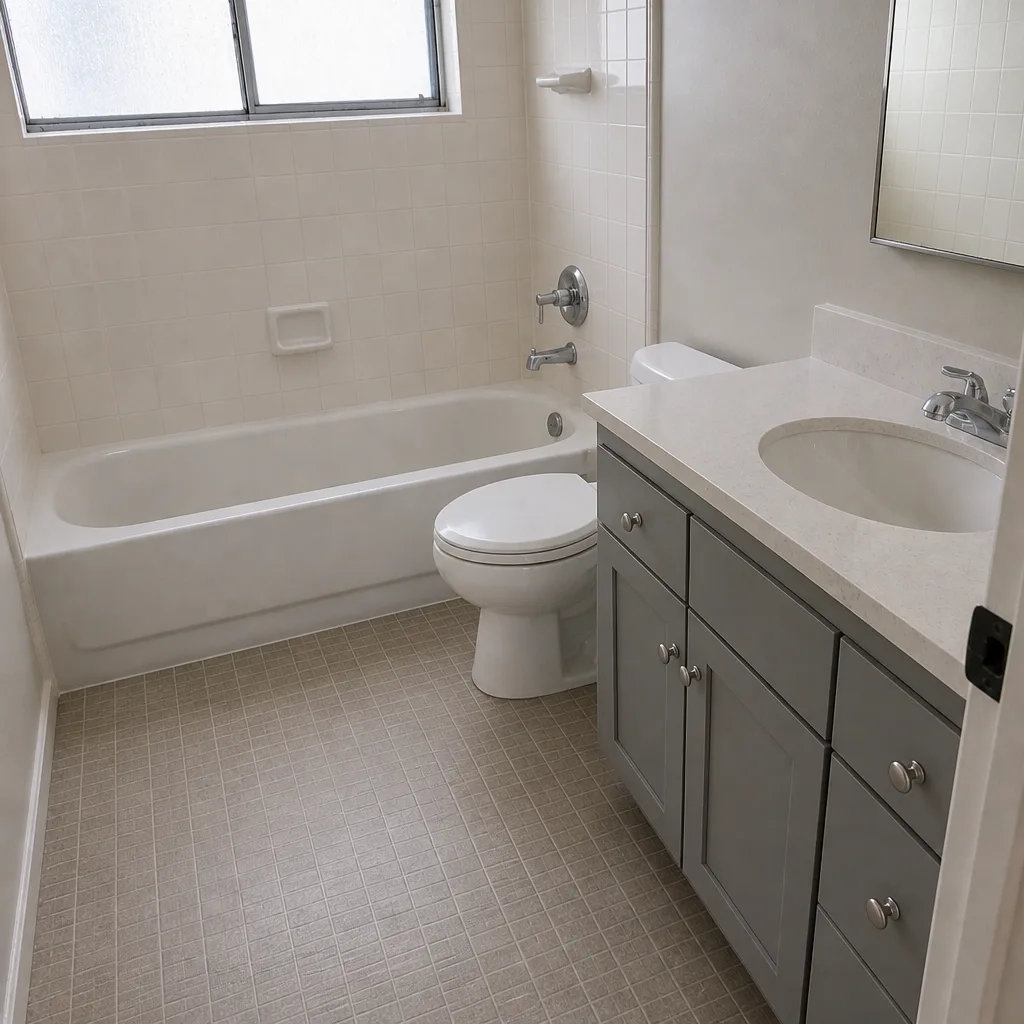
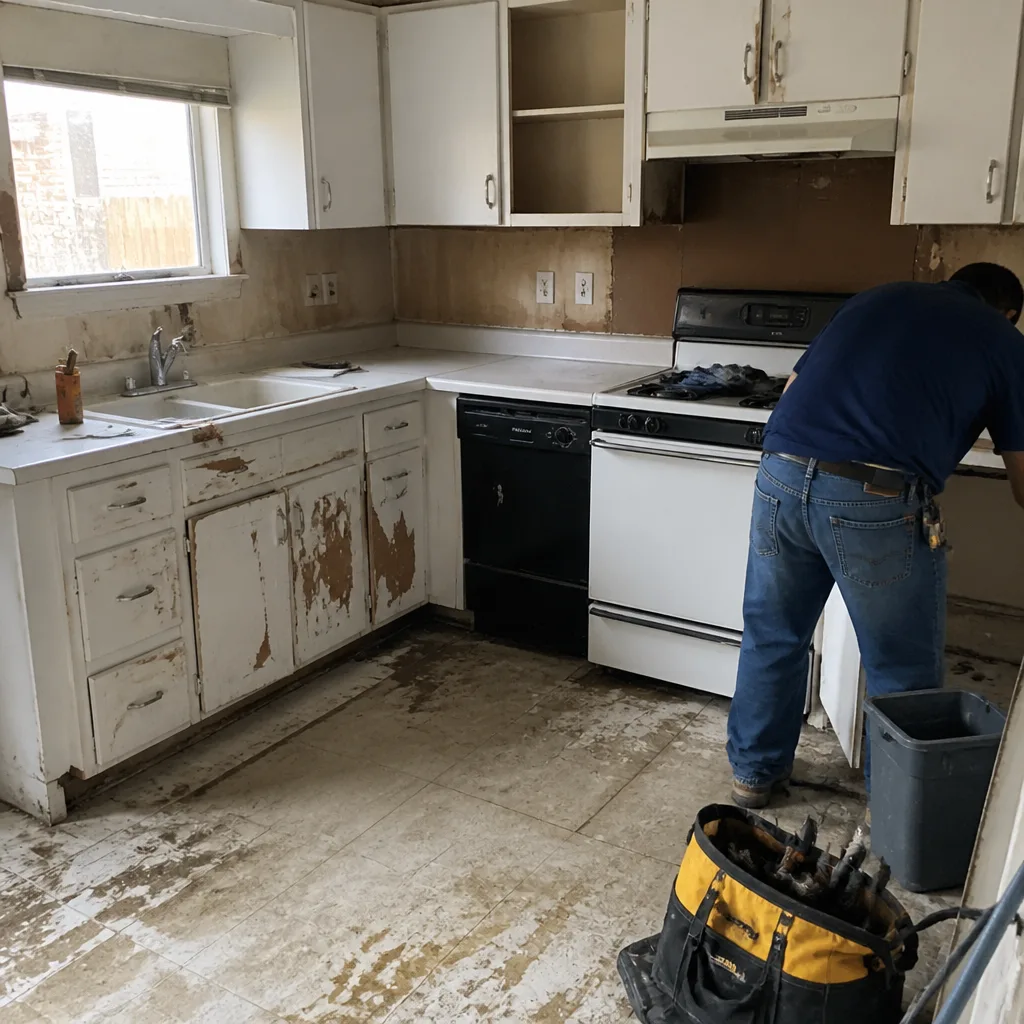
See the difference
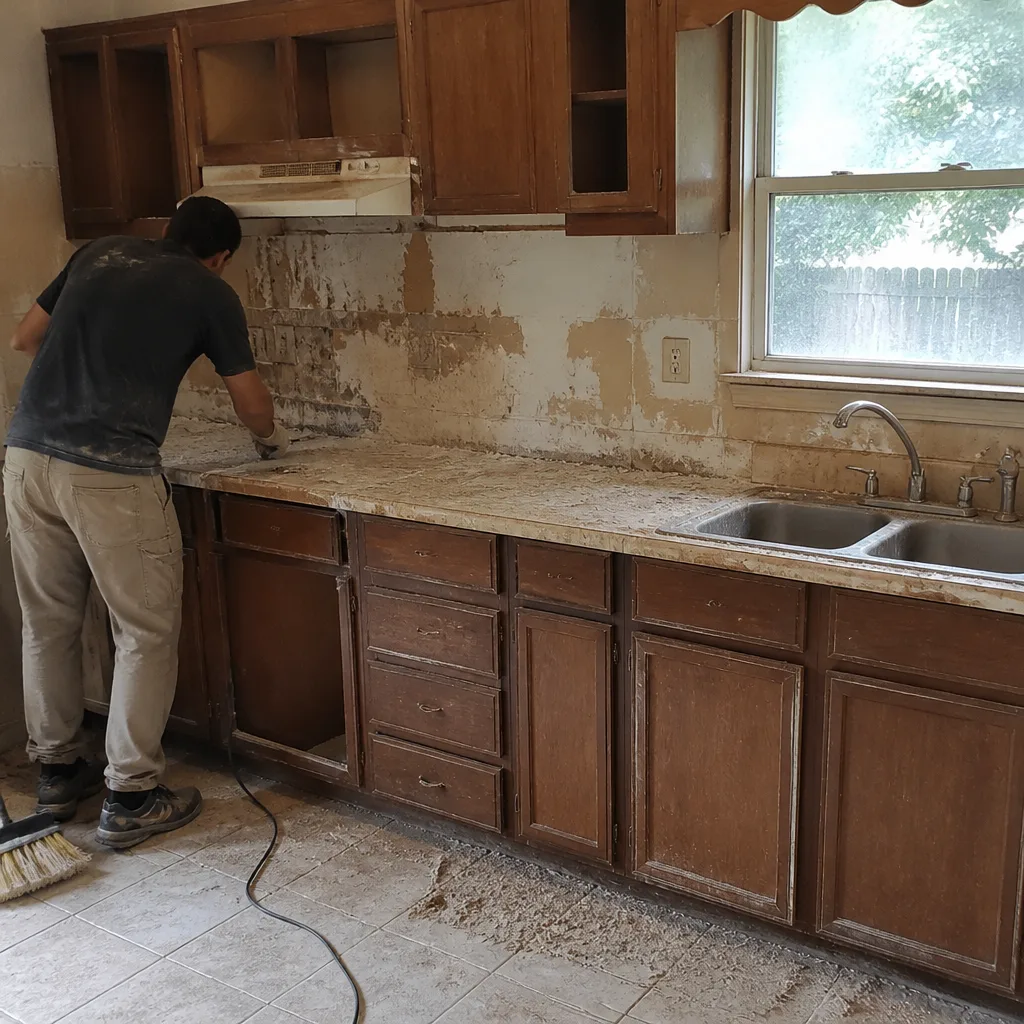 Before
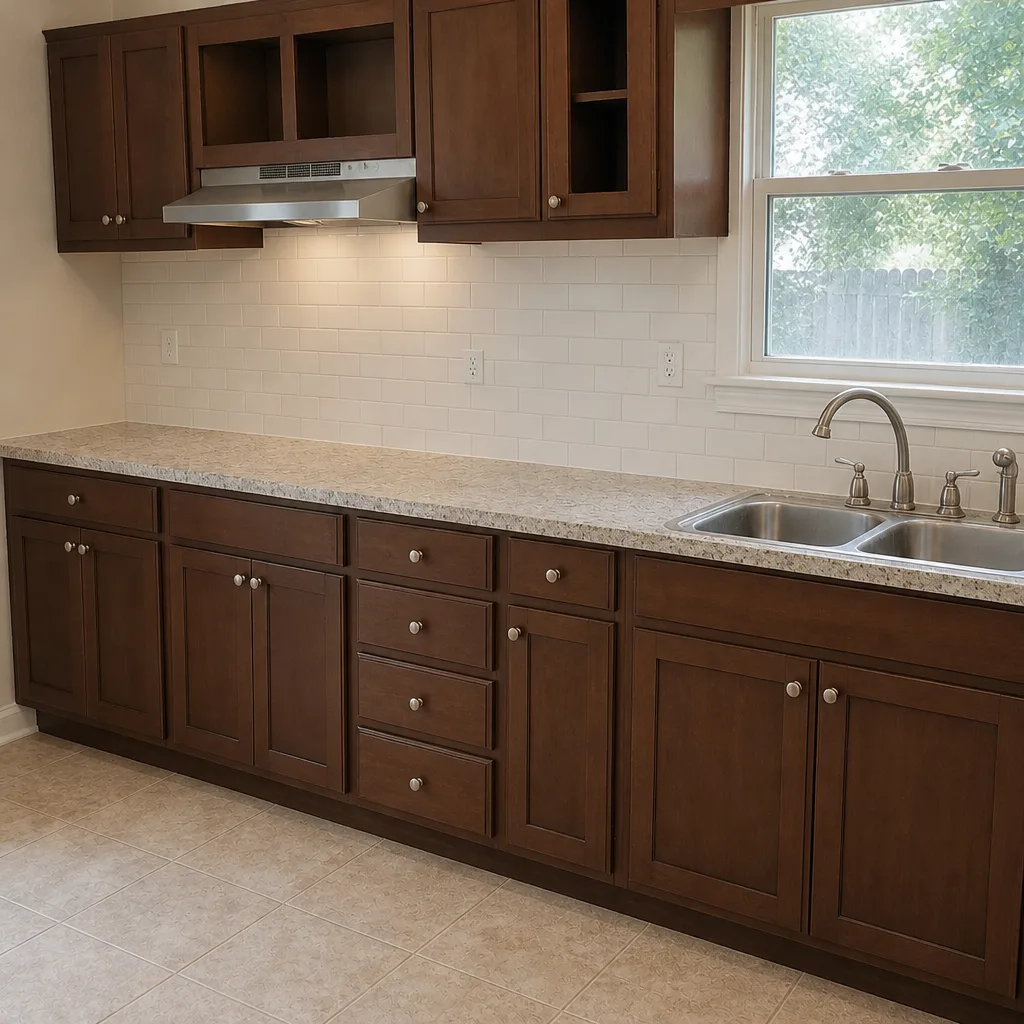 After
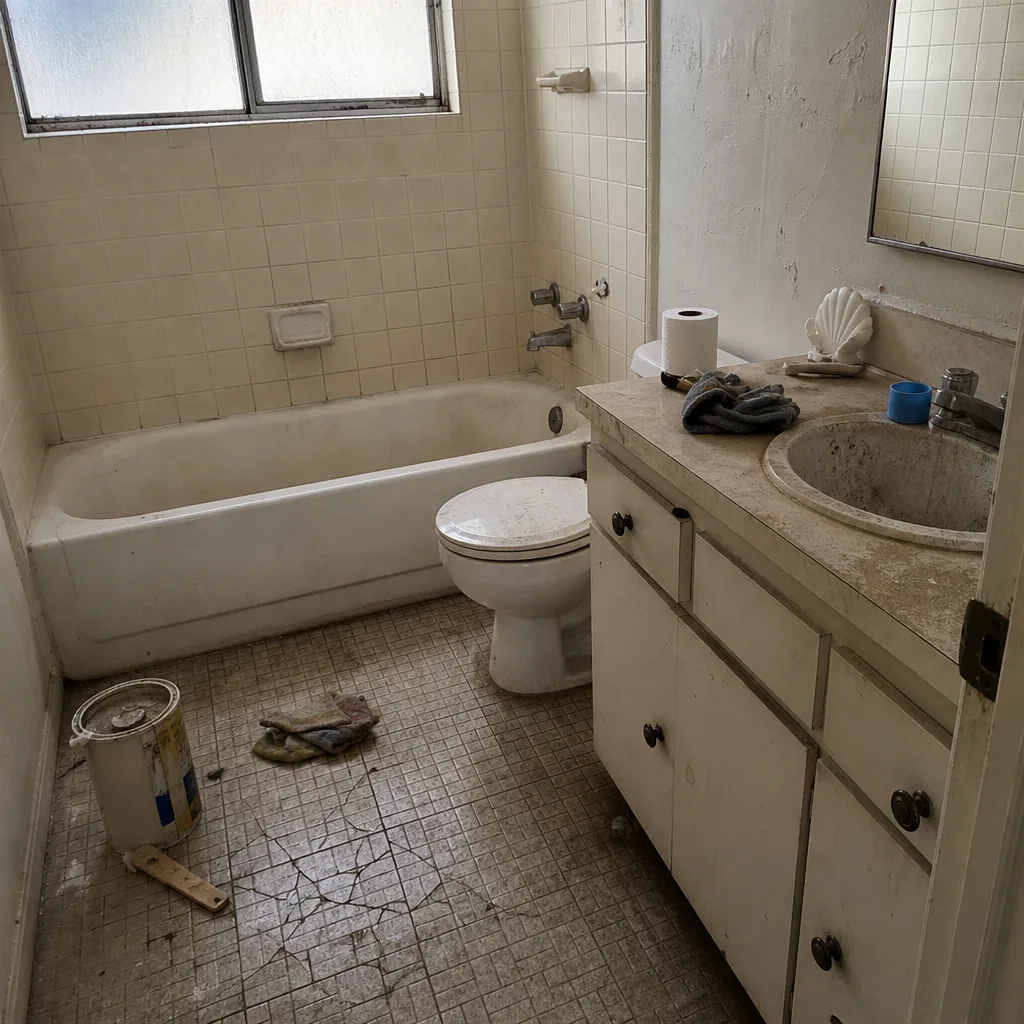 Before
 After
 Before
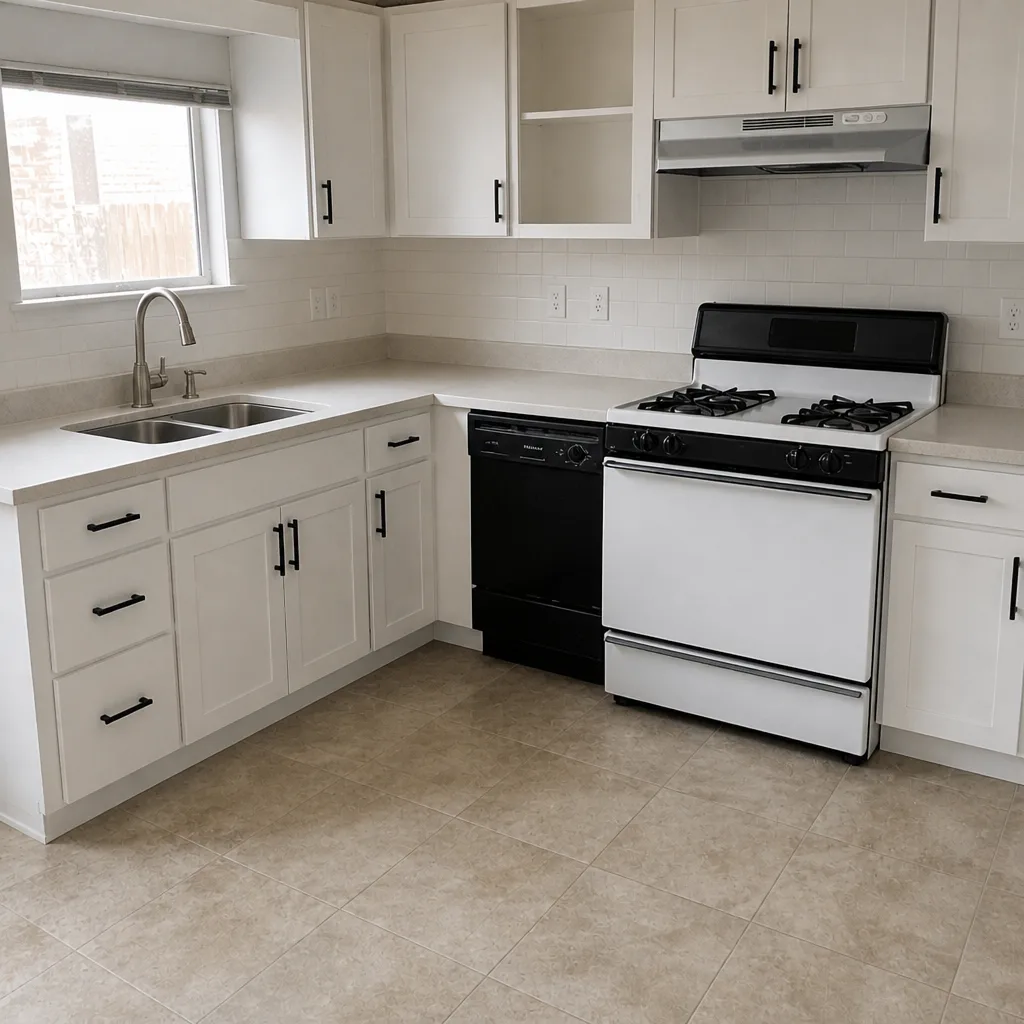 After
When to Call a Professional
Call a professional when you see any of the following: water stains on interior casing or drywall, soft wood at a sill or door frame, fog between the panes on more than one window, a door that won’t lock or seat properly after adjustment, or daylight visible at a threshold. Those are the signs that something real is happening behind the wall or under the trim, and they’re worth getting eyes on before you spend money on a fix that won’t hold. A 20-minute inspection is far cheaper than a wall rebuild.
Barrett & Sons Construction Plano offers free estimates in Plano – call (877) 382-4108. We’ll look at the windows and doors, tell you what needs repair versus replacement, and give you a written estimate with the scope spelled out. The team at Barrett & Sons Construction Plano home has been doing this work for Plano homeowners for a long time, and we’ve seen just about every version of a “sticky window” that turned out to be a rotted frame. If you want a second set of eyes, that’s free too.
Frequently Asked Questions

If the condensation is trapped between the panes and can’t be wiped off from the inside, the sealed unit has failed and the window (or at least the glass unit) needs to be replaced. Surface condensation that wipes off is a humidity issue, not a window failure. Call (877) 382-4108 for an exact quote on replacement – estimates are free.
A water stain near a window means water is entering the wall somewhere, and the stain is where it’s coming out – not usually where it’s coming in. The leak could be at the exterior casing, the flashing above the window, or the sill below it. In Plano, the most common source is failed caulk or flashing at the casing. Call (877) 382-4108 to schedule a free inspection.
It can be. A door that’s hard to close may have a sagging hinge, a shifted frame, or soft wood behind the jamb. The fix depends on which one it is, and the wrong fix (longer screws, shaved slab) hides the real problem. Have it looked at before you plane the door down. Call (877) 382-4108 for a free estimate.
Surface fog on the room side of the glass is caused by indoor humidity meeting cold glass, which is common in Plano during our cold snaps when the heat is running and the windows are closed tight. It’s normal unless it happens on just one window, which usually means that window has an air leak. Fog between the panes is a failed seal year-round. Call (877) 382-4108 if you’re not sure which one you have.
In most cases, yes – window and door replacement in Plano typically requires a permit, and the installation is inspected for flashing and proper sealing. We pull permits and get inspections signed on every eligible job. If a contractor tells you permits are optional on a window swap, that’s worth asking about. Call (877) 382-4108 with questions.
It can, especially if you have fogged units or older single-pane windows on the west and south sides of the house. The savings depend on how much the existing windows are leaking. We can tell you which windows are doing the most damage during a free estimate, so you only replace what’s actually costing you money. Call (877) 382-4108 to schedule.
The Bottom Line
Most window and door problems announce themselves long before they turn expensive. A sash that won’t lock, a fogged pane, a water stain on the casing, a door you can see daylight under – each of these is a signal, and the signal is usually pointing at something the eye can’t see. The 20-minute inspection catches most of it. The utility bill catches the rest. When you find something, get it looked at before the next Plano storm season puts it to the test. Call (877) 382-4108 for a free estimate and a written scope, and we’ll tell you the truth about whether you’re looking at a repair or a replacement.
Written by the team at Barrett & Sons Construction Plano.