Last updated November 18, 2026








Free written scope consultation - allowances, timeline, and change-order rules on paper before a single trade is scheduled
Windows & Doors Troubleshooting: Common Problems and How to Fix Them
If your window is drafty, there’s a 70% chance the glass is fine and the problem is a $12 weatherstrip that someone skipped. That’s the part most people never hear, because the first person they call is trying to sell them a window. In our experience across Plano, most of the window and door complaints we get called out to aren’t product failures at all. They’re installation gaps, dried-out seals, and hardware that worked loose over a few hot summers. This guide is built to diagnose before it prescribes. We’ll walk you through the symptoms, the likely culprits, the cheap fix worth trying first, and the genuine red flags that mean it’s time to replace.
Quick Answer
Most window and door problems in Plano trace to three things: worn weatherstripping, gaps in the installation, and hardware that’s come out of adjustment – not the window or door itself. Drafts, sticking, and water intrusion are usually fixable for a fraction of replacement cost. Fogged double-pane glass can usually be repaired by replacing just the insulated glass unit (IGU) rather than the whole window. Only a cracked frame, rotted sill, or repeated water damage that’s compromised the wall typically warrants a full replacement.
Styles & brands we work with
- Kitchen remodeling
- Bathroom remodeling
- Home additions & ADU
- Roofing
- Windows & doors
- Driveway & pavers
- Fence
Table of Contents
- Symptom-to-Cause Chart: Start Here
- Drafts and Cold Air: The Weatherstrip Problem
- Fogged Glass: IGU Repair vs. Full Replacement
- Door Alignment: Foundation, Hardware, or Humidity?
- Why Doors and Windows Stick Every Plano Summer
- Water Intrusion: Where It’s Really Coming From
- Hardware Failure: When to Repair, When to Replace
- What to Photograph Before You Call Anyone
Symptom-to-Cause Chart: Start Here
Before you call anyone, match your symptom to the most likely cause. We’ve run this same checklist on Plano homes for years, and the pattern holds whether you’re in Willow Bend or a 1970s ranch off Parker Road. Here’s where to start.
- Draft around the edges (not the glass): Weatherstripping, sweeps, or a missing seal. Try first: a $10-15 foam or felt weatherstrip kit and a door sweep.
- Draft through the glass itself: Failed seal in a double-pane unit. This is an IGU issue, not a whole-window issue in most cases.
- Window sticks when you open it: Often paint, debris in the track, or a sash that swelled with humidity. Try first: clean the track, check for paint bridging.
- Door sticks only in summer: Thermal expansion – the door or frame swelled in the heat. Not necessarily a failure.
- Door sticks year-round and drags on one corner: Hinge or frame settlement issue – often a foundation check.
- Fog or condensation between panes: Broken seal in the IGU. The glass unit can usually be swapped.
- Water on the interior sill after rain: Failed caulk, a bad sill pan, or a weep hole that’s blocked. Look outside before you look in.
- Handle won’t latch or lock won’t catch: Hardware out of alignment – usually an adjustment, not a replacement.
Notice how many of these point at the seal, the hardware, or the installation – not the glass. That’s the whole thesis of this guide. Whether you’re fixing a window or planning a bigger home addition or ADU in Plano, the same diagnostic discipline saves you money.
Drafts and Cold Air: The Weatherstrip Problem
Drafts are the most common complaint we get, and the least likely to require a new window. When a homeowner in Plano tells us their window “leaks air,” the first thing we do is a simple hand test: run a wet hand around the perimeter on a windy day and feel where the cold actually enters. Nine times out of ten, it’s coming around the frame – not through the glass.
Here’s the diagnostic order we use:
- Shut the window fully and check for a visible gap at the meeting rail or around the sash. A gap you can see is a weatherstrip problem, not a glass problem.
- Run your hand around the interior trim and the exterior frame. Air entering there means the installation gap wasn’t sealed.
- Check the door sweep on exterior doors – the rubber or brush strip under the door. A worn sweep lets in cold air and, in Plano, plenty of summer heat too.
- Inspect the weatherstripping on the sides and top of the door frame. If it’s dried, cracked, or missing sections, it needs replacing.
Weatherstripping is a genuinely cheap fix. A door weatherstrip kit runs about $12-$25 at any hardware store. The reason people don’t do it is they don’t know it’s the problem – because the person who showed up to diagnose was selling windows. Your home’s envelope matters beyond comfort. A drafty window costs you on your energy bill every month. That’s the same reason we push proper flashing and sealing on every driveway and paver project in Plano we touch – water and air find the gaps you leave.
Fogged Glass: IGU Repair vs. Full Replacement
Fogged double-pane glass does not automatically mean you need a new window. This is the single most expensive misconception we run into. Double-pane windows have an insulated glass unit – the IGU – sealed all around the edge with a desiccant spacer between the two panes. When that seal fails, moisture gets in, and you get fogging, haze, or condensation that never goes away. The glass itself hasn’t failed. The seal has.
Here’s how to tell where you stand:
- Fog is between the panes, and the frame is sound: This is an IGU problem. The glass unit can typically be replaced without touching the window frame, and it costs far less than a whole-window swap.
- Fog is on the room side of the glass only: That’s condensation from interior humidity, not a failed seal. Run the exhaust fan, check the humidity, and don’t buy anything yet.
- The frame is cracked, warped, or the sill is soft and rotted: Now you’re looking at a replacement. Water has gotten past the glass and into the wood.
- Repeated fogging in the same window after an IGU repair: Something in the frame or installation is causing the seal to fail again. That’s worth a closer look.
The IGU repair you’ve probably never heard of is real and worth asking about. When we install windows in Plano, we use brands like Andersen and Marvin that source replaceable glass units for a reason – the frame outlasts the seal. It’s a repair-first mindset, and it’s why we tell homeowners to ask any window company this exact question: “Can you replace just the glass unit, or are you telling me I need a whole window?” Call (877) 382-4108 and we’ll give you a straight answer on your situation.
Door Alignment: Foundation, Hardware, or Humidity?
A sticking door tells a story, and the trick is knowing which one. There are three main causes, each with its own signature, and treating the wrong one is how people waste money.
Cause 1: Settling Foundation
If a door sticks year-round, drags at the top corner opposite the hinges, and you can see a gap open up on the hinge side, that’s the signature of settlement. In Plano and the surrounding small towns, our expansive clay soil is a genuine factor. It swells when wet, shrinks when dry, and over years that movement can torque a doorframe. This one is worth a professional look, because adjusting the door won’t fix a frame that’s still moving. A foundation check comes first.
Cause 2: Hardware Adjustment
If the door sticks only along one edge, rubs the strike plate, or the latch won’t catch cleanly, that’s a hardware or hinge issue. The top hinge screws may have pulled loose, or the door has sagged on its hinges. This is often a ten-minute fix with a screwdriver and a hinge shim. Try tightening the hinge screws first, then check the strike plate alignment. If the door clears once you adjust the hinges, you’re done.
Cause 3: Frame Swelling in Humidity
If the door sticks only during the humid months and frees up when the weather changes, that’s wood or MDF swelling. A wood door absorbs moisture and grows slightly. Painting the edges, sealing the top and bottom of the door, and keeping the frame dry usually solves it. Don’t reach for a plane until you’ve confirmed the swelling is the cause and not a foundation problem hiding behind it.
The order matters: check hardware first, then humidity, then foundation. Most of what we see in Plano homes lands in the first two.
Why Doors and Windows Stick Every Plano Summer
Not every summer-sticking door is a failing door. Plano gets hot – genuinely hot, with stretches over 100 degrees – and materials expand and contract with that heat. A door that sticks in August and frees up in October is doing exactly what physics says it will do. This is thermal expansion, and in our experience it’s one of the most over-diagnosed “problems” in the area.
Here’s how we think about it:
- A door that sticks every summer and frees up every fall is normal seasonal movement. It’s not failing. Keep the frame clean, make sure the door isn’t painted into the jamb, and leave it.
- A door that sticks every summer and gets worse each year is a trend worth watching. The movement may be accumulating – a sign the frame or foundation needs a look.
- A window that binds in summer is often a sash swollen against the track, or debris from pollen and dust. Clean the track and check for paint.
- Sticking that starts suddenly, without a heat wave is not thermal expansion. Look at the hardware and the foundation.
When thermal movement starts to affect how the door seats in the frame – you can see daylight at the corners, or the door no longer meets the weatherstripping – that’s when it stops being seasonal and starts being a genuine issue. The rule we give homeowners: if it resolves itself, document it and move on. If it doesn’t, that’s the point to call.
Water Intrusion: Where It’s Really Coming From
Water on the interior sill after a hard rain almost never comes through the glass. It comes from around the window. When we get called out for water intrusion in Plano, the source is almost always one of these three places – and they’re all outside, so that’s where you should look first.
- Failed exterior caulk. The caulk joint between the window frame and the siding is the first thing to check. Texas sun dries and cracks caulk faster than most sealants are rated for. If it looks chalky and cracked, it’s letting water in.
- Blocked weep holes. Modern windows have weep holes along the bottom of the exterior frame to let water drain out. Bugs, dirt, and pollen plug them. Clear them before you assume the window has failed.
- Missing or failed sill pan and flashing. This is an installation issue. If the window was set without a sloped sill pan or proper flashing above, water will find its way in, no matter how good the window is. We’ve torn into windows that were technically fine products, installed wrong – no flashing, no pan, and a slow leak that rotted the sill from the outside in.
One more: water that shows up on the inside of the glass – condensation – is not intrusion. That’s interior humidity meeting cold glass. Turn on the exhaust fan and don’t call a contractor. Water that shows up on the sill and travels down the wall is the real thing, and it needs attention before it reaches the framing. That’s the same discipline we apply to roofing – we’ve seen what one missing piece of flashing does to a wall assembly. Proper fence installation in Plano follows the same rule: if water and air can get behind it, it wasn’t installed right, no matter what materials you bought.
Hardware Failure: When to Repair, When to Replace
Hardware outlives the glass sometimes, and sometimes it fails first. The question is whether the hardware is the whole problem or a symptom of something else.
- A handle that’s loose but functions: Tighten the screws, check the escutcheon plate. Repair, almost always.
- A lock that won’t catch: Adjust the strike plate or the latch alignment. Repair.
- A window that won’t stay open: The balance mechanism or the friction stay is worn. Often replaceable without a new window.
- A multipoint lock on a door that won’t engage: The door has likely shifted slightly in the frame. Adjust the door, then test the lock – if the door is aligned and the lock still won’t work, the lock mechanism is the problem.
The one hardware failure that’s worth taking seriously is a lock that won’t secure. A window or door that won’t lock is a security issue, and it’s exactly the kind of thing that turns into a real problem. Repair it or have it looked at promptly. When we install windows and doors, we look at the hardware the way we look at everything else – Grohe fixtures in a kitchen, CertainTeed shingles on a roof. The hardware matters, and we name the brand so you can look it up. Ask what’s going into your opening, not just what the window or door costs.
What to Photograph Before You Call Anyone
This step saves you money whether you call us or anyone else. When you can describe the problem accurately, you can’t get upsold on the wrong fix. Before you dial, document these five things:
- A wide shot of the problem area – the whole window or door, floor to head. Context matters.
- A close-up of the symptom – the fog between the panes, the gap at the corner, the water staining on the sill.
- The outside of the opening – the caulk line, the sill, the flashing above. Water problems start here.
- The makers label – manufacturer, model, and any stickers on the glass or frame. This tells us whether the unit is even still under warranty or whether replacement glass is available.
- A short video of the door or window in operation – how it sticks, where it drags, what the handle does.
That last one is easier than it sounds, and it’s genuinely useful. A 15-second video of a sticking door tells us more than five minutes on the phone. The reason we push this is simple: an accurate diagnosis is the difference between a $15 weatherstrip fix and a $1,500 window you didn’t need. When you’re ready to have it looked at, look up the company first. Ask anyone on your street, or check the license yourself – what you can verify is worth more than what a stranger tells you on the phone. Barrett & Sons publishes the name, the address, and the license number for exactly that reason. You can start at the Barrett & Sons Construction Plano home page and see for yourself.
Common Mistakes to Avoid
- Calling a window salesman first. If your only call goes to someone who sells windows, the answer is always a window. Call someone who diagnoses first, or at least get a second opinion before you sign.
- Assuming fogged glass means a new window. Ask specifically about IGU repair. Many homeowners in Plano have never heard of it, and it saves real money.
- Caulking over water intrusion instead of finding the source. Caulk traps water if the leak is coming from behind the frame. Find the entry point before you seal anything.
- Ignoring water on the sill. Small leaks in Plano become sill rot and framing damage within a couple of seasons. Deal with intrusion early.
- Planing a door before checking the foundation. If the frame is moving, planing the door just makes it stick somewhere new. Diagnose first.
- Not photographing the label or model number. Without it, you can’t verify warranty status or whether replacement glass is available – you may end up paying for a window you could have repaired.
- Letting someone quote a pick-list of “everything.” If the diagnosis is a $15 weatherstrip, a quote to replace six windows should raise a question, not a signature. Ask for it in writing, itemized, before anything moves.
See the difference
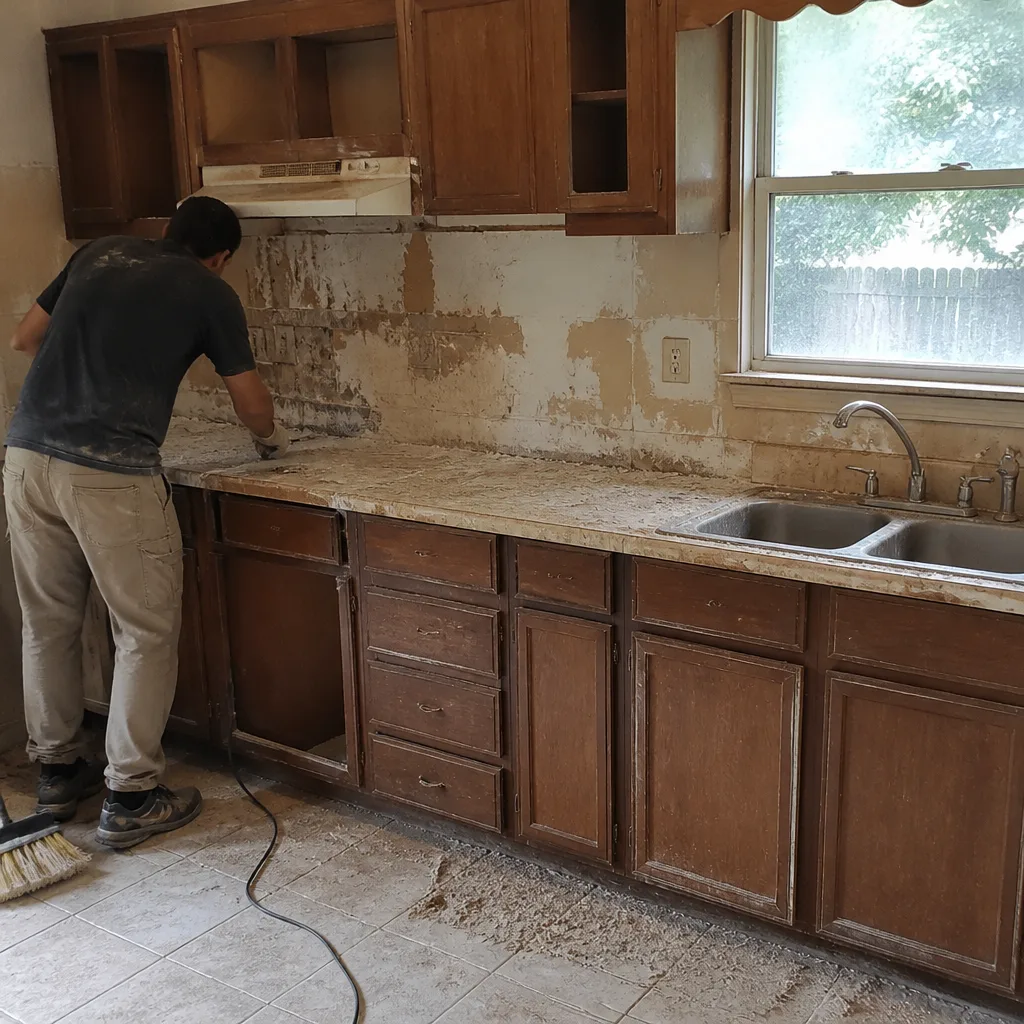 Before
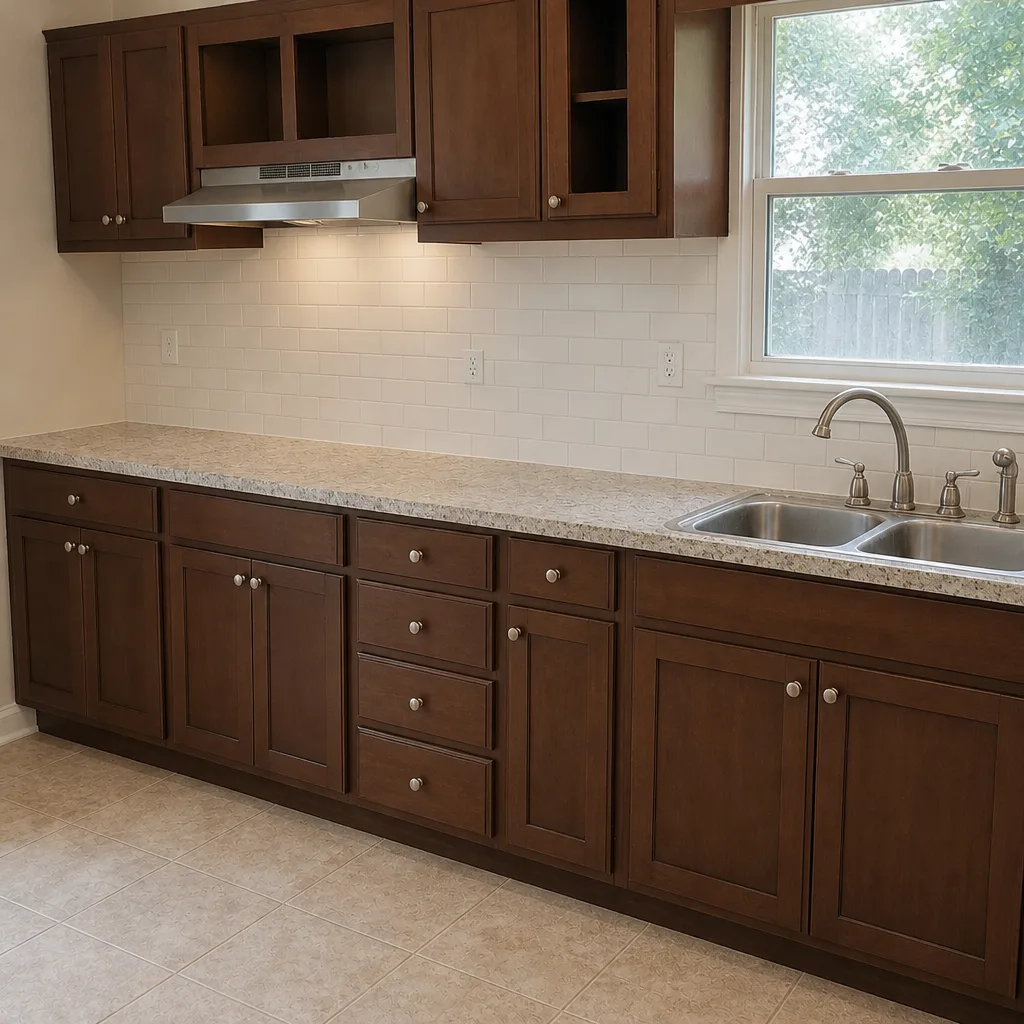 After
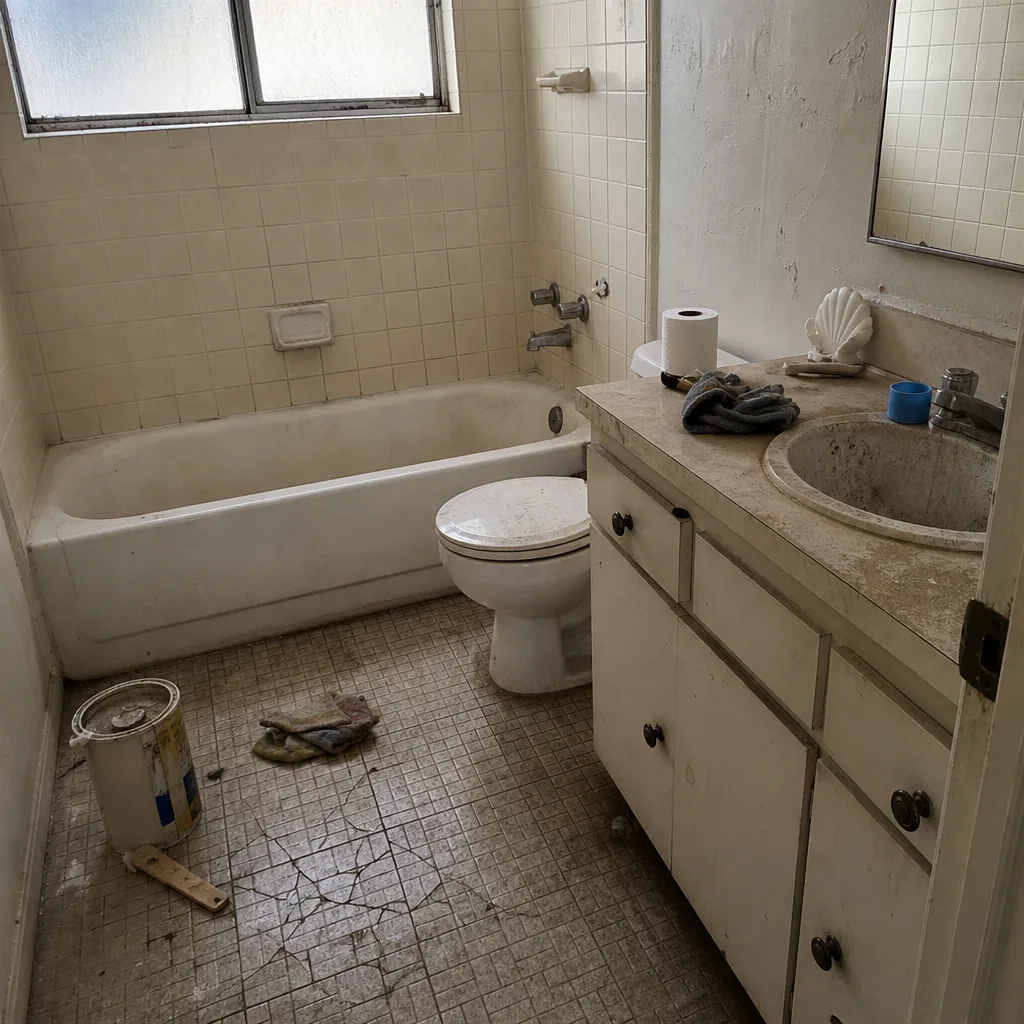 Before
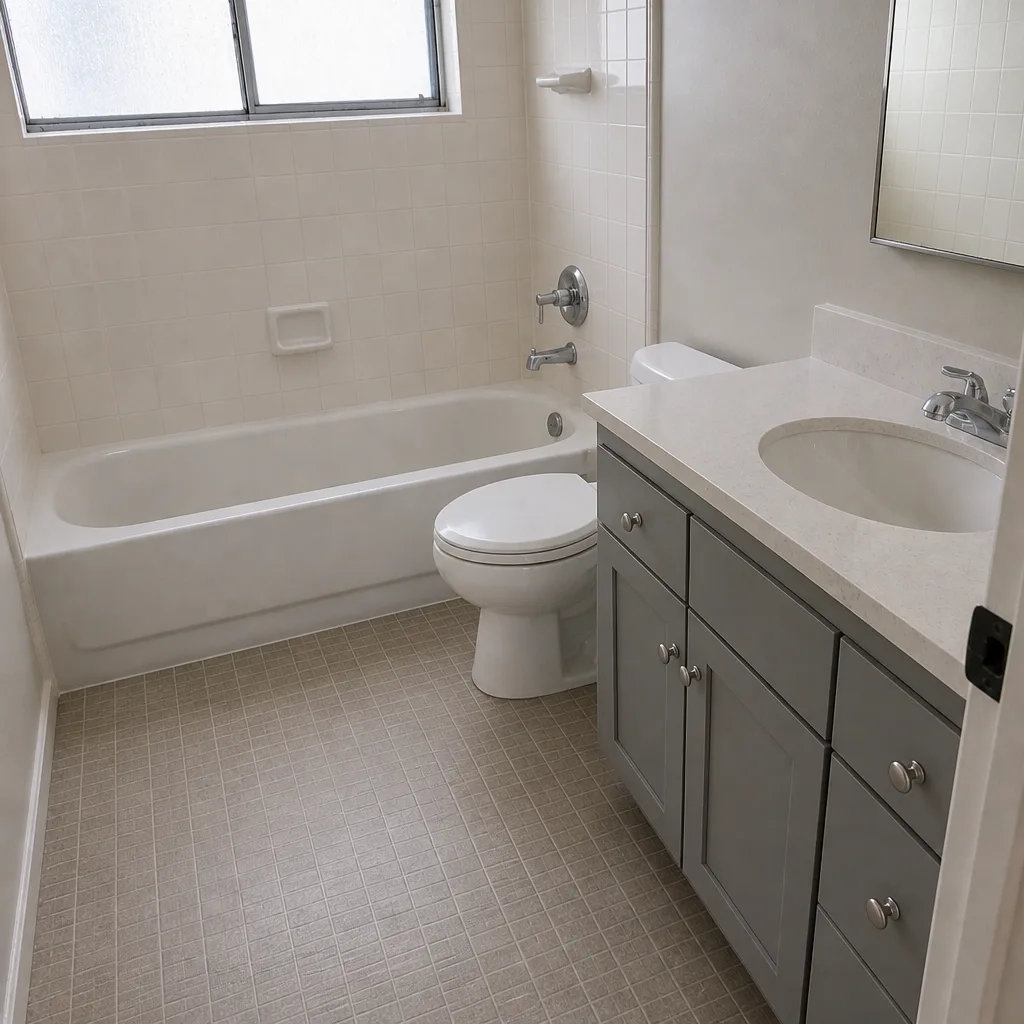 After
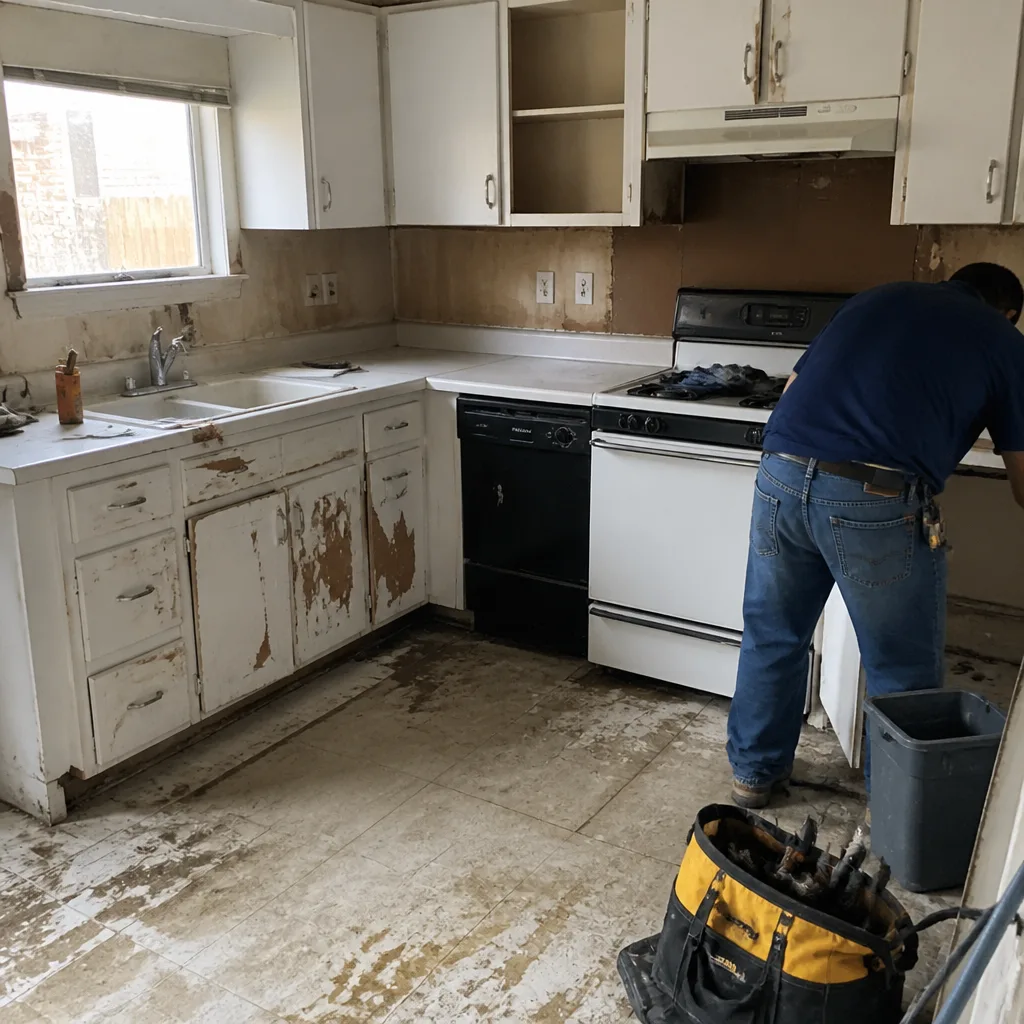 Before
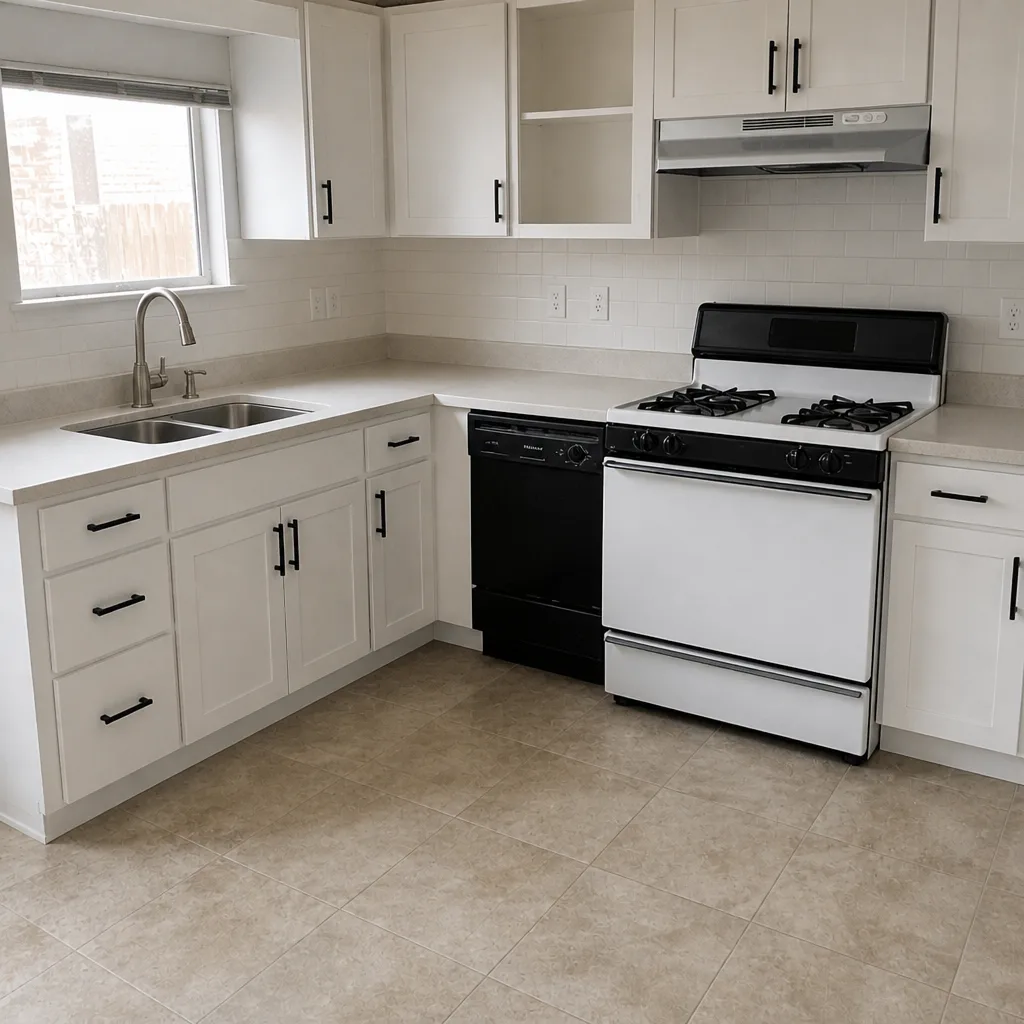 After
When to Call a Professional
We’ve been clear that a lot of this is fixable yourself, so here’s the line. Call a professional when you’ve found water intrusion that’s traveled past the sill; when a door sticks year-round and drags on one corner (foundation check first); when a window is cracked or the frame is warped or the sill feels soft; when a lock won’t secure; or when you’re not sure whether a fogged pane is a glass unit or a full replacement. For safety, anything involving a second-story window, a large opening, or a door that’s the only exit in a room deserves a trained eye – the risk of a fall or a stuck exit is not worth the savings. If your home needs several windows and doors replaced together, or the opening is part of a bigger change, that’s a project, and it’s worth doing right the first time. Barrett & Sons Construction Plano offers free estimates in Plano – call (877) 382-4108.
Frequently Asked Questions

Usually, yes. If the fog is between the panes and the frame is sound, the fix is a replacement insulated glass unit (IGU) – the glass sandwich itself – while the window frame stays in place. It costs significantly less than a full window and it’s the first thing to ask about. Call (877) 382-4108 for a free estimate on whether your Plano home is a candidate.
That’s thermal expansion. Plano’s summer heat causes wood doors and frames to swell slightly, and the door binds against the jamb. If it frees up when the weather cools, it’s seasonal movement and usually not a failure. If it sticks and gets worse each year, or the door starts failing to meet the weatherstripping, that’s when to have it looked at. Call (877) 382-4108 to schedule a look.
Not by itself. A draft around the edges is usually worn weatherstripping, a failed door sweep, or an installation gap – all cheap to fix, in most cases under $30 in materials and an hour of labor. Run the hand test around the perimeter first. If the air is coming through the glass itself, then you’re looking at the seal. Call (877) 382-4108 and we’ll help you sort out which.
Look outside first. If the water shows up after rain and tracks down from the window head, check the caulk joint and flashing above the window. If it appears at the top of the wall or the ceiling, it may be the roof. Water always enters above where it shows up. A professional can trace it in minutes. Free second opinions on written estimates are available – call (877) 382-4108.
Five things: a wide shot of the opening, a close-up of the symptom, the exterior caulk and sill, the makers label with the model number, and a short video of the door or window in operation. That set lets a contractor diagnose accurately instead of guessing – and it makes it hard for anyone to sell you a fix you don’t need. Call (877) 382-4108 when you’re ready.
Both. We diagnose before we prescribe, and we’ll tell you when a repair is the right call and when a replacement is. When replacement is the answer, we install premium brands like Andersen and Marvin, pull the permits, and sign the inspection – and every job is backed by the written 90-Day Done Right Promise. Call (877) 382-4108 for a free estimate.
The Bottom Line
The order of operations is everything. Match the symptom to the cause – draft, fog, stick, leak, or hardware – before you spend a dime. Most of what we see in Plano homes is a weatherstrip, a seal, or an adjustment, not a failed window. Fog between panes usually means an IGU replacement, not a whole window. And a door that sticks only in summer is doing what heat makes it do. Photograph the problem, get an itemized written quote, and ask the one question that separates a diagnosis from a sales pitch: “Can you replace just the glass unit?” That one question is worth more than any brochure. Call (877) 382-4108 to schedule your free estimate.
Written by the team at Barrett & Sons Construction Plano.