Last updated November 18, 2026




Free written scope consultation - allowances, timeline, and change-order rules on paper before a single trade is scheduled
Driveway & Pavers Maintenance Schedule: What to Do and When
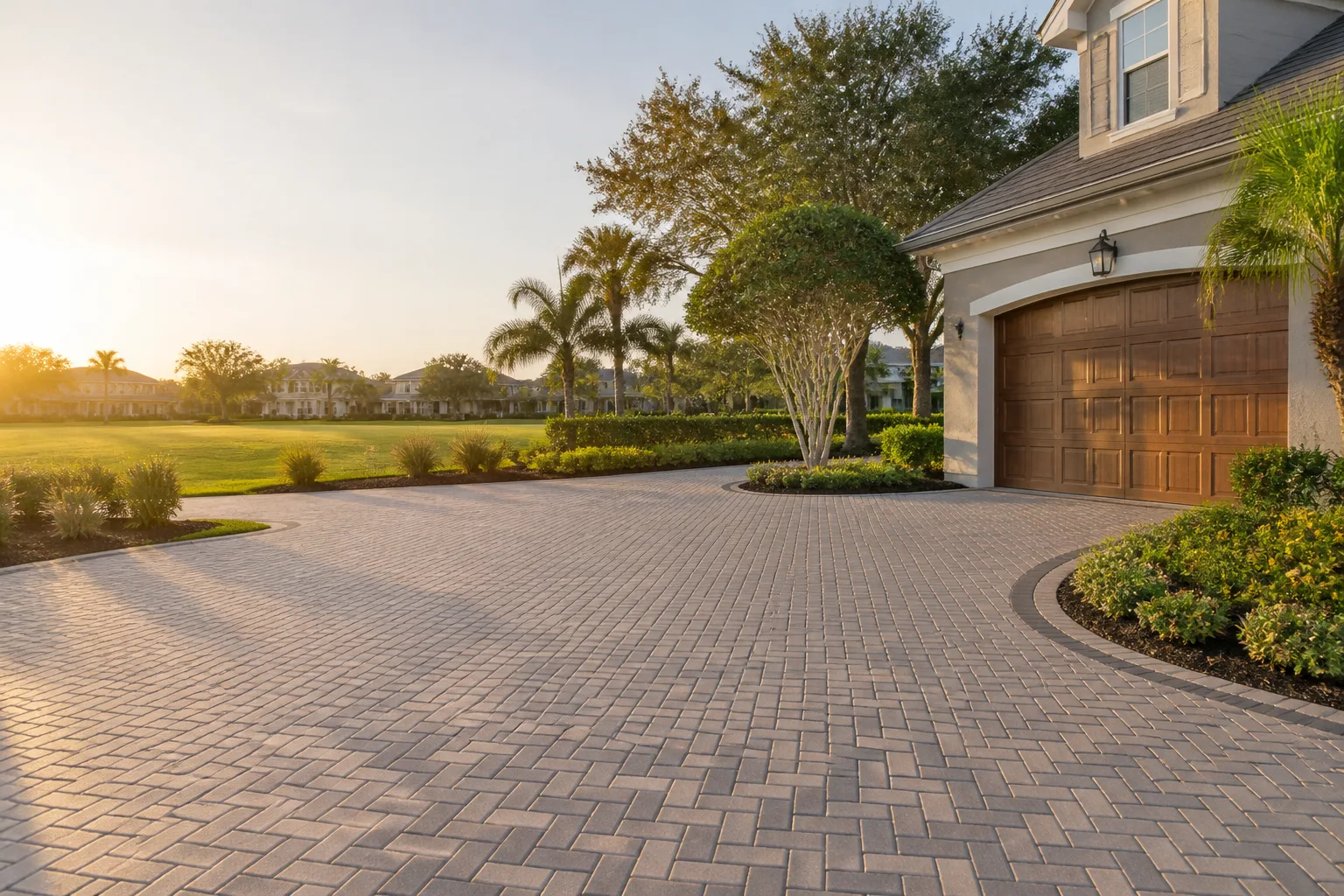
The single most common driveway paver failure in North Texas is completely preventable with one task done every two to three years: re-applying polymeric sand before it fully degrades. Most homeowners don’t do it because nobody told them when, and by the time they notice a problem, water has already undermined the base. In Plano, that window is narrower than the generic spring/fall advice you’ll find online, because our real threats are summer soil shrinkage and fall leaf tannin staining, not snow and ice. This guide lays out a plain month-by-month calendar built for Collin County conditions, so you know exactly what to do and when to do it.
Quick Answer
In Plano, a paver driveway needs joint sand refreshed every two to three years, a full drainage check every spring, sealer only every four to six years with a breathable product, and immediate leaf removal each fall to prevent oak tannin stains. The heaviest work falls in March through May and again in October through November, when temperatures let materials cure correctly and before the summer heat stresses the base.
Styles & brands we work with
- Kitchen remodeling
- Bathroom remodeling
- Home additions & ADU
- Roofing
- Windows & doors
- Driveway & pavers
- Fence
Table of Contents
- Why Plano’s Climate Sets Its Own Maintenance Calendar
- The Month-by-Month Paver Maintenance Calendar
- Joint Sand: The Highest-Leverage Task on Your Driveway
- How to Handle Oak Tannin Staining Before It Sets
- Choosing and Timing a Sealer for a Hot Climate
- The 10-Minute Annual Drainage Check
- Small Repairs You Can Catch Early
- Common Mistakes to Avoid
Why Plano’s Climate Sets Its Own Maintenance Calendar
National paver maintenance guides are written for climates with freeze-thaw cycles and heavy snow. Plano doesn’t work that way. Our soils are expansive clay, and they swell when wet and shrink hard when dry. A stretch of 100-degree days in July and August pulls moisture out of that clay, and the ground under your driveway moves. When the fall rains arrive, it swells again. That constant movement is what opens joints, tilts individual pavers, and eventually lets water reach the base course.
The second local factor is our tree canopy. Plano’s established neighborhoods are full of post oak and live oak, and those leaves carry tannins that stain concrete pavers a deep brown when they sit wet against the surface. A pile of leaves left over a damp weekend can leave a mark that lasts for years. We’ve seen it on driveways in Willow Bend and Deerfield where a single fall went unraked.
So the calendar here is built around two real events: summer soil shrinkage and fall leaf drop. Everything else is scheduled to get ahead of those two. If you want the fuller picture of how we build and repair paver systems, our Driveway & Pavers in Plano page covers materials, base prep, and the Belgard and Techo-Bloc lines we install.
The Month-by-Month Paver Maintenance Calendar
Here’s the plain schedule. Treat it as a checklist you revisit through the year, not a rigid rulebook. Weather shifts the timing by a couple of weeks, but the sequence holds.
- January: Walk the driveway after a rain and note any low spots where water pools. Mark them with chalk. Cold weather is a good time for observing drainage without doing repairs.
- February: Clear winter debris from expansion joints and the edge restraints. Check the joint between the driveway and the garage apron for gaps.
- March: Do your annual drainage check (details below). This is the month to catch base problems before the summer stress test.
- April: Refresh polymeric sand in any joints that have dropped below the paver surface. Spring is the ideal curing window.
- May: If you’re on a four-to-six-year sealer cycle and it’s time, seal now, before the heat. Do not seal in July or August.
- June through August: Light upkeep only. Sweep, pull weeds from joints, and watch for settling. Avoid heavy work in peak heat.
- September: Pre-emptive leaf patrol begins. Rake or blow leaves off the driveway weekly as they start to fall.
- October and November: Peak leaf season. Remove leaves promptly and treat any tannin stains that appear. Touch up joint sand if needed.
- December: Final walk-through. Note any loose pavers, efflorescence, or new cracks for spring repair.
That’s the whole year in one list. The two months that matter most are April and October, and if you only do two things all year, make it joint sand in spring and leaf removal in fall.
Joint Sand: The Highest-Leverage Task on Your Driveway
Polymeric sand is the material packed into the joints between pavers. It locks the pavers together, keeps them from shifting, and blocks water from running straight down into the base. When it degrades, all three of those jobs fail at once. That’s why re-sanding is the single highest-leverage maintenance task you can do, and it’s the one most Plano homeowners skip because nobody told them the timing.
In our climate, polymeric sand typically lasts two to three years before it needs refreshing. The summer shrinkage cycle accelerates the breakdown. Here’s how to tell it’s time:
- Joints are visibly lower than the paver surface, more than a quarter inch in places.
- Sand washes out or blows away after a rain.
- Pavers feel loose or rock slightly underfoot.
- Weeds are finding footholds in the joints.
When you re-sand, do it in spring or early fall when temperatures are moderate and rain isn’t imminent. The joints need to be dry and clean before new sand goes in, and the sand needs a proper watering to activate and cure. Done right, it resets the clock for another two to three years. Done wrong, it washes out in the first heavy rain.
If your joints are already full of weeds and the sand is gone entirely, the base may need attention too. That’s a repair, not routine maintenance, and it’s worth a professional look before you spend a weekend on it.
How to Handle Oak Tannin Staining Before It Sets
Tannin staining is the most common stain source in Plano neighborhoods, and it comes almost entirely from post oak and live oak leaves. When those leaves sit wet against concrete pavers, the tannins leach into the surface. A fresh stain is brown and obvious. A stain that’s had a season to cure can look almost like a shadow and be far harder to remove.
The treatment is timing, not chemistry. Here’s the approach:
- Remove leaves weekly during October and November. Don’t let them pile up, and don’t let them sit through a rainstorm.
- Treat fresh stains immediately. A mild oxygen bleach solution and a stiff brush handles most new tannin marks on concrete pavers. Rinse thoroughly.
- Avoid pressure washing at high pressure. It drives the stain deeper and damages the paver surface. Use low pressure if you use a washer at all.
- For set stains, call in a professional. A penetrating stain that’s been through a full season usually needs a targeted cleaner and possibly a re-seal afterward.
The good news: concrete pavers resist tannin staining better than most surfaces, and a well-maintained sealer adds another layer of protection. The bad news: no sealer is permanent, and a leaf pile left wet for two weeks will beat most of them. Rake first, treat second, seal last.
Choosing and Timing a Sealer for a Hot Climate
Sealer is the task homeowners overdo. In a hot climate like Plano’s, over-sealing causes as many problems as under-sealing. A heavy film-forming sealer traps moisture in the pavers and the base, and when the summer heat hits, that trapped moisture has nowhere to go. You get efflorescence (the white chalky haze), spalling, and a cloudy finish that never clears.
Here’s what to look for and when to apply it:
- Use a breathable, penetrating sealer, not a film-former. Penetrating sealers soak in and let moisture vapor escape. That’s what a hot climate needs.
- Apply every four to six years, not annually. More often than that is usually wasted money and added risk.
- Apply in spring or early fall. Surface temperatures need to be moderate and rain-free for at least 24 hours. Never seal in July or August.
- Don’t seal new pavers immediately. Give them a full season to settle and cure first.
If your driveway is showing white haze, that’s efflorescence and it’s a sign of trapped moisture, not a dirty surface. Sealing over it makes it worse. It has to be treated and dried out first. This is the kind of thing we see every spring in Plano, and it’s almost always the result of sealing too often or too hot.
The 10-Minute Annual Drainage Check
Base failure is expensive. A drainage check that takes ten minutes every March catches the cause before it becomes the cost. Do this after a steady rain, when water has had time to pool and you can see where it goes.
- Walk the perimeter. Watch where water runs off the driveway edges. It should flow toward a drain, a swale, or the street, not toward the house or the garage.
- Look for pooling. Any spot where water stands for more than an hour after rain is a low point that will undermine the base over time.
- Check the garage apron. Water should drain away from the garage door, not toward it. A reverse slope here is a serious problem.
- Inspect the joints after the rain. New sand loss somewhere on the driveway usually means water is channeling through that section.
- Check the paver-to-foundation line. Gaps here let water into the slab or crawlspace. They should be sealed.
A low spot or reverse slope isn’t a maintenance item, it’s a repair. If you find one, get it looked at before the summer shrinkage makes it worse. We cover how base and grading get handled on the same Driveway & Pavers page linked above, and it’s worth reading if your driveway is more than ten years old.
Small Repairs You Can Catch Early
Most paver driveway repairs start small and get expensive because they’re ignored. These are the early warning signs worth acting on:
- A single rocking paver. One loose paver means the bedding under it has shifted. Left alone, the pavers around it loosen too.
- Efflorescence returning after cleaning. White haze that comes back is a moisture problem, not a cleaning problem.
- A widening joint along the edge restraint. The edge keeps the whole field from spreading. If it’s pulling away, the driveway is starting to move.
- New cracks at the garage apron. Usually a drainage issue under the surface.
- Sunken pavers near a downspout. Water concentrated in one spot erodes the base quickly.
Any of these caught early is a small, targeted repair. Left a season or two, they become a base rebuild. If your driveway is paired with fencing or a gate along the edge, our Fence Installation in Plano page covers how posts and restraints get set so water doesn’t channel behind them.
Common Mistakes to Avoid
- Sealing every year. Annual sealing is the fastest way to trap moisture and cause efflorescence. Four to six years is the right cycle for a breathable penetrating sealer in Plano.
- Pressure washing at high pressure. It strips joint sand, damages the paver surface, and drives tannin stains deeper. Low pressure only, and only when needed.
- Letting fall leaves sit through rain. Two wet weeks is all it takes to set an oak tannin stain that lasts years. Rake weekly in October and November.
- Refilling joints with regular sand. Play sand and mason sand wash out in the first heavy rain. Polymeric sand is what holds, and it’s worth the difference.
- Sealing in July or August. The heat cures the sealer too fast, traps moisture, and leaves a cloudy finish. Spring or early fall only.
- Ignoring a single rocking paver. One loose paver is the first sign the base is shifting. It spreads if you wait.
- Skipping the spring drainage check. It takes ten minutes and catches base problems before they become repairs. It’s the highest-value ten minutes of the year.
See the difference
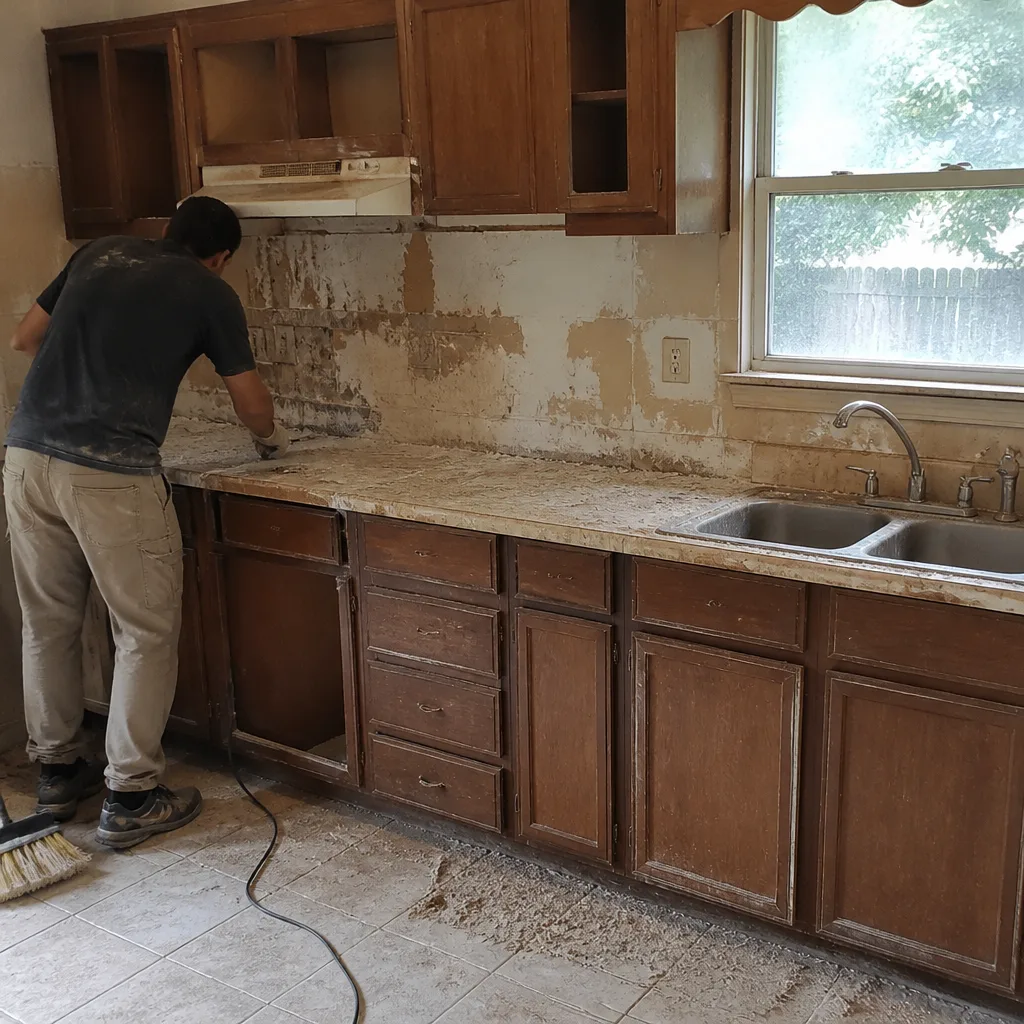 Before
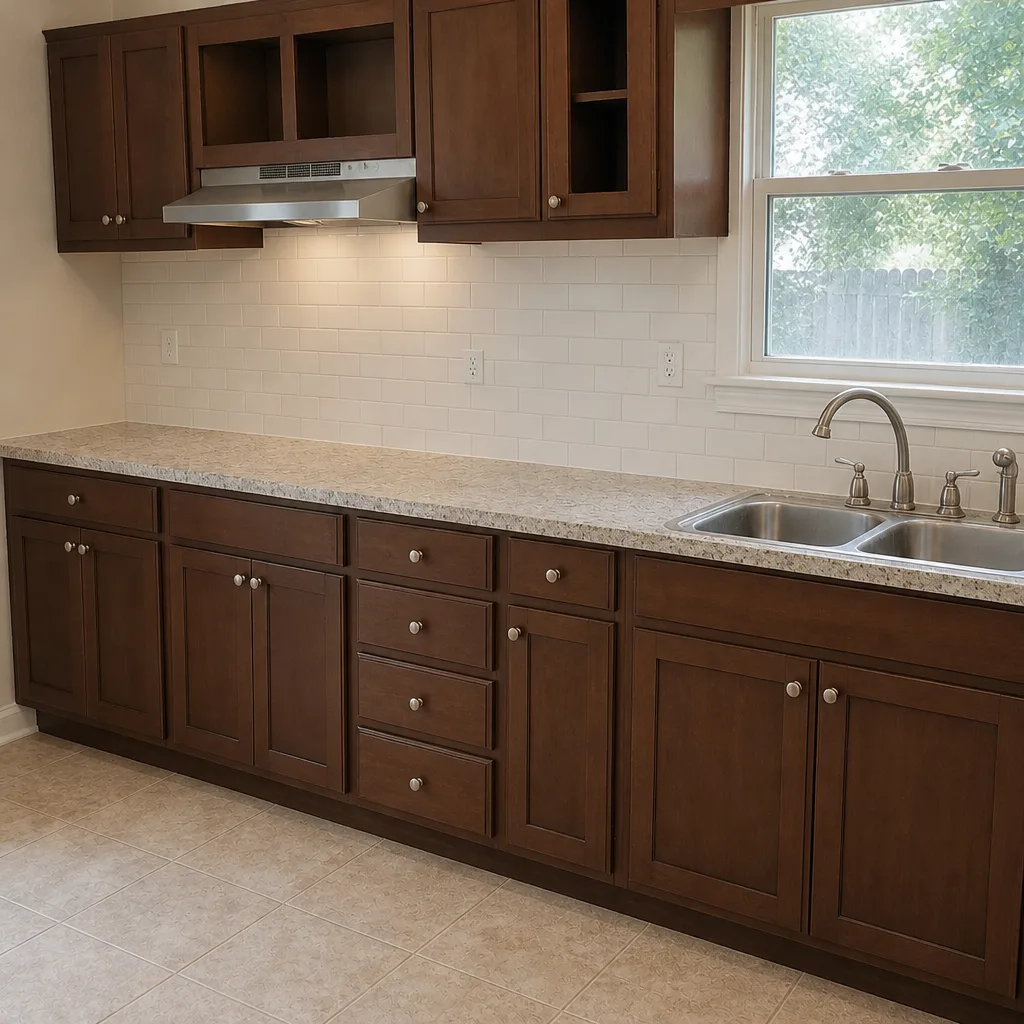 After
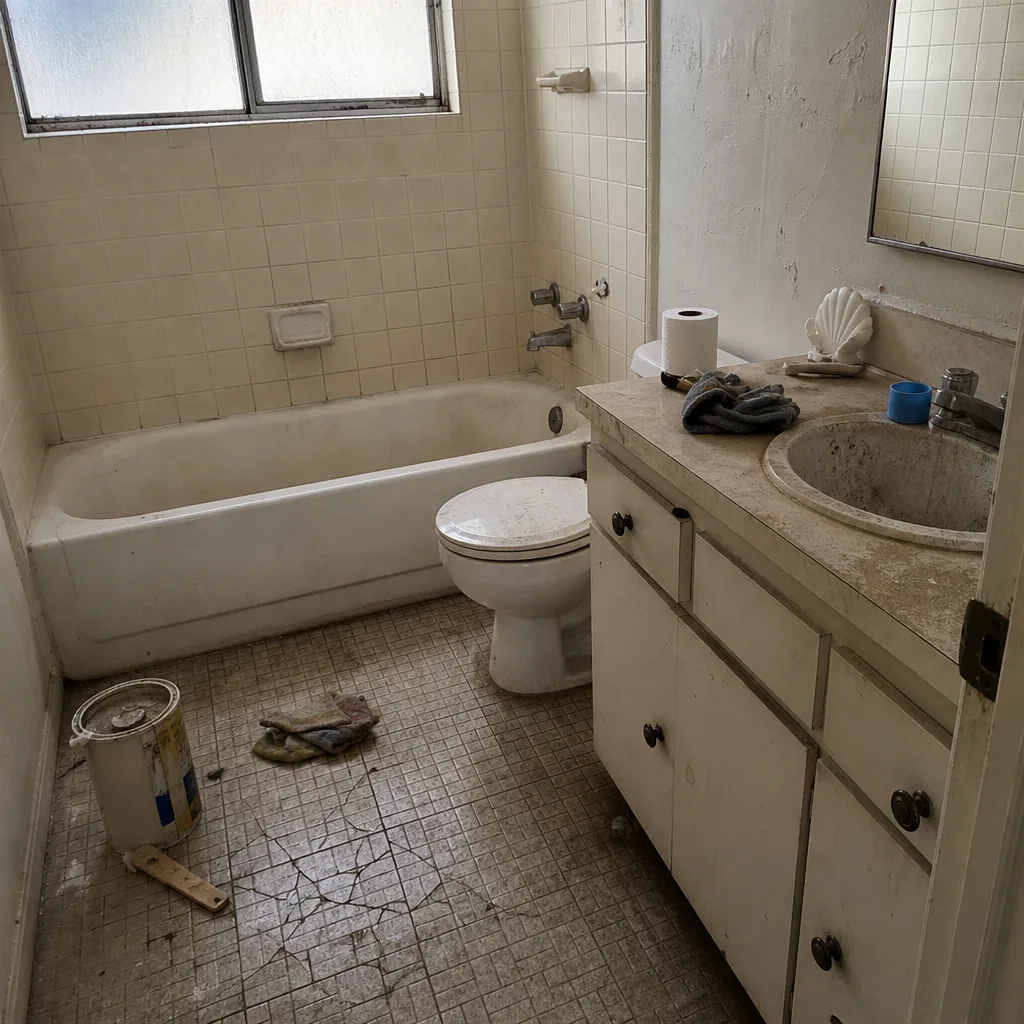 Before
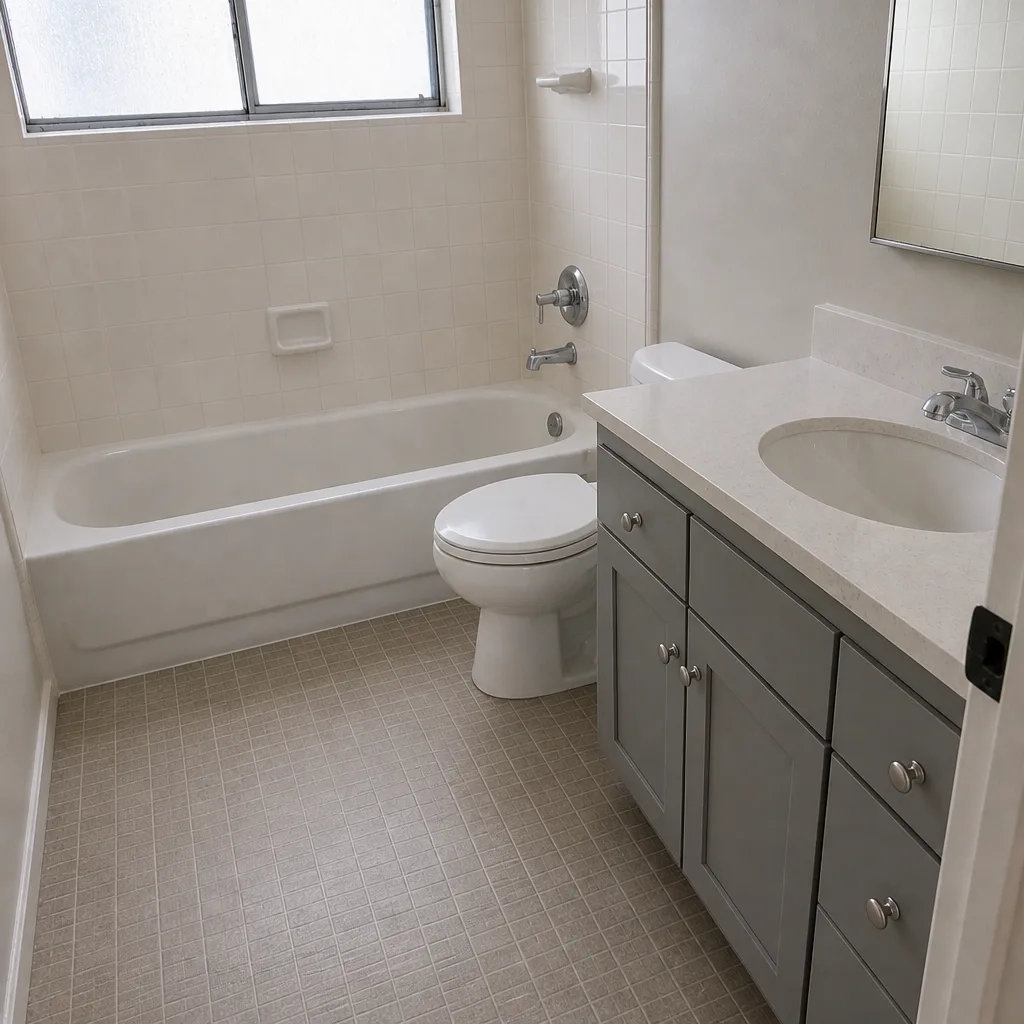 After
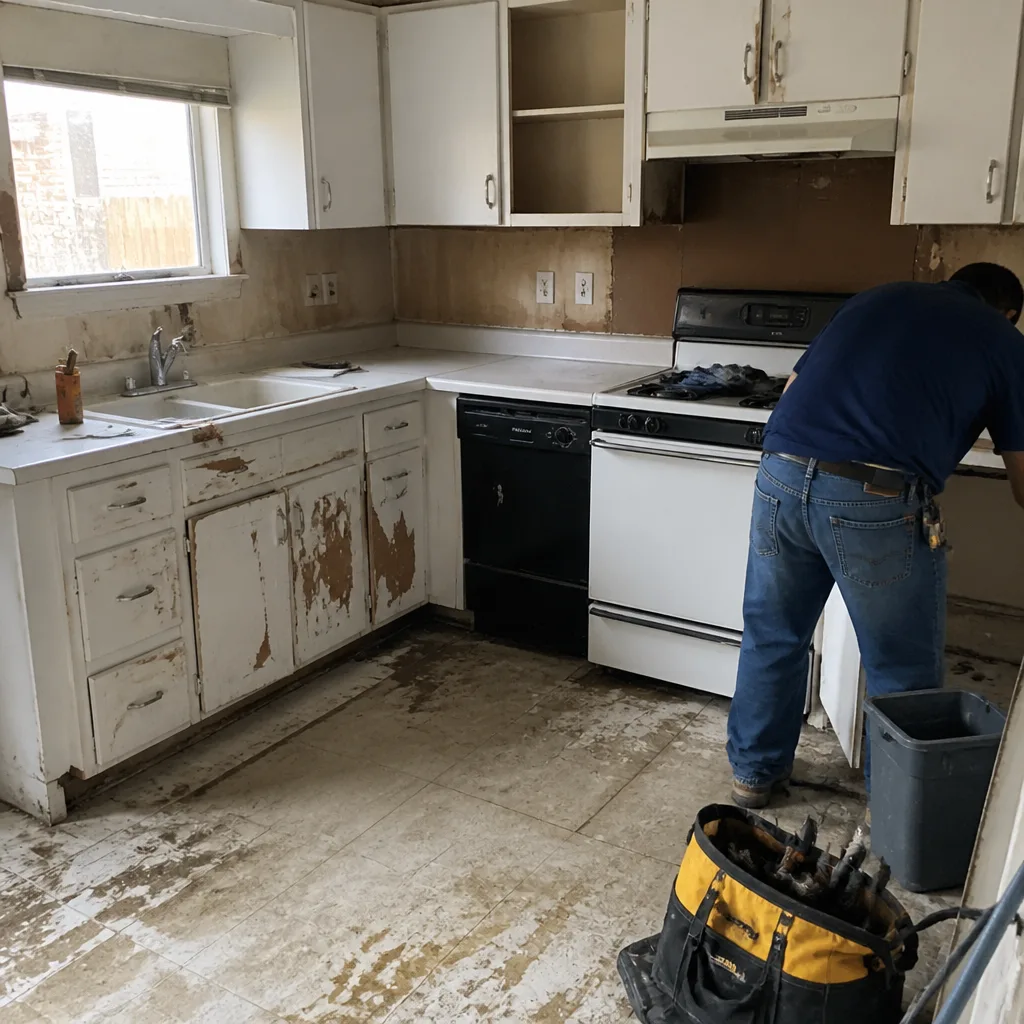 Before
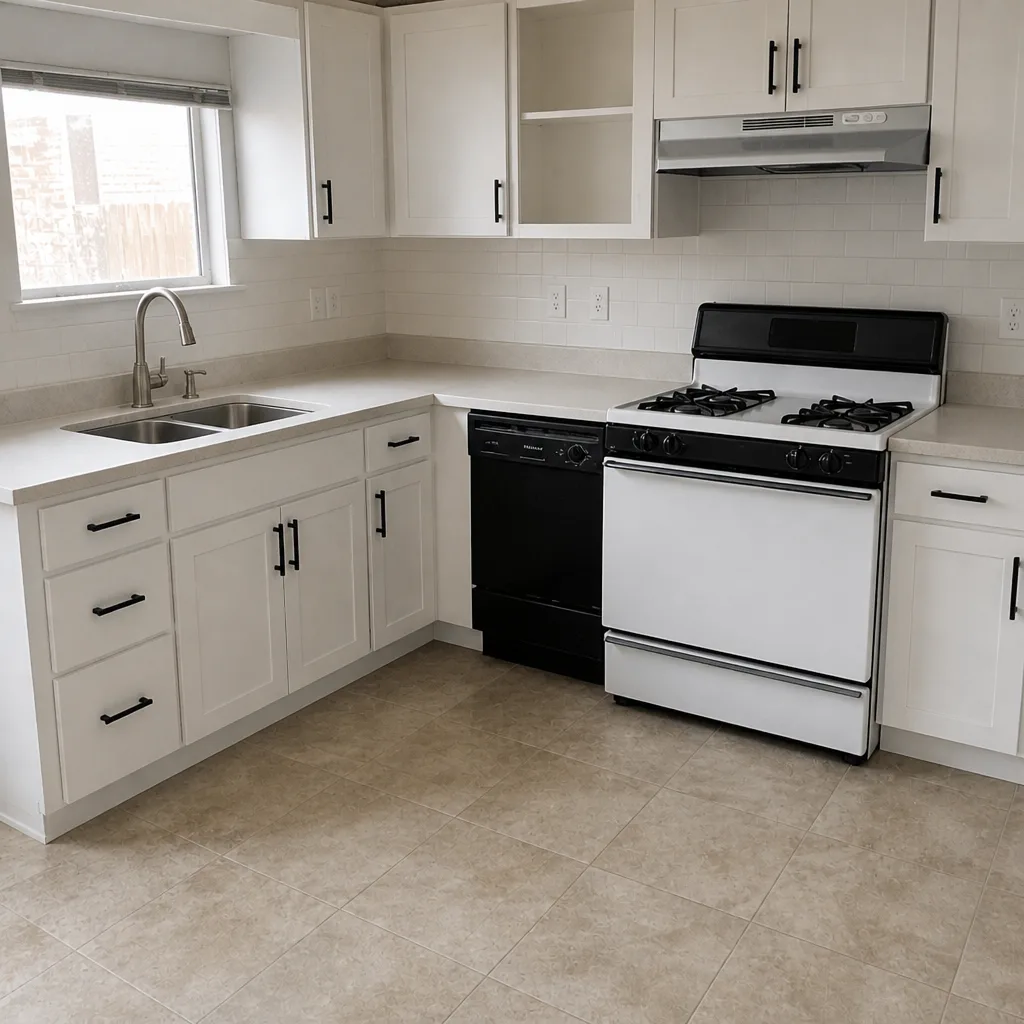 After
When to Call a Professional
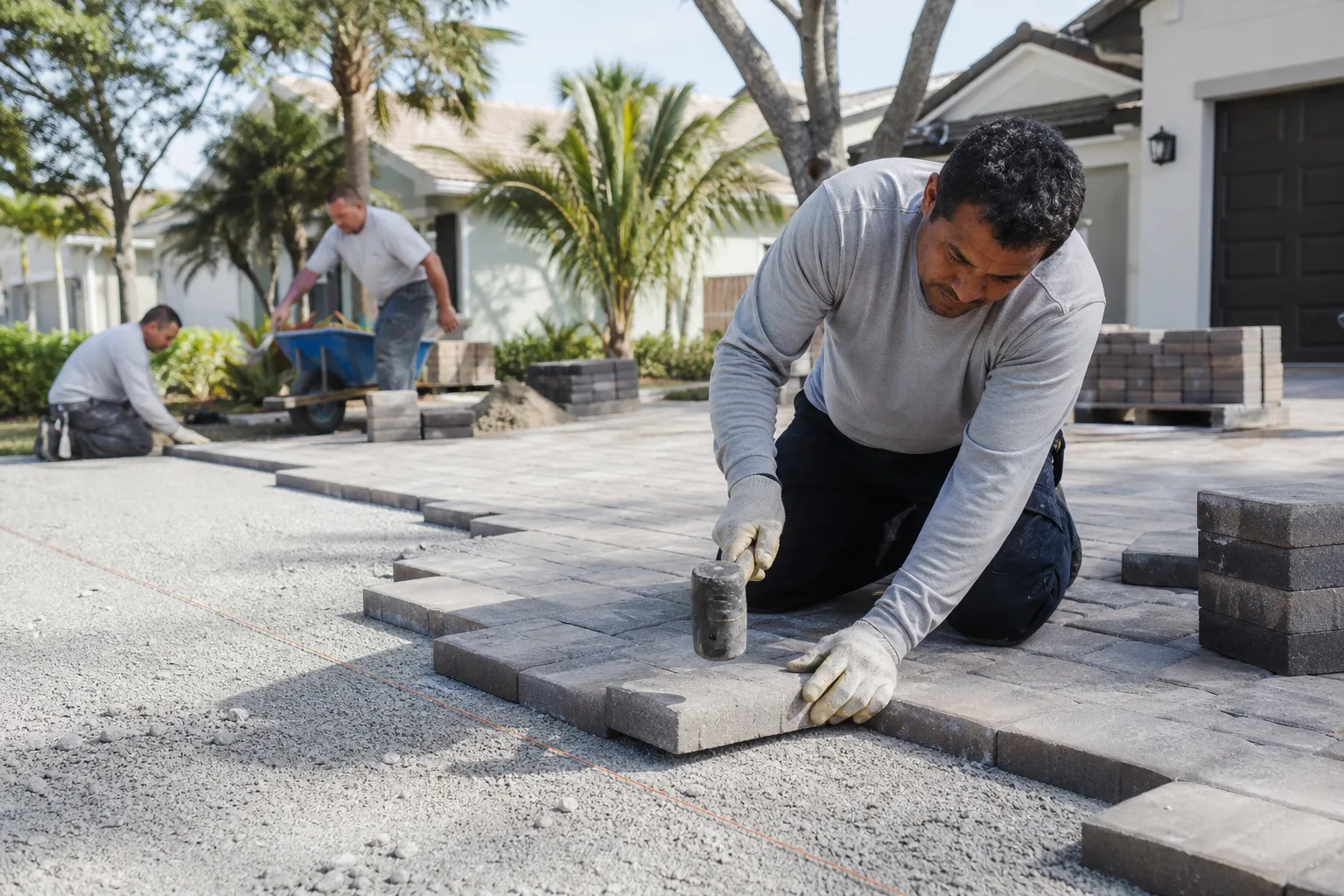
Some of this work is genuinely a weekend job. Re-sanding joints, raking leaves, and the spring drainage walk are things most homeowners can handle. But call a professional when you find a sunken section, a reverse slope toward the garage, a widening edge joint, or efflorescence that keeps returning after cleaning. Those are base and drainage problems, and they don’t fix themselves with another bag of sand. The same goes for any repair that involves lifting pavers to reach the base underneath.
Barrett & Sons Construction Plano offers free estimates in Plano. We pull permits where they’re required, put the scope and any change in writing before work starts, and back every job with our written 90-Day Done Right Promise. Call (877) 382-4108 to schedule your free estimate, or look up the license yourself before you sign anything with anyone. If your plans run beyond the driveway to a garage apartment or an addition, our Home Additions & ADU in Plano page covers how we approach foundations and site work around existing hardscape.
Frequently Asked Questions
Every two to three years in Plano, because the summer clay shrinkage cycle breaks down the sand faster than in milder climates. Watch for joints that drop below the paver surface, sand washing out after rain, and weeds finding footholds. When you see those signs, re-sand in spring or early fall. Call (877) 382-4108 for a free estimate if the joints are badly degraded and the base may have shifted.
Sealing is optional but helps, as long as you use a breathable penetrating sealer every four to six years and never in July or August. Over-sealing is the bigger risk in a hot climate because it traps moisture and causes efflorescence. If your pavers are already showing white haze, don’t seal over it. Call (877) 382-4108 and we’ll take a look before you spend money on a product that makes it worse.
Oak tannin staining, almost always from post oak or live oak leaves that sat wet against the pavers. Treat fresh stains right away with a mild oxygen bleach solution and a stiff brush. Set stains need a targeted cleaner. The prevention is weekly leaf removal in October and November. Call (877) 382-4108 if a stain has had a full season to cure and you can’t lift it.
Only at low pressure, and only when needed. High pressure strips the joint sand and drives stains deeper. If your driveway needs a deep clean, a targeted cleaner and a soft wash are safer than a pressure washer. Call (877) 382-4108 if you want a professional assessment before cleaning.
March through May, and again in October through November. Those windows let materials cure correctly and keep you out of the peak summer heat, when sealing is a bad idea and the clay is at its most stressed. Planned paver repairs get scheduled in those windows, not squeezed into a single visit. Call (877) 382-4108 to get on the spring list.
Look for a sunken section, a paver that rocks underfoot, a widening joint along the edge restraint, or efflorescence that keeps returning after cleaning. Those are signs the base has shifted or water is channeling underneath. It’s worth a professional look. Call (877) 382-4108 for a free estimate before a small base repair turns into a rebuild.
The Bottom Line

The Plano paver maintenance calendar comes down to two anchors: refresh joint sand every two to three years, and stay ahead of oak leaves every fall. Around those, do a spring drainage check, seal only every four to six years with a breathable product, and watch for the early warning signs of base movement. None of it is hard, but it has to happen on a schedule tied to our clay soil and oak canopy, not a generic national template. If you want help getting on that schedule, or you’ve found a sign that needs a closer look, start with a free estimate. See what we do across the rest of the property on our Barrett & Sons Construction Plano home page, then call (877) 382-4108. We answer the phone with a live person, day or night.
Written by the team at Barrett & Sons Construction Plano.