Last updated November 18, 2026





Free written scope consultation - allowances, timeline, and change-order rules on paper before a single trade is scheduled
DIY vs Professional Windows & Doors: What’s Safe to Do Yourself
Installing a window yourself in Texas without a permit doesn’t just risk a fine. It can void the part of your homeowner’s insurance that covers water damage, which is the exact thing a window is supposed to prevent. That single fact trips up more Plano homeowners than any other part of this decision, and it’s not the one people worry about. They worry about the trim, the caulk line, the neighbor who did his own and made it look easy. The trim you can handle. This guide draws the line between what’s genuinely a Saturday project and what isn’t, without talking down to anyone who’s handy and cautious.
Quick Answer
Hardware, weatherstripping, interior casing and screen repair are safe to do yourself. Any full unit replacement, anything that touches a load-bearing opening, and anything that triggers a Plano permit belongs with a licensed crew. The dividing line is whether you’re changing what the opening is, or just refreshing what hangs on it.
Styles & brands we work with
- Kitchen remodeling
- Bathroom remodeling
- Home additions & ADU
- Roofing
- Windows & doors
- Driveway & pavers
- Fence
Table of Contents
- The Jobs That Are Genuinely Yours to Do
- What Triggers a Permit for Window and Door Work in Plano
- The Structural Question: Is a Header Involved?
- Why a DIY Install on a Great Window Can Underperform
- Doors Are Their Own Animal
- How to Vet a Window and Door Contractor in Texas
- Common Mistakes to Avoid
- When to Call a Professional
The Jobs That Are Genuinely Yours to Do
We’re not going to pretend every window task is dangerous so you’ll hire us. Plenty of it isn’t, and a homeowner with a steady hand and a free afternoon should keep the money in the bank. Here’s the honest breakdown, with the skill level each one actually demands.
Locksets, handles and operators: beginner
A door that won’t latch right or a crank that’s stopped turning is usually the mechanism, not the unit. You need a screwdriver, the model number off the existing hardware, and twenty minutes. Bring the old piece to the hardware store if you’re unsure what to match. West Plano and the older blocks near downtown have plenty of doors from the 1980s and 1990s where the lock has simply worn out. That’s a swap, not a replacement.
Weatherstripping and sweeps: beginner
This is the single best DIY return on a few dollars. Felt or foam weatherstrip along the jambs and a fresh door sweep at the bottom stop the whistling draft and keep rain from wicking in. It takes an hour and doesn’t touch the frame. In our experience, most draft complaints in Plano homes start here, not with the glass.
Interior casing and trim: intermediate
If the trim around your window is scuffed, dated, or was mitered badly by whoever came before, replacing it is well within reach. You’ll need a miter saw, a nail set, and patience with the corners. It’s finish work, not structural work. It doesn’t change the rough opening and doesn’t affect the seal behind the frame.
Screen repair and replacement: beginner
Spline and a new mesh are cheap, and the skill curve is short. Pull the old spline, roll in the new mesh with a screen tool, and you’re done. Storm damage in the spring makes this the most common repair we hear about, and it’s also the one homeowners handle themselves most often. No harm in it.
Caulking around an existing frame: beginner
The exterior bead around a window or door is maintenance, and it needs refreshing every few years in Texas sun. Scrape the old bead, clean the surface, and run a fresh line of exterior-rated sealant. Do it in the fall and spring when the temperature is moderate, not in the middle of a July afternoon when the caulk skins up before you can tool it.
Notice what’s not on that list: swapping a full unit. That’s where the conversation changes.
What Triggers a Permit for Window and Door Work in Plano
In Plano, replacing a window or door in the same rough opening is generally treated as a repair and doesn’t require a permit. Changing the size of the opening, cutting a new opening in an existing wall, or altering anything structural does. That distinction matters more than most homeowners realize, and it’s not just about passing inspection.
Why the permit protects you, not just the city
The permit inspector works for you. That’s the way we see it. He checks the flashing, the framing, the header, and the attachment before the drywall goes back. He catches what a homeowner can’t see once the wall is closed up. If something fails there, you don’t get a postcard three years later when water’s already inside the wall. You get an answer before the trim goes on.
Why it also protects your insurance
This is the part almost nobody talks about. When you file a water damage claim that traces back to a window or door, the adjuster looks at who did the work and whether it was permitted. An unpermitted structural change is a clean reason to deny. That’s not a scare tactic. It’s how claims get handled. A few hundred dollars of permit fee can mean the difference between a covered claim and a very bad week.
What to check before you touch anything
- Is the new unit going into the existing rough opening, or is the opening changing? Changing means permits.
- Does the wall carrying the unit sit on a slab edge, an exterior corner, or a second story? Higher risk means a closer look.
- Has a previous owner already modified this opening without documentation? It happens in Plano homes from the 70s and 80s more than you’d expect.
- Are there multiple units in a row on the same wall? That’s the pattern that reveals whether you’re dealing with a repair or a structural project.
If any answer raises a question, stop and get it looked at before the saw comes out. That call is cheaper than backing out of a bad decision.
The Structural Question: Is a Header Involved?
A header is the beam that carries the load above a window or door opening. It’s buried in the wall, invisible, and doing the most important job in the entire assembly. If you’re replacing a window into the same opening with the same header, you’re fine. If you’re enlarging, moving, or cutting a new opening, the header is involved, and that changes everything about the project.
How to tell if a header is in play
- Same unit, same opening: the header stays untouched. This is the common case.
- Enlarging the opening: the header has to be resized, and often the framing above and beside it has to be rebuilt. That’s structural.
- Adding a new opening to a wall that didn’t have one: you’re cutting into a wall that’s currently carrying load. That’s structural.
- Converting a window to a door: the sill has to come out and the load path has to be reengineered. That’s structural, and it’s a permit in Plano every time.
Why this isn’t a DIY-adjacent task
The header isn’t just a beam. It’s a system: the jack studs, the king studs, the cripples above, and the footprint all work together. Get it wrong and the failure mode isn’t a sag you notice next week. It’s a slow, invisible shift that shows up as cracks two rooms away three winters later. By the time it’s visible, you’re looking at the kind of repair that turns a simple window into a whole-wall project.
This is one of those places where we tell a homeowner plainly: not yours to do. It’s not about pride or protectionism. It’s that this particular job doesn’t fail gracefully.
Why a DIY Install on a Great Window Can Underperform
Here’s a fact worth sitting with. A top-tier window installed poorly will leak more air than a mid-grade window installed right. The glass matters, but the install is the membrane. The gap between the two is where homeowners lose money without ever knowing it.
What a professional install gets right that a DIY install often misses
- Flashing sequence: water has to shed outward at every layer. Get the order wrong and the window trap sits behind the siding instead of in front of it.
- Sill pan and slope: the bottom of the opening needs a slight pitch and a pan. Skip it and every hard rain puts water behind the trim.
- Shimming: a unit that isn’t level and square binds in the frame, which stresses the glass and kills the seal.
- Air sealing at the rough opening: the gap between the frame and the studs is where most air moves. It has to be filled correctly, not just caulked.
- Insulation contact: in Texas, the interior gap needs proper insulation or you get condensation on the frame in winter and a colder glass job than you paid for.
- Exterior integration: brick, stone, and fiber cement all get a different water management detail. Plano has plenty of each, and the details don’t interchange.
The quality gap isn’t mysterious. It’s knowing which of these details matters on which wall and getting every one of them right on the first pass. A good window is a good window. A good install is a good seal. You need both.
Doors Are Their Own Animal
Doors carry more weight than windows and take more abuse. A front door is structural, weatherproof, security-critical, and load-bearing all at once. A patio door is the largest moving assembly in most Plano homes. That’s why the DIY-safe list for doors is even shorter than for windows.
What a homeowner can safely handle on a door
- Lockset and deadbolt replacement, including re-keying.
- Door sweep and weatherstripping.
- Hinge tightening and lubrication.
- Strike plate adjustment to fix a door that won’t latch.
- Patching and repainting the door slab itself.
What belongs with a crew
- Replacing the door slab into an existing frame, if it’s a pre-hung unit and the frame is square.
- Replacing the entire door and frame assembly.
- Any patio or sliding door replacement.
- Any alteration of the door opening by width, height, or swing direction.
- Any exterior door where flashing or water management is in question.
Fiberglass and steel entry doors hold up in Texas heat, and brands like Therma-Tru have earned their reputation on that durability. But the door isn’t the whole job. The threshold, the flashing, the pan, the frame attachment, and the weather seal are all part of the install. Skip any one of those and the door works for the first two summers and then starts to tell you about it.
How to Vet a Window and Door Contractor in Texas
Window and door work attracts more than its share of hard sells. You’ve probably gotten a knock on the door from a stranger with a clipboard offering a “free inspection,” or sat through a two-hour pitch that ends in a “sign today” price. Here’s how to tell a contractor from a closer.
The questions to ask
- Will you pull the permit for anything that touches the opening, header, or framing? Get a yes in writing.
- Are you insured and bonded? Ask for the certificate, not a verbal yes.
- What happens if the price changes once work starts? The answer should be “a written change order before anything moves.”
- Which brands are you installing, and can you show me the model? Materials you can look up beat mystery units off a van.
- What’s your workmanship warranty, and what does a callback require of me? You should hear “one call,” not a phone tree.
The red flags that are specific to this trade in Texas
- A price that’s dramatically lower than the others. Texas window work has a real cost floor. Anyone beating it consistently is cutting somewhere.
- No permit offered even on a full-unit replacement where size is changing. That’s not “efficient,” that’s exposure you carry later.
- Pressure to sign the same day. A legitimate estimate doesn’t expire at sunset.
- An estimate that doesn’t itemize. If you can’t tell what’s glass, what’s labor, and what’s trim, you can’t compare bids.
- Warranty language that excludes installation. The unit’s warranty doesn’t cover the install, and the install is where most failures start.
We publish our name, our address, and our license number, and we say plainly: look it up before you sign anything. If a contractor won’t hand you that same information, that’s your answer.
Common Mistakes to Avoid
- Assuming the window is the only thing that matters. A great unit behind a sloppy install leaks. An average unit behind a careful install performs. The install is where the sealed envelope lives.
- Skipping the permit to save a few hundred dollars. Plano’s permitting is straightforward and the fee is small compared to the insurance exposure of an unpermitted structural change. Not worth the trade.
- Caulking over a leak instead of finding it. A bead of sealant hides the symptom for a season, then the rot starts inside the wall. If water is getting in, the entry point has to be found before anything gets penciled over.
- Buying the cheapest hardware on the shelf. Weatherstripping that flakes apart in Texas heat gets replaced every year. The mid-grade version lasts five.
- Ordering a replacement unit before checking the rough opening. In Plano homes from the 1980s, we regularly find openings that aren’t square after remodels or settling. Measure twice, and then have someone else measure.
- Replacing one window when the whole wall has failed. If trim and drywall around a single window are soft, the problem may not be that window. It might be the flashing above the whole run.
- Getting a verbal price and a written invoice that don’t match. This is the one our customers talk about most. Anything that’s not written down before the work starts is a surprise with a due date.
When to Call a Professional
Call when the opening is changing, when the header is involved, when the door assembly is coming out as a unit, when a patio door is being replaced, or when water has already gotten into the wall. Call when your insurance is going to be involved, because the paperwork trail matters. Call when the unit isn’t level going in and you can’t tell why. And call when the estimate you got feels like it’s missing something, or when you’ve already been burned by a company that quoted one price on the phone and handed you a different bill at the door.
Barrett & Sons Construction Plano offers free estimates in Plano – call (877) 382-4108. Every scope, allowance, and price change is written down before work starts, and every eligible job has permits pulled and inspections signed. If something’s not right after the crew leaves, the 90-Day Done Right Promise puts it back on paper.
If you’re working on other parts of the house too, it’s worth knowing what else we do. Barrett & Sons Construction Plano home covers the full picture. If the window project has you thinking about the exterior, take a look at Driveway & Pavers in Plano and Home Additions & ADU in Plano – additions and ADUs are where window and door work most often runs into structural questions. And for yard-side enclosures, Fence Installation in Plano covers the details that keep a Plano property tight through storm season.
See the difference
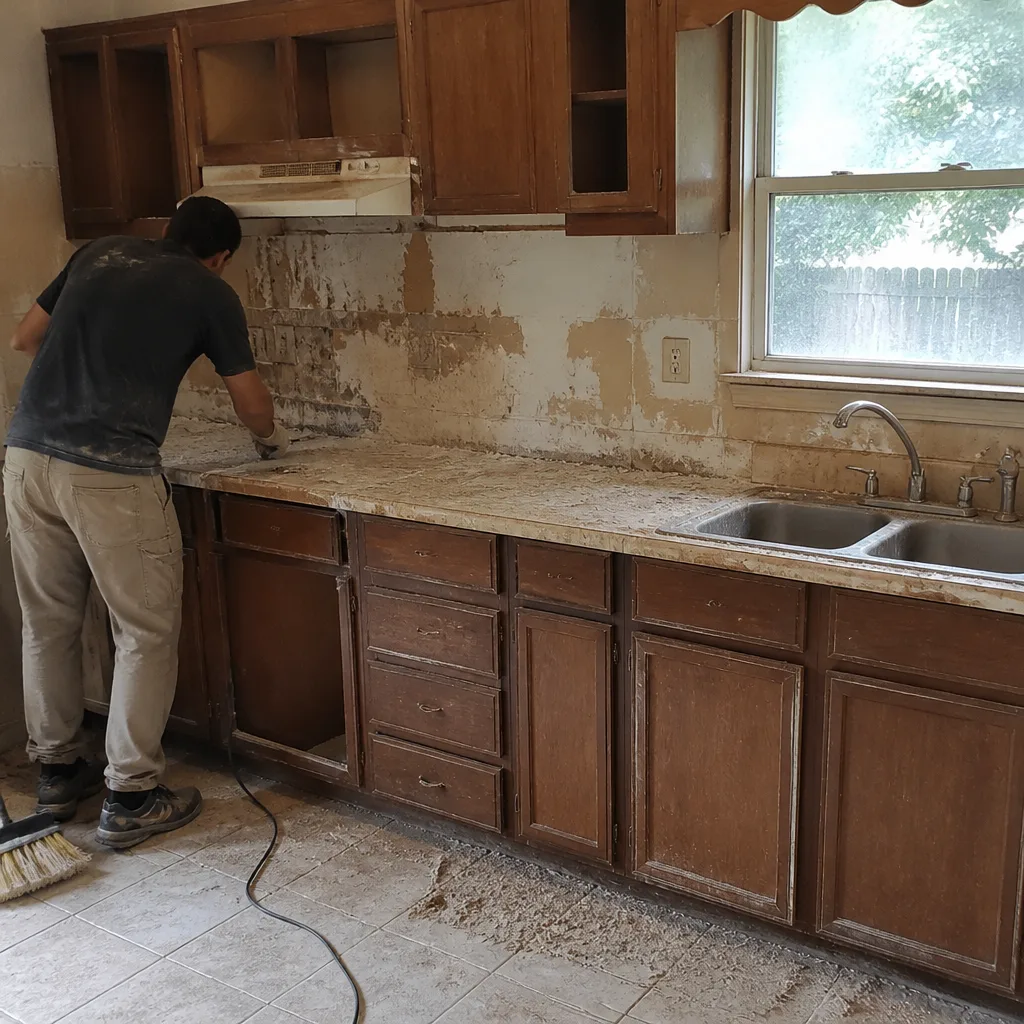 Before
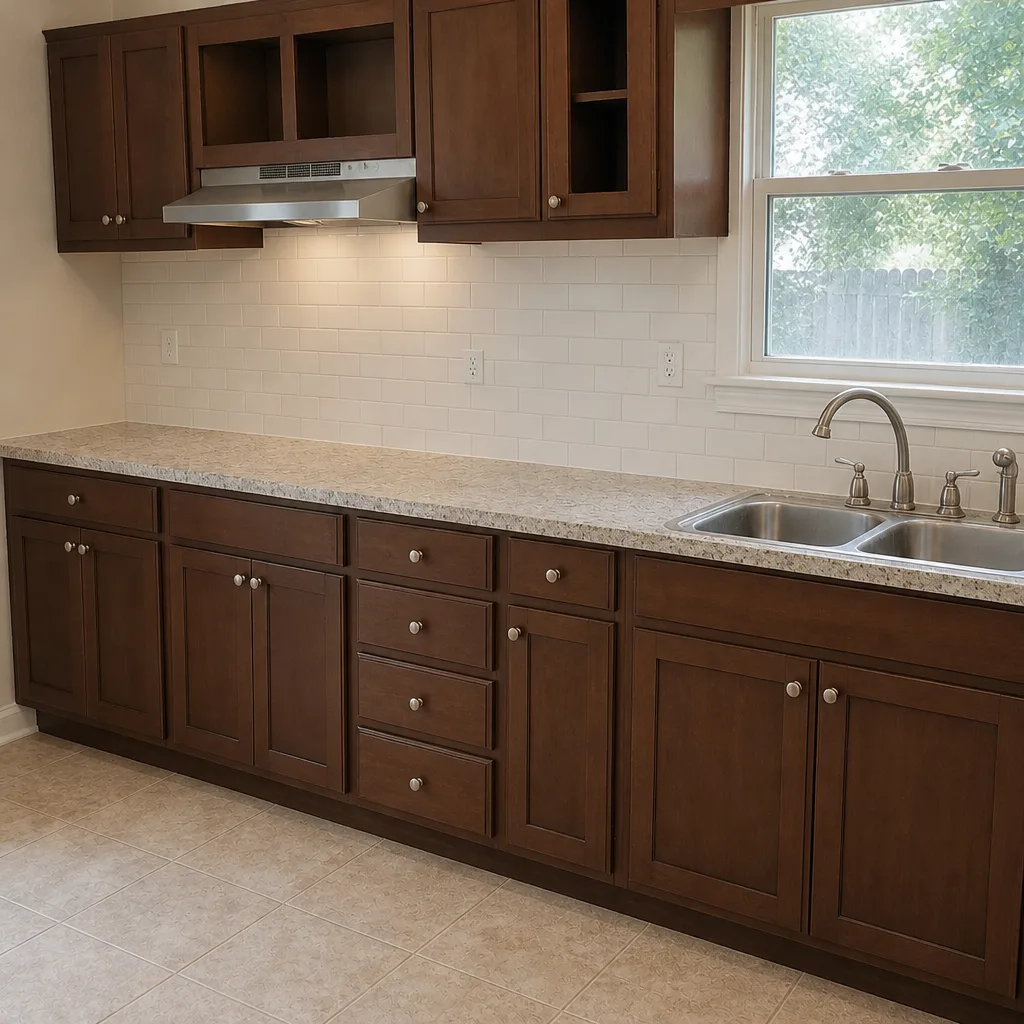 After
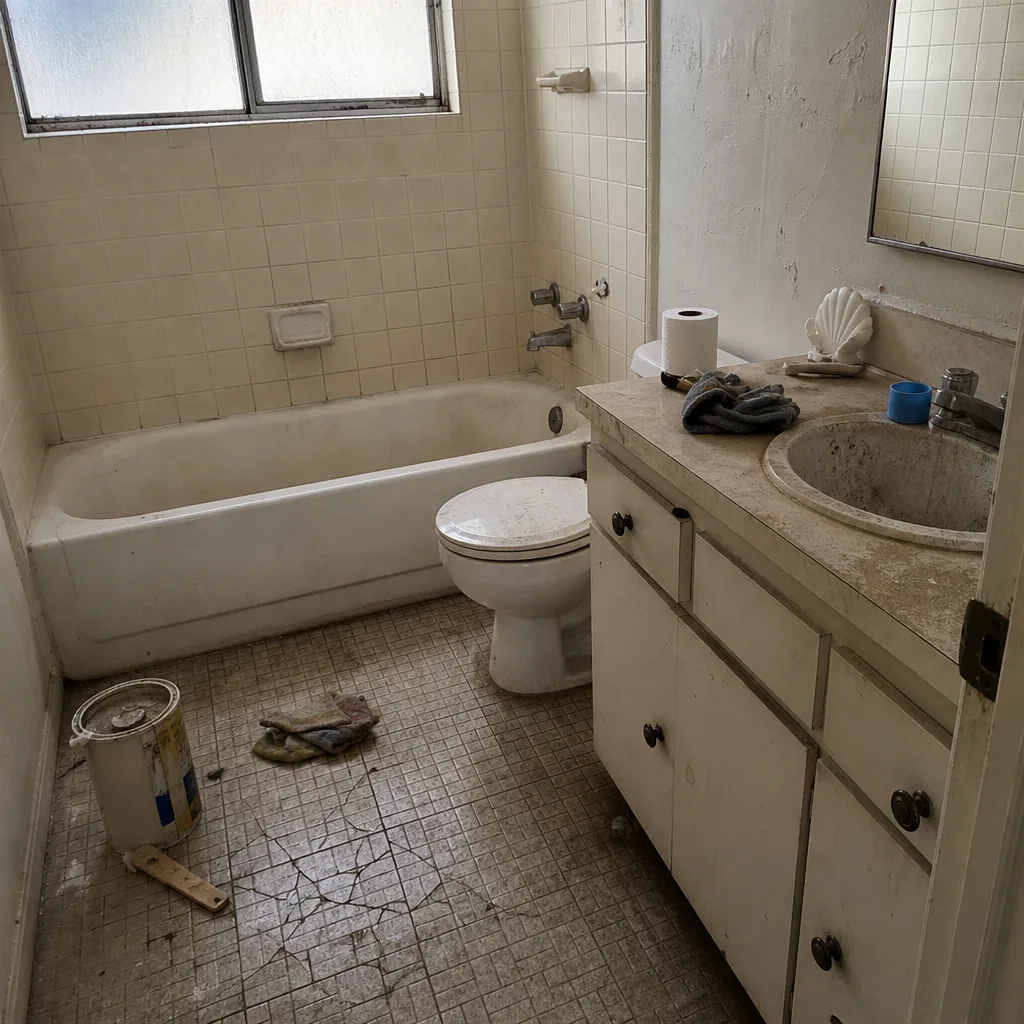 Before
 After
 Before
 After
Frequently Asked Questions

Not if the new unit goes into the same rough opening with no size change. If you’re enlarging the opening, cutting a new one, or altering anything structural, you do. Call the city before you demo to confirm, and call (877) 382-4108 if you’d rather not be the one figuring out which answer applies to your wall.
You can, in the same-opening case, if the wall, flashing, and seal details are within your skill set – but that’s the minority of replacements most homeowners are facing. Anything that touches a header, changes the opening, or sits on a second story belongs with a licensed crew. The insurance and permit trail alone is enough to make the call worth it in most cases.
A single same-opening window replacement is usually a half-day project for a crew, and a full-house set often runs two to four days depending on how many openings and how the exterior finishes tie back. Larger installs with trim and interior casing take longer. The estimate should spell out the timeline before work starts – get it in writing.
A premium window like the ES Windows or Mr-Glass lines we install has better glass packages, tighter frames, and longer warranties. That matters – but only if the install is done right. The best glass installed poorly loses to a mid-grade unit installed properly every time in our experience. Buy the best you can reasonably afford, and don’t cut the install to get there.
Yes. Unpermitted or improper work that leads to water damage gives an adjuster grounds to deny a claim, and that’s before anyone asks about the flashing detail. The permit trail and a written scope are your protection, not just a formality. This is one of the main reasons we pull permits on every eligible job.
We install premium brands across every trade we touch, and Andersen and Marvin are on the window side. If you have a specific brand or model in mind, tell us when you call – we’ll tell you honestly whether it fits your opening and budget. Call (877) 382-4108 for a free estimate and a second opinion on any written quote you already have.
The Bottom Line
The line between do-it-yourself and call-a-professional is clearer than it looks once you know where to check. Hardware, weatherstripping, interior casing, screens and caulk are yours. Full unit replacements, anything that touches the header, and anything that changes the opening aren’t – and the reason isn’t that the work is too hard. It’s that the failure mode is invisible, expensive, and slow to show itself. In Plano, permits and the insurance trail are part of the project, not an obstacle to it. Get the estimate in writing, get the permit pulled, get the change orders documented. That’s the difference between a project you’re proud of at year ten and one you’re still paying for.
Written by the team at Barrett & Sons Construction Plano.