Last updated November 18, 2026

Free written scope consultation - allowances, timeline, and change-order rules on paper before a single trade is scheduled
Construction Cost Breakdown: The Plano Homeowner’s Reference for 2026
Two Plano contractors can quote the same 400-square-foot room addition at $52,000 and $91,000, and the gap isn’t always a sign that one is gouging you. More often it’s proof that one bid is missing half the scope. The plumbing rough-in isn’t in there, the permit fee vanished, the site prep got waved off with “we’ll work around it.” Then the walls open and the missing half shows up as a bill. This reference walks through what construction actually costs in Plano in 2026, what’s hiding inside a legitimate overhead, and how to read a quote line by line before you sign it.
Quick Answer
In 2026, construction costs in Plano run roughly $185 to $320 per square foot for a home addition, $65 to $130 per square foot for a kitchen remodel, $55 to $110 per square foot for a bathroom, and $18 to $40 per square foot for a paver driveway. Those ranges reflect Collin County labor rates, Plano permit fees, and the clay soil prep most North Texas sites need. A quote that lands dramatically below them is usually short on scope, not generous on price.
Styles & brands we work with
- Kitchen remodeling
- Bathroom remodeling
- Home additions & ADU
- Roofing
- Windows & doors
- Driveway & pavers
- Fence
Table of Contents
- The Three Forces Shaping Plano Costs in 2026
- Real Cost Ranges for Plano Projects
- What’s Really Inside a Contractor’s Overhead and Margin
- Plano-Specific Cost Factors: Permits, HOA Fees, and Clay Soil
- How to Read a Line-Item Estimate
- The Three Line Items Low Bids Quietly Omit
- What Drives Overruns and How Change Orders Limit Exposure
- Common Mistakes to Avoid
The Three Forces Shaping Plano Costs in 2026
Plano construction pricing in 2026 isn’t being driven by the same forces that set it in 2022. Three things are moving most of the numbers you’ll see on a quote, and knowing them helps you judge whether a bid is fair or inflated.
The first is material normalization. Lumber, drywall, and structural steel have settled back to something closer to 2019 levels after the wild swings of 2021 through 2023. That’s the good news. But premium finishes – the Cambria and Silestone countertops, the Wellborn cabinetry, the GAF and CertainTeed roofing systems – didn’t drop nearly as much. Finishes are still where a large share of your budget goes in a Plano remodel, and that’s not changing in 2026.
The second is labor tightening. North Texas is still absorbing population growth, and the good crews are booked out eight to twelve weeks on most trades. A framing crew that used to have a two-week window now has a two-month one. That scarcity shows up in labor rates and in the premium reputable builders pay to keep their crews from walking.
The third is Plano’s own fee structure. Permit fees, plan review charges, and HOA architectural review fees have ticked up and become more consistent across the city, which means they show up on a legitimate bid but often get left off the cheap one. We’ve seen both ends of that equation play out on the same street in Willow Bend and in Haggard Park. The bid that looks $8,000 lower frequently has a line item for permits that simply isn’t there.
Real Cost Ranges for Plano Projects
Here’s what we see on actual Plano jobs in 2026, broken down by project type. These ranges assume standard finishes at the low end and premium finishes with structural changes at the high end.
- Home addition (400-600 sq ft): $185 to $320 per sq ft. A 400-square-foot primary suite addition in Plano typically runs $74,000 to $128,000 depending on whether it touches foundation, plumbing, and HVAC.
- Full kitchen remodel: $65 to $130 per sq ft. A 200-square-foot Plano kitchen runs $13,000 to $26,000 for standard finishes, and $45,000 to $75,000 for a premium gut remodel with custom cabinetry and stone counters.
- Bathroom remodel: $55 to $110 per sq ft. A hall bath runs $8,000 to $18,000. A primary bath with a curbless shower and heated floors runs $25,000 to $45,000.
- Garage conversion (attached, 400 sq ft): $95 to $165 per sq ft. This range swings widely on whether the slab needs raising, whether plumbing is being extended, and how much HVAC work is required.
- Patio cover (attached, 200-300 sq ft): $24,000 to $48,000. Engineered covers that meet Plano’s wind-load requirements cost more than a pergola kit from a big-box store, and that difference shows up in the first storm.
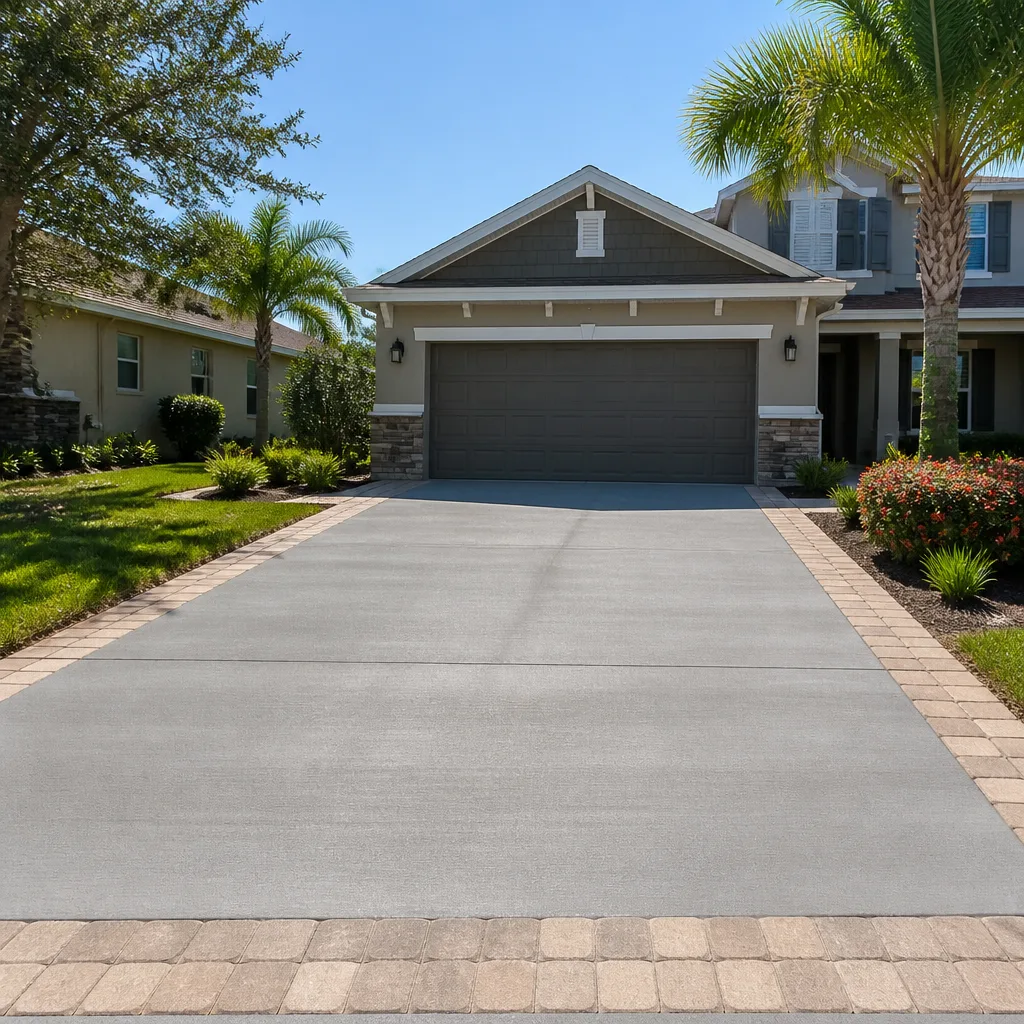
- Paver driveway: $18 to $40 per sq ft. A typical two-car Plano driveway runs $9,000 to $20,000 installed, with the higher end covering excavation and base work on clay.
Those ranges are useful for sanity-checking a bid. They’re less useful for choosing a builder. Anybody can quote a number inside the range and still deliver a project that bleeds money midstream. What separates the builders worth calling is what happens when the scope changes. More on that below.
What’s Really Inside a Contractor’s Overhead and Margin
The cheapest bid usually has the least overhead and the thinnest margin. That’s not automatically a red flag; a lean operation can be honest. But when the cheapest bid is significantly below the next bidder, you should ask what got cut to get there. Here’s what a legitimate contractor’s overhead actually covers.
Overhead is everything the company has to pay whether or not it’s building your project. Insurance (general liability plus workers’ comp), the office, the truck fuel, the tools, the bookkeeping, the licensing, the continuing education, and the callback cushion when something needs fixing three months after closeout. A healthy overhead for a residential construction company runs 12% to 20% of revenue. When a bid has an overhead below 8%, something in that list has been trimmed. Usually it’s insurance or the callback cushion.
Margin is what the company keeps at the end. For small residential remodel and addition work in Plano, a fair margin runs 10% to 18%. Below 8% and the company is either desperate or planning to make the number up on change orders later. Above 25% and you’re paying for something you’re not getting.
Ask any contractor you’re considering to break out their overhead and margin as separate line items on the bid. A contractor who won’t show you those numbers is either hiding them or hasn’t calculated them. We show ours. The bids that hide them aren’t cheaper – they’re just less transparent about where the money goes.
Plano-Specific Cost Factors: Permits, HOA Fees, and Clay Soil
Plano is not a generic Texas suburb when it comes to construction costs, and three local factors keep showing up on every bid we write.
- Permit fees and plan review. Plano’s building permit fees are calculated on project valuation, and the numbers add up faster than most homeowners expect. A typical addition pulls $900 to $2,400 in permit and plan review charges, and that’s before any neighborhood-specific overlays. The permit has to be pulled on any structural work, any electrical or plumbing change, and any change to conditioned square footage. The permit inspector works for you, not for the contractor – that’s a feature, not a fee to skip.
- HOA architectural review. Most Plano neighborhoods north of Parker Road have an HOA that requires a submittal before work begins. Review fees typically run $150 to $500, and the review timeline can add two to six weeks before the first nail. A contractor who doesn’t ask about your HOA during the estimate is planning to spring that delay on you once the contract is signed.
- Clay soil prep. North Texas sits on expansive clay that swells when wet and shrinks when dry. Any hardscape project – and any addition – needs proper excavation, a compacted base, and often a pier or footing design that accounts for the movement. A driveway bid that skips the base work will look cheap on paper and crack within three summers. A foundation bid that skips the soil analysis is hoping you won’t ask.
We’ve watched cheap bids on additions in Plano sail past the soil prep line entirely, and we’ve watched those same additions crack a slab within two years. The soil work isn’t optional in Collin County. It’s the cheapest money you’ll spend on the project.
How to Read a Line-Item Estimate
A line-item estimate is the single most useful document you’ll receive in the construction process. It’s also the one homeowners read the least carefully. Here’s the way to walk through one before you sign.
- Start at the bottom. Look for the total, then look for what’s not included. A legitimate bid will have a section that says “Exclusions” or “Owner responsibilities.” If there isn’t one, ask for it.
- Check for the permit line. The permit fee should be a specific number and named. “Permits included” without a dollar amount is a phrase, not a commitment.
- Find the allowance lines. Any finish item the contractor can’t price exactly – tile, appliances, fixtures, cabinetry – should show up as an allowance with a specific dollar amount. An allowance that isn’t on paper is a surprise waiting for a date.
- Read the change-order clause. Every price change should arrive in writing, signed by both parties, before the work proceeds. If the contract leaves room for verbal changes, you’re not protected.
- Look at the labor breakdown. Labor should be itemized by trade, not lumped into one number. A lump-sum labor line hides whether the framer, plumber, electrician, and drywall crew are all getting paid what they need to do the job right.
- Verify the warranty. What does the contractor actually guarantee, and for how long? A written guarantee on the contract carries weight. A verbal one carries none.
True to the way we write every scope we hand a Plano homeowner: scope in writing, allowances in writing, change orders in writing. If a bid can’t survive that structure, it’s not a bid worth signing.
The Three Line Items Low Bids Quietly Omit
When a Plano bid lands significantly lower than the others on the same scope, it almost always omits the same three line items. Knowing them is how you spot a short bid before it becomes a short job.
- Permit and plan review fees. This is the most common omission. The low bid simply leaves the permit line out, because the contractor either plans to skip the permit (which puts the inspection burden and legal risk on you) or to surprise you with the fee after signing. Either way, the cost is real and it lands on you. Plano requires permits on structural, electrical, plumbing, and mechanical work, and the fee is typically $900 to $2,400 for a moderate addition.
- Site prep and disposal. Dumpster rental, debris hauling, and any soil correction work often disappear from cheap bids. In Plano, where clay soil requires real excavation and compaction, skipping the prep is a setup for a failed slab. A disposal line that reads “$0” or “included” without a number should be verified in writing.
- Finish allowances. The kitchen with premium cabinetry and quartz counters quoted at a “standard” price is usually quoted with a low allowance that the homeowner will exceed by 40% or more once they’re actually in the tile showroom. Allowances below the real market rate for Plano finishes – particularly cabinetry, counters, and appliance packages – are a guaranteed change order waiting to happen.
When you see these omissions, ask the contractor to add them in writing. The bid will rise. That’s the point. The number you sign should be the number you pay, and it can only be that number if the whole scope is in the bid.
What Drives Overruns and How Change Orders Limit Exposure
Cost overruns happen on almost every project that wasn’t fully scoped. The overruns aren’t random. They follow a predictable pattern, and most of that pattern is manageable if you set the rules before work begins.
What drives overruns in Plano:
- Hidden conditions. Old plumbing behind a kitchen wall, a slab that’s cracked more than expected, or knob-and-tube wiring that the inspector flags once the drywall is open. These are real, and no contractor can predict all of them. The question is who eats the surprise – and a fair contractor prices the discovery in writing before proceeding, not after.
- Allowance overruns. The single largest source of post-signing cost shock on Plano remodels. The homeowner walks into the showroom, sees the better countertop, and the $14,000 allowance becomes $22,000 overnight.
- Scope creep. “While we’re here, let’s also…” – the phrase that anchors the biggest overruns. Each addition has its own permit, its own trade work, its own inspection. If it’s not in writing, it’s a surprise waiting for a date.
- Change-order abuse. A small percentage of contractors underbid deliberately and then make up the margin through change orders once the project is underway. The way to spot this ahead of time is to look at how the contractor talks about scope during the estimate. If they keep waving off details with “we’ll figure it out,” that detail is becoming a change order.
The single best protection against overruns is a written change-order requirement in the contract: every scope change, every allowance adjustment, every added trade gets priced in writing and signed by both parties before the work proceeds. Not after. Our written change order is a contract provision across every job we run, not an emergency response to a mid-project surprise. Homeowners who insist on this from the start don’t just avoid overruns – they end up knowing exactly what their project costs when it closes. That’s the difference between a project that stays on budget and one that slowly spirals.
Common Mistakes to Avoid
- Hiring the cheapest bid without reading it line by line. The bid $15,000 lower isn’t usually generous – it’s missing scope. If you can’t find the permit line, the site prep, or the finish allowances on the estimate, you’re not looking at a lower price. You’re looking at a smaller project.
- Signing a contract without a written change-order clause. Verbal change orders are how a $60,000 project becomes an $85,000 project. If the contract leaves room for “we’ll work it out on the fly,” you don’t have a contract. You have a handshake.
- Skipping the HOA submittal. Plano HOA architectural review can take four to six weeks. If you sign the construction contract before the HOA approves the plans, you’re either paying the contractor to wait, or paying for work that has to be undone. Start the review early.
- Assuming your contractor is pulling permits. Plano requires permits for any structural, electrical, plumbing, or mechanical work, and skipping them shifts the legal risk onto you. Verify the permit number before work begins.
- Using a low contractor-supplied allowance to compare bids. If one bid carries a $9,000 cabinetry allowance and another carries $24,000, they aren’t bidding the same kitchen. Compare allowances at realistic Plano rates, or you’ll be comparing fantasy numbers.
- Letting soil prep get cut to save a few thousand. On a North Texas clay site, the driveway or foundation that skips proper base work fails within a few summers. That’s not a savings. It’s a deferred cost with interest.
- Waiting until demo day to ask about hidden conditions. Ask during the estimate how the contractor handles unexpected plumbing, wiring, or framing discoveries. If the answer is “we’ll see,” ask for a written policy.
See the difference
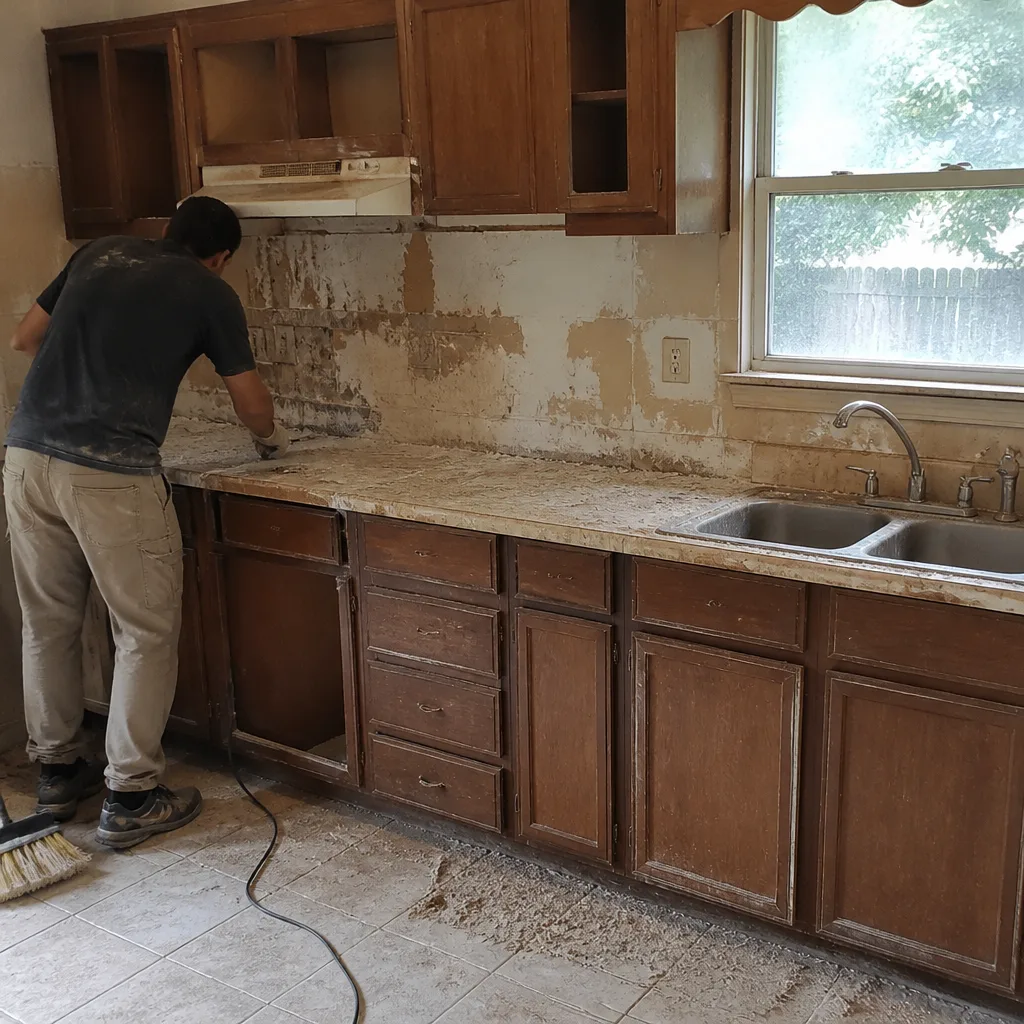 Before
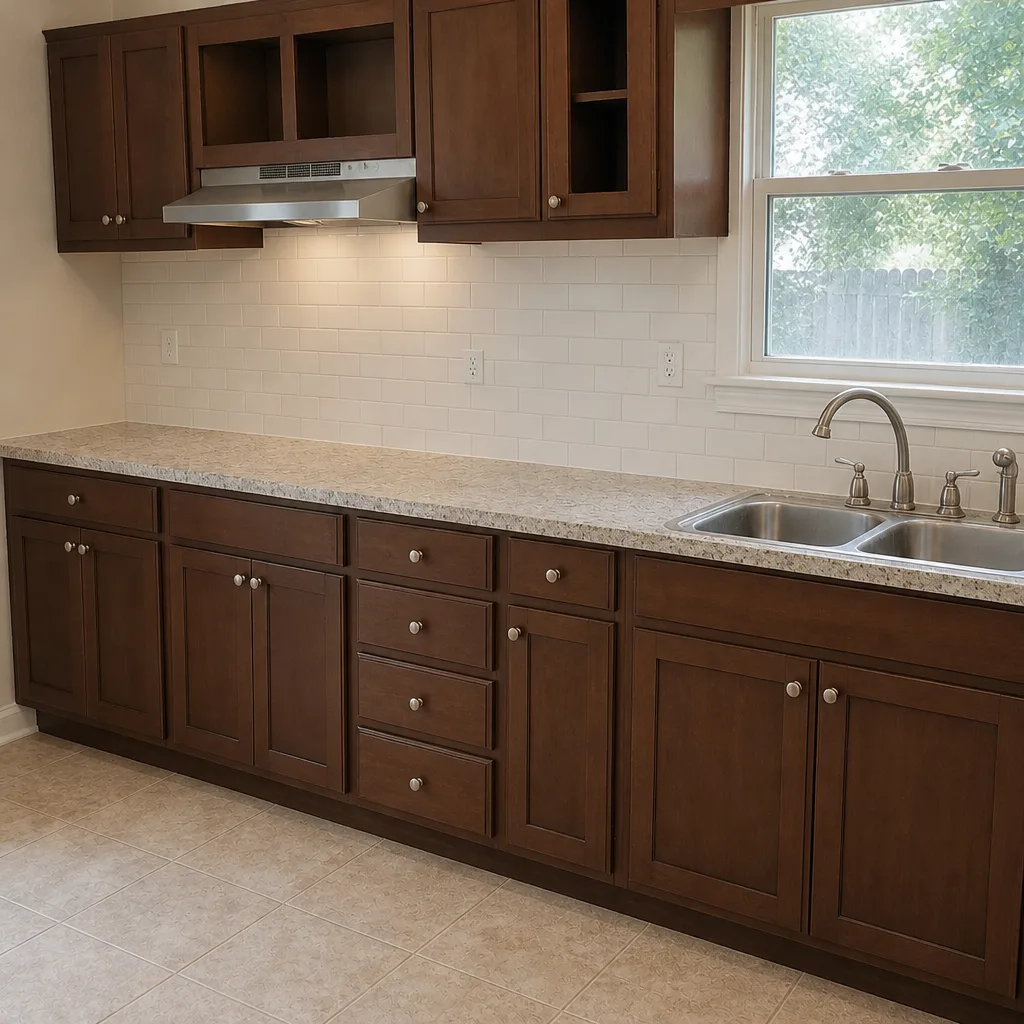 After
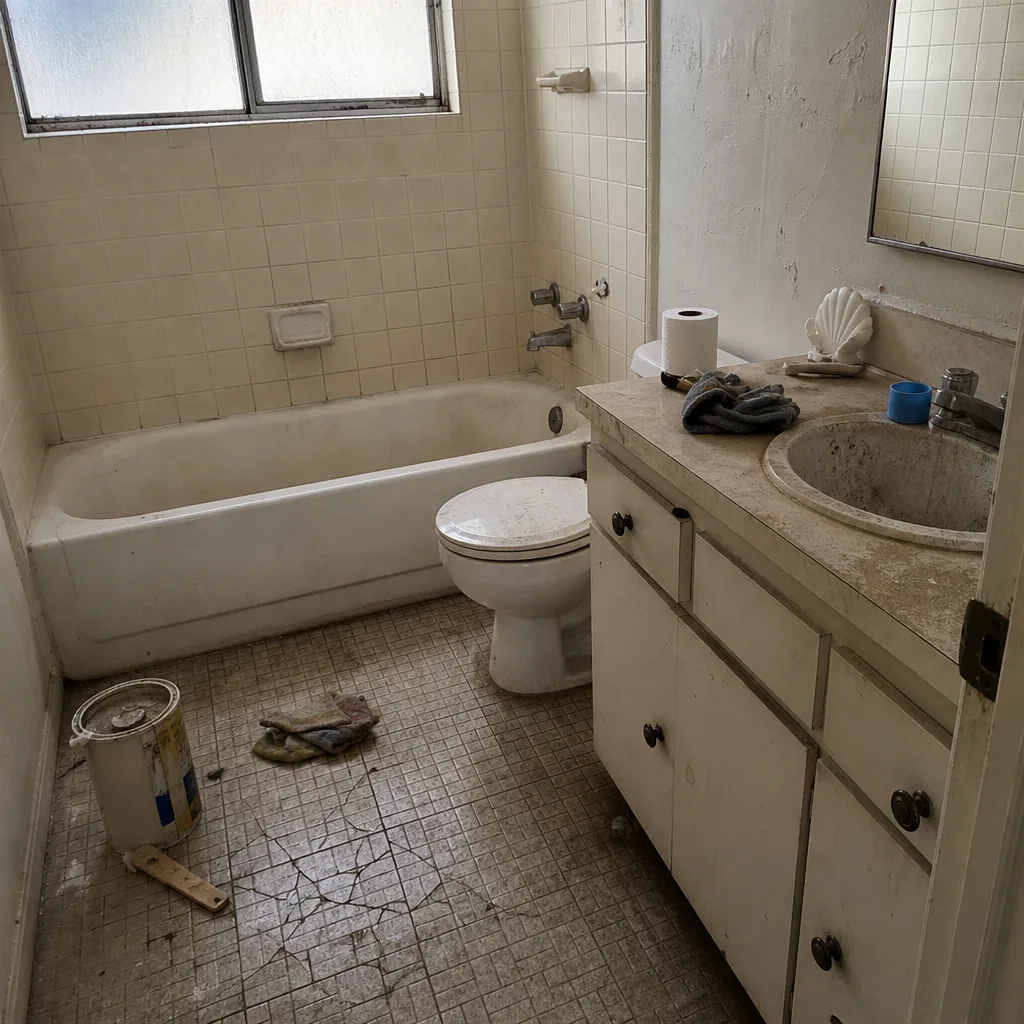 Before
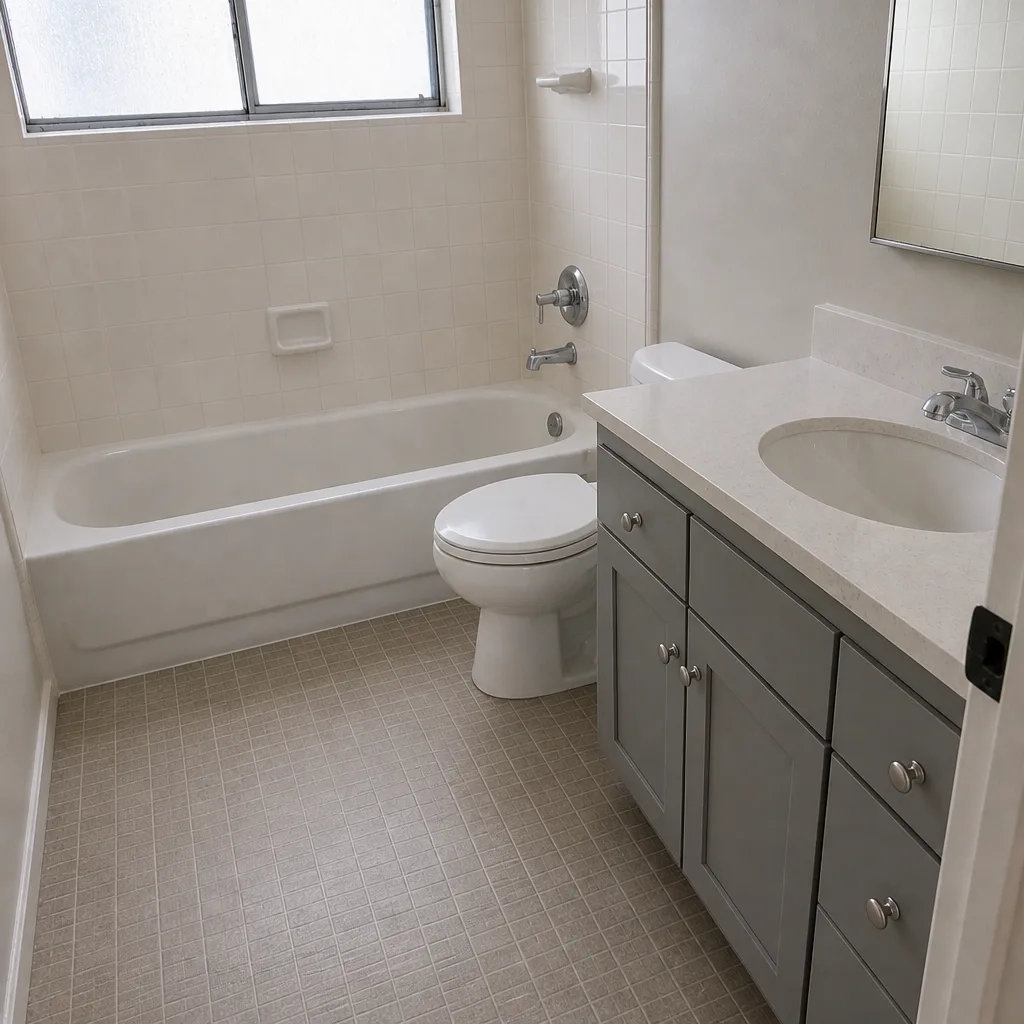 After
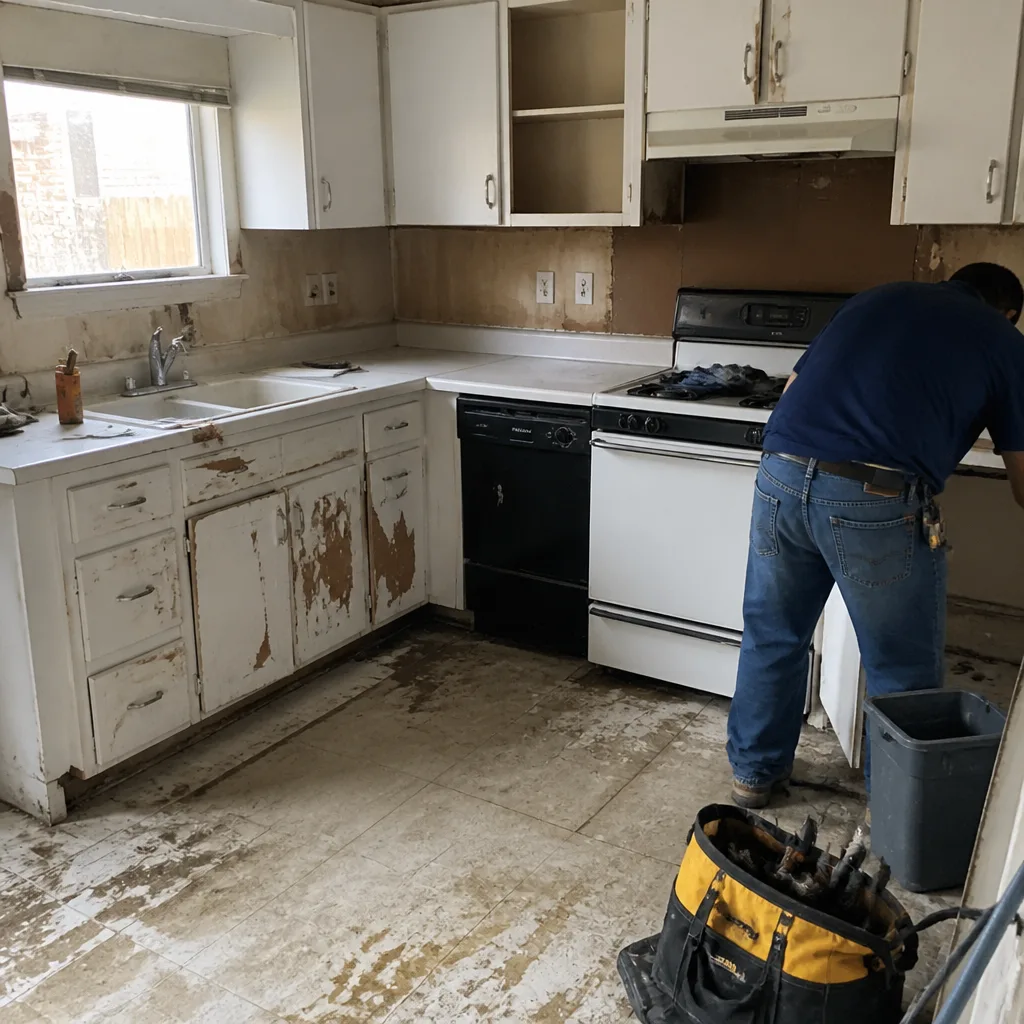 Before
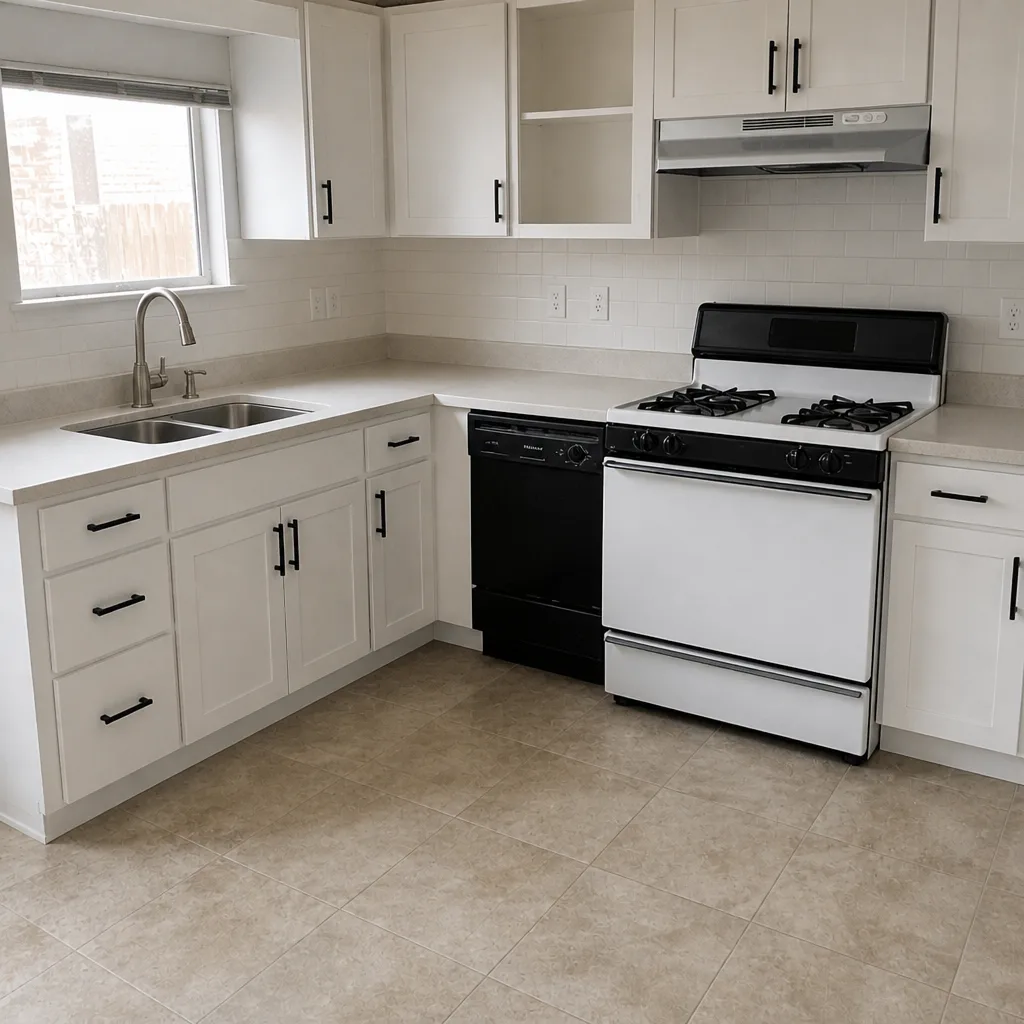 After
When to Call a Professional
Some construction projects are small enough to handle with a good handyman and a weekend. But a home addition, kitchen or bathroom remodel, structural change, roofing replacement, or anything that touches the foundation, electrical panel, plumbing supply, or gas line should be handled by a licensed, insured professional – and in Plano, most of that work requires a permit and inspection. Hidden conditions behind walls, soil issues under a slab, and wind-load requirements on patio covers are all things that look straightforward until they’re not. A professional contractor who pulls permits, writes scope in writing, and backs the job with a written warranty takes on that risk so you don’t. If you’re at the pricing stage on any of those projects, the next step is a written estimate. Barrett & Sons Construction Plano offers free estimates in Plano – call (877) 382-4108.
Frequently Asked Questions

A typical 400- to 600-square-foot home addition in Plano runs $185 to $320 per square foot in 2026, which works out to roughly $74,000 to $192,000 depending on whether the project touches foundation, plumbing, HVAC, or premium finishes. The biggest cost swings come from site prep on clay soil, whether the roofline needs extending, and how much of the existing structure has to be modified to tie the new square footage in. A written, line-item estimate is the only way to know where your specific project lands. Call (877) 382-4108 for an exact quote – estimates are free.
Most of the gap comes from scope, not markup. The lower bid is usually missing the permit fee, the site prep and disposal, and realistic allowances for finishes. When the omitted items are added back in, the two bids tend to land within 10% of each other. If they don’t, one contractor is either underbidding to win the job and planning to make it up through change orders, or charging a premium way above the Plano market. Ask both contractors to break out their overhead and margin as separate line items – the ones who will are the ones worth talking to.
Not on a properly structured contract. The scoped price should hold. What can change – and should arrive as a written change order before the work proceeds – is the discovery of hidden conditions (old plumbing, cracked slab, wiring that doesn’t meet code), any scope the homeowner adds mid-project, or allowance adjustments for finishes chosen above the allowed budget. A written change-order requirement in the contract keeps you from being surprised at the end. Ask any contractor you’re evaluating to show you their change-order process in writing before you sign.
Yes. Every eligible job in Plano gets permits pulled and inspections signed off. Plano requires permits on any structural, electrical, plumbing, or mechanical change, and the permit inspector works for you, not for the contractor. Doing the permit properly means the work gets inspected against city code, which protects you if you ever sell the home. If a contractor tells you permits are optional on a Plano job, that’s your cue to call someone else.
A full kitchen remodel in Plano typically runs six to ten weeks of construction, with four to six additional weeks before that for permitting and HOA review. A bathroom remodel runs three to five weeks. A 400-square-foot addition runs four to six months. The timeline depends heavily on material lead times – cabinets and windows can add weeks – and on how quickly Plano’s plan review process turns the permit around. A written schedule in the contract is the single best way to keep a project on track.
Yes, especially on additions, driveways, and any hardscape work. North Texas clay expands and contracts dramatically with moisture, so any structure that touches the ground needs proper excavation, compacted base, and often a pier or footing design that accounts for the movement. Skipping that prep can save a few thousand dollars upfront and cost three or four times as much within a few years when the slab cracks or the driveway settles. A legitimate Plano bid will show site prep and soil work as separate line items, not lump them into a general “prep” line.
The Bottom Line
What a project should cost in Plano in 2026 comes down to three forces – material normalization, labor tightening, and the city’s own fee structure – layered onto the specific scope of your project. A 400-square-foot addition runs $185 to $320 per square foot. A kitchen runs $65 to $130 per square foot. A paver driveway runs $18 to $40. Those ranges are real, and a bid that lands outside them is telling you something worth listening to. Read every line item. Ask for overhead and margin as separate numbers. Insist on written change orders before work proceeds. Then hire the contractor you’d trust to walk into the hardware store on Saturday and look you in the eye. The price matters. Who you sign it with matters more.
Ready for a Written Estimate?
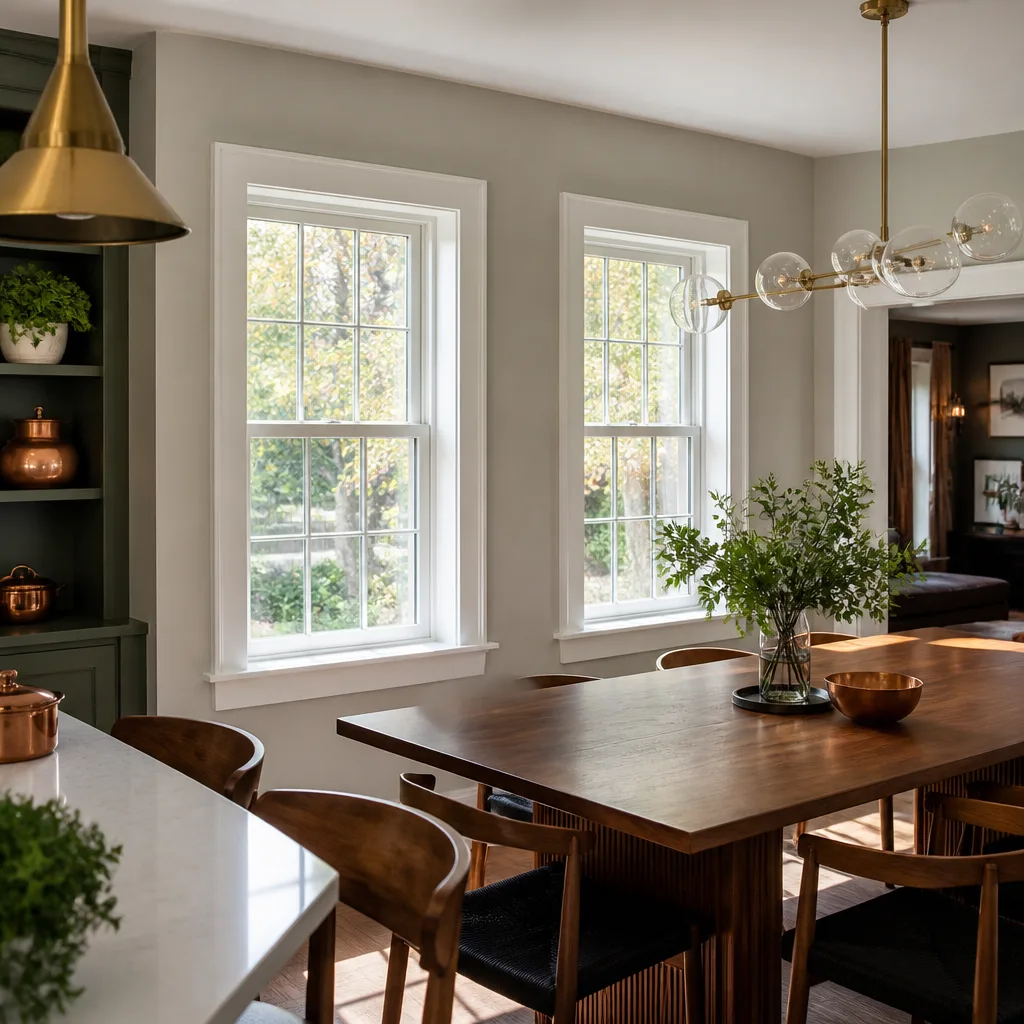
If you’re ready to move from browsing cost ranges to seeing real numbers on your Plano project, that starts with a free estimate. Barrett & Sons Construction Plano offers free quotes with written scope, written allowances, and a written change-order process before any work begins. Whether you’re planning a whole-home renovation on the Barrett & Sons Construction Plano home page, comparing paver options on your Driveway & Pavers in Plano, pricing a new fence with Fence Installation in Plano, or expanding your footprint with a Home Additions & ADU in Plano, the estimate is free and the scope is in writing. Call (877) 382-4108 to schedule your free estimate.
Written by the team at Barrett & Sons Construction Plano.