Last updated November 18, 2026




Free written scope consultation - allowances, timeline, and change-order rules on paper before a single trade is scheduled
Construction Permits, Codes & Inspections in TX: What You Need to Know
A Plano homeowner found out at closing that an addition a previous owner had built without permits needed to be demolished or brought up to current code. Total bill: $38,000. The problem didn’t surface during the walkthrough or the inspection. It showed up in the title search three days before the sale was supposed to close. That’s how unpermitted work works. It sleeps in the walls for years, then wakes up at the worst possible moment.
We’ve watched a lot of Plano families hit that same wall, and it almost always traces back to one sentence a contractor said: “You don’t need a permit for this.” Sometimes that’s true. Often it isn’t. This guide walks through what actually triggers a permit requirement in Plano, how the inspection sequence works when a rough-in fails, where city code, Collin County, and HOA deed restrictions each stand in line, what the grandfather clause does and doesn’t cover when you sell, and how to pull a permit history before you buy a home. We’ll keep it practical, because that’s the only way it’s useful to you.
Quick Answer
In Plano, any work that adds, removes, or changes the structural, electrical, plumbing, or mechanical systems of your home needs a permit through Plano Development Services; cosmetic finishes like paint, flooring, and cabinet swaps usually don’t. Permits aren’t just a filing fee. They’re the legal paper trail that keeps your home insurable, sellable, and code-compliant, and skipping them can shift the liability onto your shoulders when you list, sell, or file a claim. When a contractor tells you a permit is optional, verify it with the city before you let anyone swing a hammer.
Styles & brands we work with
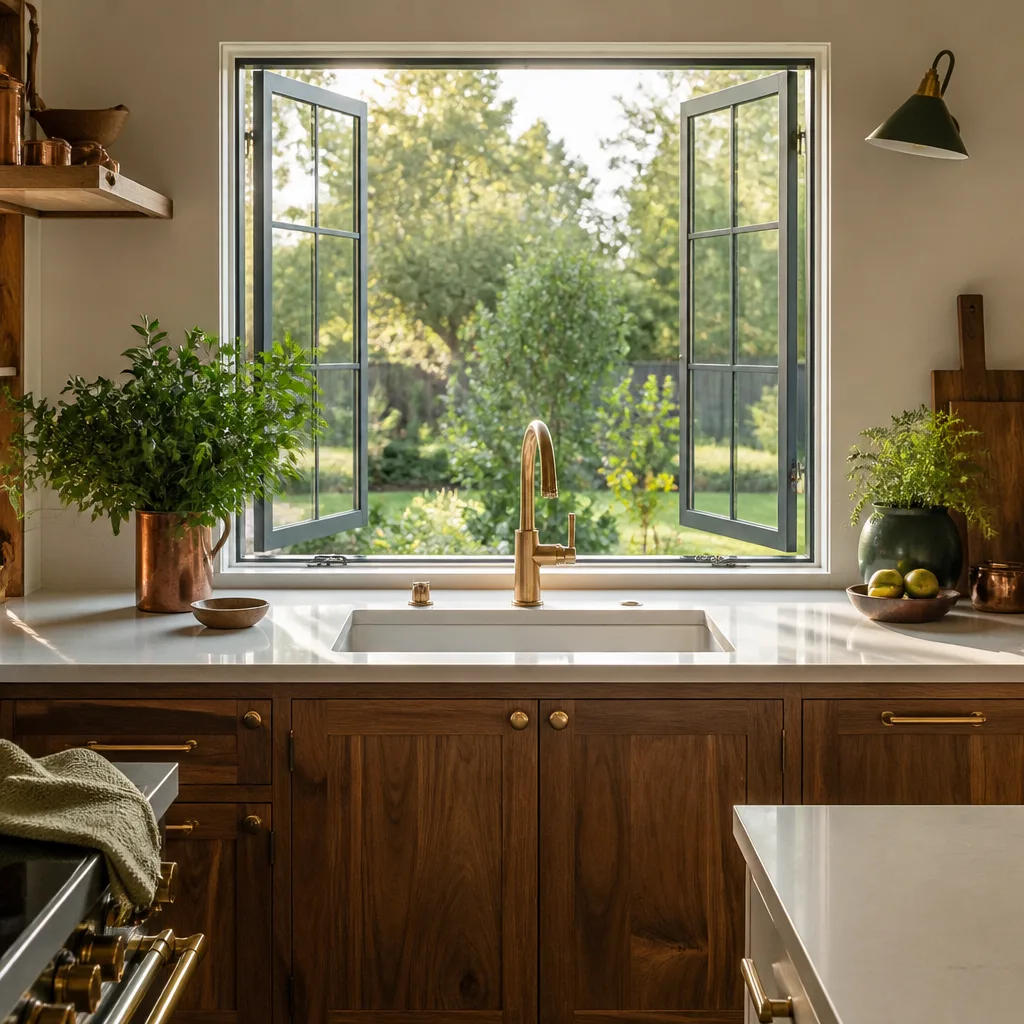
- Kitchen remodeling
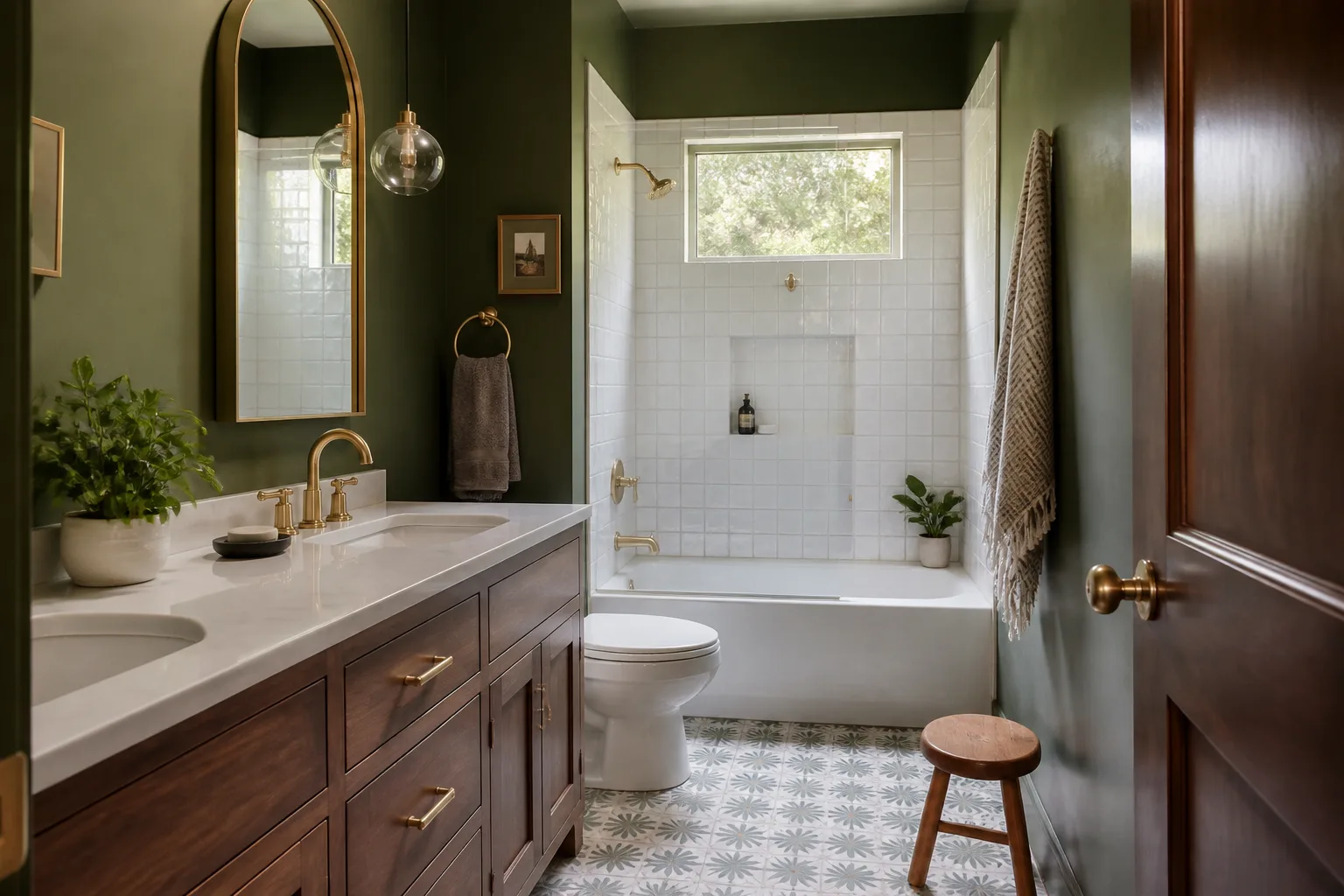
- Bathroom remodeling
- Home additions & ADU
- Roofing
- Windows & doors
- Driveway & pavers
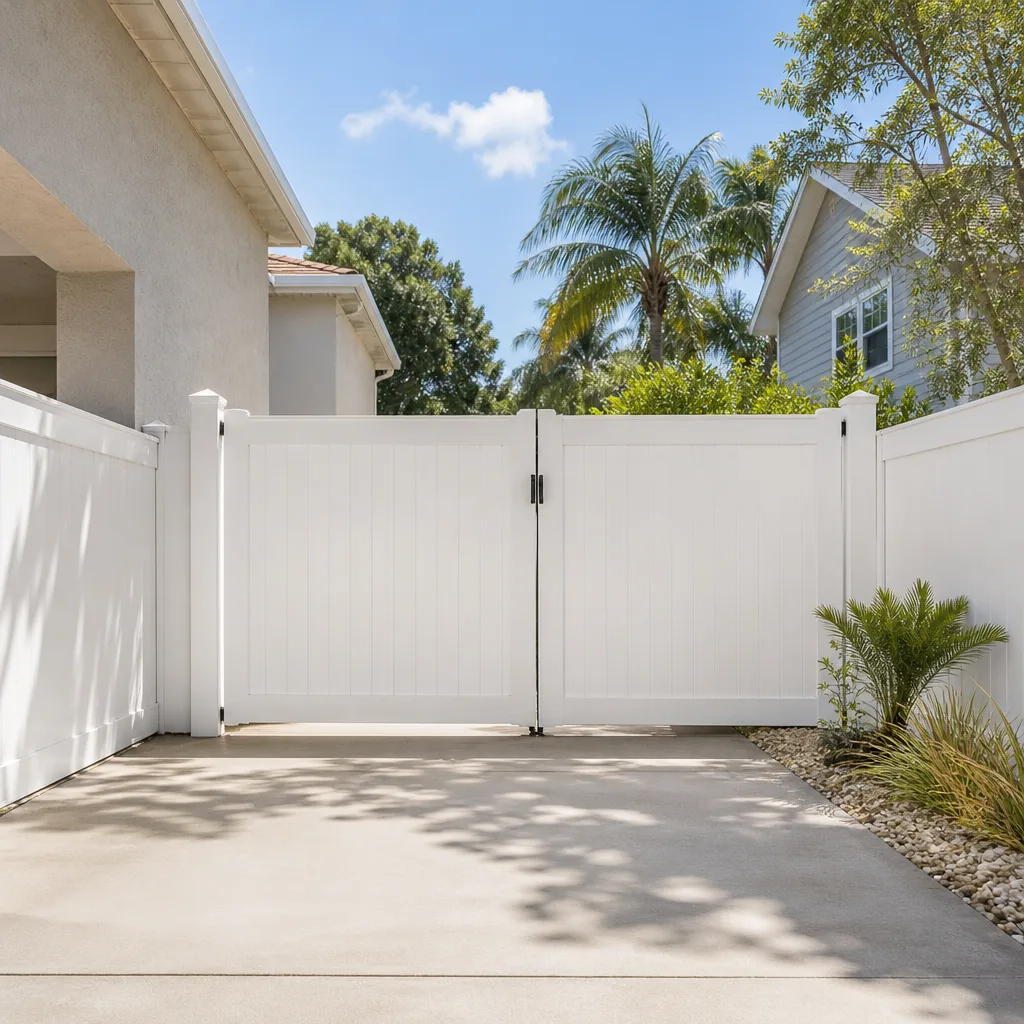
- Fence
Table of Contents
- What needs a permit in Plano
- Common contractor claims that permits aren’t required
- How Plano’s inspection sequence works
- City code, Collin County, and HOA: which one wins
- What the grandfather clause covers when you sell
- How to pull a permit history on a home
- What’s different about Texas codes
- How permits fit into a Barrett & Sons job
What needs a permit in Plano
The short version: if a project touches structure, weatherproofing, or the systems inside the walls, it needs a permit. If it just changes how a room looks, it usually doesn’t. The trouble is that the line shifts by project type, and your contractor’s memory of the rules is not always a reliable guide. Here’s the breakdown that holds up in Plano on the majority of residential jobs.
Permits are typically required for:
- Additions and new square footage – home additions, ADU builds, garage conversions that become living space, sunrooms that get HVAC.
- Structural work – removing or modifying a load-bearing wall, foundation repairs, new beam work, second-story decks.
- Roof replacement and major reroofing – full replacements and structural repairs, though some minor patch work is exempt.
- Electrical – new circuits, panel upgrades, service changes, EV charger installs, anything that moves a wire inside the wall.
- Plumbing – moving or adding drains, water heaters, gas line work, repipes inside walls.
- Mechanical – new HVAC systems, duct work changes, venting changes.
- Fences over 6 feet, or any fence in a front yard or along a corner lot line – the exact limits depend on the plat.
- Driveways, patio slabs, and retaining walls over a certain height – because they affect drainage and impervious-cover limits.
- Sheds and detached structures over 200 square feet in most Plano zoning districts.
Cosmetic work – interior paint, flooring, swapping a faucet for another of the same type, replacing a light fixture in the same box, replacing cabinet doors – generally does not need a permit. But flooring out to a screen porch that turns into a sunroom? That’s an addition. That needs one. The rule of thumb we use is: if it will show up in a future title search as “improvement,” get the permit. Get it priced, pulled, and inspected.
Common contractor claims that permits aren’t required
We’ve heard every version. A homeowner in Plano will call us for a second opinion after a neighbor’s bad experience, and almost always the same phrases come out. Here’s what they actually mean, translated.
“It’s just finish work.” Finish work that hides rough-in work is still a permit item. Re-tiling a shower without a permit usually means the shower pan and waterproofing are also unpermitted. The tile looks fine until the ceiling below starts staining six months later.
“Nobody pulls a permit for a fence.” Some fences, yes. Fences over 6 feet tall, fences in a front yard, and fences along a corner lot line all commonly need a permit in Plano, and the height and setback rules interact with HOA deed restrictions differently.
“It’s just a water heater swap, it doesn’t need anything.” A straight water heater replacement still needs the right venting, the right pan, and the right T&P discharge line. In Texas, a permitted install means the plumbing inspector signs off on it, and that signature is what your insurance company wants if you ever have a leak.
“We’ll pull it later.” No one pulls permits later. The permit is either pulled before work starts or it never gets pulled. If it’s pulled after the work, the inspector will make you open walls to show what’s inside. That’s the fastest way to turn a $4,000 job into a $12,000 one.
“You don’t need one for a driveway.” New or expanded driveways affect impervious-cover calculations, drainage, and often the plat’s sidewalk approach. Plano does require permits for most new driveway pours, and the inspection has to happen before the concrete covers the base.
If you get any of these answers, call the city yourself. Plano Development Services will tell you in five minutes whether a permit is required for the specific address, and that answer is the only one that matters.
How Plano’s inspection sequence works
Once the permit is pulled, the job enters a sequence of inspections. Skipping a step in the sequence is how most Plano permit problems actually happen. It isn’t usually the homeowner’s fault – it’s a crew that poured concrete before the footing inspection, or hung drywall before the rough-in. Once that happens, the inspector makes you take it back off.
The typical residential sequence goes like this:
- Permit application and plan review. Plano Development Services reviews drawings, plat information, and any zoning or HOA-related submissions. Small jobs may qualify for an over-the-counter review. Larger ones go through a formal plan review with comments back to the contractor.
- Permit issued. Work can’t legally start until you have the permit card posted at the job site. The card lists every inspection tied to that permit.
- Footing and foundation inspection. Called before the concrete pour. This is where rebar size, spacing, and post-tension layout get checked. Miss this one and you’ll be taking out concrete.
- Framing and rough-in inspections. Called after the framing is up and after electrical, plumbing, and mechanical rough-in are in, but before insulation and drywall. These are often combined into a single rough-in inspection on smaller jobs.
- Insulation and energy code inspection. Texas follows the International Energy Conservation Code with state amendments. Wall and attic insulation values get checked before drywall goes up.
- Final inspection. Called once everything is finished. The inspector checks the work against the approved plans, confirms every earlier inspection was signed, and closes the permit.
The part competitors gloss over: what happens if you fail a rough-in. The inspector posts a correction notice with specific items. The contractor fixes them, requests a reinspection, and pays a reinspection fee if the city requires one. That’s the normal path. What’s not normal, and what costs real money, is when the correction notice says something like “drywall installed prior to rough-in approval” – because at that point you’re demoing around the electrical panel or the shower valve to make it right. Get the sequence right and none of that happens.
City code, Collin County, and HOA: which one wins
This one trips up more Plano homeowners than any other part of the process. Three sets of rules can apply to your project at the same time, and they don’t cancel each other out. They stack.
City code wins for building safety. Plano enforces the building, electrical, plumbing, mechanical, and energy codes that apply to the construction itself. If your HOA says the fence can be 8 feet and the city says 6, the city wins. The inspector will make you take it down and there’s no appeal to the HOA board that will help you.
Collin County handles the outer edges. Plano sits almost entirely within Collin County, with a small piece in Denton County. County rules usually matter most for septic, floodplain, and right-of-way work outside the city limits. If your lot touches a county road or a floodplain designation, expect a county review in addition to the city permit. Most in-town Plano residential projects never see a county permit, but properties on the fringe do.
HOA deed restrictions are stricter, not looser. An HOA can require a specific fence material, prohibit certain colors of shingles, limit shed size, or require architectural review before you even apply for a permit. The HOA cannot legalize work the city won’t permit. The good news is that if you satisfy the HOA first, the city permit is usually cleaner, because the approved HOA drawings already match what you’re submitting.
Practical order of operations in Plano: check the HOA architectural rules first, get HOA approval on the drawings, then submit to the city. Doing it in the reverse order is the most common reason a project sits for a month while the review loop closes.
What the grandfather clause covers when you sell
The “grandfather clause” is one of the most misused phrases in residential construction. It does not mean that unpermitted work is automatically legal because time passed. It means that a property, system, or structure that was built to the code in force at the time may not be required to meet a newer code just because the code has changed.
Here’s what it covers:
- Older work that was legally permitted at the time it was built and where the code changed since. The house isn’t required to be retrofitted to the new standard unless a substantial remodel triggers it.
- Homes built before a related code existed at all in some cases – for example, a property built before energy code requirements can have less insulation than current code requires.
Here’s what it doesn’t cover:
- Unpermitted work. Nothing about time passing makes an unpermitted addition legal. If Plano’s permit history on the address shows no permit for the addition, the addition is not grandfathered. It’s just undocumented.
- Life-safety items. Smoke alarms, egress windows, and guardrails come up at sale in many cases regardless of when the home was built.
- Insurance claims. When you file a claim on work that wasn’t permitted, the coverage question is not “was the work grandfathered?” It’s “was the work permitted?” Different question. Different answer. And often a denial.
Where this hits the wall in Plano is at resale. Title companies run a permit search. Buyers’ agents ask for the permit history. When an addition shows up with no permit, you can either take it out, pay to bring it to current code, or offer a credit. None of those are cheap, and all three are negotiable against you.
How to pull a permit history on a home
If you’re buying a home in Plano, or if you’re about to hire anyone for a job that will require a permit on your own home, this is the step most people skip. Pull the permit history yourself. It takes about fifteen minutes and it will tell you things no walkthrough will.
- Start with Plano Development Services. The city’s online permit portal lets you search by address for permit records, inspection dates, and final sign-offs. Ask for the full record for the property, not just the last five years.
- Match the permit list against what you see. If the home has a second kitchen, a sunroom, or a converted garage, look for a permit for each. If none shows, ask the seller for documentation. A “we have the plans from the builder” answer isn’t a permit.
- Ask for the certificate of occupancy or final inspection record on any addition, ADU, or significant structural change. A final inspection record is the proof that the work was signed off.
- Check the county records too if the property is near the Plano city limits or a floodplain, since floodplain and right-of-way items often appear in county records and not city ones.
- Call a local contractor for a walkthrough. A second set of eyes on an older home catches things that a general inspection might pass over – mismatched framing in an addition, an electrical panel with an unpermitted subpanel, a shower that was tiled over an unplumbed drain.
- Ask your insurance agent directly. Before closing, ask whether the policy will cover the addition. Get the answer in writing if you can. This is the call that surfaces the risk fastest.
If you find an unpermitted addition during the search, that’s a negotiating tool, not a deal-killer. If you find it after closing, it’s your problem. Pull the history before you sign.
What’s different about Texas codes
Texas delivers building codes differently than most states. There’s no statewide residential building code that governs every home, so cities and counties adopt their own versions. Plano is on the current family of International Codes with local amendments. That means the code that governs your remodel in Plano may differ in small but real ways from the code in a nearby city.
A few things that come up on nearly every job we’re in:
- Foundation standards. North Texas soils are notoriously active clay that shift with moisture. Plano permits and inspections pay close attention to foundation design because our soil moves with the weather, and a skip in the footing inspection means a foundation that will fight you for years.
- Wind and hail. Roof replacements under Texas standards carry specific nailing patterns and underlayment requirements. A permit gets you the inspection that verifies the nailing pattern; without the inspection, you have no paper trail if the roof fails in a storm and the insurance adjuster asks how it was installed.
- Energy code amendments. Texas has adopted new energy code provisions in recent cycles. If your remodel triggers a substantial scope, expect the plan reviewer to ask about insulation values and window ratings. Products like Andersen and Marvin windows come with the specs on a label pack, which makes this painless when the reviewer asks.
- Plumbing fixtures. Water heater installs and plumbing fixture swaps typically need WaterSense-compliant toilets and showerheads. Brands like Toto and Delta publish the specs you need for the permit package, so if you’re picking fixtures during a bathroom remodel, choosing a brand with published documentation saves everyone a step.
None of these are hard once you know they’re coming. The people who get blindsided are the ones who let a contractor talk them out of the permit in the first place.
How permits fit into a Barrett & Sons job
We pull permits on every eligible job. That’s not marketing language; it’s on the paper. When we quote an addition, a roofing replacement, a driveway extension, or a bathroom remodel in Plano, the permit and inspection line is on the estimate, in writing, before we start. If we think a permit isn’t legally required, we’ll tell you what we’re planning to pull and why, so you can call Plano Development Services yourself and confirm. Our rule is that you should always be able to verify what we’re saying about a permit. That’s a pretty low bar, but it’s one a lot of contractors miss.
Our scope gets written out, our allowances get written out, and any price change arrives as a written change order before a single nail moves. The permit inspector works for you, not for us, so we’re on the same side when it’s time to sign off the final. If something’s wrong, we want to know about it, and the review is the fastest way to catch it. We carry premium brands across trades because the documentation makes the permit review clean: KraftMaid and Cambria in kitchens, CertainTeed on roofs, Belgard and Techo-Bloc on hardscape. If you’re looking at a home addition or an ADU build that might get tangled up in permitting, our team writes the whole scope and the permit package together. For a broader look at how we handle a job from start to final inspection, the Home Additions & ADU service in Plano page has the step-by-step. Driveway and paver jobs are covered on the Driveway & Pavers page, and fence permits are covered on the Fence Installation page. Every one of those pages has the permit terms baked in, because that’s how we run the crews, not because it makes good copy.
Common Mistakes to Avoid
- Taking the contractor’s word that a permit isn’t needed. Call Plano Development Services and confirm the specific address. The permit office answers in five minutes. The cost of a bad answer is measured in five figures.
- Pulling the HOA approval after the permit. Plano HOAs often want shingle color, fence material, and shed placement approved before work begins. City permit applications also carry HOA-related items, so the files need to match. Do HOA first.
- Letting drywall cover the rough-in inspection. If drywall goes up before framing and rough-in get signed, the next step is demo. This is the single most expensive permit mistake we see on Plano remodels.
- Trusting a “grandfathered” argument at resale. Grandfathering applies to legal work under a previous code, not to unpermitted work. Title companies and buyers’ agents aren’t fooled by the phrase either.
- Skipping the permit history on a purchase. Pull the history on the address before you sign anything. If the addition doesn’t show up in the permit record, you’re buying the risk along with the house.
- Assuming the driveway doesn’t need a permit. New and expanded driveways affect drainage and impervious-cover calculations, and Plano enforces this. Pour first, permit later is a costly order of operations.
- Forgetting to check the permit’s expiration. Plano permits expire after a period of inactivity. A job that lurches along between crews can expire mid-build, which restarts the review. Keep the permit current during the whole job.
See the difference
 Before
 After
 Before
 After
 Before
 After
When to Call a Professional
If your project touches structure, systems, or the weatherproofing envelope, get a professional to look at it before you commit. That includes any addition, any wall removal, any foundation work, roof replacement, electrical panel or service work, gas line work, plumbing changes inside walls, and fence, driveway, or hardscape builds that trigger a permit in Plano. Those aren’t jobs to learn on. Our crew members have up to 28 years of experience across those trades, and every crew member is background-checked and carries the Barrett & Sons name. Barrett & Sons Construction Plano offers free estimates in Plano – call (877) 382-4108 to schedule yours, and we’ll walk the scope, the permit list, and the inspection sequence with you before you sign anything. If you already have a written estimate from another contractor, we’ll give you a free second opinion on it, no trip charge inside the county.
Frequently Asked Questions

Yes, if the remodel moves plumbing, electrical, or mechanical systems. A bathroom remodel in Plano that relocates a shower valve, adds a circuit for a heated floor, or relocates a toilet requires a permit and will go through rough-in and final inspections. A cosmetic refresh that replaces a faucet or swaps a vanity top without touching lines usually does not. If you’re planning to change fixtures, brands like Delta and American Standard publish the spec sheets the plan reviewer will want, which keeps the permit moving. Call (877) 382-4108 for a free estimate on a permitted bathroom job in Plano.
The inspector posts a correction notice listing the specific items that failed, and the contractor has to fix them and request a reinspection. That’s the normal path and it’s fine. The expensive outcome is when the drywall went up before the rough-in was approved, because at that point you’re taking down drywall to expose the work. That’s why the sequence matters more than the fee. If you’ve already got a failed inspection on your hands, call (877) 382-4108 and we’ll walk you through the correction list.
No. The grandfather clause protects work that was legally permitted under an earlier code when the current code has changed. It does not make unpermitted work legal by the passage of time. At resale, an unpermitted addition still shows up in title search as an unpermitted addition, and the buyer’s lender and insurance underwriter will treat it that way. Call (877) 382-4108 for a second opinion before you list – we can tell you what’s fixable and roughly what it takes.
HOA approval comes first, in almost every case. Plano HOAs require architectural review on fences, roofs, sheds, additions, and exterior paint before work begins, and the approval file needs to be ready to submit with the city permit application. Doing it in the reverse order is the classic cause of a one-month stall. Call (877) 382-4108 if you want us to look at the scope before you submit to the HOA – it costs nothing and saves time.
Yes, in most cases, because new and expanded driveways affect impervious-cover limits, drainage, and the sidewalk approach. The inspection typically has to happen before the concrete or paver base is finished, so the sequence matters. Our Driveway & Pavers service pulls the permit on every job that requires one, and we put the permit line in writing on the estimate. Call (877) 382-4108 for a free estimate in Plano.
Search the address in Plano Development Services’ online permit portal, or call the permit office directly. You want the full permit record, inspection dates, and final sign-offs for every addition, structural change, and major system replacement. If the permit record doesn’t match what’s visible in the house, ask the seller for documentation. If you’re buying, ask your insurance agent in writing whether the addition will be covered. Call (877) 382-4108 if you want a walkthrough from our crew before you close – a free second opinion is one of our standing offers.
The Bottom Line
Permits aren’t paperwork. They’re the legal paper trail that keeps your Plano home insurable, sellable, and code-compliant, and they’re the reason a buyer walks into your house without flinching. Skipping them shifts every one of those risks onto you, and the cost shows up at the worst possible moment – at closing, at claim time, or during a rough-in that fails because there’s no inspection to catch a problem. Confirm the permit requirement yourself with Plano Development Services, in writing, on every job. Ask your contractor to show you the permit number before work starts. Then hold the process to the sequence, not the shortcut. If you want a second set of eyes on a scope, a written estimate, or a permit history before you sign anything, that’s what we’re here for.
Barrett & Sons Construction Plano pulls permits and gets inspections signed on every eligible job, and every price change arrives as a written change order before the work moves. Three generations of Plano customers have hired us for the same reason: they can look up the name, walk down the block, and ask a neighbor. Take a look at our team and how we work on the Barrett & Sons Construction Plano home page. Then call (877) 382-4108 for a free estimate on your job. A live person answers the phone when you call, and if the scope isn’t something we’d permit and stand behind, we’ll tell you straight.
Written by the team at Barrett & Sons Construction Plano.