
Last updated November 18, 2026







Free written scope consultation - allowances, timeline, and change-order rules on paper before a single trade is scheduled
Construction Warning Signs: A Plano Homeowner’s Reference Guide
A hairline crack in drywall and a stair-step crack in brick both look minor. One almost always is. The other is frequently the first sign of foundation movement that runs four to five figures to stabilize if you let it sit through another summer. We’ve walked Plano homes where a homeowner painted over the same seam three times before calling, and by then the pier work cost more than the cosmetic repair ever would have. Most construction problems give you a warning before they get expensive, but only if you know what you’re looking at. This guide translates the specific cracks, gaps, stains, and sounds in a Plano home into plain language: what’s cosmetic, what’s watch-and-wait, and what needs a call today.
Quick Answer
Most construction warning signs in a Plano home are cosmetic and safe to watch, but three categories need attention fast: stair-step cracks in brick wider than a credit card edge, water stains that appear at ceiling-wall junctions or baseboards, and any gap around a window or door frame that grows over a single season. The rest, like hairline drywall cracks and small settling gaps, you can monitor on a schedule.
Styles & brands we work with
- Kitchen remodeling
- Bathroom remodeling
- Home additions & ADU
- Roofing
- Windows & doors
- Driveway & pavers
- Fence
Table of Contents
- Crack Patterns: Cosmetic vs. Structural
- What Water Stains Tell You by Location
- How to Spot a Previous Contractor Who Cut Corners
- Exterior Signs Unique to North Texas Clay Soil
- Sounds and Smells That Signal a Problem
- The Decision Matrix: Handle It, Schedule It, or Call This Week
- A Seasonal Walkthrough Checklist for Plano Homes
- When to Call a Professional
Crack Patterns: Cosmetic vs. Structural
Plano homes are built mostly of brick veneer over wood framing, sitting on slab foundations. That combination produces very specific crack patterns, and the pattern matters more than the width. A vertical hairline crack in drywall above a doorway is almost always harmless. A crack that runs diagonally, or a stair-step crack in brick mortar, is a different animal.
Here’s how we read them:
- Hairline vertical cracks in drywall (under 1/16 inch): Cosmetic. Usually seasonal movement from temperature swings. Patch and watch.
- Diagonal cracks from the corner of a window or door toward the ceiling: Watch-and-wait. Common in Plano homes where clay soil shifts, but if it widens over a season, call.
- Stair-step cracks in brick mortar: Structural concern. Bricks cracking in a step pattern follow the mortar joints, which often means foundation movement is transferring load through the wall. This one warrants a call this week.
- Horizontal cracks in a foundation wall or brick band: The most serious. Horizontal cracks suggest pressure pushing inward, and they don’t self-correct.
- Cracks that let daylight through: Call today. Any crack you can see light through is no longer cosmetic.
The rule of thumb we give Plano homeowners: if a crack is wider than a nickel, or if it’s growing, it’s not a paint problem. Plano’s expansive clay subsoil, common across neighborhoods built from the 1980s through the 2000s, makes slab movement a normal part of living here, but normal movement and active settlement look different once you know the patterns.
What Water Stains Tell You by Location
Where a water stain shows up tells you more than what it looks like. A brown ring near the center of a ceiling and a stain at the ceiling-wall junction come from very different sources. Getting this wrong means fixing the wrong thing.
- Ceiling center stain: Usually a roof leak or a plumbing line above. On a Plano roof, cracked flashing around a vent boot or a nail pop in the shingles is the most common culprit. If it grows during or after rain, the roof is the source. If it grows on a dry day, suspect plumbing.
- Ceiling-wall junction stain: Frequently a flashing or drip-edge problem where the roof meets the wall, or a blocked gutter backing water up under the shingles. Plano’s summer storms push wind-driven rain sideways, and that’s when junction leaks show themselves.
- Baseboard stain or swelling: Points to water at the slab or from a supply line behind the wall. A baseboard that’s warped in one spot and dry an hour later is often a pinhole leak in copper or a failing PEX fitting.
- Window frame staining: Missing or failed flashing above the window, or a sill that wasn’t sloped away from the opening. Water finds the same path every time.
- Attic sheathing stains: Condensation or a slow roof leak. In Plano attics, a dark ring on the underside of the decking around a plumbing vent is a classic sign of a failed vent boot.
One rule we live by: a water stain that has a wet edge or feels damp is active. A stain that’s dry and stable is historical. Active water gets a call this week, every time.
How to Spot a Previous Contractor Who Cut Corners
Some of the most expensive problems we find in Plano homes were installed wrong years before and only show up when water gets in. Nobody notices a missing piece of flashing until the ceiling stains. Here’s what we check first:
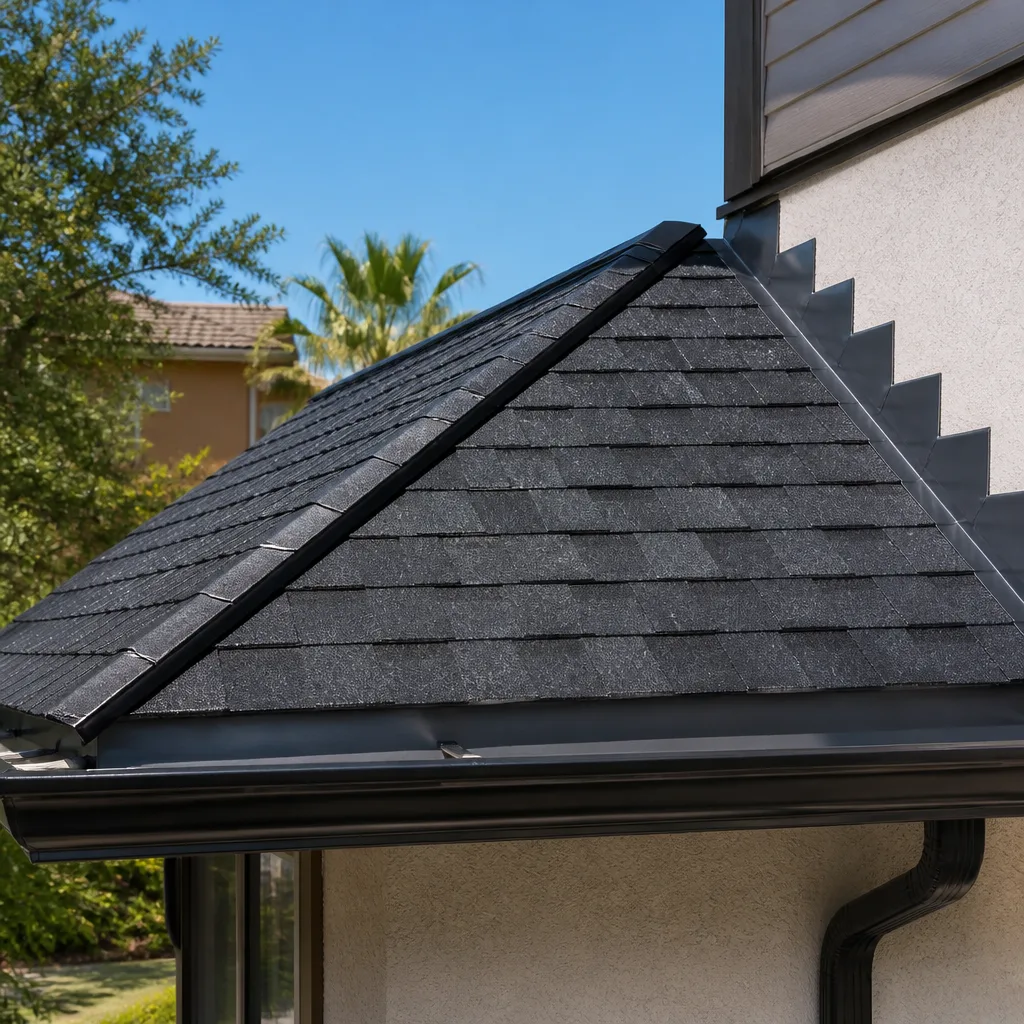
- Missing step flashing at roof-to-wall transitions. Look where a roof plane meets a vertical wall. There should be a small metal L-shaped piece woven into every course of shingles. If you see caulk instead of metal, the job was shortcut.
- Wrong fasteners. Roofing nails should be galvanized or ring-shank. Plain steel nails rust through in a North Texas attic and leave the shingle loose. If a magnet pulls hard on a roof nail, that’s a warning sign.
- Inadequate roof slope. Shingles need a minimum pitch to shed water. A low-slope section covered with standard shingles instead of a low-slope membrane will leak within a few seasons.
- No permit stickers or inspection sign-off. Every eligible job in Plano requires a permit and a final inspection. A previous remodel with no paper trail is a guess about what’s behind the wall.
- Caulk masking gaps on window and door frames. A bead of caulk hiding a gap between a window frame and rough opening is a temporary patch that fails within a year. Proper installation uses shims and flashing, not a caulk tube.
- Fence posts set in shallow holes. In North Texas clay, a fence post needs a proper depth of concrete. A post that wobbles after one season was set too shallow, and we see it in Plano fence lines all the time.
If you’re evaluating a fence or exterior project and want to know what right looks like, our guide to Fence Installation in Plano walks through the installation details that matter most.
Exterior Signs Unique to North Texas Clay Soil
North Texas sits on expansive clay, and that clay swells when wet and shrinks when dry. Most homeowners attribute what follows to age. It’s often an active problem. Here’s what we look for on a Plano exterior:
- Gaps between siding and foundation: A widening gap, especially on the south or west side where the sun hits hardest, often means the soil is pulling away and the slab is moving. Often seen in Plano neighborhoods with heavy tree cover, where roots draw moisture unevenly.
- Separation at brick control joints: Brick veneer has intentional vertical joints that allow movement. A joint that opens more than a quarter inch is doing its job but telling you the slab is moving.
- Sticking doors and windows: A door that sticks in August and frees up in November is a seasonal symptom. A door that sticks all year is a foundation warning.
- Sloping or cracked driveways and walkways: Clay movement cracks and lifts concrete slabs. A driveway that drains toward the house instead of away pushes water back to the foundation. Our overview of Driveway & Pavers in Plano explains how proper grading and base prep prevent that.
- Chimney separating from the house: On older Plano homes, a chimney pulling away from the siding line is a strong, visible sign of differential settlement.
- Fence gate sagging or posts leaning: A fence is the first thing to show clay movement because posts are shallow. A gate that swings past the latch on its own is the clay talking.
None of these mean a foundation failure is guaranteed. They mean it’s worth a documented look this season, not next.
Sounds and Smells That Signal a Problem
Not every warning sign is something you see. Plano homeowners tell us about sounds all the time, and some are worth acting on.
- Popping or creaking at night: Usually thermal movement as the house cools. Normal unless it’s accompanied by a visible new crack.
- A rhythmic sound in a wall or ceiling: Possibly a plumbing leak spraying against sheathing or drywall. Call this week.
- A soft hiss near a water heater or hose bib: A failing valve or a pinhole leak. Shut the water off at the main and call a plumber.
- Musty smell in a closet or hallway: Often a slow leak inside the wall or under the slab. Plano’s humid summers make this show up fast.
- A drafty feel near a window frame: Failed weatherstripping or a window that has shifted. Our guide to Home Additions & ADU in Plano covers what proper frame and flashing work looks like on new openings.
The Decision Matrix: Handle It, Schedule It, or Call This Week
Here’s the framework we give every Plano homeowner. Match the sign to a column and you’ll know whether to grab a caulk tube or a phone.
- Handle it yourself (this weekend): Hairline vertical drywall cracks under 1/16 inch. A dry water stain that hasn’t grown. A single shingle tab flipped up. Sticking window weatherstripping. Cosmetic caulk joints at a shower or sink.
- Schedule it in the next 90 days: A diagonal crack from a window corner that’s stable. Missing grout in a patio or walkway. Fence posts that wobble but haven’t leaned. A roof that’s 15 years old with no active leak. A door that sticks only in summer. These are watchable, but you want a documented look before the season changes.
- Call this week: Stair-step brick cracks. Any horizontal crack in brick or a foundation wall. A damp water stain anywhere on a ceiling. Missing step flashing where water has gotten in. A baseboard stain with an active leak. A window frame separating from the wall. Any crack you can see daylight through.
When in doubt, we’d rather you call and hear “that’s cosmetic” than wait a season and hear a foundation number.
A Seasonal Walkthrough Checklist for Plano Homes
A 20-minute walk twice a year catches most of what gets expensive. We recommend it in April, before storm season, and in October, before the first freeze.
- Walk the exterior and check every brick control joint along one wall. If a quarter-inch joint has opened noticeably, note the date.
- Check the attic sheathing and rafters around every vent and chimney penetration.
- Look at the ceiling and upper walls in every room for new stains or cracks.
- Test every door and window for sticking. Write down which rooms and when.
- Check the fence line for leaning posts and sagging gates.
- Confirm gutters drain away from the house and downspouts release at least a few feet from the foundation.
- Look at the driveway and walkway for new cracks or slabs that have lifted at a joint.
Keep the notes. A dated record tells a contractor (or a future buyer) exactly what’s fresh and what’s been stable for years. It also protects you if a warranty issue comes up later.
Common Mistakes to Avoid
- Painting over a crack without diagnosing it. Paint fails first when a crack is moving. A fresh coat hides the diagnosis and leaves you with a worse problem next season.
- Assuming a stain is old because it looks dry. A slow roof leak in Plano can dry between rains and still be active. Test it by feel and by timing, not just appearance.
- Hiring a contractor who quotes one price on the phone and a different number on-site. Ask for written scope, allowances, and change orders before work starts. That one habit prevents most of the horror stories we hear.
- Skipping the permit on an “easy” remodel. A prior owner’s unpermitted addition or bathroom is a problem you inherit. Every eligible job should have a permit and a signed inspection. The permit inspector works for you, not for the contractor.
- Attributing every exterior gap to age. Clay movement in North Texas is seasonal, but a gap that widens over one season is active. Age explains wear, not movement.
- Caulking a window gap instead of fixing the flashing behind it. Caulk is a temporary patch, not a repair. Water comes back as soon as the caulk fails.
- Waiting until storm season to inspect the roof. A pre-storm inspection in April gives you time to schedule real repair. A post-damage inspection puts you in line with everyone else in Plano at once.
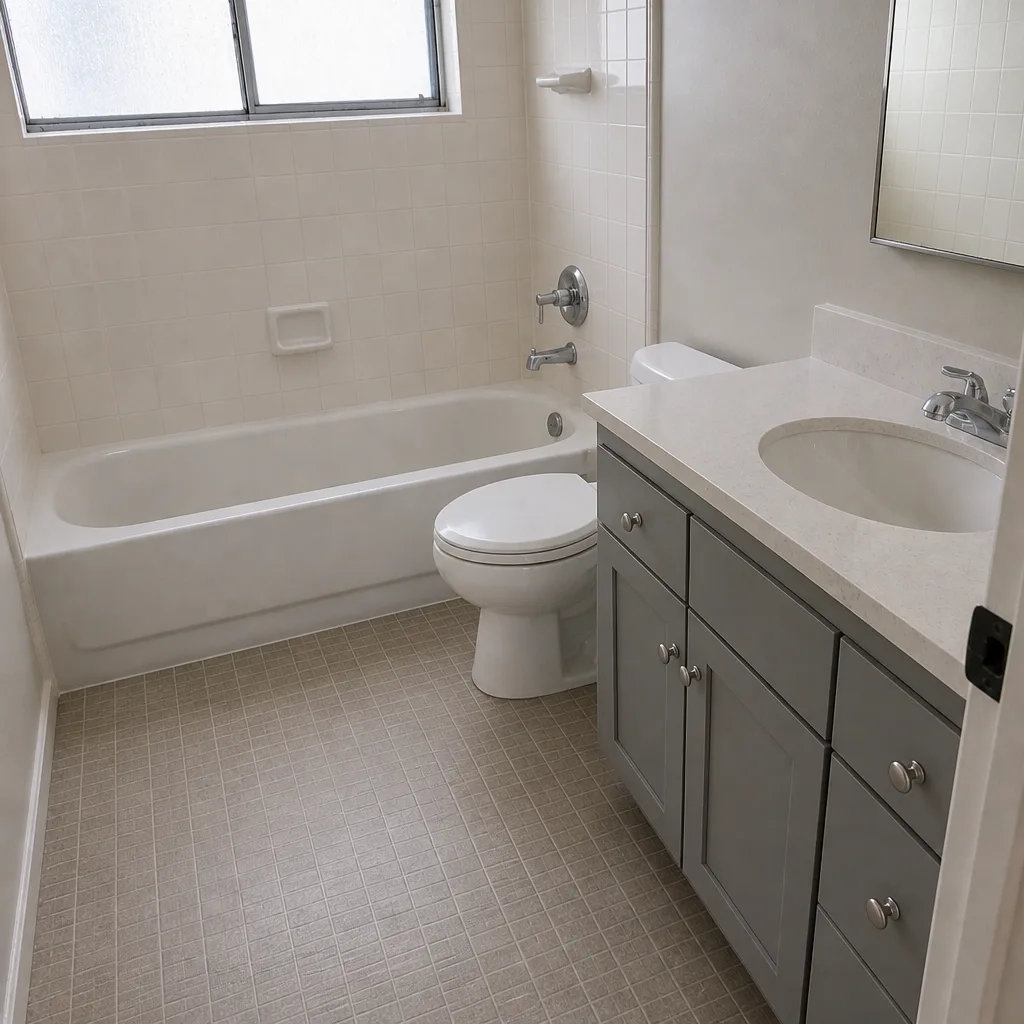
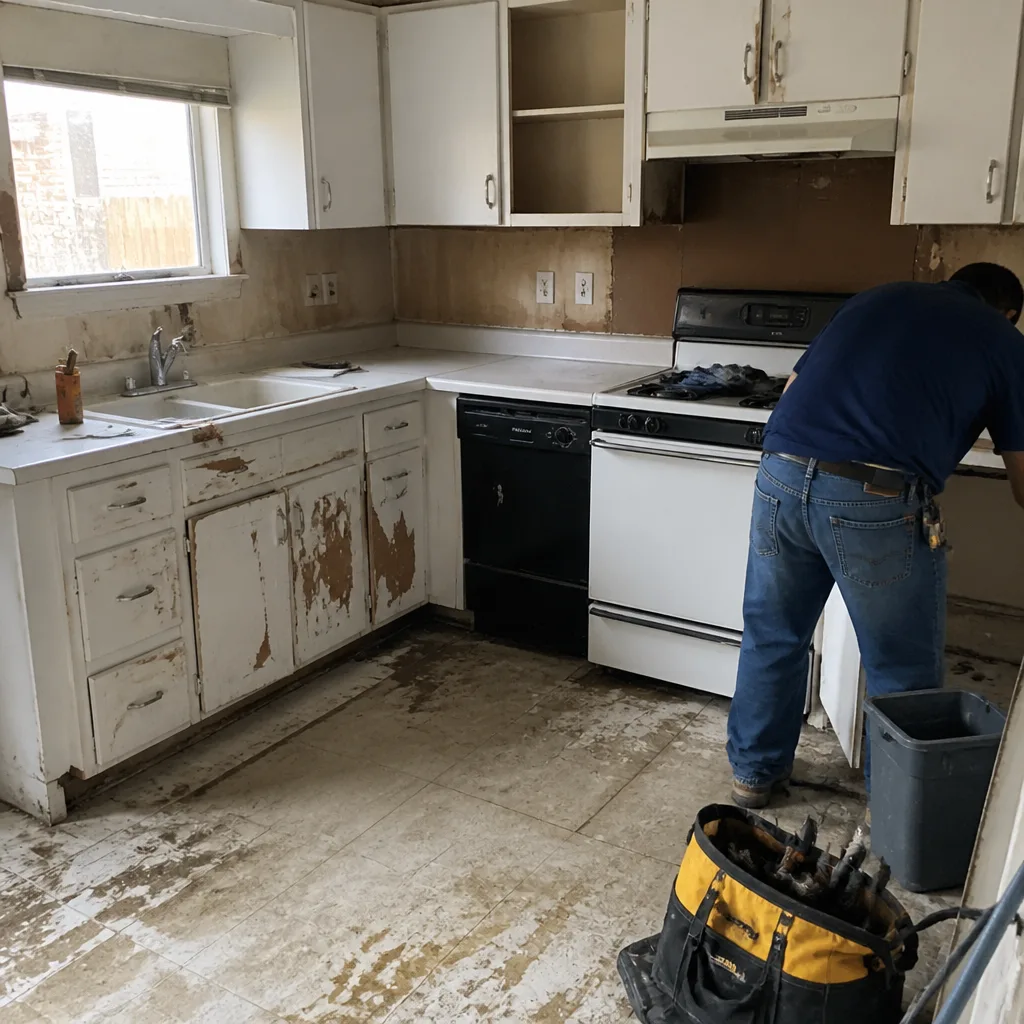
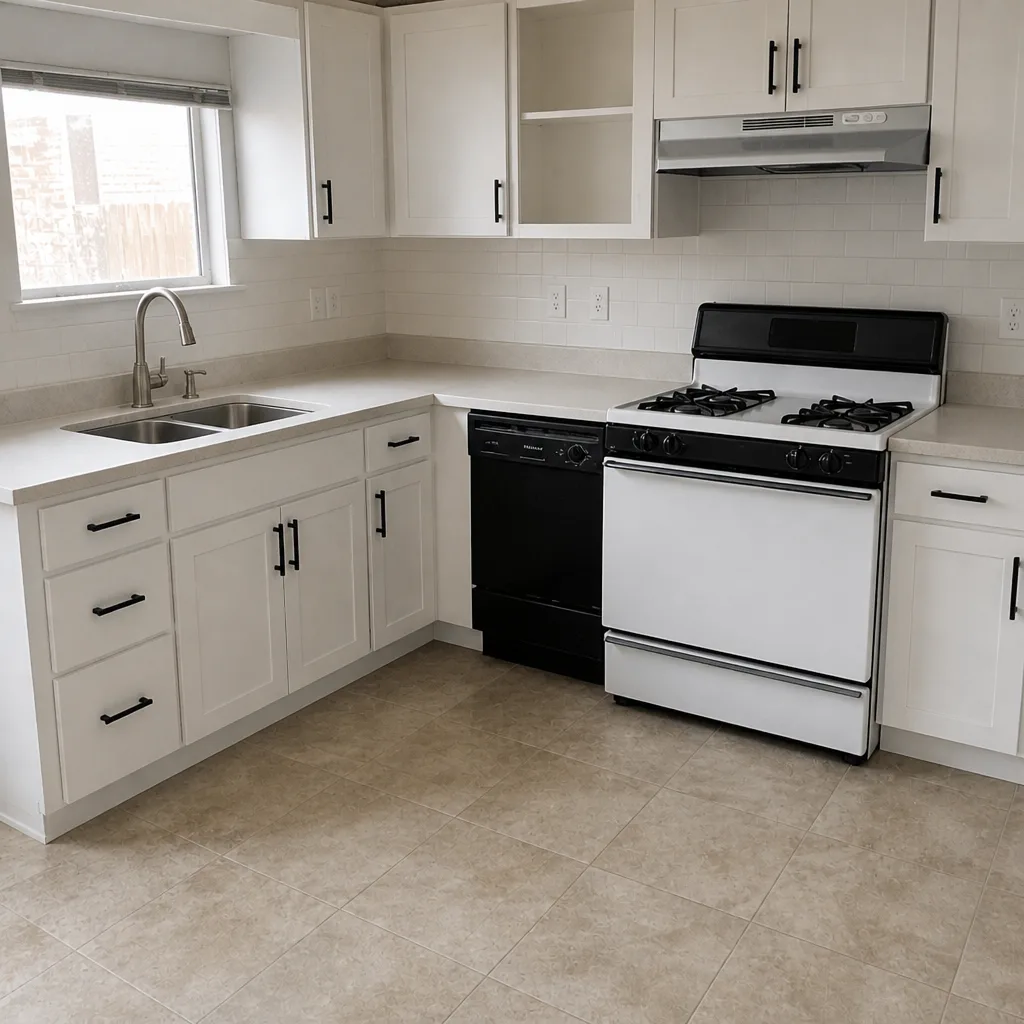
See the difference
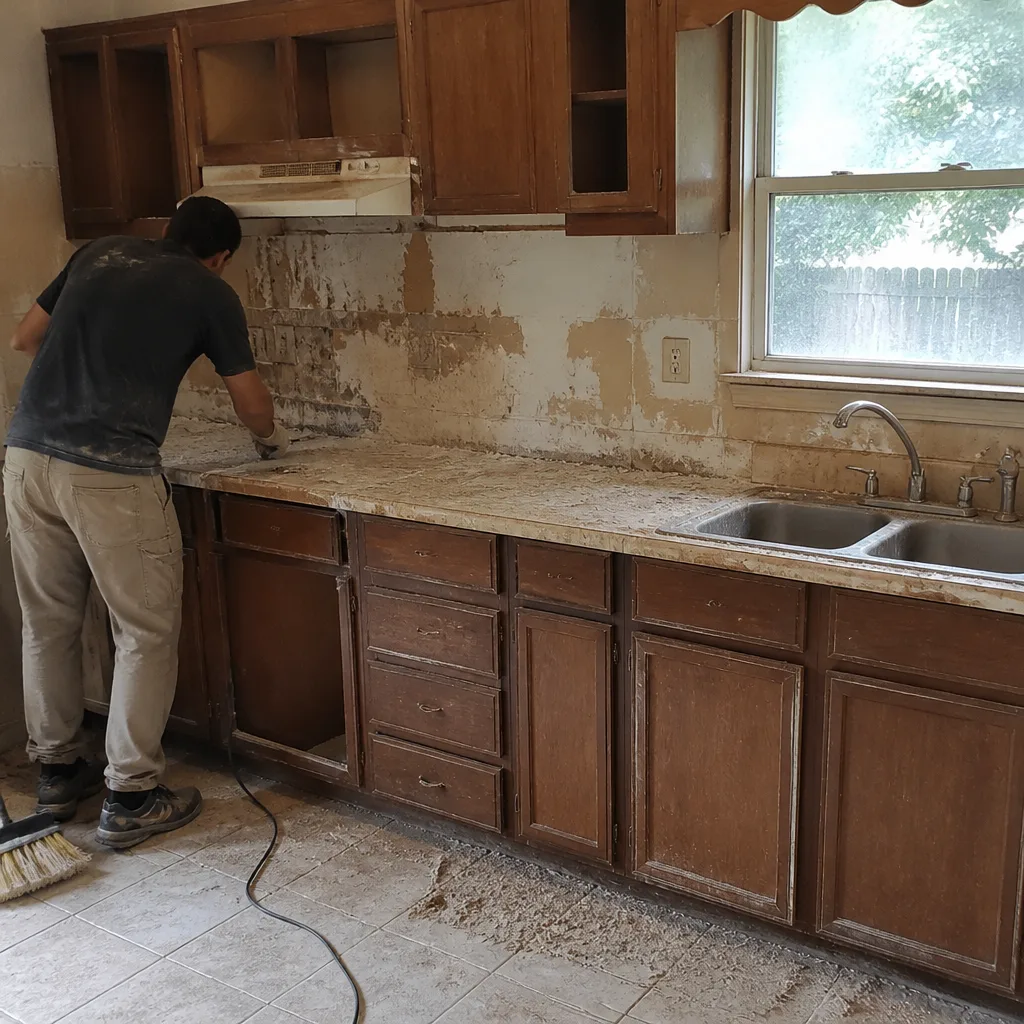 Before
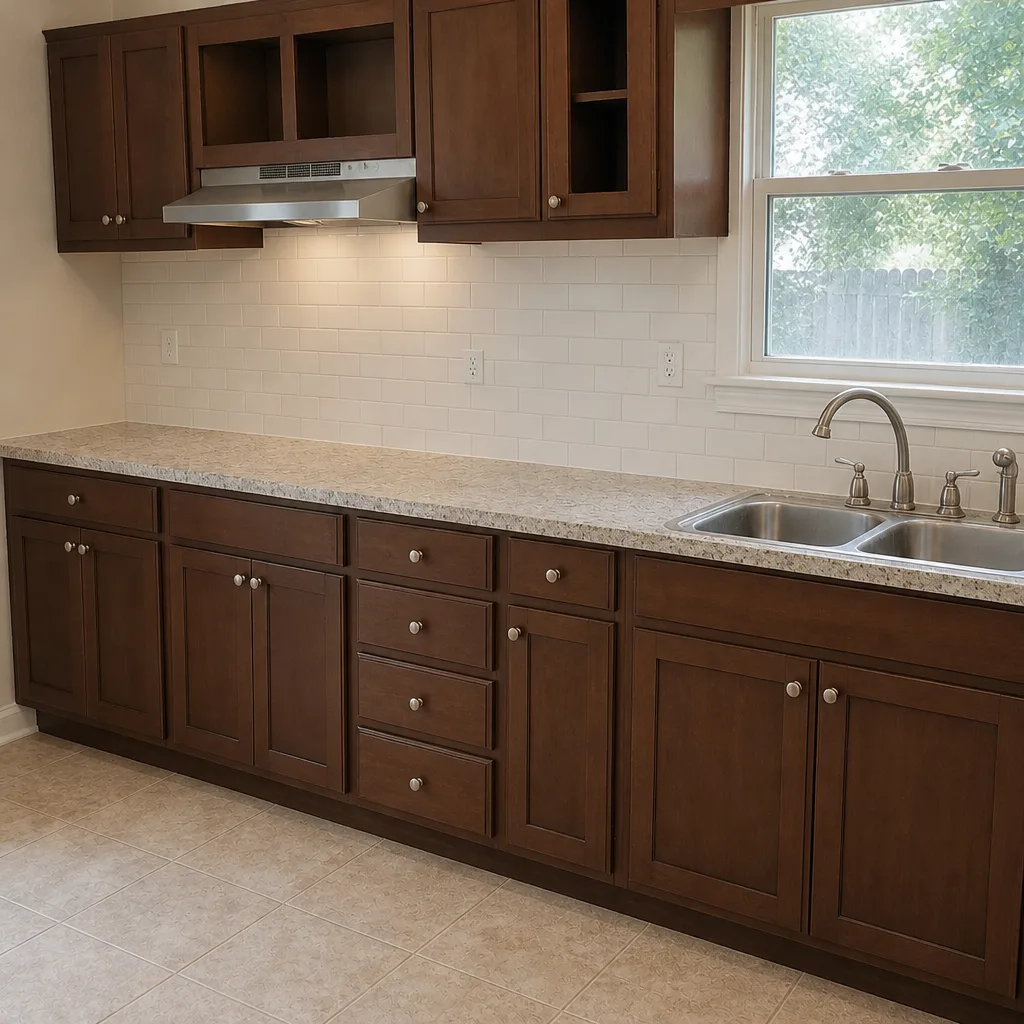 After
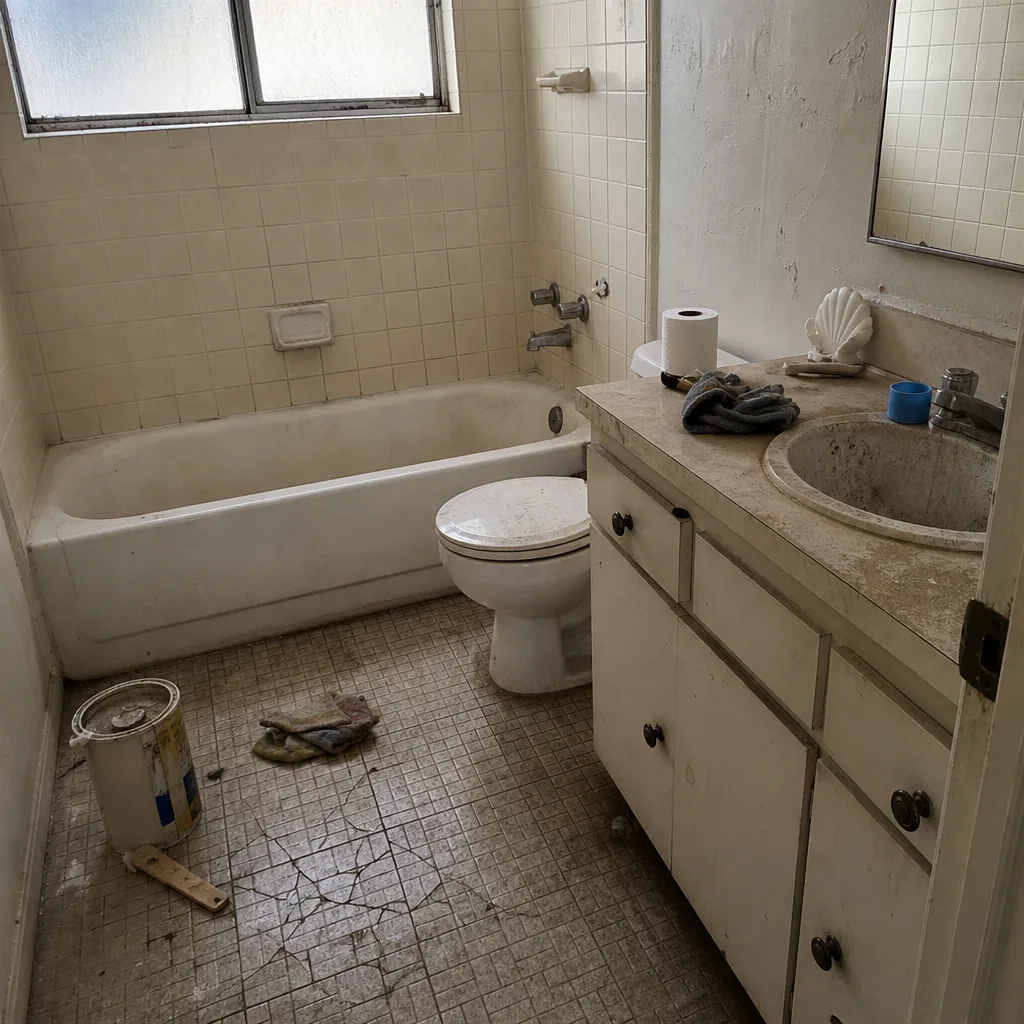 Before
 After
 Before
 After
When to Call a Professional
Call for stair-step brick cracks, horizontal cracks in brick or a foundation wall, any damp water stain, a window or door frame separating from the wall, active leaks at a baseboard, and any sign of missing flashing where water has entered. These are not DIY repairs; a trained contractor can tell the difference between normal movement and an active structural issue before you spend money on the wrong fix. If you’re planning a renovation or addition and want to make sure the job is done with permits pulled and written change orders before any work starts, our overview of Barrett & Sons Construction Plano explains how we structure every job. Barrett & Sons Construction Plano offers free estimates in Plano – call (877) 382-4108.
Also, if you take one step today: take photos of any crack or stain from a fixed spot near the wall, date the file, and retake the same shot 30 days later. That before-and-after comparison is often the only way to know whether a warning sign is stable or moving.
Frequently Asked Questions

Not always, but it’s frequently a sign of foundation movement and warrants a professional look this week. Stair-step cracks follow mortar joints through the brick courses, which usually means load is transferring through the wall. A cosmetic hairline diagonal crack in drywall is a different thing entirely, so pay attention to whether the crack is in brick or drywall. Call (877) 382-4108 for a free second opinion on any written estimate if you’ve already had it looked at.
Foundation inspections in Plano typically range from a few hundred dollars for a documented structural evaluation up to around $1,500 if engineering is involved. Some contractors roll the inspection into an overall estimate. Get the scope in writing before you commit, and ask whether the report includes a monitoring recommendation. Call (877) 382-4108 for a free estimate if you’re comparing bids.
Cosmetic repair generally doesn’t need a permit, but anything that changes structural load, framing, or foundation work typically does. When in doubt, pull the permit. A permit inspector signing off is protection for you, and any contractor who tells you permits are optional is telling you something about how they work. Our team pulls permits and passes inspections on every eligible job. Call (877) 382-4108 for a free estimate.
A stain at the ceiling-wall junction usually points to a roof-to-wall flashing or drip-edge problem, or a blocked gutter backing water up. It is often not a simple roof-surface leak. If the stain is damp, it’s active and should be addressed this week. Call (877) 382-4108 for a free estimate and we’ll look at the flashing and drainage together.
Most homeowner policies exclude damage from earth movement, including clay soil settlement, so it’s usually an out-of-pocket repair. Storm-related damage is more often covered. Read your policy’s exclusion section before assuming coverage. If you’re planning a repair and want to know the true scope, get a written estimate; our written change orders mean no surprise invoices. Call (877) 382-4108 for a free estimate.
Most flashing, fastener, or slope corrections on a Plano home take one to three days once the scope is clear. Repairs behind a wall take longer because the wall has to be opened. A written line-item quote gives you the real timeline before work starts. Call (877) 382-4108 for a free estimate and we’ll give you a written scope with no change orders unless something new turns up in the wall.
The Bottom Line
Most of what goes wrong in a Plano home announces itself first as a crack, a stain, a gap, or a sound. The pattern matters more than the size. Stair-step and horizontal cracks in brick, damp stains at ceilings or baseboards, and frames pulling away from walls get a call this week. Cosmetic drywall cracks and dry stains go on your 90-day watch list. Document everything with dated photos, walk the exterior twice a year, and insist on written scope and permits on every project. That’s how you spend a little to avoid spending a lot. When a sign doesn’t fit the “watch it” column, that’s the moment to call.
Barrett & Sons Construction Plano offers free estimates in Plano – call (877) 382-4108. Our technicians have up to 28 years of experience, every eligible job includes permits pulled and inspections signed, and every completed job is backed by the written 90-Day Done Right Promise. A live person answers the phone 24 hours a day, seven days a week. You can also take advantage of standing offers including $40 Off Any Repair Over $200, a Free Second Opinion on Any Written Estimate, No Trip Charge Inside the County, and a permanent 10% Senior & Veteran discount.
Written by the team at Barrett & Sons Construction Plano.