
Last updated November 18, 2026






Free written scope consultation - allowances, timeline, and change-order rules on paper before a single trade is scheduled
The Complete Guide to Construction in Plano
Plano issued more than 4,000 residential permits in a single recent year. That’s a lot of crews in this city, and a good number of them will never see your street again once the check clears. Here’s the uncomfortable truth about building and remodeling in Plano right now: the market has split in two. On one side are volume operations chasing the next job before the last one is finished. On the other are owner-operators whose name is on the sign and whose reputation lives and dies two miles from your front door. This guide shows you how to tell them apart before you sign, what Plano’s permits and overlays actually require, and what a real warranty means in Texas.
Quick Answer
Hiring a construction contractor in Plano comes down to verifying three things: a physical, accountable presence in Collin County, permits pulled through the city’s Development Services department with inspections signed, and a written warranty that holds up under Texas law rather than a flyer promise. Everything else, including price, is secondary to those three. The best protection you have is a contractor who lives close enough that fixing a problem is easier than avoiding you.
Styles & brands we work with
- Kitchen remodeling
- Bathroom remodeling
- Home additions & ADU
- Roofing
- Windows & doors
- Driveway & pavers
- Fence
Table of Contents
- Why Plano’s Growth Split the Contractor Market in Two
- Plano Zoning Overlays and HOA Rules: What You Can Actually Build
- The Plano Permit-to-Inspection Timeline, Step by Step
- Owner-Operated vs. National Outfits: Change Orders and Permit Pulls
- What “Warranty” Actually Means in Texas Construction Law
- How to Verify a Contractor’s Physical Presence in Collin County
- What Plano Homeowners Actually Build and Remodel
- Common Mistakes to Avoid
Why Plano’s Growth Split the Contractor Market in Two
Plano grew fast, and the construction trade grew to meet it. What that produced isn’t a single market. It’s two. The volume tier runs on salespeople, call centers, and crews that rotate through subdivisions on a schedule set somewhere far from Plano. The owner-operator tier is smaller, slower to scale, and made up of people whose phone number hasn’t changed in years.
The two tiers behave differently in ways that matter after the contract is signed, not before. Volume operations are built to win bids, which means the number on the front page tends to be the lowest one they can say out loud. The money shows up later, in allowances, upgrades, and charges that weren’t in writing. Owner-operators usually lose some of those bids, because their number includes the permits and the real material. That’s the trade: a higher opening quote from someone who has to look you in the eye at the hardware store, or a lower one from a company that won’t be here next spring.
We’ve watched this play out across Plano neighborhoods from Willow Bend to Deerfield. The tell isn’t price. It’s whether the person who quoted the job is the person who shows up to run it. When the salesperson and the crew are strangers to each other, nobody owns the outcome. When they’re the same family, someone does.
Plano Zoning Overlays and HOA Rules: What You Can Actually Build
Here’s the gap most homeowners find out about too late: a salesperson promises an addition or a detached structure, and then Plano’s zoning rules and your HOA covenants say no. What you can build depends on your specific lot, your overlay district, and your subdivision’s covenants, and those three don’t always agree.
Plano has a dense patchwork of planned development districts and neighborhood overlays, and many of the city’s older subdivisions sit under HOA covenants that are stricter than the city code itself. A backyard ADU that’s legal under zoning can still be blocked by a covenant written in 1985. Setbacks, height limits, lot coverage, and fence heights all get layered: the city sets a floor, the HOA often sets a ceiling, and you have to satisfy the tighter of the two.
The practical steps before anyone draws a plan:
- Pull your plat and zoning designation from Collin County records and confirm your exact zoning and any overlay.
- Read the HOA covenants, not the summary. Look for architectural review requirements, approved materials, and fence and structure rules.
- Ask Development Services a pre-application question about your specific address before design money gets spent.
- Get the scope in writing from your contractor, including what happens if the city or HOA rejects a piece of it.
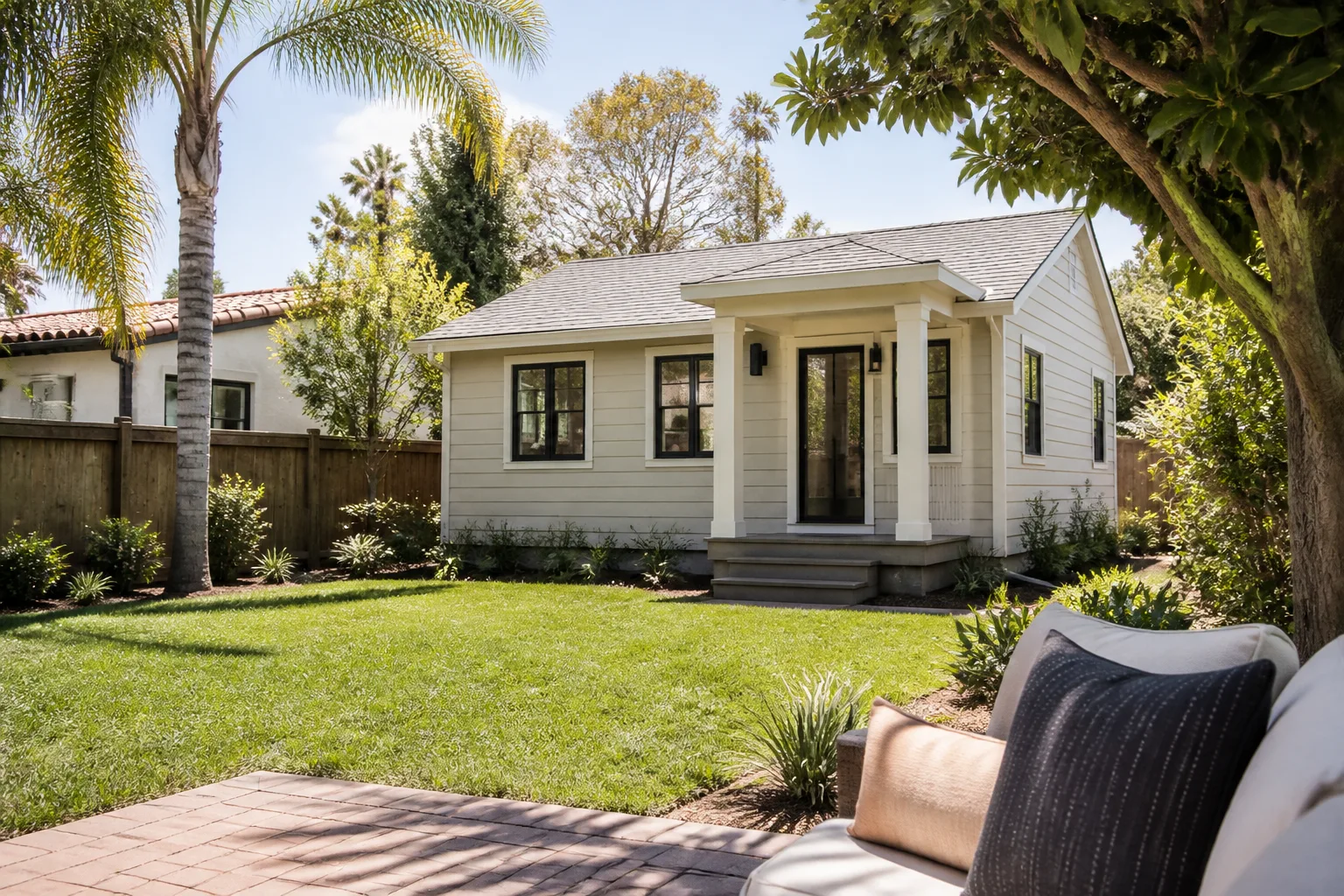
This is where a reliable contractor earns trust early. If a company promises a project without checking your overlay, they’re guessing with your money. For projects that hinge on these rules, our Home Additions & ADU in Plano work starts with the zoning and covenant check, because a plan that can’t be permitted isn’t a plan.
The Plano Permit-to-Inspection Timeline, Step by Step
Plano runs permits through its Development Services department, and the timeline from application to final inspection depends heavily on the scope and whether the plans are clean. A straightforward interior remodel moves faster than a structural addition, which needs engineering and multiple inspection stages. The order below is the general path most residential projects follow in Plano:
- Plan review and permit application. Submit drawings and scope. Incomplete plans get kicked back, and every kick-back resets the clock.
- Permit issuance. Once approved and fees are paid, the permit posts. This is the green light, and no legitimate crew starts structural work before it.
- Foundation and framing inspections. These are staged and can’t be skipped. Each one needs to pass before the next stage proceeds.
- Rough-in inspections for electrical, plumbing, and mechanical, done before walls close up.
- Final inspection and sign-off. The city signs the job off, and that signed inspection is your proof the work met code.
Two things trip people up. First, the inspection schedule isn’t instant; a crew that tells you inspections don’t matter is telling you they don’t plan to pass them. Second, the permit inspector works for you, not the contractor. A pass on the record is one of the few independent checks you get on quality. On every eligible job, permits get pulled and inspections get signed, and that paper trail follows the house when you sell it.
Owner-Operated vs. National Outfits: Change Orders and Permit Pulls
The clearest difference between the two tiers shows up in two places: change orders and permits. A company built to win bids has an incentive to keep the front-page number low, which means the real cost arrives later as an allowance overrun or an “unexpected” charge. The allowance that isn’t on paper is a surprise waiting for a date.
Owner-operated firms behave differently for a plain reason: the owner has to live here. When the person running the job is twenty minutes away and will see you at the store, surprise invoices get expensive fast, in reputation if not in cash. So the scope, the allowances, and every price change come in writing before work happens.
- Permits: An owner-operator pulls the permit because the inspection record protects them as much as you. A volume outfit sometimes treats permits as optional paperwork to shave time.
- Change orders: Written and signed before the work, in an owner-operated shop. Verbal and after-the-fact in too many volume jobs.
- Who shows up: With a family firm, the people on site carry the company’s name and answer to it. With a franchise or national outfit, the crew and the brand may be strangers.
We’re an owner-operated company, and that shapes how we work: every scope, allowance, and price change is a written change order before a nail moves. It costs us some bids. It also means the invoice at the end matches the one you agreed to.
What “Warranty” Actually Means in Texas Construction Law
Texas law treats construction defects and warranties with real teeth, but the words on a flyer and the words in your contract are two different things. A generic “we stand behind our work” line means very little in court. What matters is a written, specific warranty with a defined term and a defined remedy, signed into the contract.
Under Texas law, a contractor can be liable for defective work and for failing to build in a good and workmanlike manner, and there are notice-and-cure requirements that govern how disputes get handled. None of that substitutes for a clear written guarantee. A flyer promise with no term, no remedy, and no signature is decorative. A warranty that says who fixes what, within how long, is enforceable.
This is why we put our 90-Day Done Right Promise in writing on every construction and remodeling contract, not in fine print. If something’s not done right, one call brings the owner back to make it right. That’s the standard a homeowner should hold every contractor to, whether they hire us or not: ask for the warranty in writing, ask what the remedy actually is, and get it signed before work starts.
How to Verify a Contractor’s Physical Presence in Collin County
You can find out a lot about a contractor before you sign anything, and it takes an afternoon. The goal is simple: confirm the company is real, reachable, and accountable in Collin County rather than a name that vanishes after the check clears.
- Look up the license and registration. A legitimate Texas contractor will give you their license or registration number and expect you to check it against state records.
- Confirm a real local address. Not a PO box or a call center. A physical address you can drive to.
- Call the number at an odd hour. A live person answering, not a voicemail box and not an out-of-state call center, tells you whether anyone’s actually accountable.
- Ask for local references in your part of Plano, and actually call two of them.
- Check the permit history. Ask the contractor for recent Plano permit numbers and confirm the inspections passed.
- Get the warranty and change-order terms in writing before you sign the main contract.
A trustworthy contractor won’t flinch at any of this. The ones who get cagey when you ask for the license number or a local reference are telling you something. Ask anyone on your street, or look up the license number yourself; that’s the whole point of publishing it. For a broader view of how we work locally, see our Barrett & Sons Construction Plano home.
What Plano Homeowners Actually Build and Remodel
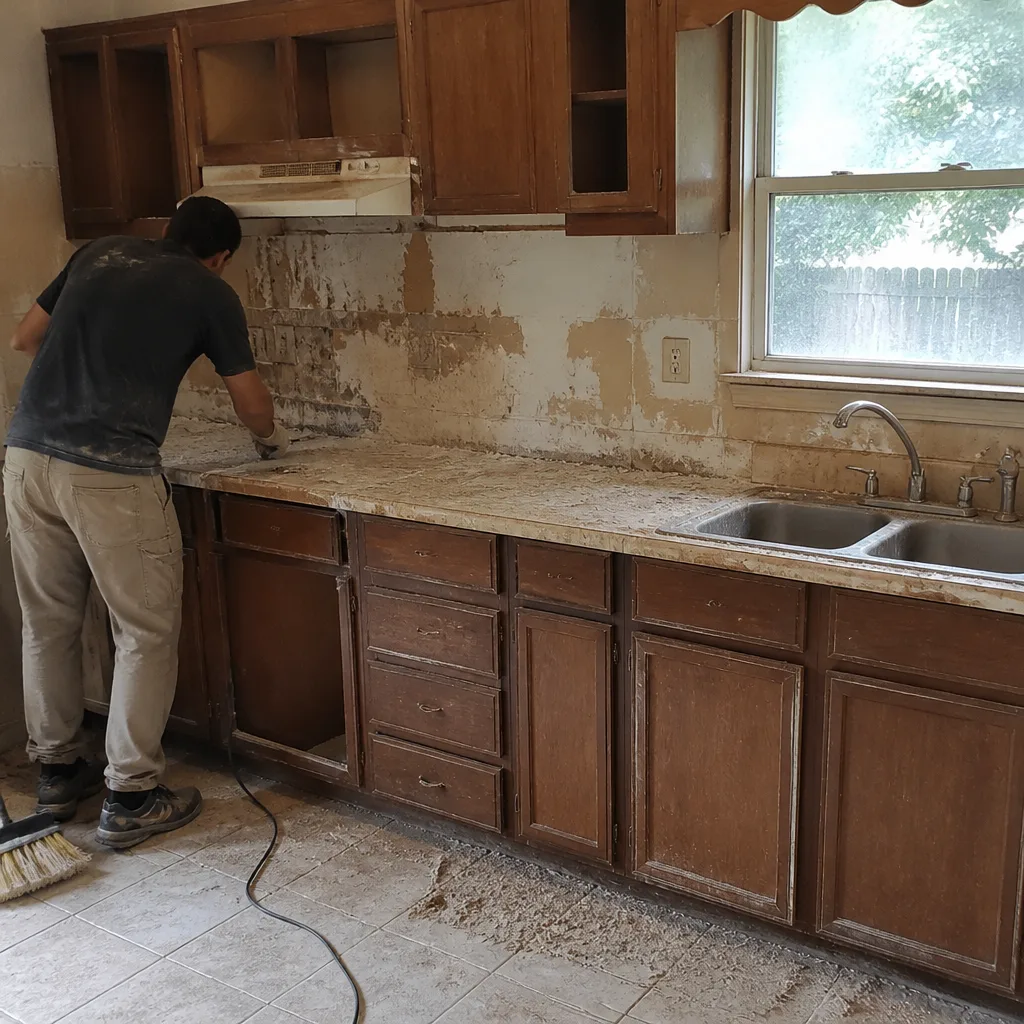
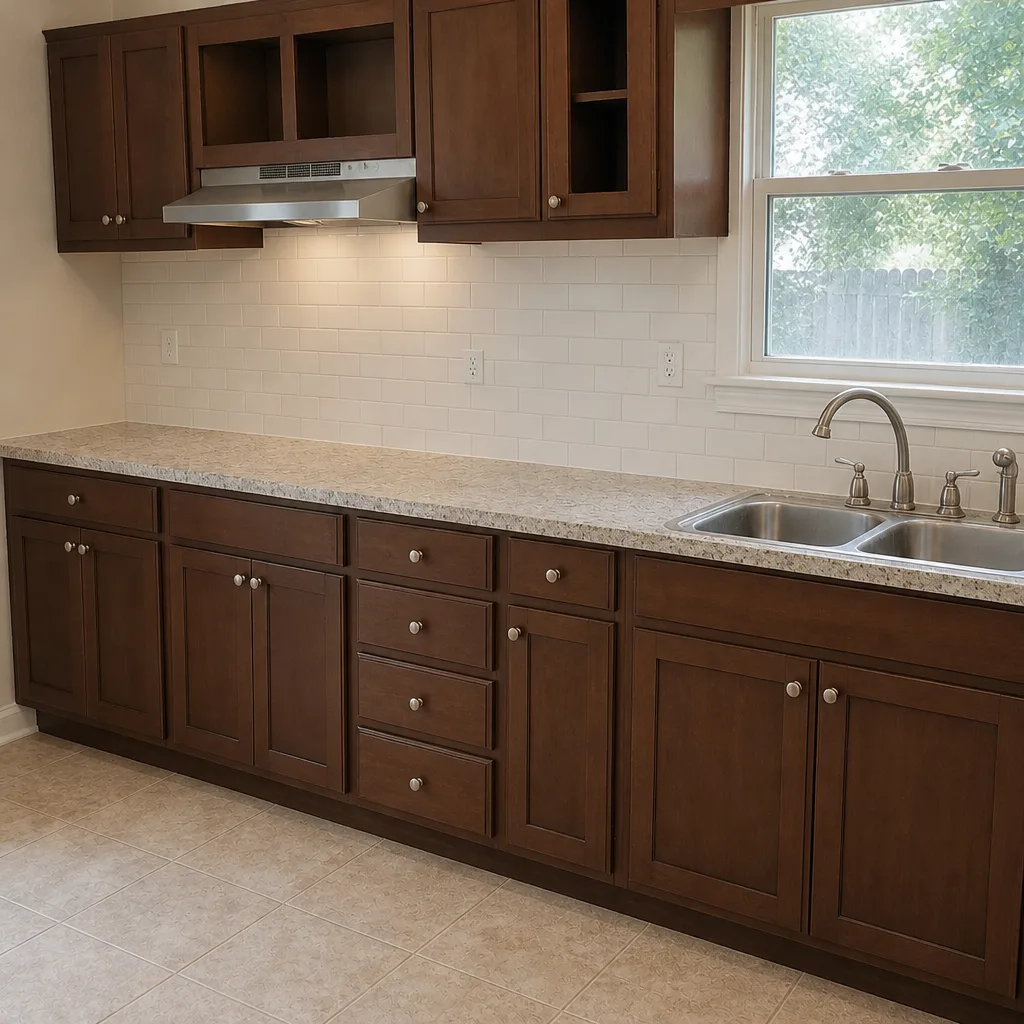
Most of the construction work in Plano falls into a handful of categories, and each has its own permit and inspection rhythm. Kitchens and bathrooms make up the bulk of remodeling, and both involve rough-in inspections before walls close, so the timeline matters. Roofs get replaced on a cycle that Plano’s hail and summer heat push faster than in milder climates, and a good roof install uses named brands like IKO or Atlas rather than mystery materials, because you can look up the spec sheet before you pay for it.
Outdoor projects are big here too. Fences and hardscape both sit under HOA rules and city setbacks that catch people off guard. Driveways and patios need proper base prep to survive Texas clay soil, which swells and shifts seasonally; a paver job that skips the base looks fine for a year and heaves after two. Fence installs need to respect height limits and the covenant rules for your subdivision.
Here’s where the specifics live:
- For hardscape, see Driveway & Pavers in Plano, where base prep and drainage get handled right the first time.
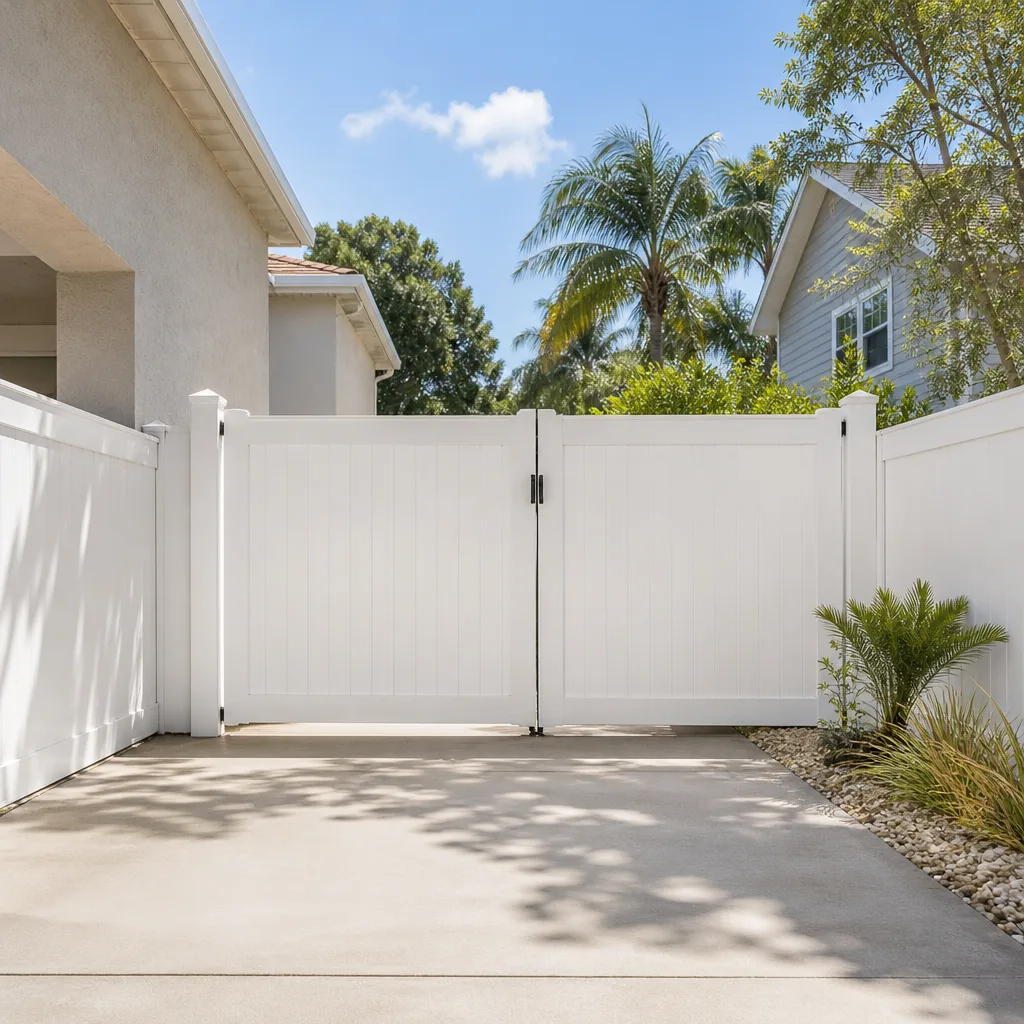
- For fencing, see Fence Installation in Plano, done to your HOA’s height and material rules.
- Roofs use specified materials, and windows and doors follow the same principle: Andersen and Marvin, name brands you can verify, installed with permits pulled.
The through-line is the same on every project: scope in writing, allowances in writing, change orders in writing, and a permit record to back it all up.
Common Mistakes to Avoid
- Choosing on the opening number alone. The lowest bid is often the bid with the most room to grow through allowances. Compare the full written scope, not the headline figure.
- Assuming a salesperson’s promise equals a permit. In Plano, an addition or structure needs city sign-off and often HOA approval. Get both confirmed before you pay for plans.
- Skipping the HOA covenant check. A backyard structure that passes zoning can still fail your subdivision’s 1980s-era covenant. Read the rules before design.
- Accepting a verbal change order. A price change that isn’t on paper is a surprise waiting for a date. Never let work proceed on a handshake change.
- Treating a flyer warranty as real. Texas law lets written warranties carry weight; a slogan doesn’t. Ask for the term and the remedy in writing.
- Not verifying the contractor is physically here. A call center and a PO box can vanish after the check clears. Confirm a real address, live phone, and local references first.
- Letting a crew start structural work before the permit posts. Work done before permit issuance can mean tearing it out to pass inspection later.
See the difference
 Before
 After
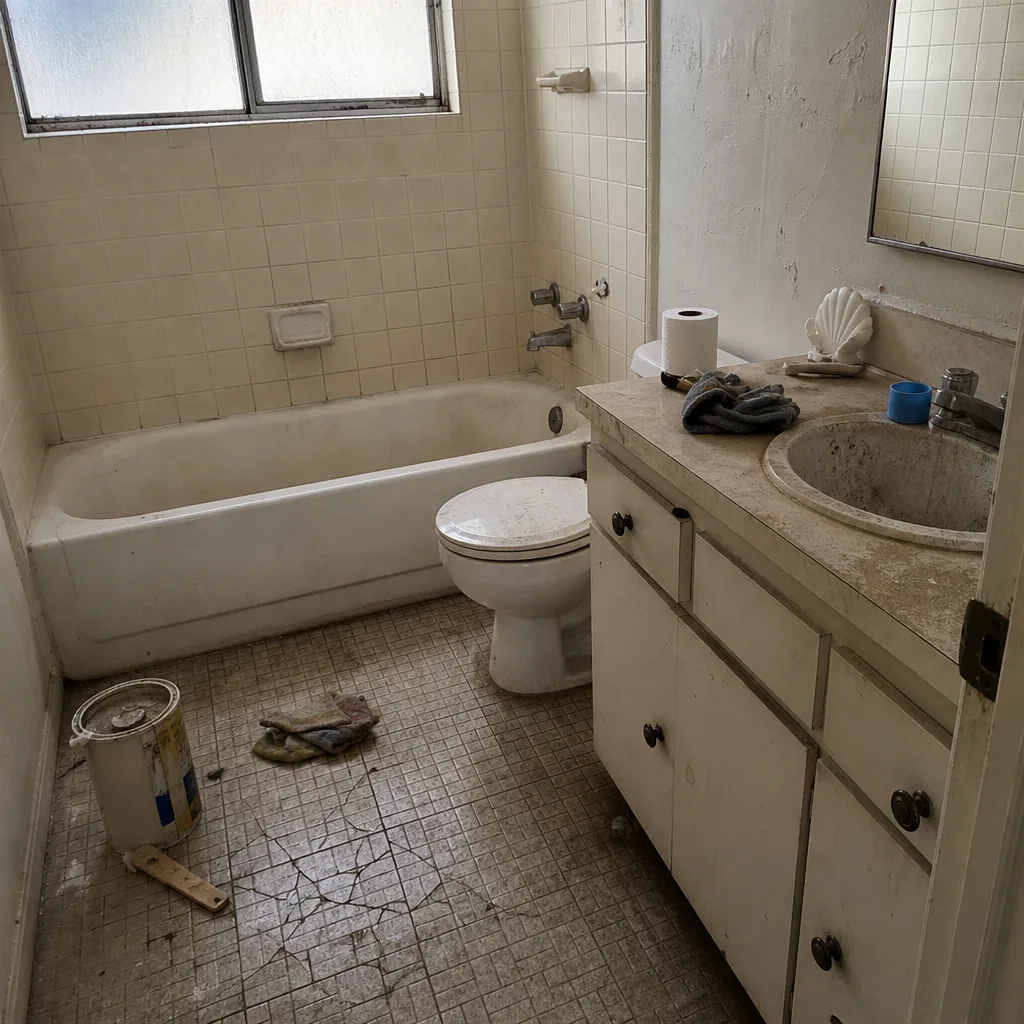 Before
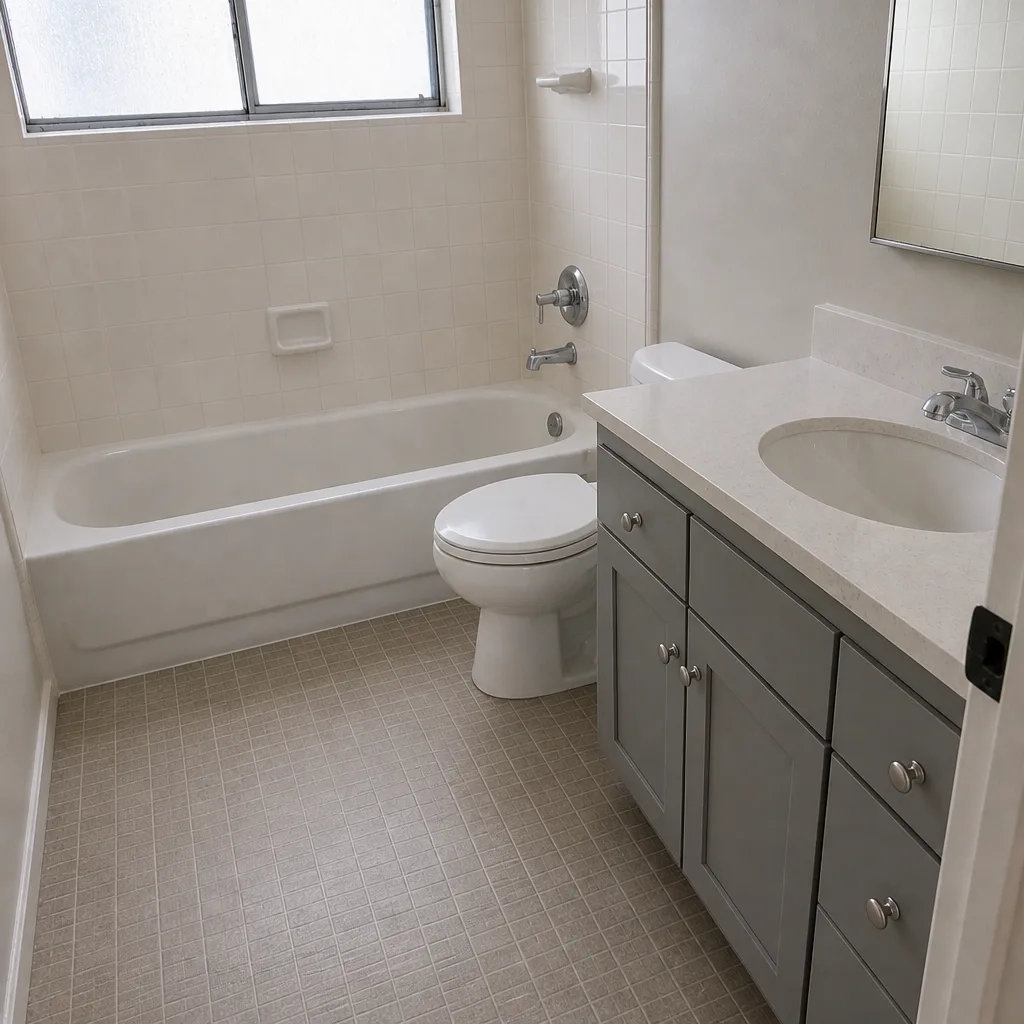 After
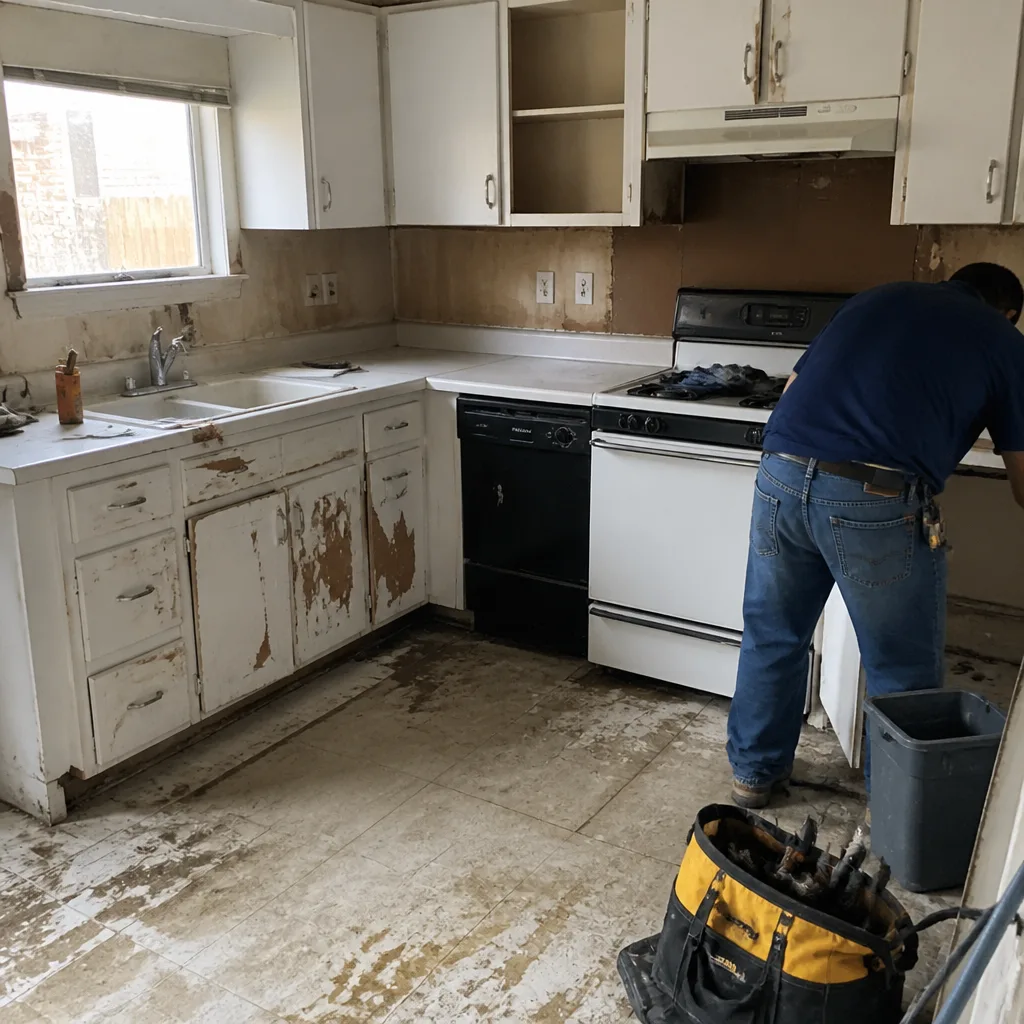 Before
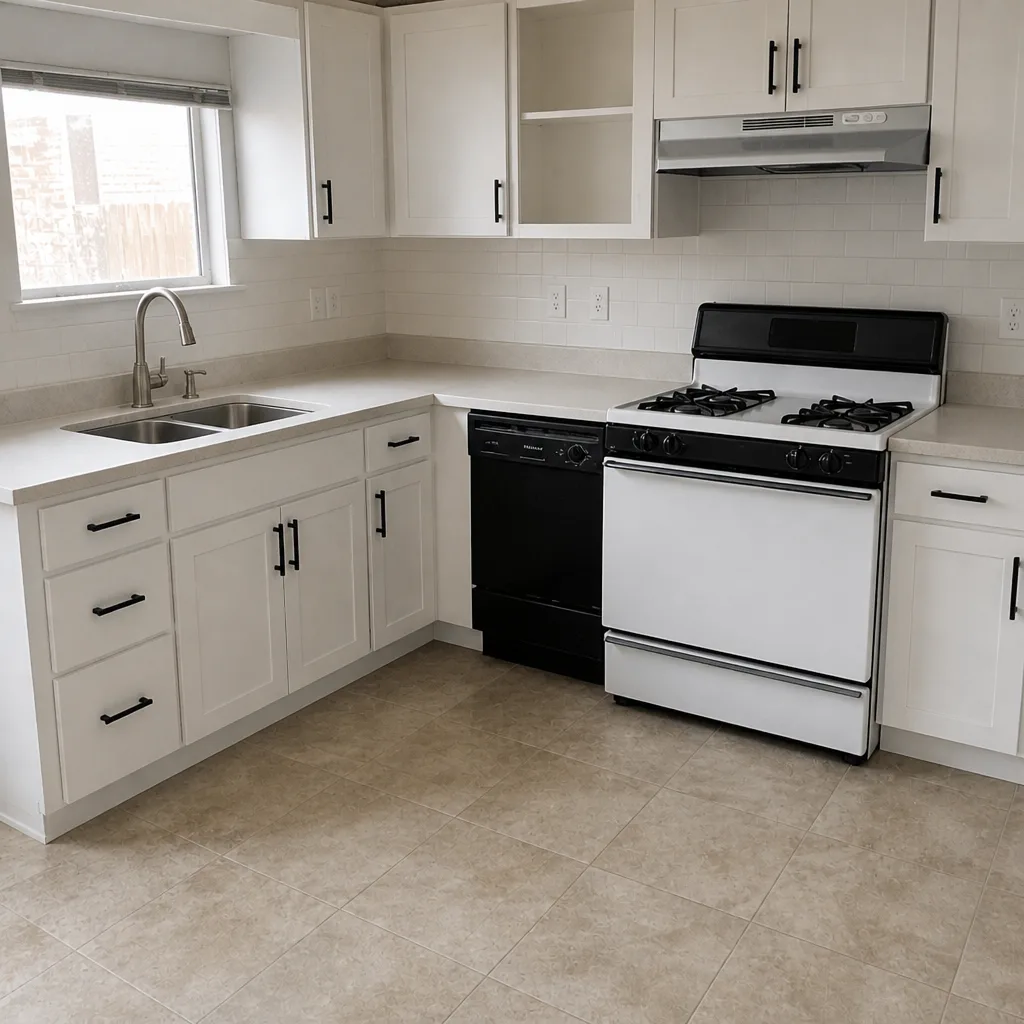 After
When to Call a Professional
Some jobs are genuinely do-it-yourself. Plenty aren’t, and calling a pro early saves money and avoids a tear-out. Bring in a trained professional when the work touches structural framing, electrical panels or new circuits, gas lines, or anything that needs a permit to be legal in Plano. Bring one in when an addition or ADU needs zoning and HOA review. Bring one in when a roof, window, or exterior project needs a warranty that holds up. And bring one in when the last contractor left something that isn’t right and nobody’s answering. Barrett & Sons Construction Plano offers free estimates in Plano. Call (877) 382-4108 to schedule yours, and we’ll put the scope in writing before anything starts.
Frequently Asked Questions
Most structural, electrical, plumbing, and mechanical work in Plano requires a permit through Development Services, while some cosmetic work like paint and floorcovering does not. When in doubt, the safe answer is yes; pulling a permit protects your inspection record and your resale. Call (877) 382-4108 and we’ll tell you whether your specific job needs one.
Check the license or registration number against state records, confirm a physical local address you can drive to, call the phone number and see if a live person answers, and ask for recent Plano permit numbers with passed inspections. A company that flinches at those requests is telling you something. Call (877) 382-4108 for a free second opinion on any written estimate.
In Texas, a written warranty with a defined term and a defined remedy carries real weight, while a slogan on a flyer does not. Texas law allows claims for defective work and for a failure to build in a good and workmanlike manner, but a clear written guarantee makes the remedy far easier to enforce. Ask for the warranty in writing and signed before work begins.
Yes. Plano subdivisions often carry HOA covenants that are stricter than the city code on setbacks, height, lot coverage, and fence materials. You have to satisfy both, and the stricter rule wins. Confirm your covenants and your zoning overlay before you spend money on design; a free estimate call to (877) 382-4108 can help you scope it.
The timeline depends on the scope and how clean the plans are; a simple interior remodel moves faster than a structural addition that needs engineering and staged inspections. The general path is plan review, permit issuance, foundation and framing inspections, rough-ins, and final sign-off. Clean, complete plans are the biggest lever on speed.
Usually because allowances and scope weren’t in writing, so the low opening number had room to grow. An owner-operator’s number tends to be higher upfront because it includes the real material and the permits. Every price change should arrive as a written change order before work happens; call (877) 382-4108 for a free second opinion on any written estimate you’ve already received.
The Bottom Line
Plano’s construction market rewards homeowners who look past the opening number. The three things that actually protect you are an accountable local presence, permits pulled and inspections signed, and a written warranty with a real remedy. Owner-operated firms cost a little more upfront because their quote includes the permits and the true material, and they recover the difference in change orders that match the invoice. Volume operations win bids and make it up later. Before you sign anything in Plano, verify the license, call the number, read the covenants, and get every price change in writing. That’s the whole game.
Written by the team at Barrett & Sons Construction Plano.