Last updated November 18, 2026
Free written scope consultation - allowances, timeline, and change-order rules on paper before a single trade is scheduled
The Complete Driveway & Pavers Guide for Plano Homeowners
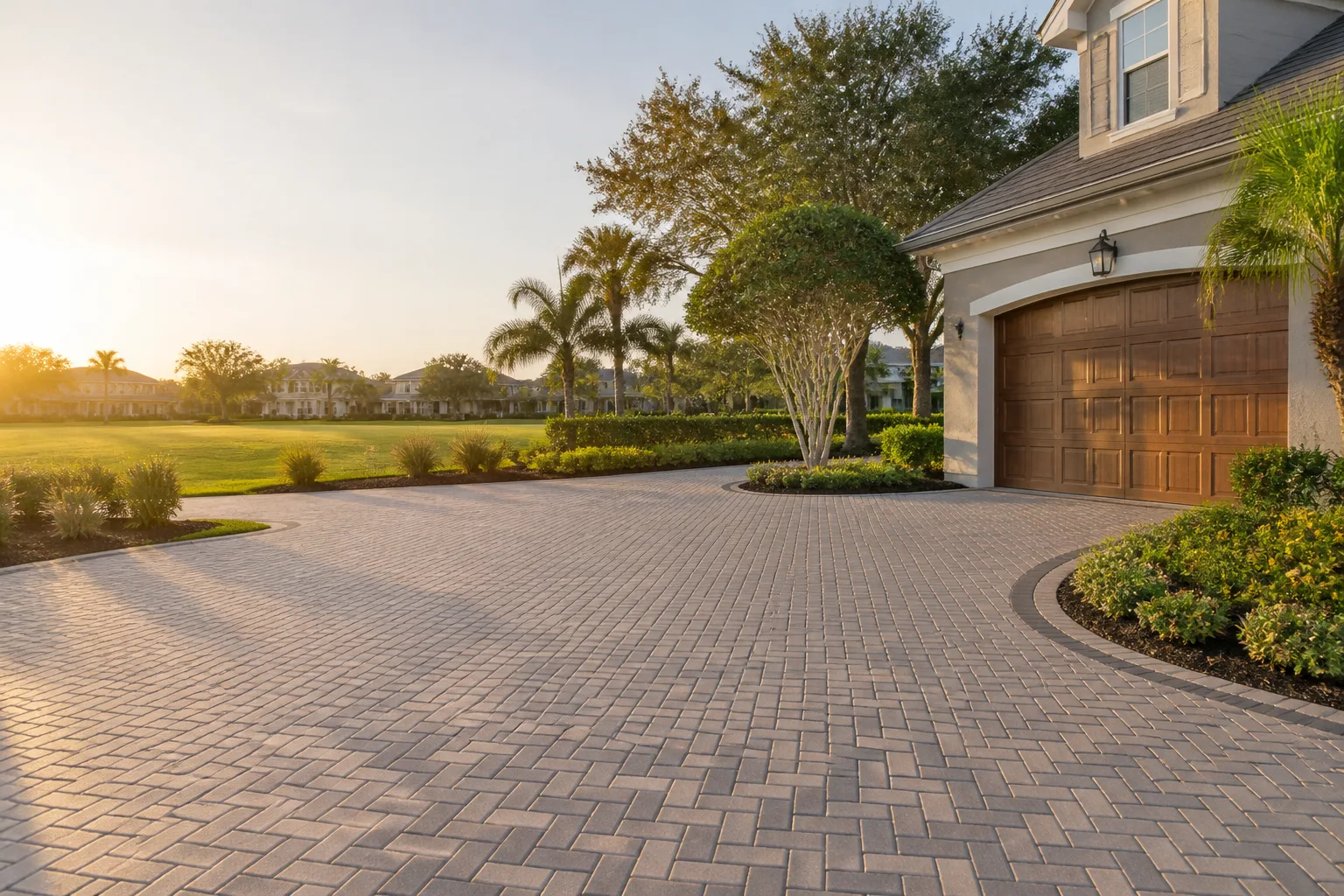
Plano sits on some of the most expansive clay soil in the country – Blackland Prairie clay that can move three to five inches vertically between a wet spring and a dry August. That movement is the reason so many driveways in Plano crack, heave, and settle within a few years of installation. Most of those failures aren’t a materials problem. They’re a base-prep problem the original installer never addressed because the national installation guide they followed was written for sandy or gravelly ground. This guide walks you through base depth, paver thickness, joint sand, material choice, HOA rules, and Plano permits, all starting from the ground you actually have.
Quick Answer
A driveway in Plano needs a compacted base of 8 to 12 inches of crushed stone, not the 4 to 6 inches most national guides recommend, because the clay subgrade expands and contracts with our wet-dry cycles. Paver thickness should match your load: 2 3/8 inches for cars, 2 3/4 to 3 inches for trucks and RVs. Skip the deeper base and proper edge restraint and you’ll be resetting pavers within five years.
Styles & brands we work with
- Kitchen remodeling
- Bathroom remodeling
- Home additions & ADU
- Roofing
- Windows & doors
- Driveway & pavers
- Fence
Table of Contents
- Why Plano’s Clay Soil Changes Everything About Base Prep
- Matching Paver Thickness and Joint Width to Your Actual Load
- Concrete vs. Natural Stone vs. Brick: What Holds Up in Plano Weather
- How HOA Rules in Legacy, Willow Bend, and Beyond Shape Your Paver Choices
- What Permits Plano Requires for Driveway Work
- What Driveway Pavers Cost in Plano
- How Long a Driveway Paver Job Takes in Plano
- Maintaining Pavers Through North Texas Summers and Freeze-Thaw
Why Plano’s Clay Soil Changes Everything About Base Prep
Blackland Prairie clay is the defining feature of the ground under most of Plano. It holds water for days after a rain, then shrinks and cracks open in a dry spell. That expansion and contraction puts a slow, repeating stress on whatever sits on top of it, and a driveway is a large flat slab, which is the worst shape for resisting that kind of movement. In our experience, the driveways that fail early in Plano almost always have a base that was too thin, not a paver that was too weak.
National installation guides, and the out-of-town crews that follow them, typically specify 4 to 6 inches of compacted aggregate base. That’s fine over stable, well-drained soil. Over Plano clay, it isn’t enough to bridge the movement underneath. We build a base of 8 to 12 inches of crushed stone, placed and compacted in lifts of 3 to 4 inches each, so the material actually locks together instead of trapping voids. We also grade for drainage away from the house, because water pooling against the foundation is a bigger problem here than a cracked paver.
Two other prep details matter in Plano specifically:
- Geotextile fabric between the clay subgrade and the crushed stone keeps fine clay particles from pumping up into the base and turning it soft over time.
- Edge restraint spiked into the subgrade holds the paver field from spreading outward. Without it, a field of pavers on clay will start to creep and open up at the joints within a few seasons.
If you want to see how this base work is scoped on a real Plano driveway, our Driveway & Pavers in Plano page covers the process step by step.
- Excavate the full depth required for base plus paver thickness, not just the paver depth.
- Compact the exposed clay subgrade and check grade and slope.
- Lay geotextile fabric over the subgrade.
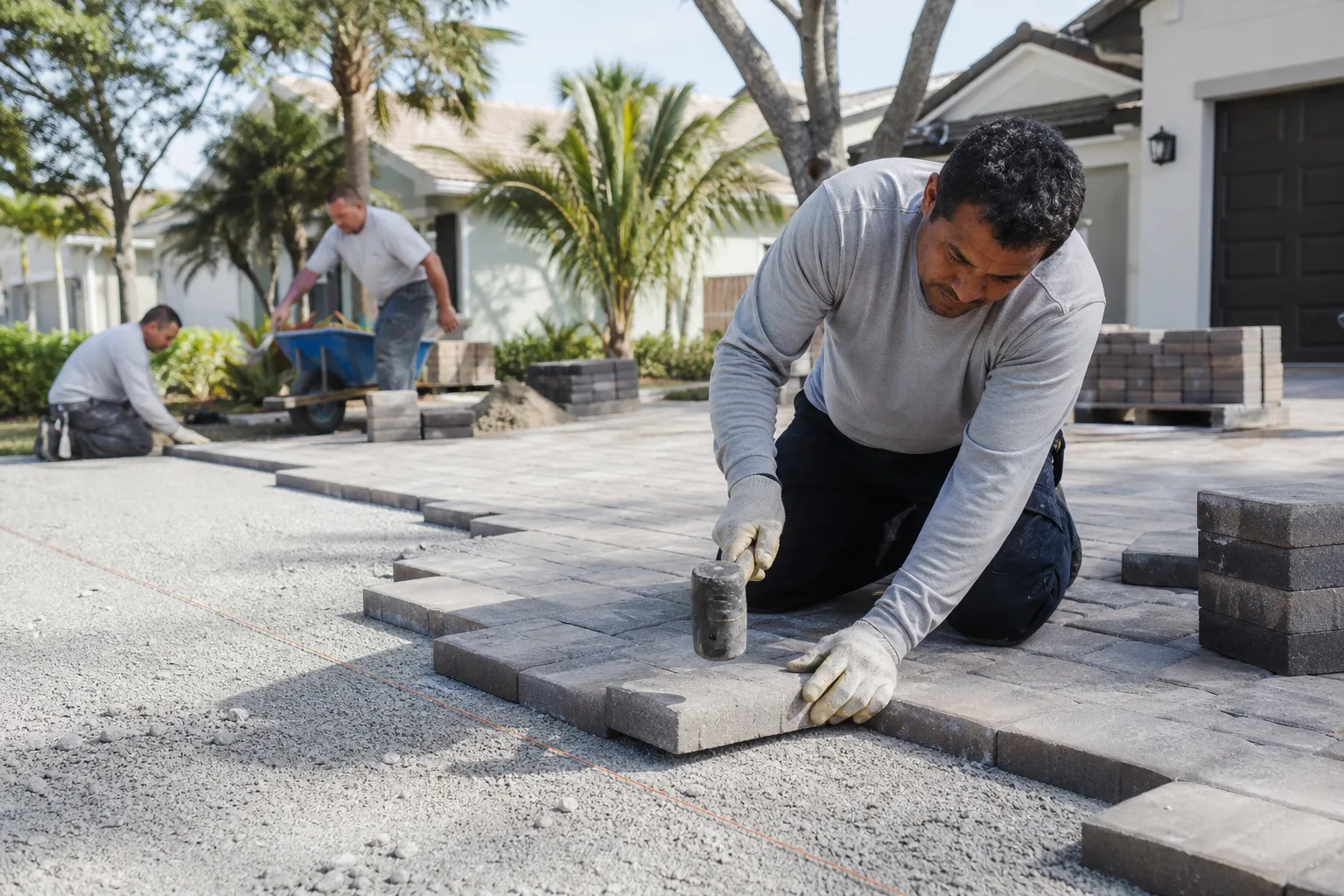
- Place crushed stone in 3 to 4 inch lifts and compact each lift with a plate compactor.
- Set edge restraint and screed the bedding sand to consistent depth.
- Lay pavers, cut borders, and sweep joint sand in once the field is set.
Matching Paver Thickness and Joint Width to Your Actual Load
Paver thickness should be matched to the heaviest thing that regularly drives on it, and joint width should be kept tight so joint sand stays in place. A standard 2 3/8 inch paver is rated for residential passenger vehicles and light pickups. A 2 3/4 to 3 inch paver is the right choice if you park a heavy-duty truck, a boat trailer, or an RV on the driveway.
Plenty of Plano driveways are sized for a sedan and then used to park a 3/4-ton truck, and that mismatch shows up as rutting and joint spread within a few years. Ask yourself what actually parks there on a normal week, not what you think should be able to park there. If the answer includes an RV or a loaded trailer, the paver and base both need to be built heavier.
Joint width works in tandem with thickness. Tight joints of 1/8 to 1/4 inch, filled with a properly compacted polymeric or stabilized joint sand, keep the field interlocked so load spreads across many pavers instead of concentrating on one. Wide joints let sand wash out and pavers loosen. On Plano clay, wide joints also let water into the base, which is the beginning of the end.
Two rules we follow on every Plano driveway:
- Never run a heavy vehicle on bedding sand alone. The base is what carries the load; sand only levels the paver.
- Keep joint sand topped up after the first season and once a year after that. It’s a ten-minute job that adds years to the drive.
Concrete vs. Natural Stone vs. Brick: What Holds Up in Plano Weather
All three common paver materials can work in Plano, but they handle our freeze-thaw swings and 100°F summers differently. The right pick depends on your budget, the look you want, and how much maintenance you’re willing to do. Here’s how they compare in real North Texas conditions.
Concrete Pavers
Concrete pavers from makers like Tremron and Techo-Bloc are the most common choice for Plano driveways, and for good reason. They’re manufactured to tight tolerances, resist freeze-thaw well when the base is right, and hold color longer than poured concrete because the pigment goes all the way through. The trade-off is that lighter colors and sand-set joints mean more joint-sand upkeep, especially through our dry, dusty summers.
Natural Stone
Natural stone such as limestone and granite brings a heavier, more permanent look and handles heat well. It’s the priciest option and the most variable, since natural stone varies in density and absorption. In Plano’s clay soil, natural stone needs the same deep base as concrete pavers, so don’t let a quote that skips the base talk you into it.
Brick Pavers
Brick pavers from Unilock and Cambridge Pavers are strong, classic, and stand up well to our temperature swings. Some softer historic brick styles will spall in a freeze-thaw cycle, so confirm you’re getting a hard-fired brick rated for exterior paving. When it’s right, brick is one of the most durable options for a Plano driveway.
- Best budget-to-durability balance: manufactured concrete pavers.
- Best premium look: natural stone, priced accordingly.
- Best classic look with top durability: hard-fired brick.
How HOA Rules in Legacy, Willow Bend, and Beyond Shape Your Paver Choices
Before you pick a color or lay a pattern, check your HOA’s architectural guidelines. Many Plano communities, including Legacy and Willow Bend, have written rules on approved paver colors, patterns, and materials, and some require architectural review committee approval before work begins. Skipping that approval can mean tearing out a finished driveway.
Common HOA restrictions we’ve seen in Plano communities include:
- Approved color palettes, often limited to neutral tans, grays, and grays-browns.
- Restrictions on high-contrast patterns or busy multi-color blends.
- Requirements that the driveway match or complement the home’s existing stone and brick.
- A pre-approval step with the architectural review committee, sometimes with a set review window.
The fastest way to avoid trouble is to get the HOA’s current design guidelines in writing before you shop. Then bring the paver samples to the review with your contractor’s plan, so the committee sees the whole picture. If you’re also planning a fence or gate at the same time, our Fence Installation in Plano page covers matching that work to community rules.
What Permits Plano Requires for Driveway Work
Plano requires a permit for most driveway construction and replacement work, and for anything that changes the driveway’s footprint or connects to the public right-of-way. The exact permit depends on whether your driveway crosses a sidewalk or curb, and whether you’re widening or relocating it. That’s a quick call to the city to confirm, and it’s the first thing we check on a Plano job.
Why this matters more than people realize: an unpermitted driveway can surface during a home sale. A title company, an inspector, or a buyer’s contractor can flag work that doesn’t show a permit, and the fix is rarely cheap. The permit inspector also works for you, not for the contractor, because the inspection is a second set of eyes on base depth, drainage, and grade. Permits pulled and inspections signed are part of every eligible job we take on in Plano, and we put it in writing.
Steps for a smooth Plano driveway permit:
- Confirm with the city whether your specific project needs a permit, based on footprint and right-of-way.
- Submit the plan showing base depth, paver type, and drainage.
- Schedule the inspection at the required stage, usually after base prep and before pavers go down.
- Keep the signed inspection and permit records for resale.
What Driveway Pavers Cost in Plano
Driveway pavers in Plano generally run $12 to $22 per square foot installed, and a typical two-car driveway lands between $7,000 and $15,000 depending on size, material, and how deep the base needs to go. The deeper base our clay soil requires adds cost over a national-average quote, but it’s the difference between a driveway that lasts and one that doesn’t.
Here’s how the line items break down for a typical Plano job:
- Demolition and haul-off of old surface: $1 to $3 per square foot.
- Excavation and deep compacted base (8 to 12 inches): $4 to $8 per square foot.
- Paver material: $4 to $9 per square foot, depending on concrete, brick, or stone.
- Labor and installation: $3 to $6 per square foot.
- Edge restraint and joint sand: $1 to $2 per square foot.
- Permit and inspection: varies by project scope.
Beware of any quote that’s dramatically below that range. It usually means a shallow base that will fail in a few years, or a scope that skipped the permit. We issue every scope, every allowance, and every price change as a written change order before work happens, so nothing shows up on the final invoice that wasn’t on paper first. Call (877) 382-4108 for a free written estimate on your Plano driveway.
How Long a Driveway Paver Job Takes in Plano
A typical two-car Plano driveway takes three to six working days from demolition to final sweep, weather permitting. The base work is the slow part, and that’s by design. Rushing the base is the surest way to a driveway that fails early.
Here’s the general sequence:
- Day 1: Demolition and haul-off of the old surface.
- Days 2 to 3: Excavation and compacted base in lifts, with a grade and drainage check.
- Day 4: Edge restraint, bedding sand, and paver installation begins.
- Days 5 to 6: Cuts, borders, joint sand, compaction, and cleanup.
Wet weather can push the schedule, so plan for a buffer, especially in spring. If you’re also adding a room or an ADU that shares the driveway approach, coordinate the two projects early. Our Home Additions & ADU in Plano page covers how the driveway tie-in gets planned.
Maintaining Pavers Through North Texas Summers and Freeze-Thaw
Paver maintenance in Plano comes down to joint sand, drainage, and weed control. Keep joint sand topped up, keep water running away from the house, and pull weeds before they take root in the joints. That’s most of it.
Through our hot, dry summers, polymeric joint sand can shrink and pull away slightly, especially on a sunny west-facing drive. After the first freeze-thaw cycle each winter, walk the driveway and look for any joints that have opened up. A quick top-up of joint sand in spring saves a much bigger repair later. Avoid pressure-washing at high pressure, which can blast sand out of the joints and loosen the field. A gentle wash and, if needed, a paver sealer every few years will keep the surface looking right.
In our experience, the Plano driveways that hold up best are the ones where the homeowner stays ahead of joint sand and drainage. The ones that fail are usually the ones that never got a deep base to begin with.
Common Mistakes to Avoid
- Following a national base-depth spec on Plano clay. A 4-inch base that works in sandy soil will heave and settle here. Insist on 8 to 12 inches of compacted base, in lifts.
- Skipping the permit. Unpermitted driveway work can surface at resale and cost you real money. Pull the permit and keep the inspection record.
- Buying pavers before checking HOA color rules. A finished driveway that violates the architectural guidelines can be ordered to come out. Get the HOA rules in writing first.
- Choosing paver thickness for the wrong load. A 2 3/8 inch paver under a heavy truck will rut. Match thickness to your actual vehicle mix.
- Letting wide joints go unfilled. Joints that open up let water into the base, which is the start of a bigger problem. Top up joint sand yearly.
- Picking a crew that’s out of town. A crew that followed the national guide and then left the county will be hard to reach when the first joints open up. Choose a contractor you can call and see again.
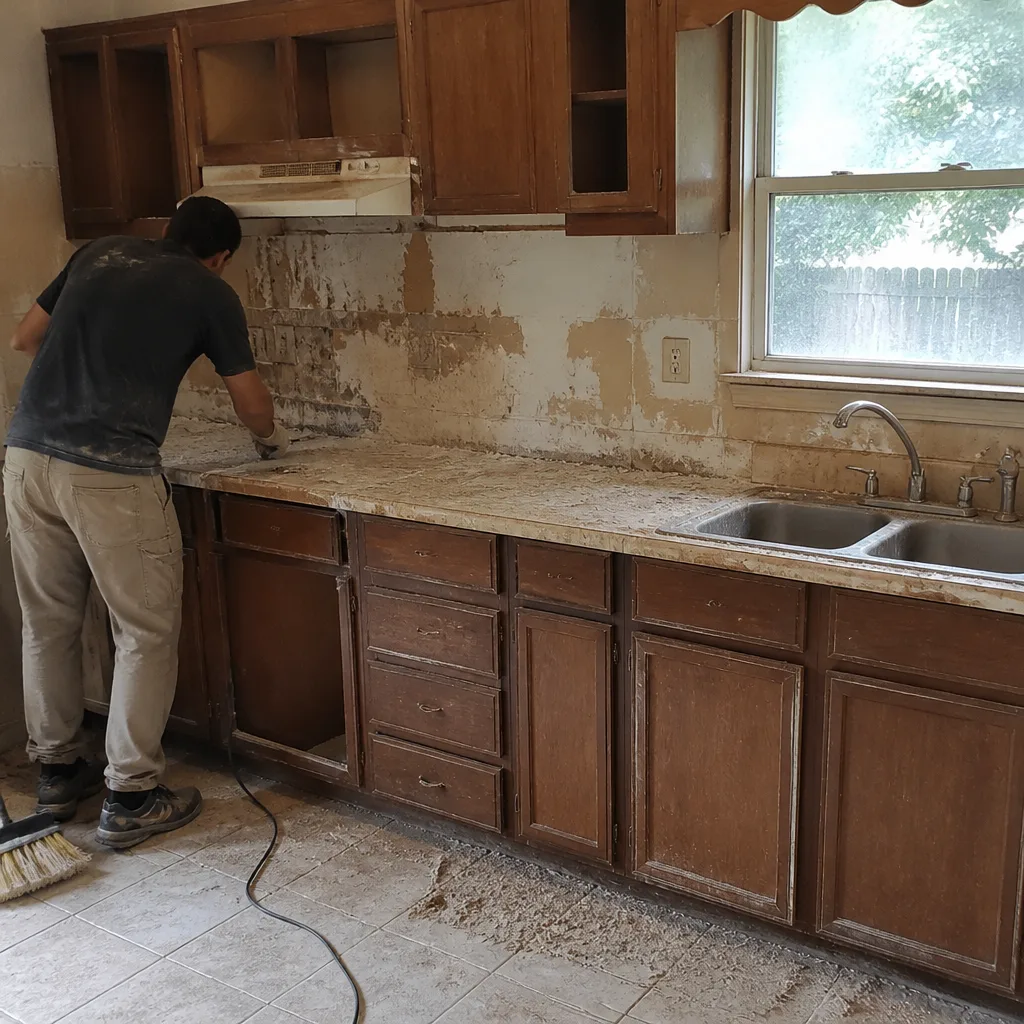
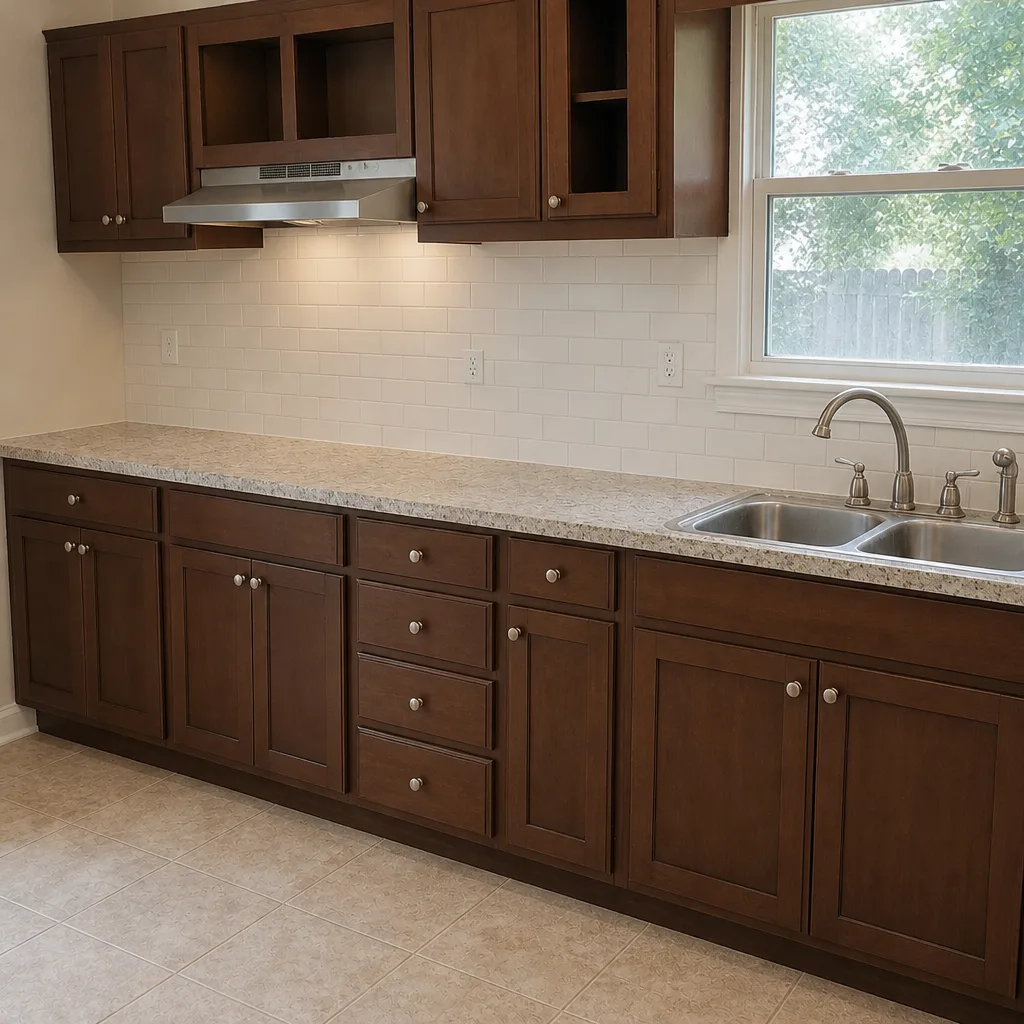
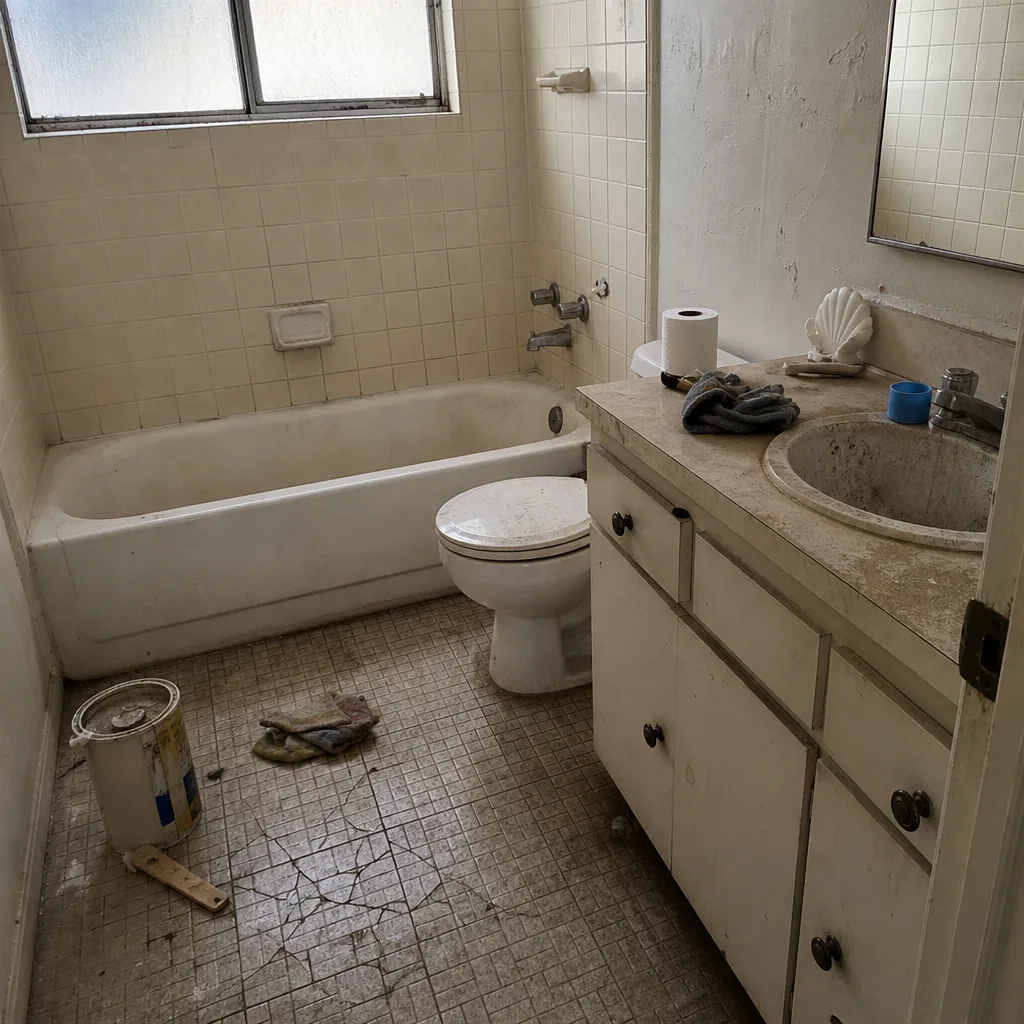
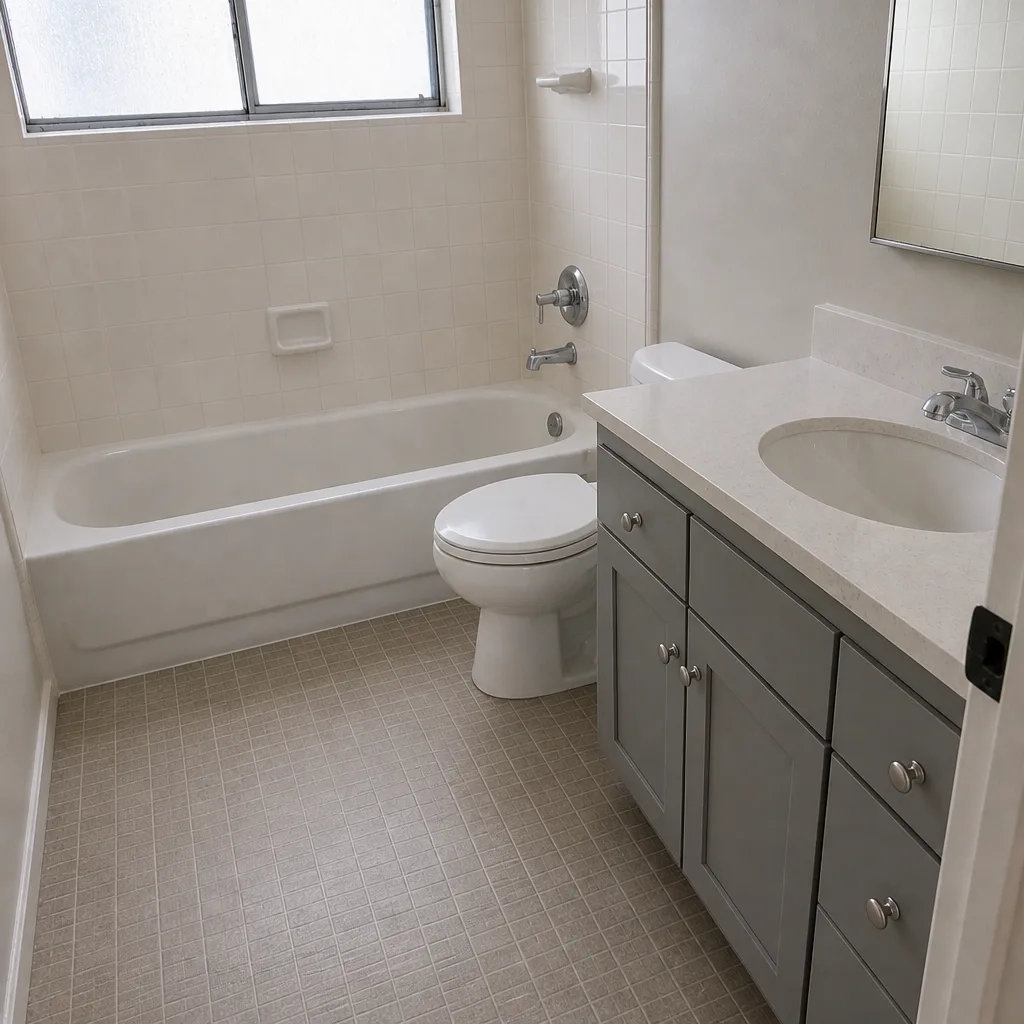
See the difference
 Before
 After
 Before
 After
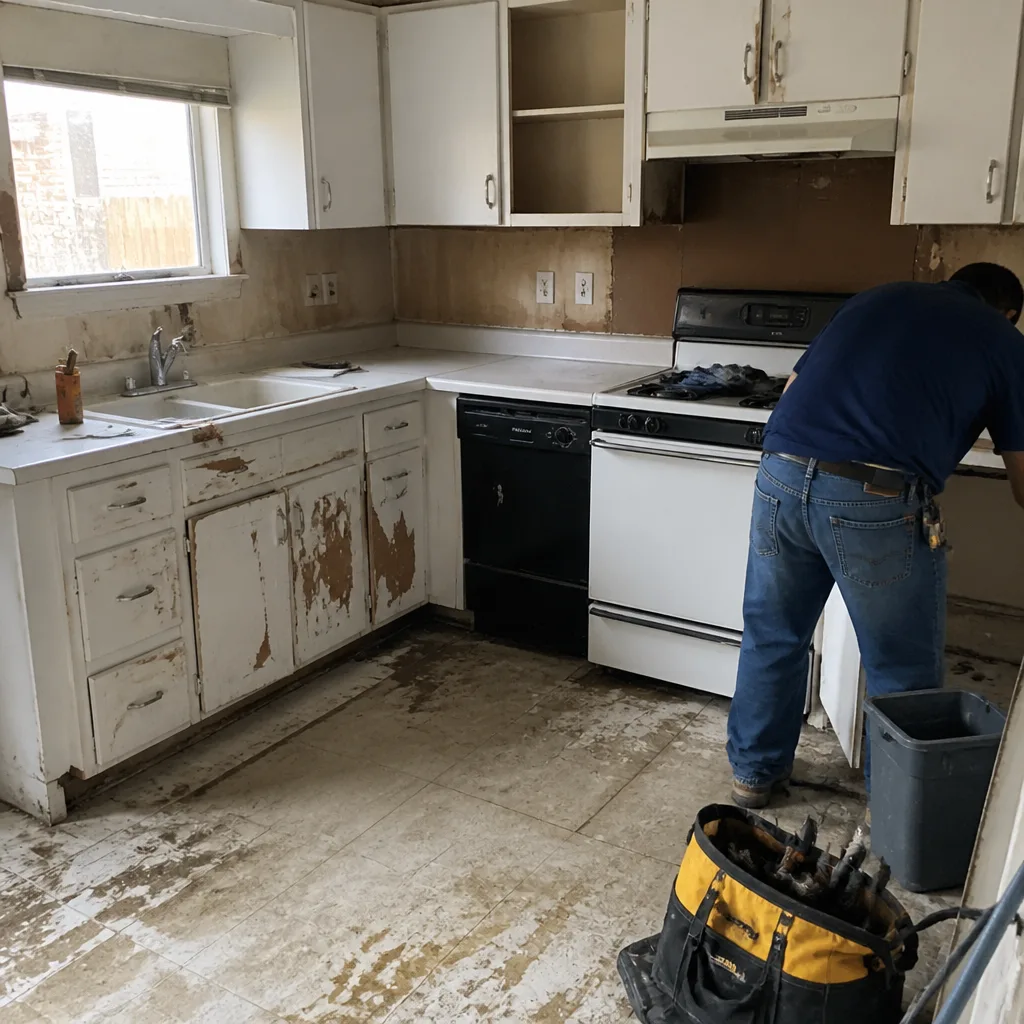 Before
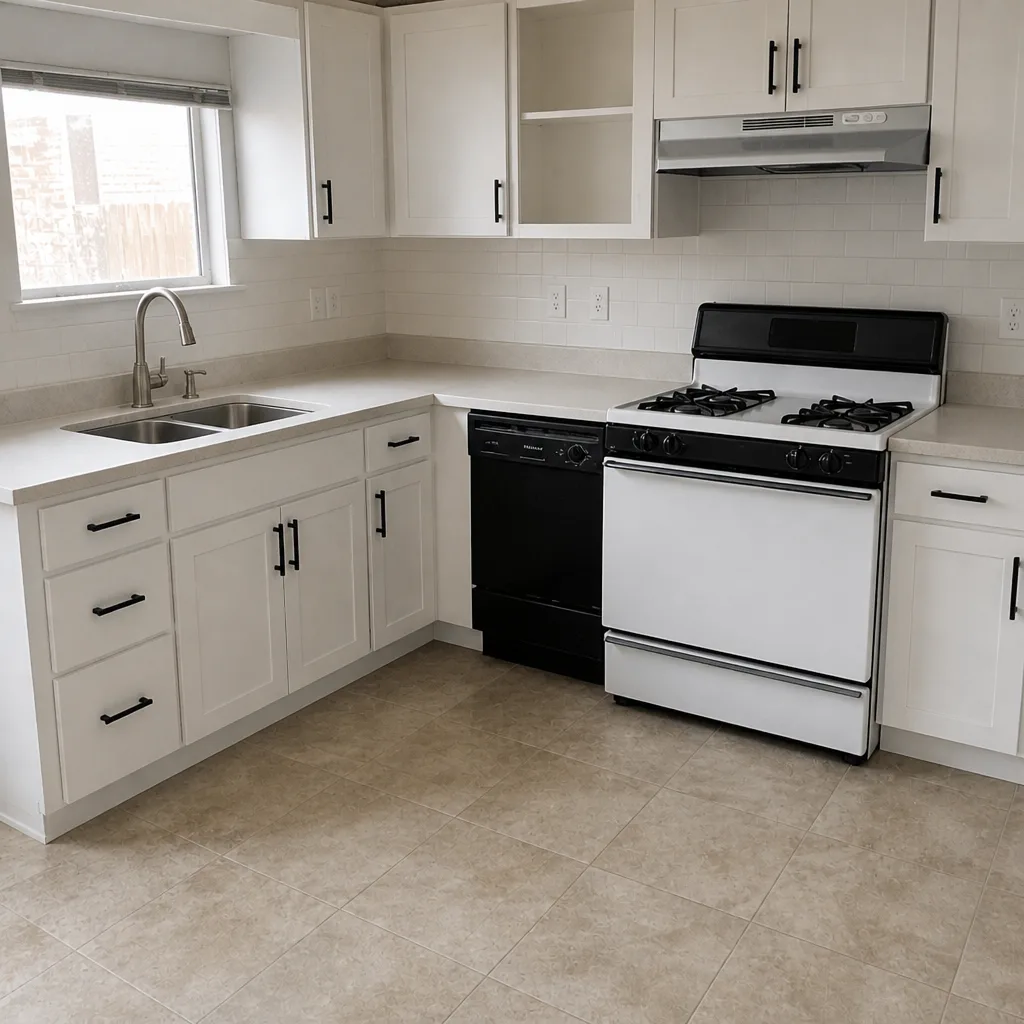 After
When to Call a Professional
Call a professional when the work involves excavation and a compacted base, new edge restraint, or any change to the driveway’s footprint or its connection to the public right-of-way. Those aren’t DIY tasks on Plano clay – a shallow base or a poorly set edge will show up within a season, and the fix means tearing out what you just laid. Call us sooner if your existing driveway has settled, heaved, or has pavers that move underfoot. Smaller fixes, like topping up joint sand or pulling weeds, are fine to do yourself. Barrett & Sons Construction Plano offers free estimates in Plano – call (877) 382-4108, and we’ll walk the driveway with you and put the scope in writing.
Frequently Asked Questions
For most Plano driveways, the compacted crushed stone base should be 8 to 12 inches deep, placed and compacted in 3 to 4 inch lifts, not the 4 to 6 inches national guides recommend. The extra depth is what bridges the movement in our expansive clay soil. Call (877) 382-4108 for a free estimate that scopes the base to your actual driveway.
Plano requires a permit for most driveway construction and replacement work, and for anything that changes the footprint or connects to the public right-of-way. The exact permit depends on whether your driveway crosses a sidewalk or curb and whether you’re widening it. Confirm with the city before work starts, and keep the inspection record for resale.
Paver driveways in Plano generally run $12 to $22 per square foot installed, with a typical two-car driveway landing between $7,000 and $15,000 depending on size, material, and base depth. The deeper base our clay requires pushes the number above a national average, but it’s what makes the driveway last. Call (877) 382-4108 for a free written estimate – no change orders you didn’t see coming.
Manufactured concrete pavers, hard-fired brick, and dense natural stone all hold up to Plano’s temperature swings when the base is built right. The material matters less than the base and joint sand. Any of the three will fail early if the base is too shallow.
Many Plano communities, including Legacy and Willow Bend, have written rules on approved paver colors, patterns, and materials, and some require architectural review committee approval before work begins. Get the current guidelines in writing before you shop and bring samples to the review.
A typical two-car Plano driveway takes three to six working days from demolition to final sweep, weather permitting. The base work and its compaction are the slow part, and that’s where the job’s durability is won or lost.
The Bottom Line
Your Plano driveway decision starts underground, not at the paver showroom. Deep, properly compacted base over our Blackland Prairie clay, paver thickness matched to your actual load, joint sand kept up, HOA rules and Plano permits handled before the first paver goes down. Get those right and you’ll have a driveway that holds through our dry summers and freeze-thaw cycles for decades. Get them wrong and a national spec will fail in a few years. Start with a free, written estimate from Barrett & Sons Construction Plano – call (877) 382-4108 and we’ll walk the job with you.
Planning the rest of your exterior at the same time? Visit the Barrett & Sons Construction Plano home page to see the other trades we handle, and know the estimates are free and the senior and veteran discount is permanent.
Written by the team at Barrett & Sons Construction Plano.