Last updated November 18, 2026
Free written scope consultation - allowances, timeline, and change-order rules on paper before a single trade is scheduled
The Complete Windows & Doors Guide for Plano Homeowners
A window rated for Minnesota winters and a window rated for a Plano summer are not the same window. Manufacturers build to different climate targets, publish different numbers, and the salesperson who doesn’t mention solar heat gain coefficient in Texas is either uninformed or hoping you aren’t. Here’s what most national buying guides skip: Plano sits in a climate zone that punishes glass, frames, and seals in ways a catalog chart never shows. Between the July heat load, the daily expansion cycles, and the hail that rolls down the tollway every spring, your best choices narrow fast. This guide covers the ratings that matter here, the frame materials that survive here, how to read an ENERGY STAR label for North Texas, and when Plano actually requires a permit for the work.
Quick Answer
For Plano homes, the windows and doors that perform best carry a low solar heat gain coefficient (SHGC around 0.25 or lower), a U-factor of 0.35 or better, and impact-rated glass or a rated impact option given local hail exposure. Vinyl handles the heat load well on most elevations; fiberglass and composite hold up better on west-facing walls that take the worst sun. Replacement windows and exterior doors generally require a Plano permit when the opening size changes or the structure is altered, and often don’t when you’re doing a like-for-like swap, so confirm the scope before anyone orders material.
Styles & brands we work with
- Kitchen remodeling
- Bathroom remodeling
- Home additions & ADU
- Roofing
- Windows & doors
- Driveway & pavers
- Fence
Table of Contents
- The Three Ratings That Actually Matter in North Texas
- How to Read an ENERGY STAR Label for the South-Central Zone
- Frame Materials: Vinyl, Fiberglass, and Composite in 105° Heat
- Door Materials That Survive the Expansion Cycle
- Hail, Impact Ratings, and Your Insurance
- Plano Permitting: When You Need One and When You Don’t
- Common Mistakes to Avoid
- Frequently Asked Questions
The Three Ratings That Actually Matter in North Texas
Walk into any window showroom and you’ll see a sticker full of numbers. In Plano, three of them decide how the window performs on your house.
Solar heat gain coefficient (SHGC) measures how much of the sun’s heat passes through the glass. Lower is better in Texas. A window with an SHGC of 0.40 lets in roughly twice the solar heat of one at 0.20, and that difference shows up on your August electric bill. For most Plano homes, target 0.25 or lower on south and west glass. North-facing windows can go a little higher without penalty.
U-factor measures how fast heat moves through the whole window assembly, frame included. A lower number means better insulation. In our climate the U-factor matters most in winter mornings and in the late afternoon when the sun drops and the glass starts radiating heat back out. Aim for 0.35 or better, and 0.30 if you’re replacing a whole wall of glass.
Impact resistance is the one national guides ignore because it isn’t an issue in most of the country. Plano gets hail, sometimes golf-ball size, and a standard double-pane unit can shatter or crack from a direct hit. Impact-rated glass or laminated glass carries a rating under ASTM E1886 and E1996, and it’s worth pricing out for west and north elevations where storm cells tend to hit hardest. In our experience, homeowners who’ve replaced a broken pane once tend to ask about impact glass the second time.
- SHGC: 0.25 or lower on south and west glass; slightly higher on north
- U-factor: 0.35 or better; 0.30 for large glass walls
- Impact rating: worth pricing on west and north elevations
- Visible transmittance (VT): 0.40 to 0.55 balances daylight and heat
Ask for the actual test numbers, not just the brand name. A reputable manufacturer prints them on the label, and any crew that can’t produce them is guessing. When we quote window work in Plano, the numbers go in the written scope so you can compare apples to apples across bids.
How to Read an ENERGY STAR Label for the South-Central Zone
Most people read an ENERGY STAR label the way they read a nutrition label: glance, nod, move on. The catch is that ENERGY STAR sets different targets for different climate zones, and Plano falls in the South-Central zone. A window that earns the label in Maine may not earn it here, and vice versa. The label will say which zone it’s certified for, so read that line first.
Here’s what to check, in order:
- Zone match. Confirm the label lists South-Central. If it only lists Northern, the window may not meet the right thresholds for your house.
- SHGC threshold. South-Central certifications require lower solar heat gain than northern zones, typically around 0.25 or less. That’s a different target than the national average you may have read about.
- U-factor threshold. The South-Central target is generally looser than the northern one because cooling dominates the load here. Confirm the number matches.
- Air leakage and condensation resistance. These aren’t always on the label, but they affect how the window feels on a cold January morning and how much dust finds its way into the frame over a decade.
- Verification. A legitimate label traces back to a third-party certifier. Ask for the certification reference if the label looks generic.
Plenty of Plano homes were built in the 1980s and 1990s, when single-pane aluminum windows were the norm. Swapping those for a properly rated South-Central unit is one of the few upgrades where the savings are measurable and the comfort change is immediate. The difference on a west-facing bedroom wall in July is not subtle.
Frame Materials: Vinyl, Fiberglass, and Composite in 105° Heat
Frame material decides how the window behaves over ten summers. Plano sits in a zone where the exterior of a west-facing wall can approach 140° in direct sun, and that heat moves through the frame before it ever reaches the glass. Three materials hold up honestly here, and each has a place.
Vinyl is the workhorse. It insulates well, doesn’t conduct heat like aluminum, and stays affordable. Quality varies widely; a well-made vinyl frame with welded corners holds up fine across Plano’s summer cycles, but cheap vinyl can warp and lose its seal at the corners on a hot west wall. If you’re choosing vinyl, look for a frame with a heat-distortion rating and ask how the corners are joined.
Fiberglass expands and contracts less than vinyl and holds its shape through the temperature swings that cause sticking and draftiness. It costs more, and it’s a strong pick on west and south elevations where the thermal stress is highest. Fiberglass also takes paint and stain, which vinyl doesn’t, so it opens up color options if the front of your house has a particular look.
Composite combines wood fiber with polymer binders. It looks like wood, insulates well, and resists moisture. The honest caveat: composite quality varies, and in Plano’s heat you want a formulation rated for the temperature range. Ask to see the manufacturer’s stability spec.
- Vinyl: best budget pick for most elevations; specify welded corners and heat-rated stock
- Fiberglass: best on west and south walls; lower expansion means fewer sticking and seal problems
- Composite: best for wood-look exteriors; confirm the temperature spec before ordering
- Aluminum: conducts heat; usually avoided on exterior walls in this climate
Brands like Andersen and Marvin both offer frames that handle North Texas, and we lean on them for a reason: the parts stay available and the warranties hold. If you’re also updating the exterior around the same time, our Barrett & Sons Construction Plano home page covers the trades we work in and how we sequence a larger project so window swaps and siding or paint don’t collide.
Door Materials That Survive the Expansion Cycle
Doors take more abuse than windows, because they open, close, get leaned on, and seal against weather daily. In Plano, the summer expansion cycle is the enemy. A door that’s snug in January can stick by June as the frame swells, then warp enough by August that the weatherstripping no longer meets. The material choice fixes most of this.
Fiberglass entry doors handle Plano best overall. They expand and contract less than wood, don’t warp from heat, and hold a stain or a paint finish. They’re heavier than wood, and the hardware has to be spec’d to match the weight.
Steel doors are strong and secure, and they take a paint finish cleanly. Watch for cheap steel with poorly insulated cores, which can feel hot to the touch on a sunny south-facing entry and can dent from a hard knock.
Wood doors look beautiful, and they can work in Plano if you’re diligent with finish and don’t face them due west. Left unfinished or exposed to a full afternoon of sun, wood will move, split, and lose its seal. If you want wood, plan on refinishing every couple of years.
Patio and sliding doors are their own decision. Multi-panel sliders with well-sealed frames work when the hardware is quality; the frame and tracks are what fail first, not the glass.
- Check the core. Ask whether the door has an insulated core and how it’s rated for temperature swings.
- Match the hardware. A heavy fiberglass or steel door needs hinges and strike plates rated for the weight.
- Confirm the threshold. Texas heat dries out seals; a quality threshold and sweep reduce air infiltration over time.
- Face the right direction. If the door sits on a west-facing wall, choose a material that resists UV and heat, not one that fades.
- Install square. A door installed 1/8 inch out of square will stick by the first summer. This is a procedural step, not a material one.
We’ve replaced enough sticking doors in Plano to know that the frame is usually the culprit as often as the door itself. A well-made door in a warped frame still sticks. When we look at a door call, we measure the opening before we quote the replacement.
Hail, Impact Ratings, and Your Insurance
Hail is the part of the equation that most national guides never touch. Plano sees spring storms that drop stones large enough to crack standard glass and dent window and door frames. The single most useful step you can take before storm season is knowing what your glass is rated for and what your insurance covers.
Impact-rated windows and doors use laminated glass or a film that holds the pane together under a strike. Testing follows ASTM standards, and a certified product carries a rating. Impact glass costs more up front. The payoff comes when a storm passes and your west wall is still intact while the neighbor’s single-pane window is on the lawn.
Two practical notes for Plano:
- Ask your carrier. Some policies offer premium credits for impact-rated glass. It’s worth a call before you order.
- Document what you have. Photograph labels and keep the spec sheets. Hail claims go smoother when the adjuster can verify the rating without guesswork.
If a storm does damage your windows or doors, the same crew rules apply: get the scope in writing, get the numbers on the contract, and don’t sign anything until you’ve compared the spec to the label. Our Fence Installation in Plano service handles the same kind of storm-damage decisions, and the standards are the same: named materials, written spec, and no surprises.
Plano Permitting: When You Need One and When You Don’t
Here’s where we see the most confusion. Homeowners are often told “permits are optional” by a contractor who either doesn’t know the local code or doesn’t want the inspection. That’s the wrong answer, and it can cost you at resale.
Plano’s requirements for window and door work generally follow this pattern:
- Like-for-like replacement in the same opening, same size, same location, with no structural change: often doesn’t require a building permit, though the scope should be confirmed with the city before work begins.
- Changing the opening size or altering the wall: requires a permit. This includes adding a window, enlarging one, or moving a door.
- New window or door openings in an existing wall: requires a permit and an inspection.
- Structural changes around an opening, including header changes or lintel work: requires a permit and engineered documents in most cases.
- Egress windows in bedrooms or basements: special code requirements apply, and the work gets inspected.
The right move is to ask the contractor to check the specific scope against Plano’s own requirements before ordering material. An inspection is not a burden; it’s a second set of eyes on the work, paid for by your permit fee. The permit inspector works for you, not for us, and that’s a good thing. We pull permits and sign off on inspections for every eligible job, and the permit number goes in the project file. If you’re adding a room or building an ADU alongside the window work, our Home Additions & ADU in Plano page explains how additions get permitted and inspected from start to final.
One more note: the window brand matters to the inspector. Named materials with published specs make inspection smoother. Mystery brands off a van do not. That’s why we work with Andersen and Marvin on windows and doors, and GAF and CertainTeed when the project also touches the roof.
Common Mistakes to Avoid
- Buying on brand name alone. A famous name on a window with an SHGC of 0.40 will underperform a lesser-known brand at 0.22 in Plano’s July heat. The label matters more than the badge.
- Ignoring west-facing glass. The west wall carries the worst of the afternoon sun. Skipping impact glass or a lower SHGC on that elevation is the most common regret in our experience.
- Assuming “permits are optional.” They aren’t. A contractor who says they are is either misinformed or hoping you won’t check. Confirm the scope against Plano’s requirements before anyone orders material.
- Skipping the written scope. An allowance that isn’t on paper is a surprise waiting for a date. If the trim, hardware, or paint aren’t itemized, expect a change order or a gap.
- Not asking about the door core. A beautiful door with a cheap core will feel hot to the touch and warp within a couple of summers. Ask about the rated core, not just the finish.
- Choosing the wrong installer. A great window in a warped frame sticks by the second summer. Measure the opening before the order.
- Skipping the insurance call. Impact-rated glass can earn a policy credit. Not making the call is free money left on the table.
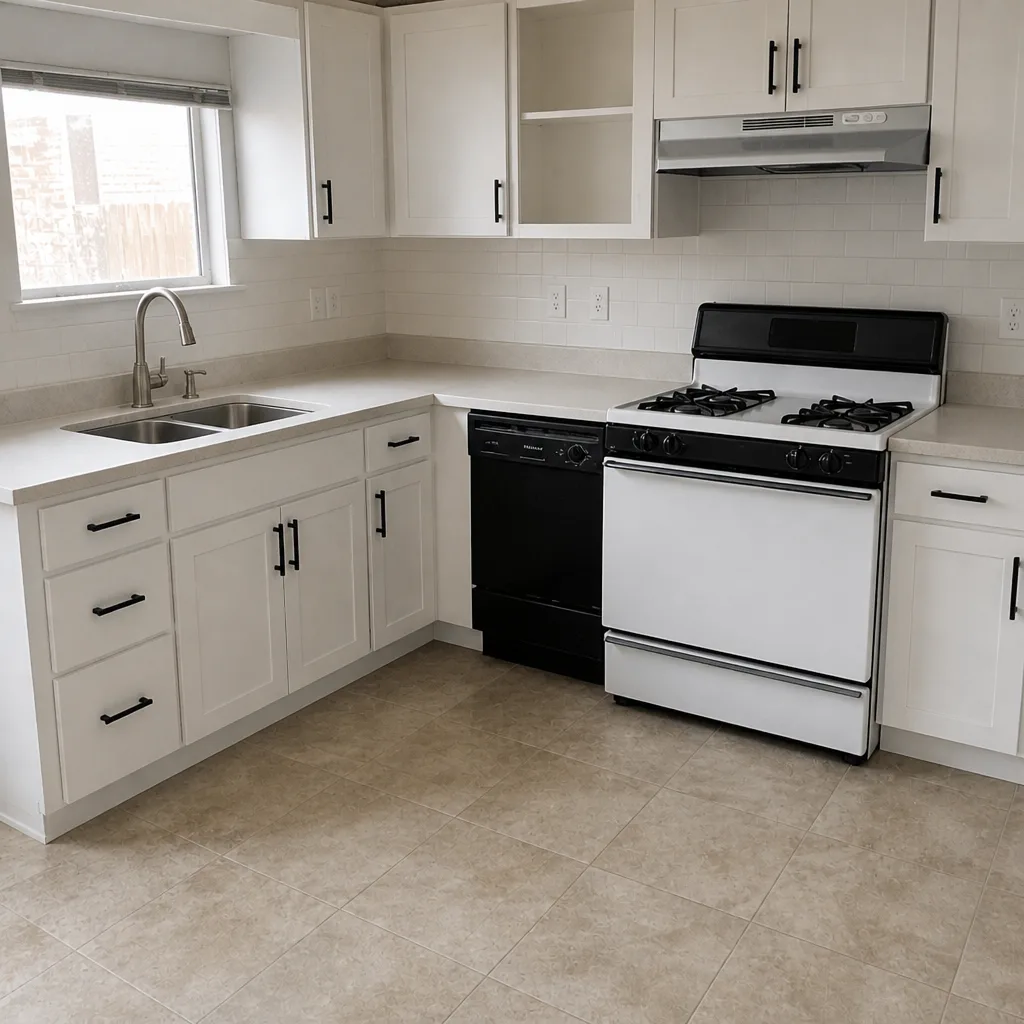
See the difference
 Before
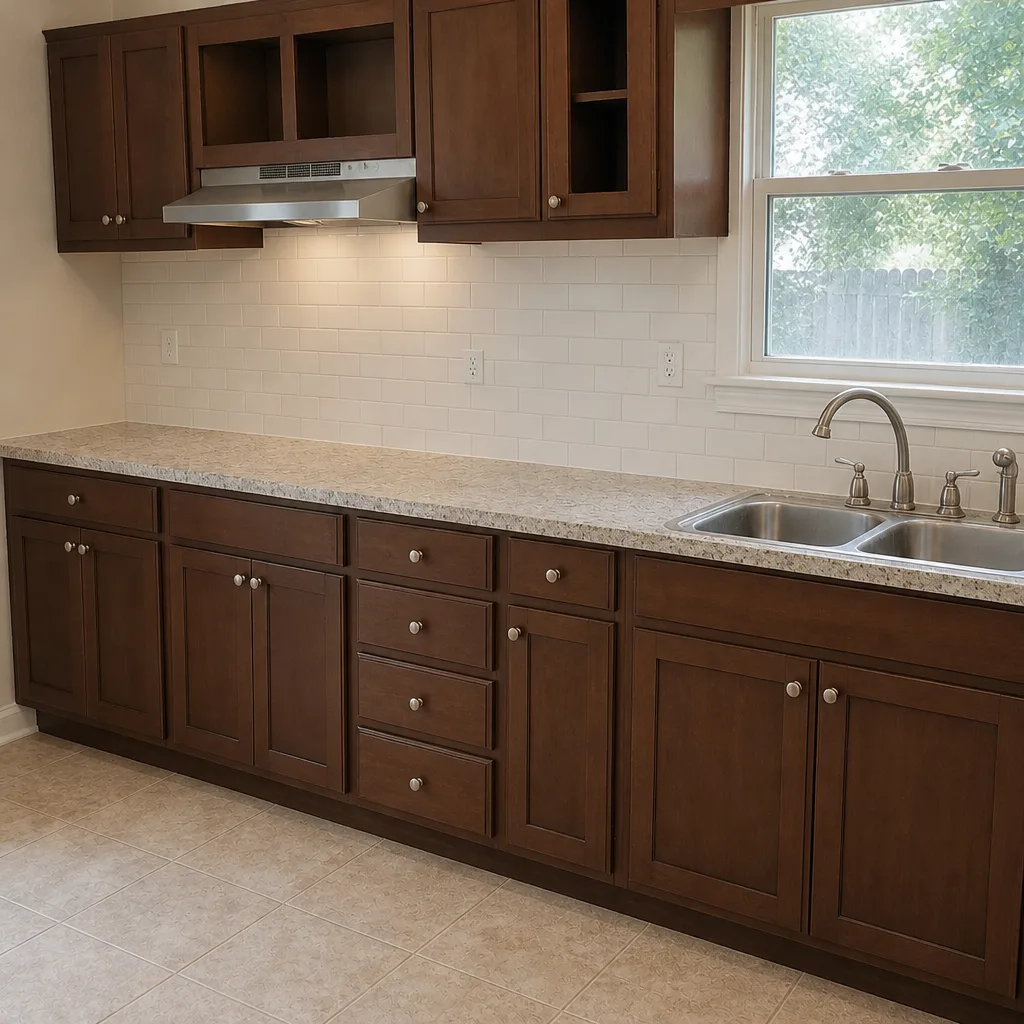 After
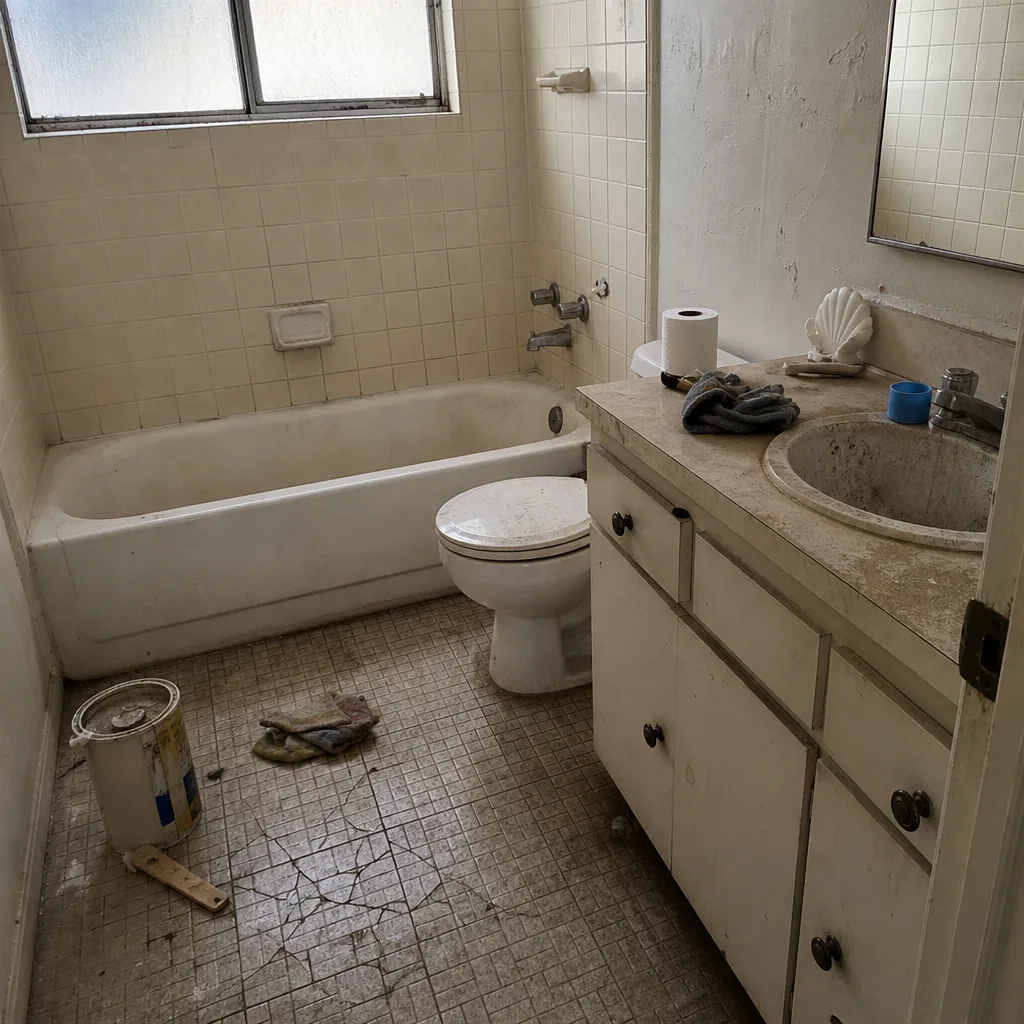 Before
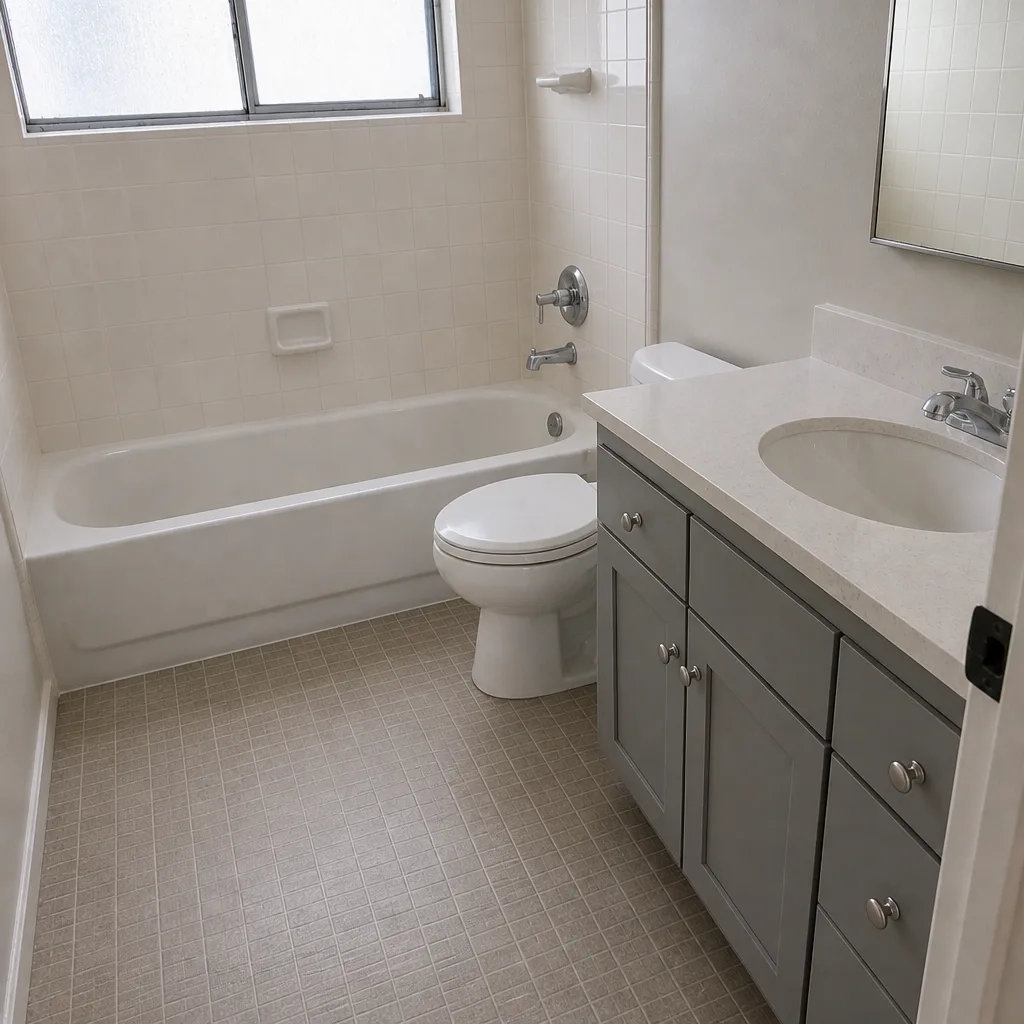 After
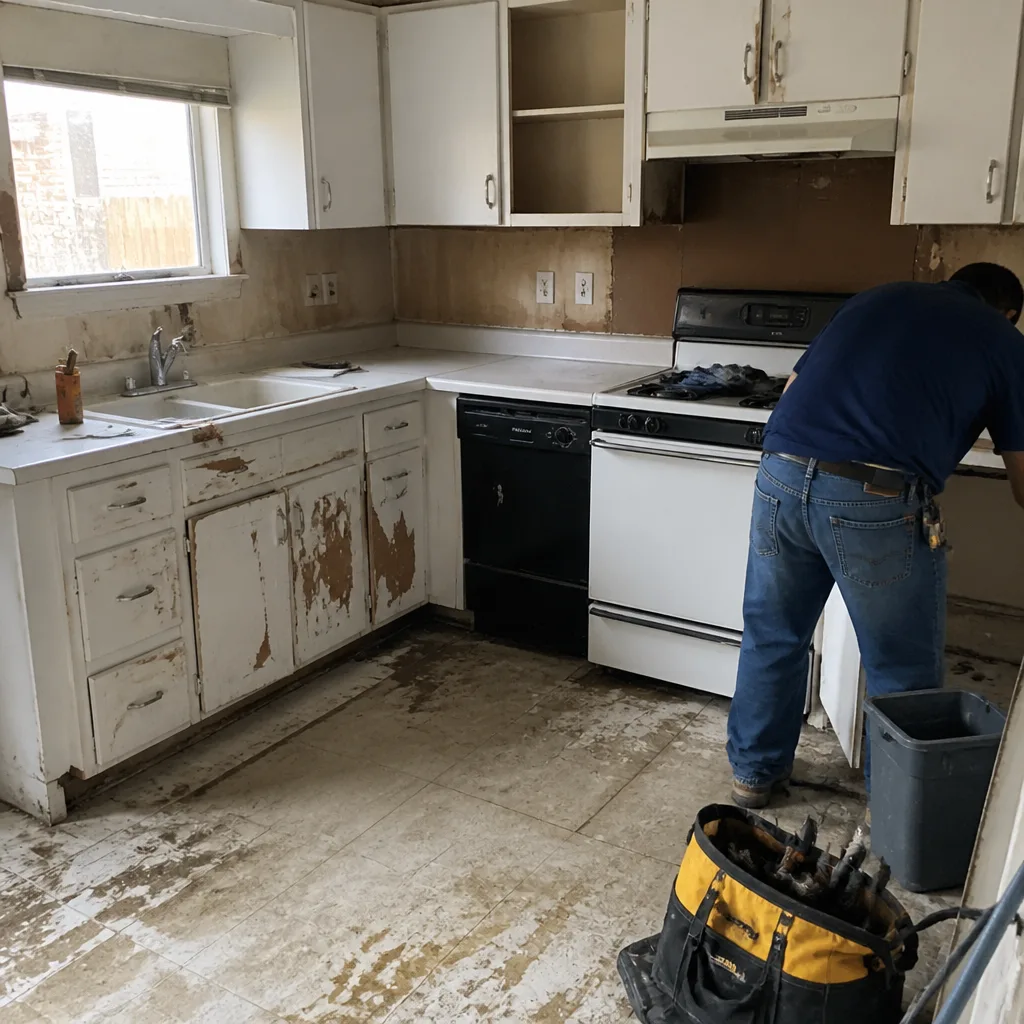 Before
 After
When to Call a Professional
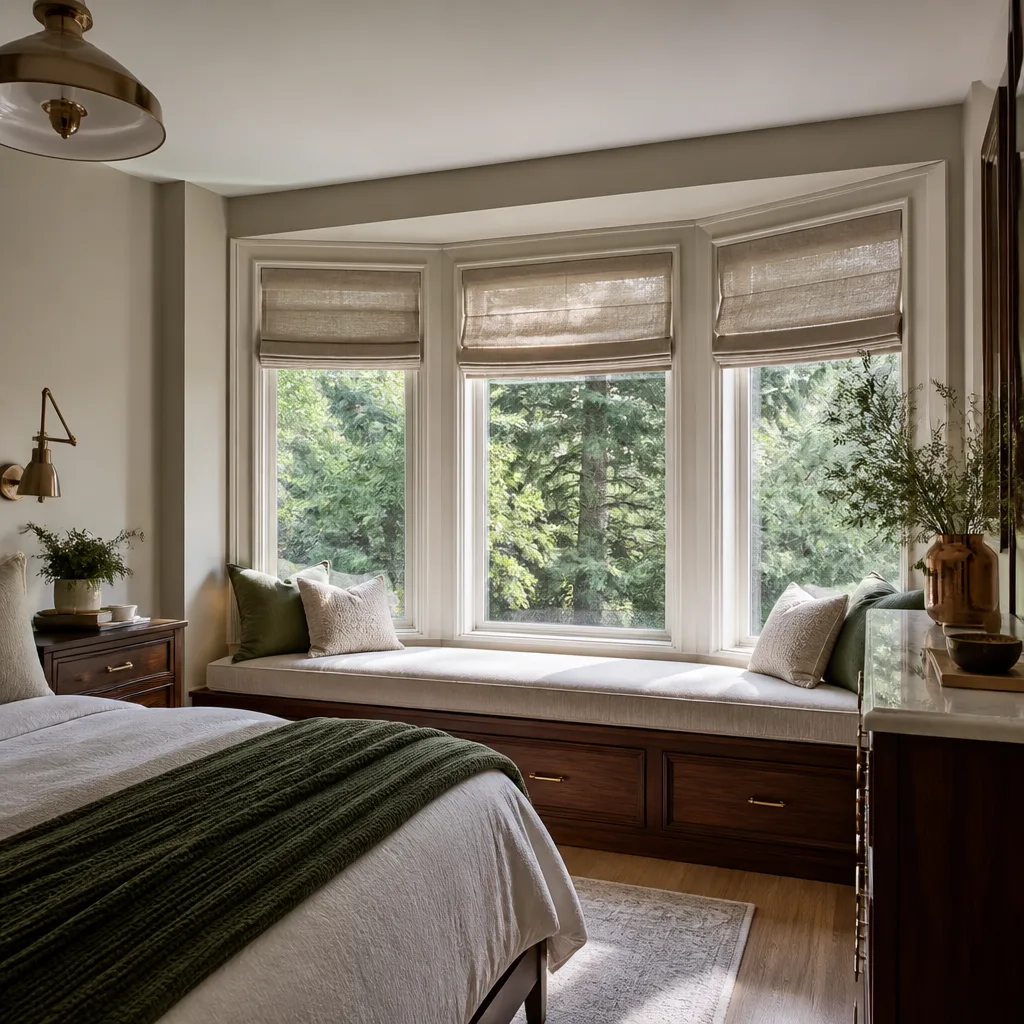
Some jobs are worth doing yourself; window and door replacement in Plano is usually not one of them. The measurement has to be exact, the installation has to be square, the flashing has to be correct, and the permit has to be pulled when the scope requires it. A window installed with a 1/8-inch gap or a door installed out of square will leak air, water, or both within a summer. The glass unit itself is fragile, and a misstep on a second-story installation can be dangerous. If your scope involves any structural change, a size change, an egress window, or a second-story install, call a professional. Carlsbad and Richardson homeowners along the tollway face the same heat load and the same hail exposure, and the answer is the same. Barrett & Sons Construction Plano offers free estimates in Plano – call (877) 382-4108. We’ll check the scope against the city’s requirements, put the spec in writing, and hand you a line-item quote with no surprises.
Frequently Asked Questions
Standard double-pane replacement windows in Plano typically run $450 to $900 per unit installed, with impact-rated glass pushing the upper end of that range and larger or custom sizes going higher. Whole-house packages are usually priced by elevation and size count. Call (877) 382-4108 for an exact quote – estimates are free.
Like-for-like replacement in the same opening often doesn’t require a building permit, but any change to the opening size, any new opening, and any structural change around the opening do require one. Confirm the specific scope against Plano’s requirements before work begins. Call (877) 382-4108 and we’ll walk through your project scope.
Target an SHGC of 0.25 or lower on south and west elevations, with a slightly higher number acceptable on north-facing glass. U-factor should be 0.35 or better for most homes, and 0.30 if you’re replacing a large glass wall. Call (877) 382-4108 and we’ll help you match the numbers to each elevation.
Often yes, though it depends on the carrier. Some Texas policies offer a credit for impact-rated glass, so it’s worth a call to your agent before you order. Document the labels and keep the spec sheets for the claim file. Call (877) 382-4108 if you’d like help reading the test certification on a quote.
Thermal expansion. The frame swells with the heat, and a door installed with a slight out-of-square gap will bind against the jamb by July. A well-made door in a warped frame still sticks, so the fix is usually a measurement and a re-hang, not a new door. Call (877) 382-4108 for a free second opinion if you’ve already been quoted a full replacement.
A typical whole-house window replacement runs two to four days for a standard-size Plano home, and a single door replacement runs a day. Larger projects, custom sizes, or scope that requires permitting add time for inspection scheduling. Plan on a written schedule before the crew arrives. Call (877) 382-4108 for a project-specific timeline.
The Bottom Line
Windows and doors in Plano are a climate decision before they’re a brand decision. Get the SHGC right, get the U-factor right, price impact glass for the west and north walls, and choose a frame material that holds its shape through 105° summers. Confirm the permit scope with the city before material is ordered, and demand the spec in writing. If you’re also refreshing the driveway or the fence while the crew is on site, our Driveway & Pavers in Plano team can coordinate the schedule. The right choices here last twenty years; the wrong ones show up in a single August.
Contact Us
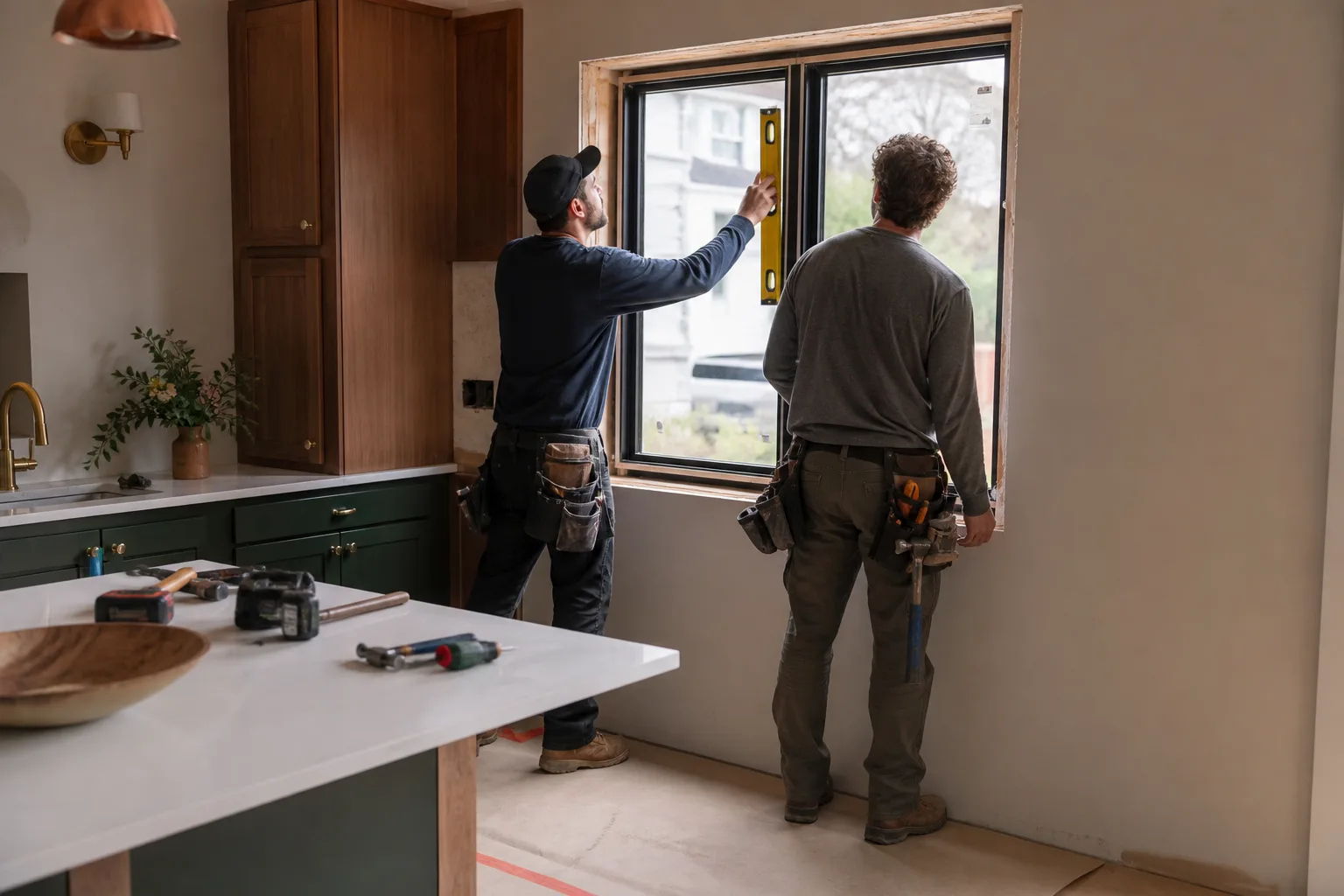
Ready to price your window or door project? Barrett & Sons Construction Plano writes every scope, every allowance, and every price change on paper before work begins, pulls permits and signs inspections on every eligible job, and backs completed work with the written 90-Day Done Right Promise. A live person answers the phone around the clock, and standing offers include $40 off any repair over $200, a free second opinion on any written estimate, no trip charge inside the county, and a permanent 10% senior and veteran discount. Call (877) 382-4108 to schedule your free estimate in Plano.
Written by the team at Barrett & Sons Construction Plano.