Last updated November 18, 2026


Free written scope consultation - allowances, timeline, and change-order rules on paper before a single trade is scheduled
DIY vs Professional Home Additions & ADU: What’s Safe to Do Yourself
Here’s the part that surprises most homeowners: in Texas, you can legally pull a building permit and swing a hammer on your own addition. No state license is required to frame a wall or hang drywall on property you live in. But the same permit that lets you do that work will stop you cold the moment your project ties into the electrical panel, the gas line, or the structural load path. The inspector doesn’t ask whether you’re handy. He asks for the licensed trade’s name on the paperwork. This guide maps exactly where that legal line falls in Plano, what actually happens when DIY work fails inspection, and where your own labor genuinely saves money without putting the permit or your insurance at risk.
Quick Answer
You can legally do demolition, painting, landscaping restoration, and interior finish work on your own Texas addition. You cannot legally perform electrical service connections, gas line work, HVAC refrigerant work, or engineered structural installations without a licensed trade, and Plano’s permit process will reject the job without those licensed signatures. Everything tied to health, safety, and the structural load path belongs to a licensed professional; everything cosmetic and non-structural is fair game.
Styles & brands we work with
- Kitchen remodeling
- Bathroom remodeling
- Home additions & ADU
- Roofing
- Windows & doors
- Driveway & pavers
- Fence
Table of Contents
- What Texas law actually says about homeowner-built additions
- Where Plano’s permit process draws the DIY line
- The scopes where DIY voids your permit and your insurance
- Where owner participation really saves money
- Why rental ADUs carry extra liability for unlicensed work
- The real cost math: permit rejection vs. contractor fees
- Plano-specific code and climate factors that trip up DIY builders
- Common mistakes to avoid
What Texas law actually says about homeowner-built additions
Texas is one of the more permissive states for owner-builders, and that’s exactly where people get into trouble. The Texas Occupations Code does not require a general contractor license for residential construction. A homeowner can act as their own general contractor, hire subs directly, and even perform certain work themselves on a home they occupy. That’s the legal reality, and it’s why so many Plano homeowners assume the whole project is open to them.
What the law doesn’t do is override local permitting. Plano requires building permits for additions and detached structures above a certain size, and the permit application has a licensed-trade component that most DIYers don’t discover until they’re already three weeks into framing. Here’s the split that matters:
- What you can legally do yourself: Demolition, framing (with stamped engineering where required), drywall, insulation, painting, flooring, interior trim, landscaping, and site cleanup.
- What requires a licensed trade by law and by permit: Electrical service connections and panel work, gas piping and connections, HVAC refrigerant lines and equipment charging, plumbing connections to the municipal supply, and any engineered structural element specified on a sealed drawing.
- What gets caught at inspection: The rough-in inspections happen before drywall goes up. That’s the moment a homeowner who did their own electrical work finds out the permit won’t pass without a licensed electrician’s sign-off, and the walls have to come back open.
The permit inspector works for you, not for the contractor. That’s the framing we use on every addition we build, because the inspection is the one outside check that a job was done to code. If you’re going to do part of the work yourself, understand which parts the inspector will actually inspect, and which parts he’ll wave through because they’re finish work.
Where Plano’s permit process draws the DIY line
Plano’s Building Inspections division follows the International Residential Code as adopted locally, and the practical effect for a DIY addition comes down to three checkpoints. Miss any of them and the job stalls.
- Plan review. Your submitted drawings must show the licensed trades and their license numbers for electrical, plumbing, mechanical, and gas. A homeowner-drawn plan without those trade names gets a plan review comment back, not an approval.
- Rough-in inspection. Framing, electrical rough, plumbing rough, mechanical rough, and gas rough all get inspected before insulation and drywall. This is where unlicensed work surfaces, and it’s where the redo cost hits.
- Final inspection and certificate of occupancy. The addition isn’t legal living space until this signs off. If your electrical panel upgrade wasn’t done by a licensed electrician, the panel fails, and the addition sits empty until it’s corrected.
We’ve watched homeowners in Plano spend $8,000 framing a garage conversion themselves, only to learn at rough-in that the egress window and electrical panel work require a licensed trade and the framing has to be opened to expose the wiring. The framing wasn’t wrong. The paperwork was.
The scopes where DIY voids your permit and your insurance
This is the part that costs people real money. A failed inspection is inconvenient. An insurance claim denial after a fire or a leak is a financial wreck. Homeowner policies in Texas commonly exclude damage caused by work performed by an unlicensed person in a scope that requires a license, and the exclusion applies even if the homeowner did the work themselves.
The scopes where this bites hardest:
- Electrical service connections. Panel upgrades, service entrance work, and subpanel installation for an ADU. Beyond the permit issue, panel work carries genuine shock and arc-flash hazard. This is not a weekend project.
- Gas line work. Running gas to a new range or a detached ADU kitchen. A leak that isn’t detected until it’s been seeping under a slab is a life-safety event, and no insurance adjuster is sympathetic to unlicensed gas work.
- HVAC refrigerant work. Refrigerant handling requires EPA Section 608 certification by federal law, separate from the Texas license. A DIY mini-split install that vents refrigerant or misses the charge voids the equipment warranty and can fail final inspection.
- Structural load path. Beam installations, headers, and load-bearing wall removals specified on a sealed engineering drawing. If the engineering drawing calls for a specific installation method, the inspector will want the licensed contractor who performed it on record.
We’ve seen the insurance side of this up close. A claim denial after unpermitted structural work isn’t a paperwork problem you can fix after the fact. The policy language is written to protect the insurer from exactly this scenario, and it holds up.
Where owner participation really saves money
Here’s the good news, and it’s the part most contractors won’t tell you because it cuts into their number. There’s real money to be saved on an addition if you know which phases to take on yourself. A Plano addition running $120,000 to $180,000 for a 400- to 600-square-foot bump-out carries a meaningful labor component you can offset.
The safe DIY checklist, in order of dollars saved:
- Demolition. Tearing out the old wall, old flooring, and old landscaping in the construction footprint. Physically demanding but low-risk if you’re careful about load-bearing walls and utilities, which you’ll mark with the contractor before the first swing.
- Site prep and landscaping restoration. Clearing the site, moving dirt, and restoring the yard after the crew leaves. This is the phase where a homeowner with a wheelbarrow and a weekend saves $2,000 to $5,000 of grading and landscape labor.
- Painting. Interior paint after drywall is finished and inspected. Zero permit exposure, and paint labor is one of the biggest line items homeowners can absorb.
- Interior trim and finish carpentry. Baseboards, casing, and door trim after rough inspections pass. This is finish work that doesn’t touch the load path or the trades.
- Final cleaning and punch-list touch-ups. Small savings, but it gets you walking the job with the contractor at the finish line where you catch issues early.
What we tell any Plano homeowner considering an owner-participation arrangement: you do the work, we pull the permits and coordinate the licensed trades. Everything that goes in writing stays in writing, and every price change gets a written change order before a nail moves. That’s the only way owner participation stays clean.
Why rental ADUs carry extra liability for unlicensed work
A detached accessory dwelling unit built for your aging parent or your college kid is one thing. An ADU built to rent is another legal animal, and most homeowners in Plano don’t realize how much wider the exposure gets.
The day you take rent, you become a landlord, and landlord liability in Texas is a different standard. An unpermitted or unlicensed-work ADU that a tenant occupies creates:
- Premises liability exposure. If a tenant is injured because of defective electrical work or a code violation, the landlord carries the liability, and an insurance company will point straight to the unpermitted scope.
- Rental permit and registration requirements. Plano has rental property registration requirements, and an unpermitted ADU can’t be legally registered as a rental unit. That means eviction proceedings get complicated and code enforcement gets involved.
- Insurance denial. A landlord policy on a rental ADU with unpermitted work is a claim denial waiting to happen. Some carriers refuse to write the policy at all once they see the addition isn’t on the certificate of occupancy.
- Resale and appraisal problems. A rented ADU that isn’t permitted doesn’t count as legal square footage at resale, and buyers financing the purchase won’t get an appraisal that recognizes it.
Owner-occupied additions carry the same permit requirements but a much narrower liability picture. The rental unit is the one where a code violation jumps from expensive to genuinely dangerous, and it’s worth pulling the permits and hiring the licensed trades even if you’d otherwise consider doing the work yourself.
The real cost math: permit rejection vs. contractor fees
Homeowners do the DIY addition math on the front end, adding up the contractor’s fee and subtracting it from their budget. The honest math adds the back end too. A permit rejection doesn’t just cost time; it costs the demo and the redo of the work that failed.
Here’s the real-world comparison for a typical 500-square-foot Plano addition:
- Licensed contractor fee for electrical rough and panel work: $3,500 to $6,500, depending on panel age and service.
- DIY electrical that fails rough-in inspection: $0 up front, but $2,800 to $5,000 to open the walls, correct the wiring, re-inspect, and re-insulate and re-drywall.
- DIY structural beam install that fails inspection: $4,000 to $9,000 for the engineering correction, the licensed reinstallation, and the second inspection.
- Insurance claim denial after unpermitted addition damage: full replacement cost, $80,000 and up, no reimbursement.
- Resale discount for an unpermitted addition: typically $0.40 to $0.60 on the dollar for the added square footage, because a buyer’s lender won’t lend against it.
The DIY savings that actually hold up are the ones with no permit exposure: the $2,000 to $5,000 from landscaping and site prep, the $1,500 to $3,500 from interior paint on a 500-square-foot addition, the $800 to $1,800 from interior trim. Those are real savings. The savings from attempting licensed trade work are illusory, and they come with a bill attached.
Plano-specific code and climate factors that trip up DIY builders
Plano’s clay-heavy Blackland Prairie soil is the biggest hidden cost in any DIY addition, and it’s the one most homeowner-builders don’t budget for. The soil expands and contracts dramatically between the wet spring and the dry summer, and foundation engineering here has to account for movement that a drawing pulled off the internet won’t. A shallow pier design that works in sandy soil fails here, and the failure shows up as foundation movement by the second summer after the addition goes up.
Climate specifics for a Plano addition:
- Foundation depth and pier design. Plano’s expansive clay calls for pier and beam or engineered slab with piers designed for soil movement. This is engineering territory, not homeowner territory, and the sealed drawing is a permit requirement.
- Roof tie-in. North Texas hail exposure means the tie-in between the addition roof and the existing roof has to be done to current wind and hail ratings. GAF and CertainTeed systems both have installation specifications that a DIY tie-in misses, and the roofing material warranty depends on those specifications being followed.
- Attic ventilation and insulation. Plano summers push 106°F, and an addition with the wrong attic ventilation or the wrong insulation R-value fails energy code and fails final inspection.
- Window specification. North Texas energy code requires specific U-factor and SHGC ratings on windows. Brands like ES Windows or ECO Window Systems publish the certified ratings, and the inspector will want to see them on the submitted spec sheet.
Our crew members see the Plano soil and code issues every week on additions, and it’s the reason we walk every homeowner through the plan review items before a single permit is submitted. If you’d like a free second opinion on a written estimate you’ve received from someone else, that’s a standing offer and no charge.
Common Mistakes to Avoid
- Assuming “Texas has no contractor license” means “Texas has no permit rules.” The state doesn’t license general contractors, but Plano requires building permits and licensed trades on every permitted addition. Skipping the permit is the mistake almost every DIY horror story starts with.
- Doing electrical rough-in yourself to save $4,000. The rough-in inspection happens before drywall, and the correction cost to open the wall, re-wire, and re-finish the space runs more than the electrician’s fee. This is the single most expensive DIY shortcut we see in Plano.
- Running your own gas line to a new range or a detached ADU kitchen. Gas work requires a licensed plumber, and a leak that isn’t caught until it’s under a slab is a life-safety event, not a warranty conversation. This is the one where the risk is genuinely serious, and a trained professional really is the only right call.
- Ordering windows and doors without checking energy code compliance. North Texas requires published U-factor and SHGC ratings on window specs. An unrated window fails inspection and has to be replaced, and it’s a full-material loss.
- Drawing your own addition plans in a software tool and submitting them. Plano’s plan review needs sealed engineering drawings for the structural and foundation elements. A software-drawn plan comes back with a comment, and the plan review clock restarts.
- Converting a garage into a rental ADU without checking the rental registration. Plano requires rental property registration, and an unpermitted ADU can’t be legally registered. The tenant moves in, the code officer shows up, and the eviction and correction costs both land on you.
- Hiring the cheapest bid when the estimate isn’t itemized. A phone quote and a door quote that don’t match is the tell. An allowance that isn’t on paper is a surprise waiting for a date, and it’s the reason we write every allowance and every price change into a written change order before the work happens.
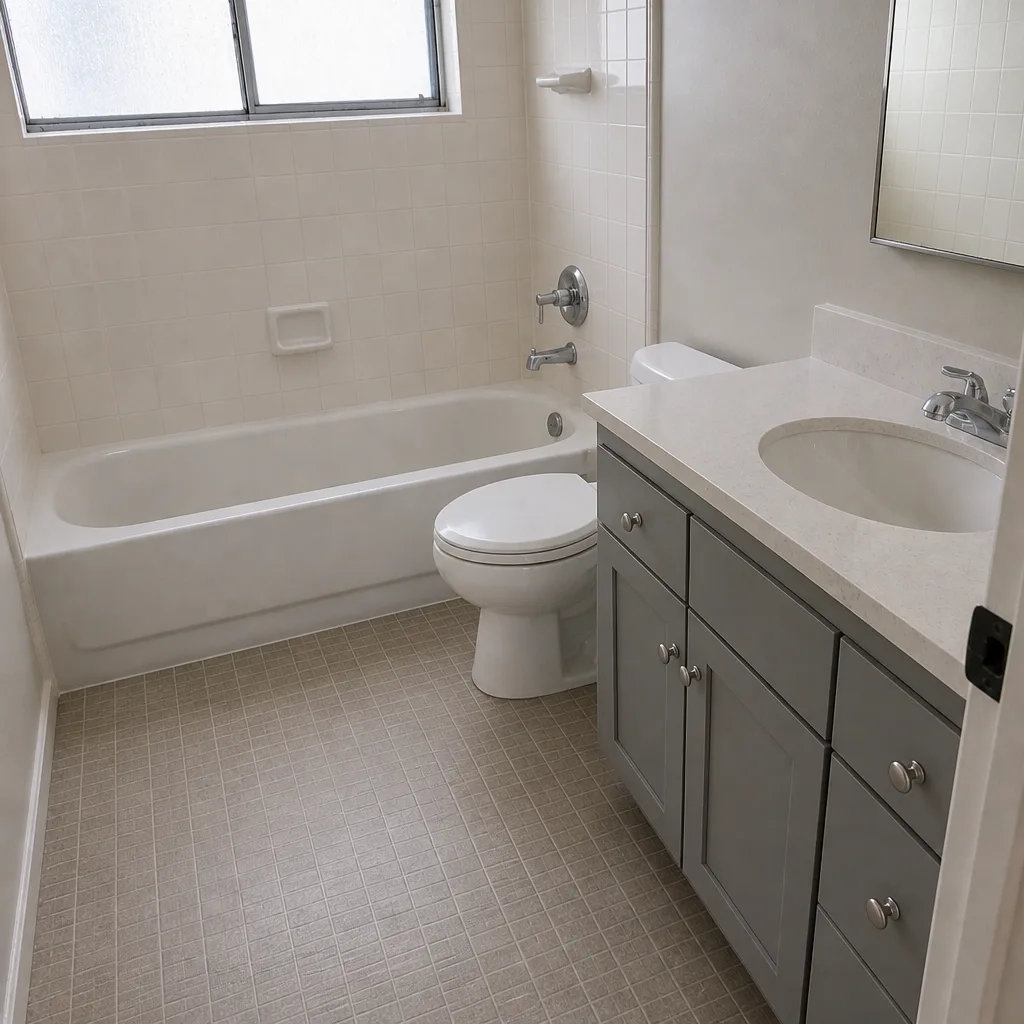
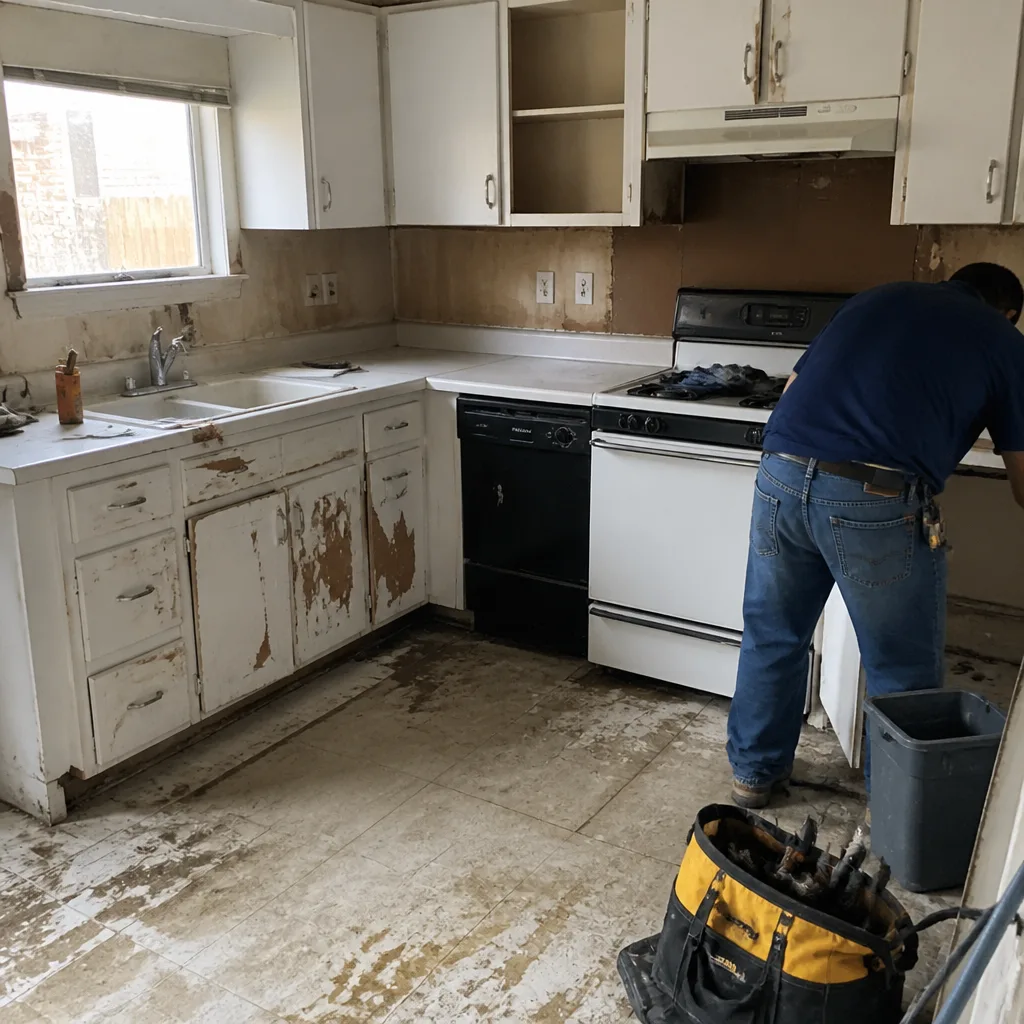
See the difference
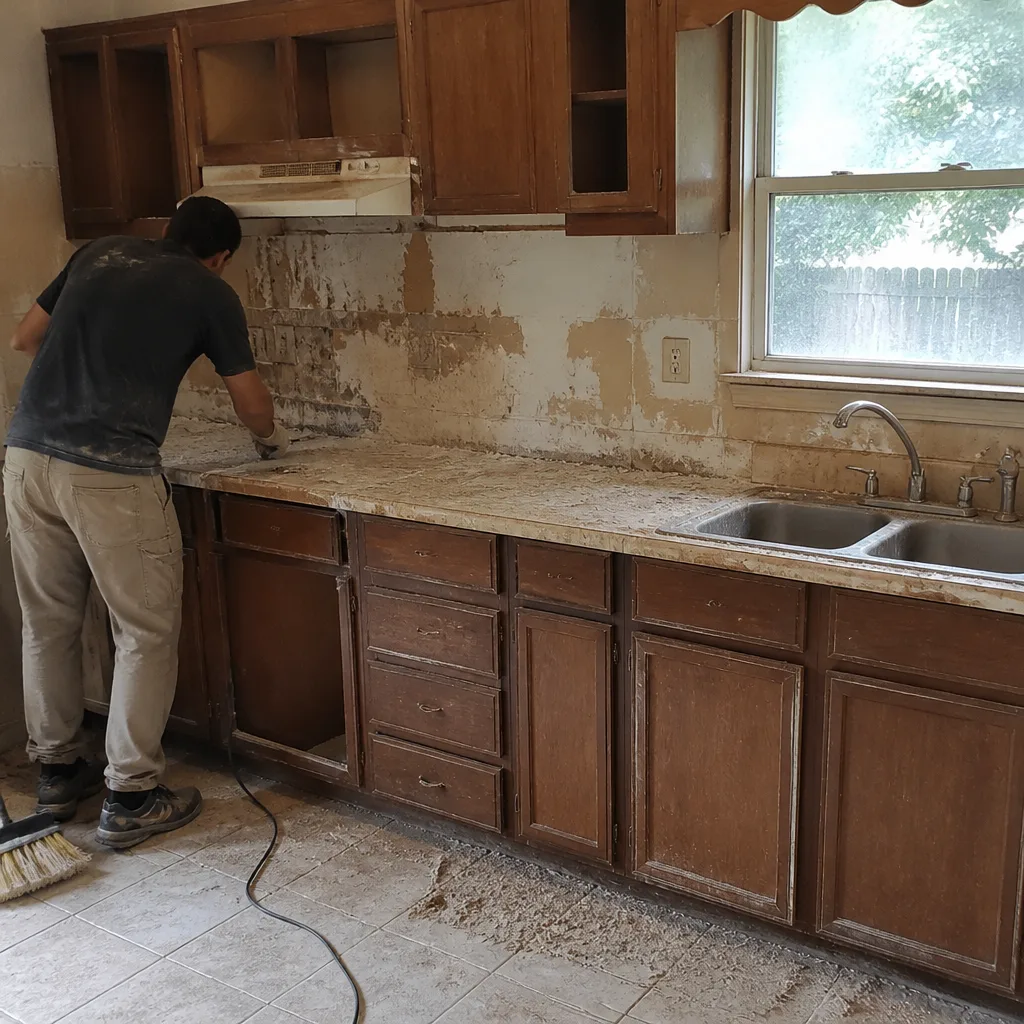 Before
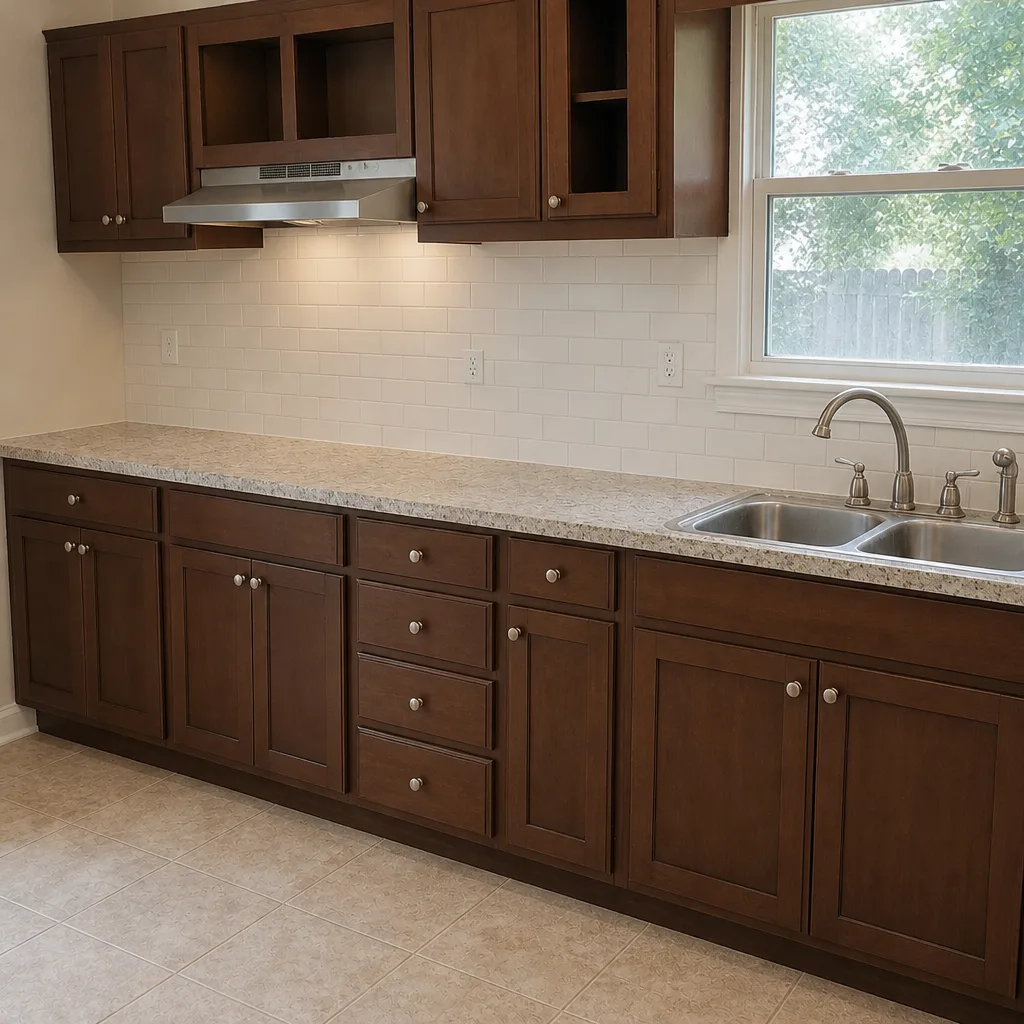 After
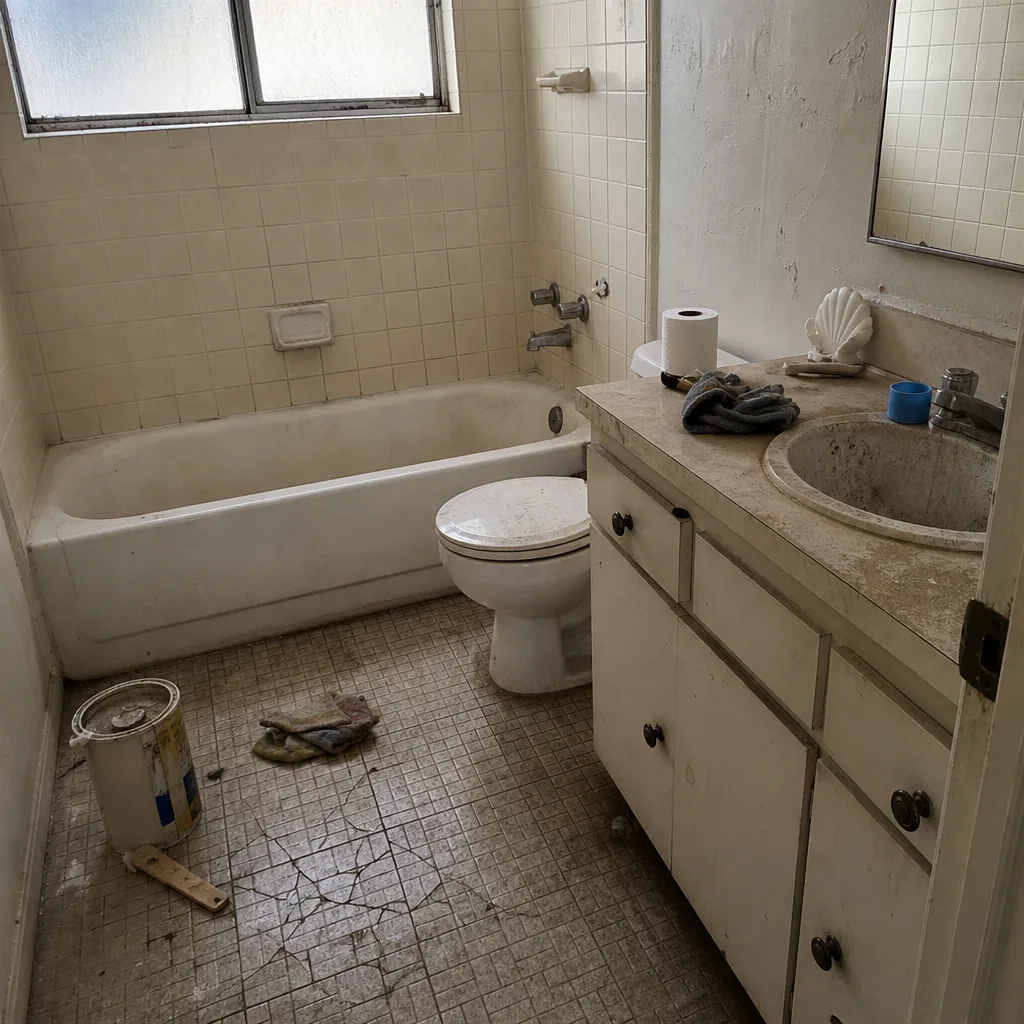 Before
 After
 Before
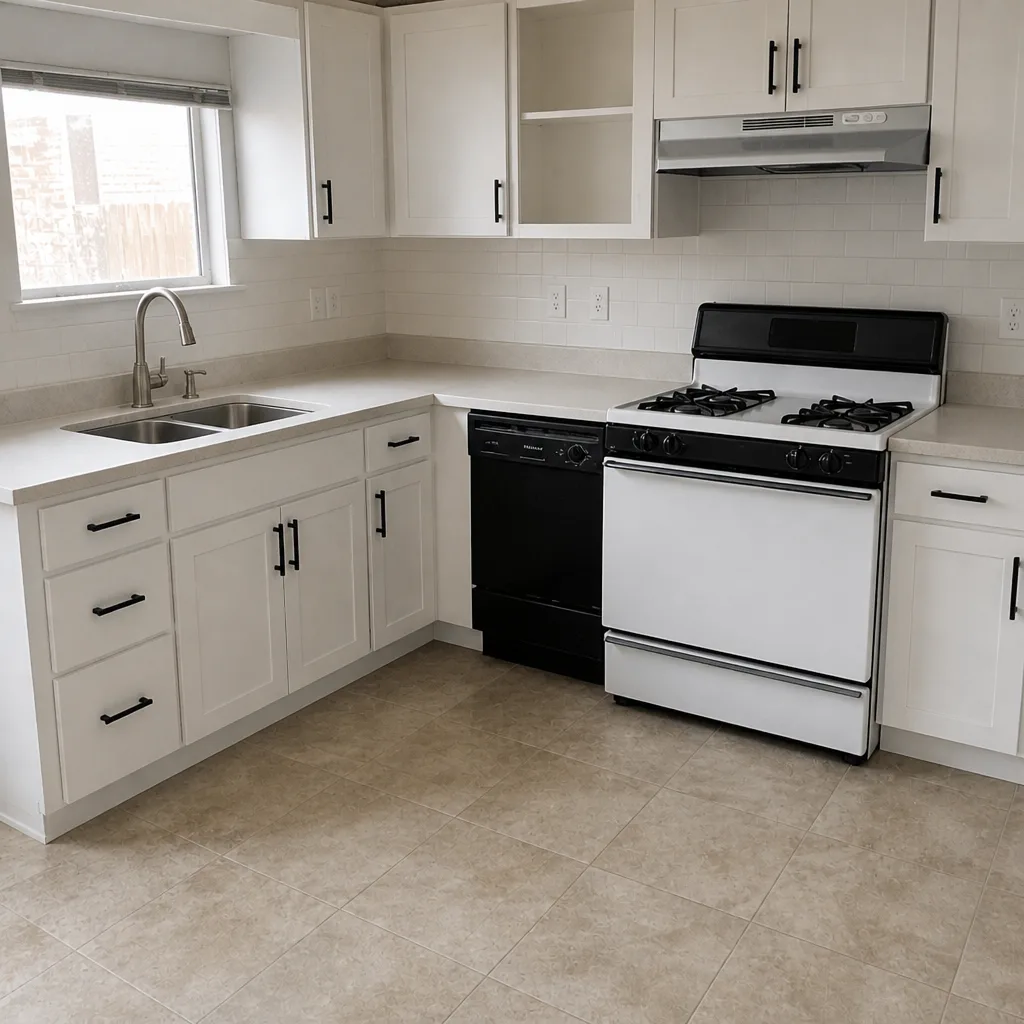 After
When to Call a Professional
The DIY line isn’t about skill. It’s about what the permit will reject and what your insurance will disown. If your addition touches the electrical panel, the gas line, the HVAC refrigerant, or a load-bearing structural path, you need a licensed trade on the job, and Plano’s inspectors will ask for the license number. If your addition is over a crawlspace with expansive clay soil, you need a sealed foundation design. If you’re building an ADU to rent, you need the permits, the licensed trades, and the rental registration done correctly from day one, because the liability widens the moment a tenant moves in. Where you can genuinely save money yourself is demolition, site prep, landscaping restoration, paint, and interior trim after the rough inspections pass. Everything else is a call:
Barrett & Sons Construction Plano offers free estimates in Plano and a free second opinion on any written estimate you’ve already received. We pull every permit, and we pass every inspection, because the inspector’s sign-off is the one outside check that the job was done to code. Call (877) 382-4108.
We’ve been building additions and ADUs in Plano and the surrounding communities long enough to know exactly which homeowner-participation arrangements hold up and which ones cost more than they save. The L.O.C.A.L. values code – Local roots, On time, Community first, Accountable, Loyal – is the framework we run every job by, and it starts with the honest answer to which parts of your addition are safe to do yourself.
Frequently Asked Questions
Yes, in most cases, with one clear boundary: Texas doesn’t license general contractors, so a homeowner can act as their own GC and perform non-structural, non-trade work on a home they occupy, but any addition requiring a permit will still require licensed trades for the electrical service, gas, plumbing, and HVAC scopes. The permit will not pass rough-in inspection without those licensed signatures, regardless of who did the framing.
Yes. A detached ADU in Plano requires a building permit, sealed engineering drawings for the foundation and structural elements, and licensed trades for the electrical, plumbing, mechanical, and gas scopes. If the ADU will be rented, Plano’s rental registration requirements apply on top of the permit, and an unpermitted ADU can’t be legally registered as a rental. Call (877) 382-4108 for an exact quote on an ADU build – estimates are free.
The permit stays open, the correction work has to be done and re-inspected, and the walls have to come open to expose the work that failed. For electrical or structural failures, the correction cost typically runs $3,000 to $9,000, which is more than the licensed trade would have charged to do the work correctly the first time. The redo cost almost always lands on the homeowner, not the inspector.
Usually not. Texas homeowner policies commonly exclude damage caused by work performed by an unlicensed person in a scope that requires a license, and the exclusion applies even when the homeowner did the work. The policy language is specific and holds up in claim disputes. That’s the reason we recommend pulling permits and hiring licensed trades on every addition, regardless of whether the homeowner could legally do the work themselves.
Often yes, and it’s the safest savings on an addition. Demolition, site prep, and landscaping restoration don’t touch the permit-required scopes, and the savings run $2,000 to $5,000 on a typical 500-square-foot Plano addition. Interior paint after drywall finishes adds another $1,500 to $3,500, and interior trim work after rough inspections pass adds $800 to $1,800 more. Those are real savings without legal exposure.
Yes. Electrical service connections, panel upgrades, and subpanel installations require a licensed electrician in Plano, and the inspector will ask for the license number on the permit at rough-in. Panel work also carries serious shock and arc-flash hazard, so this is one of the scopes where a trained professional is not optional. Call (877) 382-4108 for a free estimate on the electrical scope – quotes are itemized in writing.
The Bottom Line
The DIY line on a Texas addition isn’t about how handy you are. It’s about what the permit will reject and what the insurance will disown. Do your own demolition, site prep, landscaping, paint, and interior trim; those save real money and carry no permit risk. Leave the electrical service, gas, HVAC refrigerant, and structural load path to a licensed trade, because the rough-in inspection won’t pass without them, and the insurance exclusion for unlicensed work is genuine. The honest math on a failed inspection is worse than the honest math on the licensed trade every time. Plans in writing, allowances in writing, change orders in writing.
Whether you’re planning an addition or a full ADU, the first step is a free estimate that lays out the whole scope, so call (877) 382-4108. And if you want a sanity check on a written estimate you’ve already got from someone else, that second opinion is free too.
If you’re weighing how the addition ties into the rest of your property, our guides on Driveway & Pavers in Plano and Fence Installation in Plano cover the exterior scopes, and our Home Additions & ADU in Plano page walks through the full build process. Start at the Barrett & Sons Construction Plano home page for everything else we do.
Written by the team at Barrett & Sons Construction Plano.