Last updated November 18, 2026


Free written scope consultation - allowances, timeline, and change-order rules on paper before a single trade is scheduled
Driveway & Pavers Warning Signs Every Homeowner Should Know
A single rocking paver in your driveway is the check engine light of your hardscape. The rock itself isn’t the emergency. It’s telling you something underneath has already started to move, and it will keep moving whether you notice or not. Homeowners who catch that one paver early usually spend a few hundred dollars on a fix. Homeowners who wait until the field spreads spend a few thousand. Plano sits on clay soils that swell in wet springs and shrink hard in July, so the warning window here can close faster than most folks expect. This guide names the specific early signals that point to base failure, drainage problems, and installation defects, and it shows you how to tell normal settling apart from the expensive kind.
Quick Answer
In Plano, the driveway paver warning signs that matter most are: a paver that rocks underfoot, water pooling in the same low spot after every rain, soil washing out along the edge, joints where sand keeps disappearing, and pavers that sink or heave in a pattern rather than one random stone. Cosmetic settling in the first year is normal and usually stops. Structural movement that keeps getting worse is a base or drainage problem, and it should be looked at before the repair bill grows.
Styles & brands we work with
- Kitchen remodeling
- Bathroom remodeling
- Home additions & ADU
- Roofing
- Windows & doors
- Driveway & pavers
- Fence
Table of Contents
- Normal First-Year Settling vs. Structural Movement
- Why Water Pools in One Spot After Rain
- Edge Restraint Failure and the Warning Signs Along the Border
- Cracked or Flaking Pavers vs. Sunken or Rocking Pavers
- The One Drainage Check to Do After Every Heavy Rain
- What Plano’s Clay Soil Does to a Driveway Base
- Joint Sand Loss, Ant Hills, and Weeds in the Seams
- How to Know If It’s a Repair or a Rebuild
Normal First-Year Settling vs. Structural Movement
Every paver driveway settles a little in its first year. That is not a defect. Fresh base material compacts under traffic, sand works its way into the joints, and the surface drops by a fraction in places as the whole assembly finds its level. What separates that normal break-in from a real problem is pattern and direction. Settling that levels off by month twelve is cosmetic. Movement that gets worse every season is structural.
Here’s how we tell them apart on a walkthrough:
- Cosmetic settling: a slight dip near a tire path, one or two pavers that flex a hair underfoot but sound solid when tapped, joints that stay full after a top-off of sand.
- Structural movement: a paver you can lift an edge on, a dip that deepens year over year, a spread of loose stones that keeps widening from a starting point, or a whole section that has dropped relative to the concrete apron or garage slab.
Tap a suspect paver with a screwdriver handle and listen. A hollow, rattling sound means the bed under it has washed or settled out. A solid click means the base is still doing its job. In Plano, where builders put driveways on expansive clay, one paver starting to rock near the slab is worth watching closely. The slab doesn’t move much. The soil under the driveway does, and that mismatch is where trouble starts.
When to watch and when to call
Watch for one full wet season if the movement is a single paver and it doesn’t spread. Call for a look if two or more pavers in a line are loose, if the dip is deep enough to hold a half-inch of water, or if you can see a gap open along the border. Our technicians have up to 28 years of experience reading exactly this kind of pattern, and a free estimate will tell you in an hour whether you’re looking at a repair or a rebuild.
Why Water Pools in One Spot After Rain
Water pooling in the same spot after rain is almost always a grading or drainage problem, not a surface problem. The pavers themselves aren’t causing it. The slope underneath them, or the way water leaves the site, has changed. Chasing it by adding sand or tapping down the low pavers treats the symptom and hides the cause.
A paver driveway needs to shed water toward the street, a drain, or a designed low point that ties into the yard. In Plano, where a heavy spring storm can drop an inch in twenty minutes, a driveway that holds water for more than a few hours is handing that water a direct path into the base. And once the base is wet and soft, everything above it starts to fail.
What pooling typically leads to, in order:
- Base saturation. The compacted gravel base soaks and loses its strength.
- Sand migration. Joint sand washes into the base or out along the edges, leaving gaps.
- Rocking and sinking. Pavers lose their bed and start to move under the weight of a car.
- Edge blowout. Water pressure against the border opens the restraint.
- Field failure. Whole sections shift, and now you’re rebuilding, not repairing.
If a low spot holds water for a day or more after a storm, that’s your cue to get it looked at. A free second opinion on any written estimate we hand you means you can check our read of the drainage against whatever you were told before. Call (877) 382-4108 and we’ll come out and slope it right.
Edge Restraint Failure and the Warning Signs Along the Border
Edge restraint is the buried border – a poured concrete curb or a spiked metal, plastic, or aluminum edge – that holds the whole paver field from spreading outward. It’s the last thing people look at and the first thing that fails. The border is your early warning system. Check it before the field ever shows a problem.
What edge failure looks like before the whole driveway starts to move:
- A visible gap opening between the outermost paver row and the lawn or curb.
- The border pavers leaning or rotating slightly outward.
- Soil pushing up or washing out at the lawn edge after rain.
- A soft, spongy strip of grass or gravel right along the driveway line.
- Joint sand pumping out along the border when a car pulls in.
Along a Plano driveway facing a street with no curb and gutter, water running off the road can undercut the border season after season. This is why we look at the grade on the street side first. If the restraint is still holding, an edge repair is a small job. If the field has already spread two or three rows, the border and the field both need work. Catch it at the border and you catch it cheap.
Cracked or Flaking Pavers vs. Sunken or Rocking Pavers
These are two different problems with two different urgency levels, and homeowners mix them up all the time. A cracked, chipped, or flaking paver usually means the stone itself is failing. A sunken or rocking paver means the base under it is failing. The second is the more expensive one.
Cracked, flaking, or spalling pavers
Spalling is when the top surface of a paver flakes off in sheets or chips. In Plano it’s usually caused by a poor-quality paver, freeze-thaw stress (yes, we get enough of it), de-icing salt applied too heavily, or water trapped against the stone. A single spalled paver isn’t a structural emergency. Several spalling in one area points to trapped moisture or the wrong stone for a driveway application. Belgard and Techo-Bloc both make driveway-grade pavers that hold up to Texas heat and traffic, and installing the right stone in the first place is the fix for most of this.
Sunken or rocking pavers
A rocking paver is a base problem every time. The bed under it has washed, settled, or was never compacted properly. Left alone, the rocking paver abrades the ones next to it, the joints open, water gets in, and the movement spreads. Sunken pavers in a line or a rectangle usually follow a buried utility trench or a spot where the base was under-compacted. Both are cheaper to fix now than after a winter of traffic.
The One Drainage Check to Do After Every Heavy Rain
Here’s the drainage check that catches base erosion before it’s invisible from the surface: walk your driveway’s perimeter within an hour of a hard rain and watch where the water goes. Not where it pools on top – where it leaves. If water is running off the pavement and onto the lawn or into a planted bed, that’s normal. If water is running off the edge and disappearing into the gravel or soil along the side, that’s the check you were looking for.
- Put on boots and walk the full perimeter right after a heavy rain.
- Watch for water flowing under the edge restraint rather than over the top.
- Look for a darker, wetter line of soil along the border that stays wet a day after everything else dries.
- Push a screwdriver into the soil along the edge. If it slides in easy where it should be firm, the base has started to erode.
- Note any spot where the water sits more than two hours after the rain stops.
That wet soil line is base erosion. It means water is finding a way behind the pavers and under the base, and it’s only a matter of time before the surface shows it. Plano’s spring storms come fast, and water that goes under the edge in March shows up as a rocking paver by summer. If you spot this, call (877) 382-4108 and let us look before it spreads. The freeze on any written estimate we give you means the number won’t move once we’re on the job.
What Plano’s Clay Soil Does to a Driveway Base
Most of Plano sits on expansive clay, the same soil that keeps foundation repair crews busy across Collin County. That clay swells when it’s wet and shrinks when it’s dry, and it moves far more than most homeowners expect. A driveway paver base that’s built right is designed to float on top of that movement without telegraphing it to the surface. A driveway installed on top of clay with a thin base or poor compaction feels every bit of the swing.
What that means for you:
- Late summer is when shrinkage cracks in the soil around your edges get widest, and it’s the best time to spot base erosion.
- Spring runoff is when a base that was marginal all winter suddenly starts to show as rocking or pooling.
- Trees matter. A mature oak or pecan within 15 to 20 feet of the driveway pulls moisture out of the clay and increases how much the soil under one section moves.
- Downspouts matter. A gutter that dumps at the driveway corner is the fastest way to erode a base along that edge.
We’ve seen this play out across Plano neighborhoods – a driveway that looked fine in October starts to rock in March after a wet winter. That’s a soil and drainage story, not a paver story. Getting the base and the drainage right the first time is the whole job, and it’s why a right-built driveway holds for decades while a rushed one fails in the first five years.
Joint Sand Loss, Ant Hills, and Weeds in the Seams
Joint sand is what locks the pavers together and keeps water from getting under the field. When the joints stop holding sand, the interlock is gone, and a single car wheel can start to shift stones. If you sweep sand into the joints every season and it keeps disappearing, you’re not seeing normal wear. You’re seeing either sand washing into the base (drainage problem) or the field spreading (edge problem).
Two more signs worth naming:
- Ant hills between pavers. Ants dig in soft, damp soil, and soft, damp soil is what a failing base looks like from the top. An ant colony is often the first visible sign of water under the driveway.
- Weeds growing in the joints. A joint full of organic debris stays wet, which softens the soil under it and speeds up base trouble. Pulling the weeds doesn’t fix it; the sand and the base are the real story.
Replacing joint sand (a process called re-sanding) is a normal part of paver upkeep, and on a healthy driveway it lasts years. On a Plano driveway it’s worth a close look if you’re topping off every spring. A crew that knows what a settler bed should feel like underfoot can tell you in minutes whether this is a re-sand or a base repair.
How to Know If It’s a Repair or a Rebuild
The honest answer depends on how much of the field has moved and how far the base has gone. A single rocking paver or two is a repair. A section of five or ten square feet that has dropped into a soft base is a repair. A spreading pattern from a central point, a field that has visibly bowed along the edge, or three or more problem zones across the driveway usually means the base needs to be rebuilt in those areas, not just patched.
Questions we ask on a call like this:
- How large is the affected area, and is it one spot or several?
- Does the problem get worse every season, or did it happen once and stop?
- Is the edge restraint still holding, or has the border moved?
- Where does water go after rain – and does it stay under the driveway?
- Was this driveway installed on a full compacted base, or was it put down over an existing surface?
If the answers point to a repair, that’s what we quote. If they point to a rebuild, we say so, and every scope, allowance, and price change arrives as a written change order before any work starts – the allowance that isn’t on paper is a surprise waiting for a date. You’ll never get an invoice at the end that doesn’t match the estimate we handed you up front. If you’re also thinking about tying the driveway into a broader exterior project, our Driveway & Pavers in Plano page covers the install side, and Fence Installation in Plano covers the perimeter work a driveway rebuild often opens up.
Common Mistakes to Avoid
- Topping off with sand and calling it fixed. Sand covers the symptom for a season and hides the real problem. The base is what’s failing, and the joint sand won’t hold it.
- Assuming a first-year dip is a defect. Normal settling in year one is expected and usually stops. It’s the dip that gets deeper every spring you should watch.
- Ignoring the edge because the field looks fine. The border shows failure before the field does, and edge repair is a fraction of the cost of field repair.
- Letting a downspout dump at the driveway corner. In Plano’s clay, that one gutter can erode the base under five feet of driveway in two or three wet seasons.
- Sealing over a wet base. Sealing a paver driveway before the base is dry and stable traps moisture in and speeds up the failure you’re trying to prevent.
- Hiring a crew that skips the base. A paver install without proper excavation, compacted gravel, and a set restraint curb will look great for two years and rock in the third. The base is invisible on day one and the whole story by year five.
- Assuming permits are optional. The last contractor most homeowners used told them permits were optional. In Plano, hardscape work that touches the right-of-way or drainage pattern needs to be inspected, and getting the permit pulled and the inspection signed protects you when you sell.
See the difference
 Before
 After
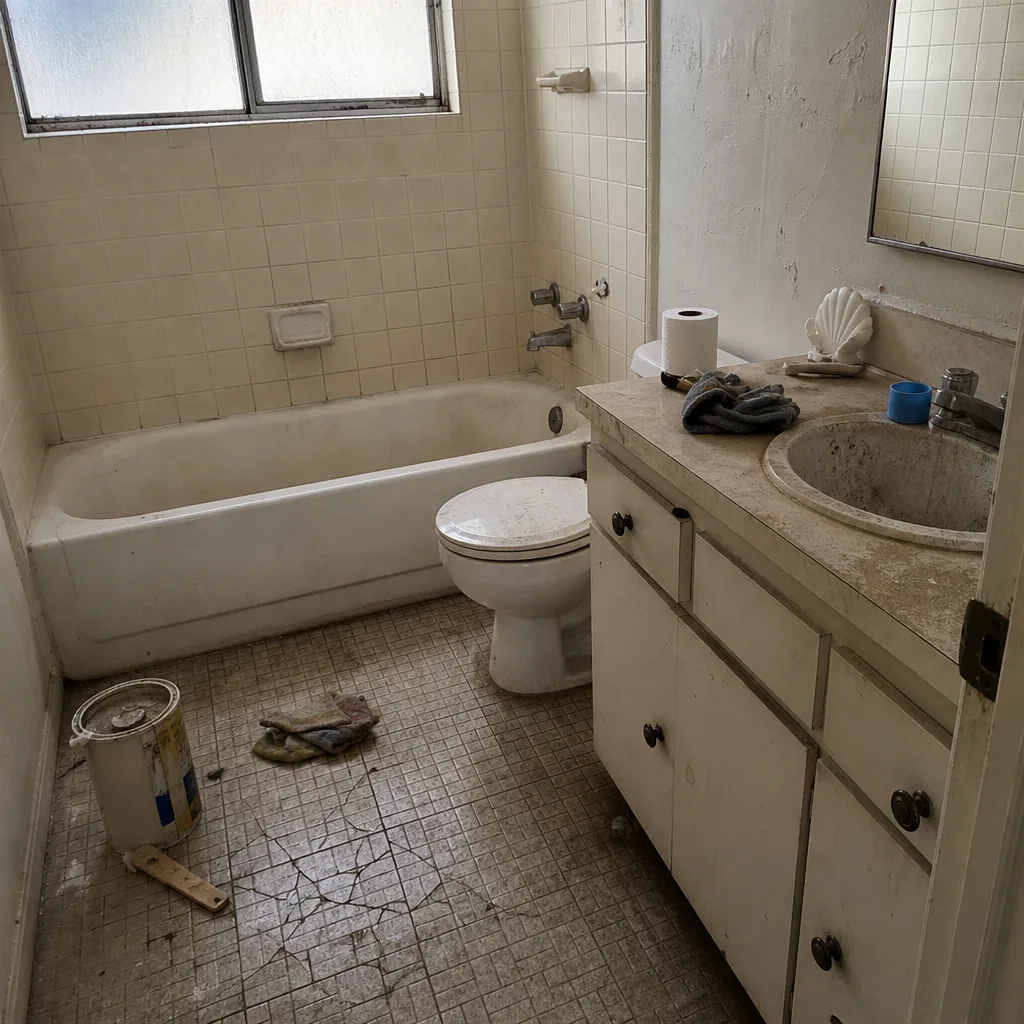 Before
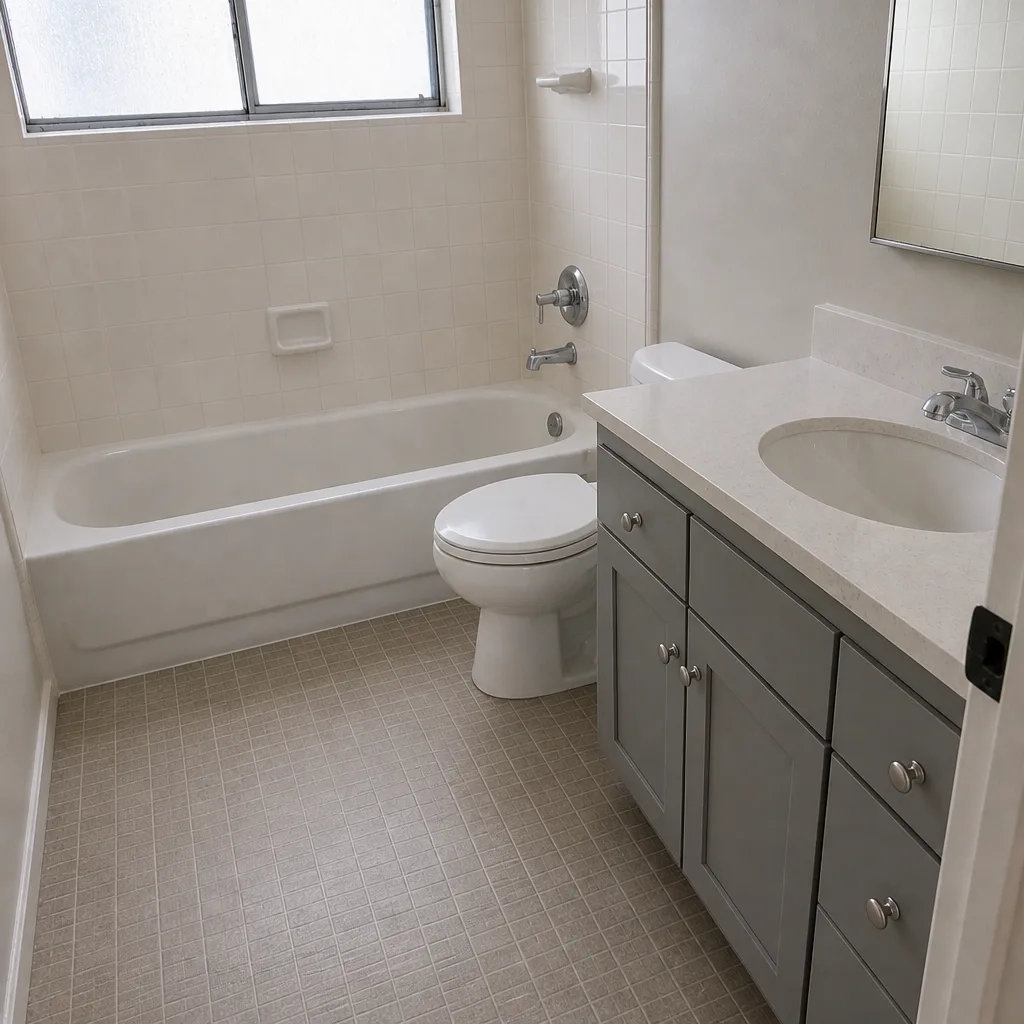 After
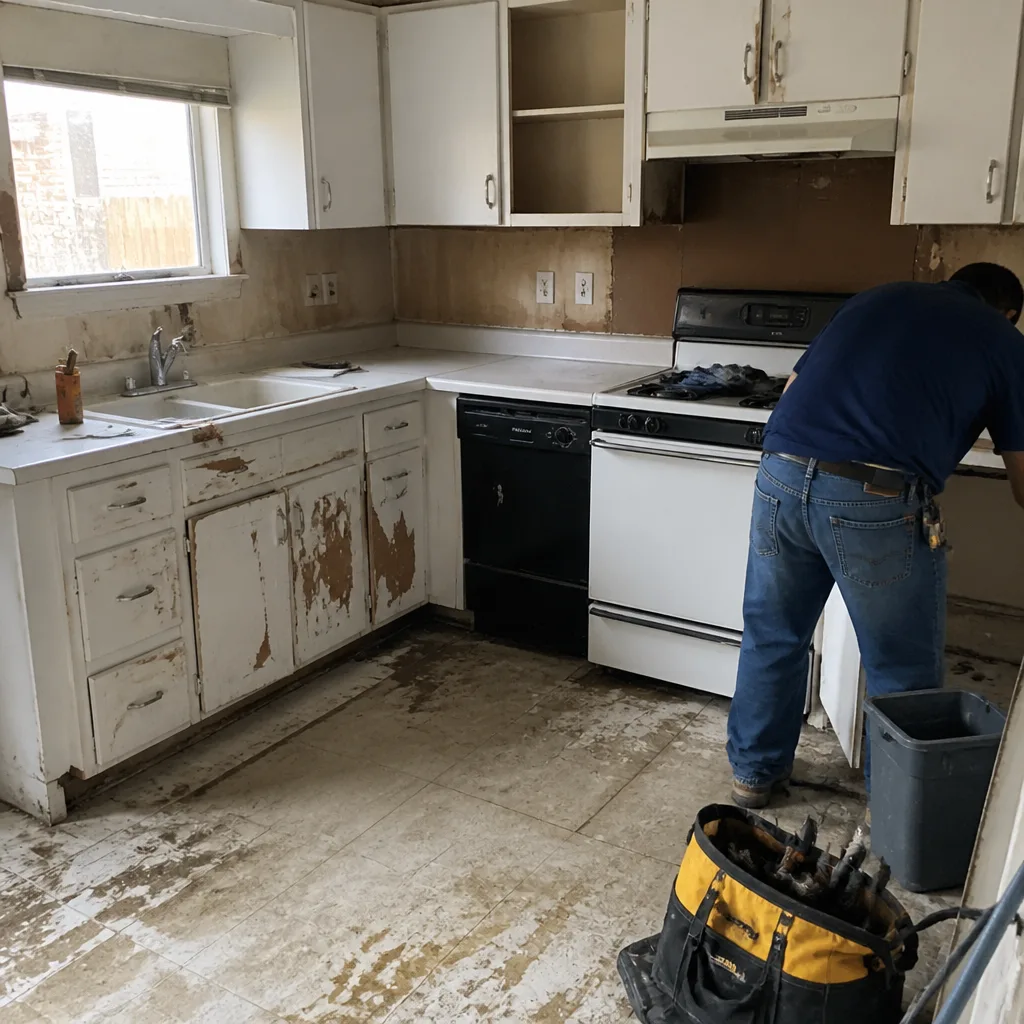 Before
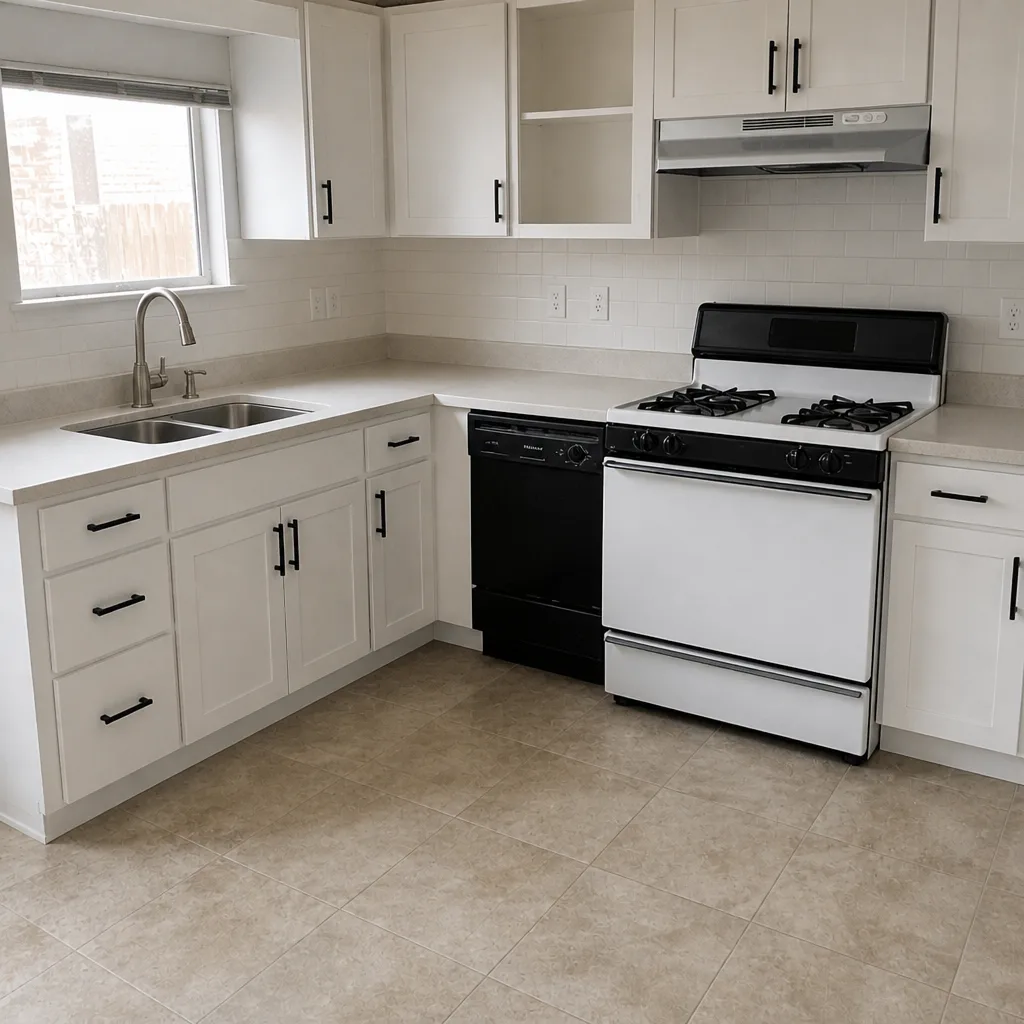 After
When to Call a Professional
Call us when a paver rocks underfoot and won’t settle after a season, when water pools deeper than half an inch in the same spot after every rain, when the edge restraint has visibly moved, or when you can see a wet line of soil along the border a full day after a storm. Call when a dip has spread from one paver to a line, or when the number of problem spots has gone from one to three. Barrett & Sons Construction Plano offers free estimates in Plano – call (877) 382-4108 and we’ll walk the driveway with you, no charge, and tell you plainly whether you’re looking at a repair or a rebuild. No trip charge inside the county, and a free second opinion on any written estimate you’ve already got in hand.
Frequently Asked Questions
In Plano, a small repair to one or two rocking pavers is usually a few hundred dollars. A section repair of five to ten square feet runs higher, and a partial rebuild of a failed edge or field section is higher still. The exact number depends on the size of the affected area and whether the base needs to be reopened. Call (877) 382-4108 for a free estimate – we’ll give you a written line item, not a phone quote that changes at the door.
Yes, a rocking paver is a base problem every time. The bed under it has settled, washed out, or was never compacted right in the first place. It won’t fix itself, and it usually spreads to the pavers next to it. The good news is a single rocking paver caught early is one of the cheapest fixes on a hardscape.
Normal first-year settling levels off by month twelve and doesn’t keep spreading. A real problem keeps getting worse – the dip deepens, the loose area widens, or the edge opens a gap. If you’re into the second spring and the problem spots are doubling, that’s a call to make.
Pooling is almost always a grade or drainage problem under the pavers, not the pavers themselves. Plano’s clay soil moves, and a driveway that was graded correctly in year one can hold a low spot by year three as the soil under it shifts. Left alone, that water finds the base and starts the erosion cycle. Call (877) 382-4108 and we’ll check the slope and the drainage path.
Sealing protects the surface and helps joint sand stay put, but it does not fix a base problem and it’s not a substitute for correct drainage. Sealing over a soft or wet base can trap moisture and speed up failure. Get the base and drainage right first, then seal on a proper schedule.
Yes. Every eligible job we take includes permits pulled and inspections signed. The permit inspector works for you, not for us – that’s why we like him. If your project touches the right-of-way or a drainage pattern, the inspection is your protection, and we handle it as part of the job.
The Bottom Line
Most driveway paver failures give you six to eighteen months of visible warning before they become the expensive kind of repair. The rocking paver, the pooling water, the opening gap at the border, the disappearing joint sand – each is a small sign that something underneath has already started to move. Catch one and you’re spending a few hundred dollars. Catch none and you’re rebuilding a field. If you’re in Plano and the signs are there, call (877) 382-4108 for a free estimate. You’ll get a plain answer, a written scope, and a crew that pulls the permit and stands behind the work for 90 days after the last paver goes down. Our team at Barrett & Sons has been at this a long time, and we’d rather tell you it’s fine than sell you a rebuild you don’t need – look up the license yourself before you sign anything with anyone. Start with our Barrett & Sons Construction Plano home page, and if the driveway work leads to a bigger project, our Home Additions & ADU in Plano page is the place to start.
Written by the team at Barrett & Sons Construction Plano.