Last updated November 18, 2026







Free written scope consultation - allowances, timeline, and change-order rules on paper before a single trade is scheduled
Construction Emergency Preparedness Guide for Plano Homes
After the 2021 freeze, Plano contractors had wait lists stretching six months. Insurance adjusters were backlogged 90 days. And the homeowners who came out ahead weren’t the ones with the most money or the best luck – they were the ones who had photographed their attic, saved their receipts, and knew exactly where their water shutoff was before the pipes burst. Construction emergencies in Plano aren’t random. They cluster around three predictable events: hard freezes, spring hail, and foundation movement after drought. This guide shows you how to prepare for each one, so a bad week doesn’t turn into a bad year.
Quick Answer
The best defense against a construction emergency in Plano is a pre-event plan: a documented photo and video record of your home’s current condition, a list of your shutoffs and access points, and a trusted licensed contractor already in your contacts before you need one. Most storm and freeze damage gets worse – and harder to insure – in the first 24 to 48 hours, so knowing what to do in that window matters more than any repair skill. Preparation is cheaper than recovery, every time.
Table of Contents

- The Three Plano Emergencies You’re Actually Preparing For
- How to Build a Pre-Event Home Documentation Record
- The Shutoffs and Access Points Every Plano Homeowner Should Know
- Temporary Repairs That Limit Damage Without Voiding Coverage
- How to Triage Damage After a Hail or Freeze Event
- What to Know Before Signing an Emergency Contractor’s Agreement
- Your Seasonal Preparedness Calendar for Plano
- Rebuilding After the Emergency: Doing It Right
The Three Plano Emergencies You’re Actually Preparing For
Plano sits in a part of North Texas where the weather swings hard and fast. That swing is what drives most construction emergencies here, and it’s why generic national checklists don’t fit. The three events that cause almost all of the damage we see:
- Hard freezes. Single-digit nights and multi-day freezes crack pipe joints in exterior walls, burst hose bibs, and lift roof edges. Homes in older Plano neighborhoods with pier-and-beam crawlspaces and exposed plumbing under the floor are especially exposed. The 2021 event turned that vulnerability into six-month contractor backlogs.
- Spring hail. Plano sits in one of the most active hail corridors in the country. Golf-ball and baseball-size hail comes through in April and May, shredding asphalt shingles, cracking vinyl siding, and pocking window frames. A hailstorm can total a roof in fifteen minutes.
- Foundation movement after drought. Plano’s expansive clay soil shrinks in summer drought and swells after heavy rain. That cycle cracks slabs, jams doors, and opens seams around windows and doors. Then a plumbing leak under the slab adds water where you don’t want it and accelerates the movement. Foundation-related construction emergencies almost always arrive in late summer or early fall, weeks after the dry spell.
Knowing which event you’re facing shapes what you do first. A freeze is a tomorrow problem; a foundation crack is a this-month problem; a hailstorm is a this-afternoon problem. Each one gets a different response.
How to Build a Pre-Event Home Documentation Record
This is the single most valuable hour you’ll spend on preparedness. After a storm, the adjuster starts from what you can prove. Homeowners who had a documented baseline before the event got claims paid faster and faced fewer disputes. Here’s how to build that record in one afternoon, before you need it:
- Walk the exterior on a sunny day and shoot video all the way around. Slow, steady, narrated. Say the date out loud. Capture the roof from the ground, then get up on the roof if it’s safe and shoot down at the shingles, ridge, flashing, and gutters. Note the brand and age of your roof covering if you know it.
- Shoot the interior, room by room. Open every closet, every cabinet under the sinks, and the attic hatch. Photograph the underside of the roof sheathing in the attic – that’s where water stains tell the story after a storm.
- Photograph all plumbing fixtures and shutoffs. The water heater, the washer hookup, each toilet supply line, and the main shutoff. Note the type of pipe – copper, PEX, or galvanized – because that determines replacement cost.
- Save receipts for every recent repair or upgrade. Roof, HVAC, water heater, windows, fence. A 2024 roof replacement receipt anchors the value of that roof when a 2026 hailstorm hits.
- Back it all up. Two places: cloud and a physical drive. The drive in your hall closet is worthless if the closet floods.
Once you have the record, revisit it every spring and fall. Ten minutes twice a year keeps it current.
The Shutoffs and Access Points Every Plano Homeowner Should Know
When a pipe bursts at 2 a.m., you have seconds to act, not minutes to find the valve. Walk your home this weekend and locate each of these. Photograph each one and stick a label on it.
- Main water shutoff. In most Plano homes this is at the street in a concrete or plastic meter box near the curb, or at the point where the supply enters the house. The street valve needs a meter key or a long screwdriver; keep one in the garage.
- Gas meter valve. At the meter, usually on the side of the house. A quarter-turn with a wrench shuts it off. Don’t turn it back on yourself – that’s the gas utility’s job, and they’ll do it free.
- The water heater shutoff and drain. The cold-water valve at the top of the tank and the drain at the bottom. In a freeze event, this is the first thing to reach if the tank starts leaking.
- Attic access. Know where it is and keep a flashlight and a piece of plywood near it so you can safely check for leaks from above.
- Electrical panel. Know which breaker kills which circuit. Label the panel now. If a circuit is sparking or smoking, that’s a 911 call, not a contractor call.
Two things we always tell Plano homeowners: if a pipe bursts, shut off the main first and call your water utility second. And if you smell gas, get everyone out, leave the door open, and call the gas utility from outside before you do anything else.
Temporary Repairs That Limit Damage Without Voiding Coverage
After the emergency hits, there’s a window where the right quick action saves thousands and the wrong one costs you your claim. The rule to remember: protect the structure, document everything, and don’t make permanent repairs before the insurance adjuster sees the damage. Here are the three most common Plano emergencies and what to do in the first hours.
Burst Pipe and Water Damage
- Shut off the main water supply at the street.
- Kill power to any wet room at the breaker panel – never step into standing water near an outlet.
- Move furniture and rugs off the wet floor. Photograph everything exactly where it was before you move it.
- Mop up standing water and set fans running. Mold grows in 24 to 48 hours in warm, damp conditions, so drying starts immediately.
- Call a licensed plumber and your insurance company the same day. Keep the pipe or the failed joint – the adjuster will want to see it.
When it comes to plumbing in a wall or under the slab, this is a get-a-professional job. Don’t try to cut into drywall or the slab yourself. You risk a second leak, and the water may be hiding a foundation issue.
Hail-Damaged Roof
- From the ground, photograph any shingle damage, cracked vent boots, dented gutters, and broken skylight seals.
- If a hole is open to the sky, tarp it. A blue tarp from the hardware store, weighted with sandbags or tied to the ridge, will do. Get up on it only if you can do it safely; if not, call a roofer.
- Put buckets under interior drips. Move electronics and furniture out of the drip path.
- File the claim with your insurer. Take notes on every call, name, and claim number.
- Do not let a roofer or storm chaser sign a contract that night. Call your insurer first.
Foundation Crack After Drought
- Photograph the crack with a ruler or coin in the shot for scale.
- Check interior doors and windows – do they stick or bind now that they didn’t a month ago? Photograph that too.
- Don’t fill or seal the crack yourself. The structural engineer needs to see it as it is.
- Get a licensed foundation or structural engineer to look at it. A pier-and-beam quote from a repair company is not a diagnosis.
How to Triage Damage After a Hail or Freeze Event
Walk your home in this order, within the first hours after the event, and you’ll catch what matters. The 24-48 hour triage for Plano after hail or freeze:
Address in 24-48 hours (these get worse fast):
- Any active water intrusion (drip, leak, wet ceiling or wall). Tarp, bucket, dry, and get a pro on it.
- No heat in freezing weather – burst pipe risk grows by the hour, and pipes in exterior walls need to be protected or drained.
- Broken glass or a compromised window or door. A board-up or temporary seal prevents further water and security damage.
- Standing water around the foundation or in a crawlspace.
- Smoke, scorch marks, or sparking – call the fire department and your electrician, in that order.
Can wait for a licensed contractor (these don’t worsen in days):
- Dented gutters, downspouts, or fascia that isn’t leaking.
- Cracked window frames or screen damage that hasn’t let water in.
- Fence panel damage away from the house.
- Cosmetic siding cracks that aren’t letting water through to the wall.
- Foundation hairline cracks that haven’t grown in weeks – get the engineer appointment, but you’re not on fire.
That triage matters because it tells you where to spend your time. Reach the 24-48 hour items, and you stop the damage from spreading. Ignore the wait items until you can get a licensed crew on a written quote.
What to Know Before Signing an Emergency Contractor’s Agreement
Storm chasers follow hail the way gulls follow the ferry. After every major Plano hailstorm, out-of-town crews knock on doors within days, promising same-week roofs and no-money-down financing. Here’s the clause that costs homeowners the most: the “we’ll work it out with your insurer” pricing clause. It sounds helpful. What it often means is the price is open-ended, the insurance estimate is the ceiling, and every dollar your insurer doesn’t pay becomes yours.
Before you sign anything after an emergency, ask:
- Is the price a fixed written price, or “cost plus”? Cost plus is a blank check, and you sign it under stress.
- Who pulls the permit? If the contractor says permits are optional, walk. The permit inspector works for you, not for the contractor. The signed inspection is your proof the work passed.
- What’s the change-order process? Any price change must arrive in writing before work proceeds. Get that in the contract.
- Who is the contractor, and where is their license and address? Look up the license number yourself. A name and address you can verify beats a logo on a truck.
- Are the crews background-checked? Anyone walking into your home unannounced should have a verifiable name and a background check.
- What’s the written guarantee? If something leaks or fails after the crew leaves, who comes back, and how do you reach them?
None of this is about paying less. It’s about paying what you agreed to, on work that passes inspection, from a person you can find again. The emergency signature you make at 11 p.m. is the one you’ll regret later if you didn’t ask these questions.
Your Seasonal Preparedness Calendar for Plano
The calendar is the plan. Repeat it every year.
Fall (October – November):
- Insulate or wrap exterior pipe runs and hose bibs. Foam covers on bibs run under $10 each at any Plano hardware store.
- Disconnect garden hoses and drain the spigots.
- Service the furnace. A dead furnace in the middle of a freeze is a construction emergency waiting to happen.
- Check the roof for loose flashing and worn shingles before freeze season.
Spring (March – April):
- Walk the roof from the ground and shoot the pre-hail photography.
- Clear gutters and make sure downspouts push water at least 6 feet from the foundation.
- Inspect windows and doors for seals and weatherstripping.
- Save a copy of your insurance policy declarations page to your phone.
Summer (June – September):
- Water the foundation consistently. Even watering is the cheapest foundation insurance in Plano. Soaker hoses on a timer, morning-only, that’s it.
- Check for interior door binding and freshly cracked drywall corners.
- Replace any damaged siding, especially on the south and west walls that take the most sun.
These aren’t expensive items. Most are a Saturday morning and a few hardware-store parts. That’s what pre-event preparation actually looks like.
Rebuilding After the Emergency: Doing It Right
Once the storm passes, the recovery work matters more than the cleanup. This is where homeowners who had a plan pull ahead and where the unprepared get taken. Three rules for the rebuild:
1. Get the insurance scope in writing before you sign a construction contract. Know exactly what the policy covers – and what it doesn’t – on one page. Contractors should be pricing the written scope plus the extra items you’ve agreed to, not an open-ended number. On the roofing side, that means documented brand and material: a GAF or CertainTecd hill roof replacement has a known value and a manufacturer warranty that follows the shingles.
2. Get every allowance, every scope change, every price on paper. The allowance that isn’t on paper is a surprise waiting for a date. Insist on a written change order before any scope change touches the job.
3. Hire a name you can look up. A contractor licensed, insured, and with a published name and address is who you want for the rebuild. Windows, doors, fences, and driveways are the visible recovery work: Therma-Tru and ViewLux on the window and door side, Barrette or Master Halco on the fence line, and a written guarantee on every job.
By the time the storm becomes a rebuild, you’re making larger spending decisions, not panic decisions. Take the extra day to do it right. A rebuild done once is cheaper than a rebuild done twice. For the construction side of a rebuild, we’re glad to walk your home and put a written scope together. Our team’s experience runs up to 28 years in these trades, and we don’t dispatch strangers – the crew that shows up is the crew you can name.
Styles & brands we work with
- Kitchen remodeling
- Bathroom remodeling
- Home additions & ADU
- Roofing
- Windows & doors
- Driveway & pavers
- Fence
Common Mistakes to Avoid
- Not photographing the house until after the damage. Homeowners who had a documented baseline got claims paid faster and faced fewer disputes. Shoot the video on a quiet weekend.
- Permanent repairs before the adjuster sees the damage. Fixing a torn-up roof or soaked drywall permanently before the adjuster inspects it can cost you the claim. Tarp it, dry it, document it, and call.
- Letting a storm chaser sign you up for a “we’ll work it out with your insurer” roof. That open-ended price is your risk, not the contractor’s. Get a fixed written price and a permit pulled.
- Ignoring foundation hairline cracks and door binding during a dry summer. Hairline cracks are common. Persistent binding doors and cracks wider than a quarter inch deserve an engineer.
- Letting the pipes in your exterior walls go unwrapped in winter. Plano’s hard freezes crack exterior-joint pipes first. Foam covers and a trickle of water on the coldest nights prevent most of it.
- Assuming the first contractor to knock after a hail is a Plano contractor. Look up the license number. A name and address on the contract is worth a hundred brochure promises.
- Skipping permits on the rebuild. A permitted and inspected job is your proof the work passed. No permit means no inspection, and you’ll pay for that when the next owner’s inspector finds it.
See the difference
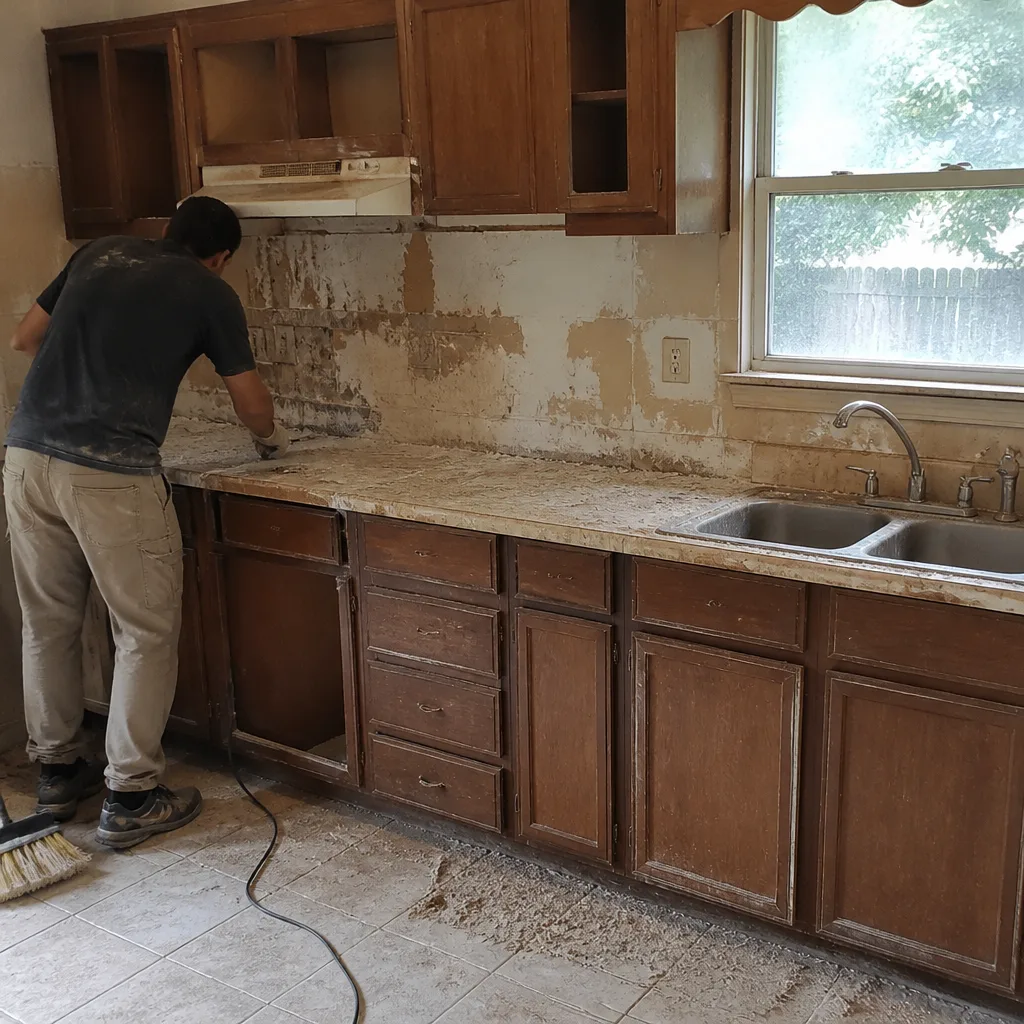 Before
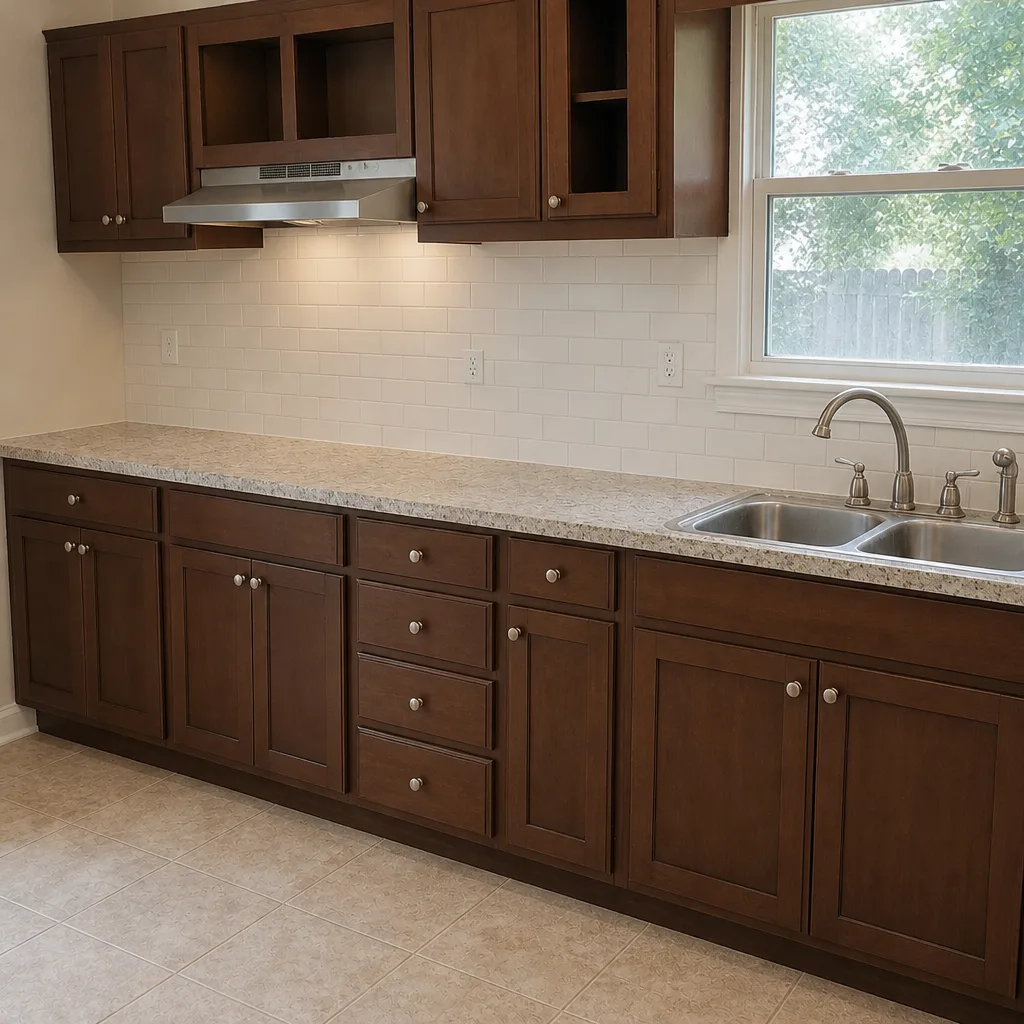 After
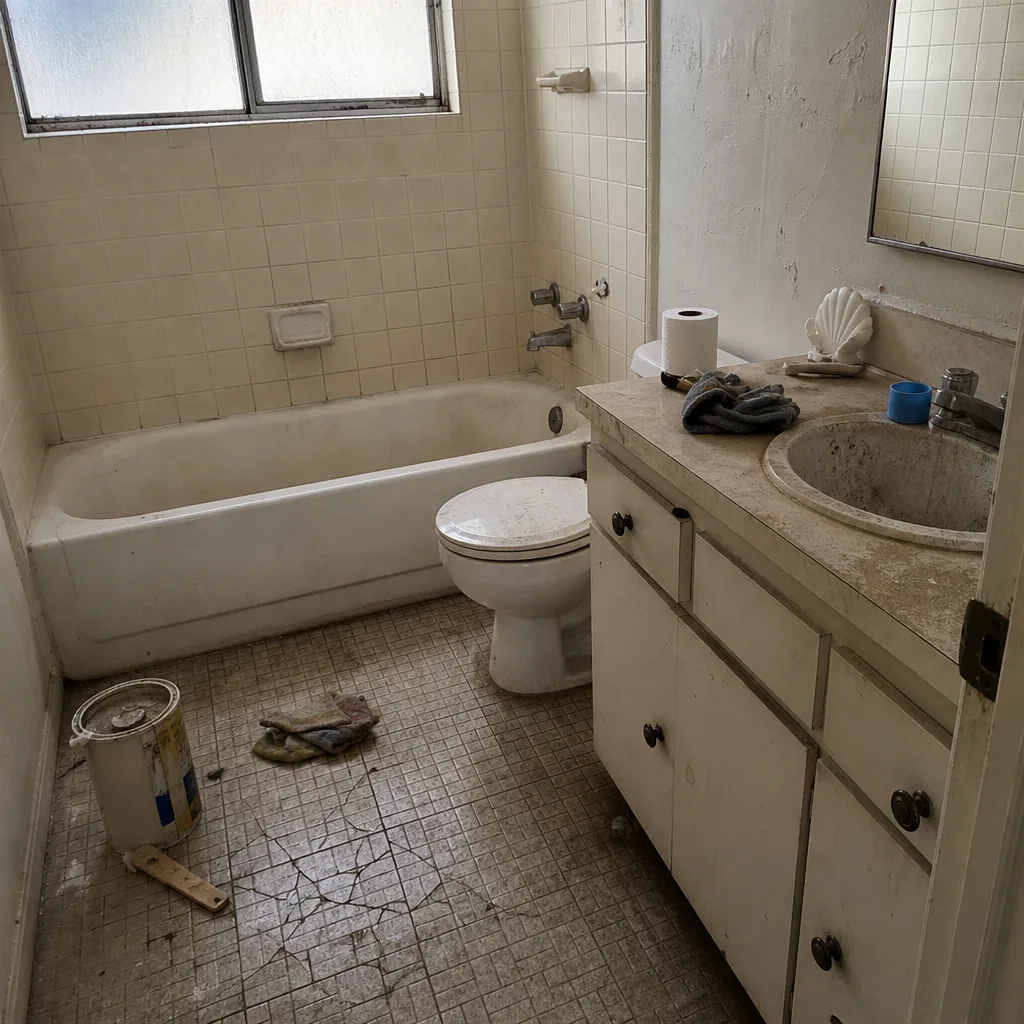 Before
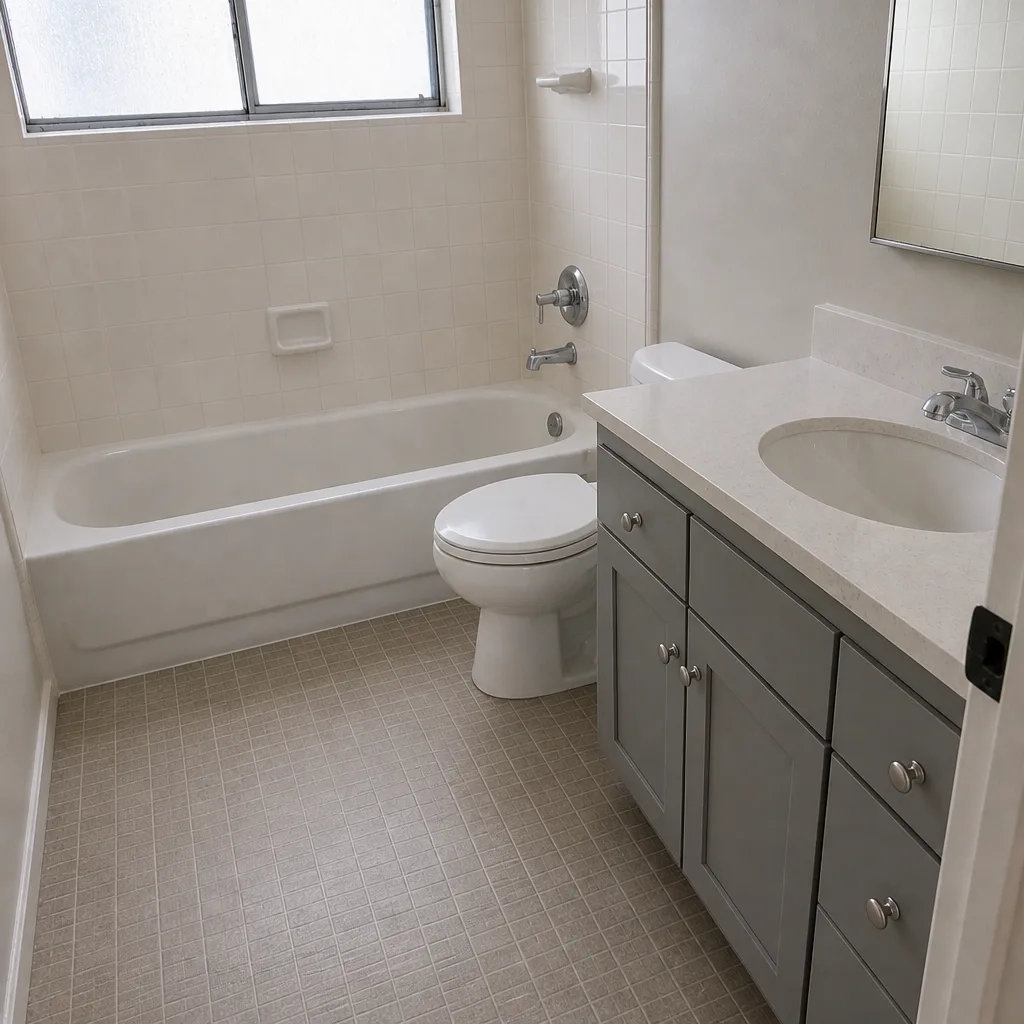 After
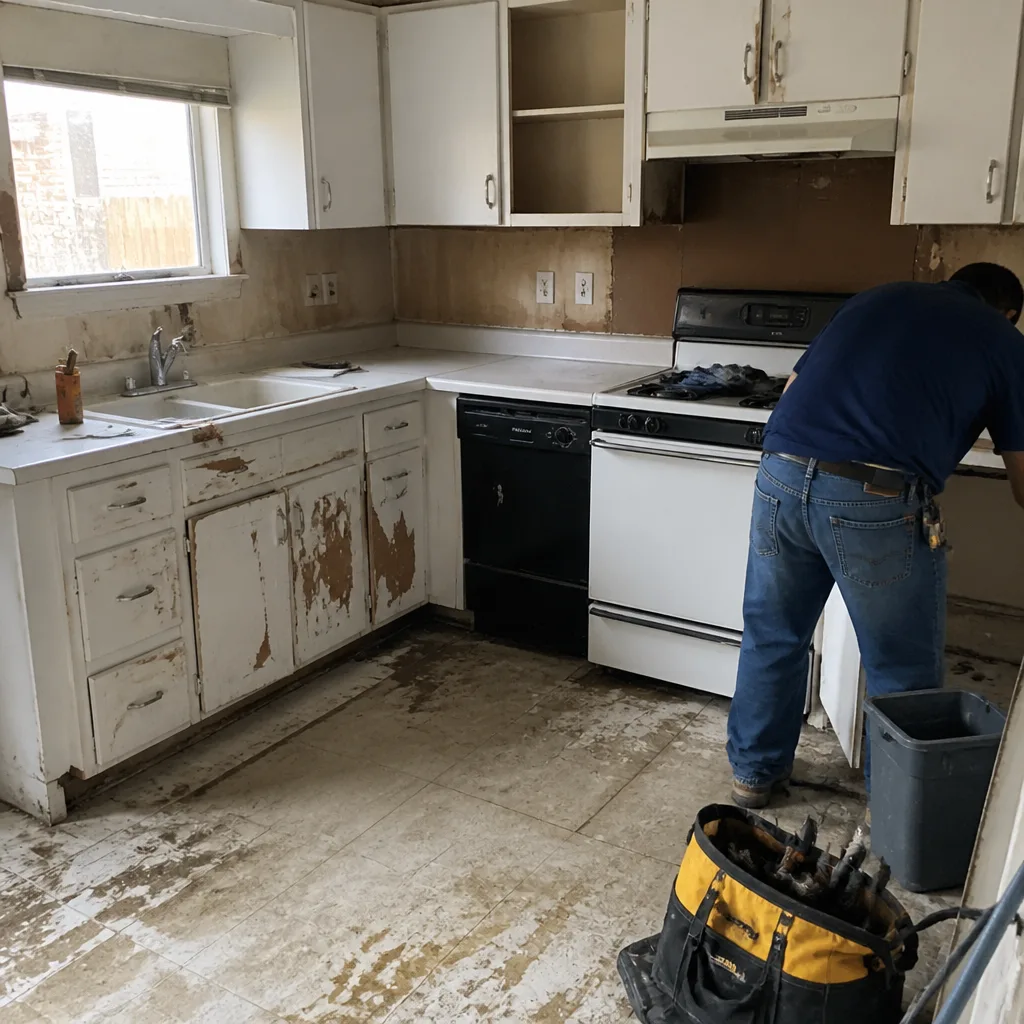 Before
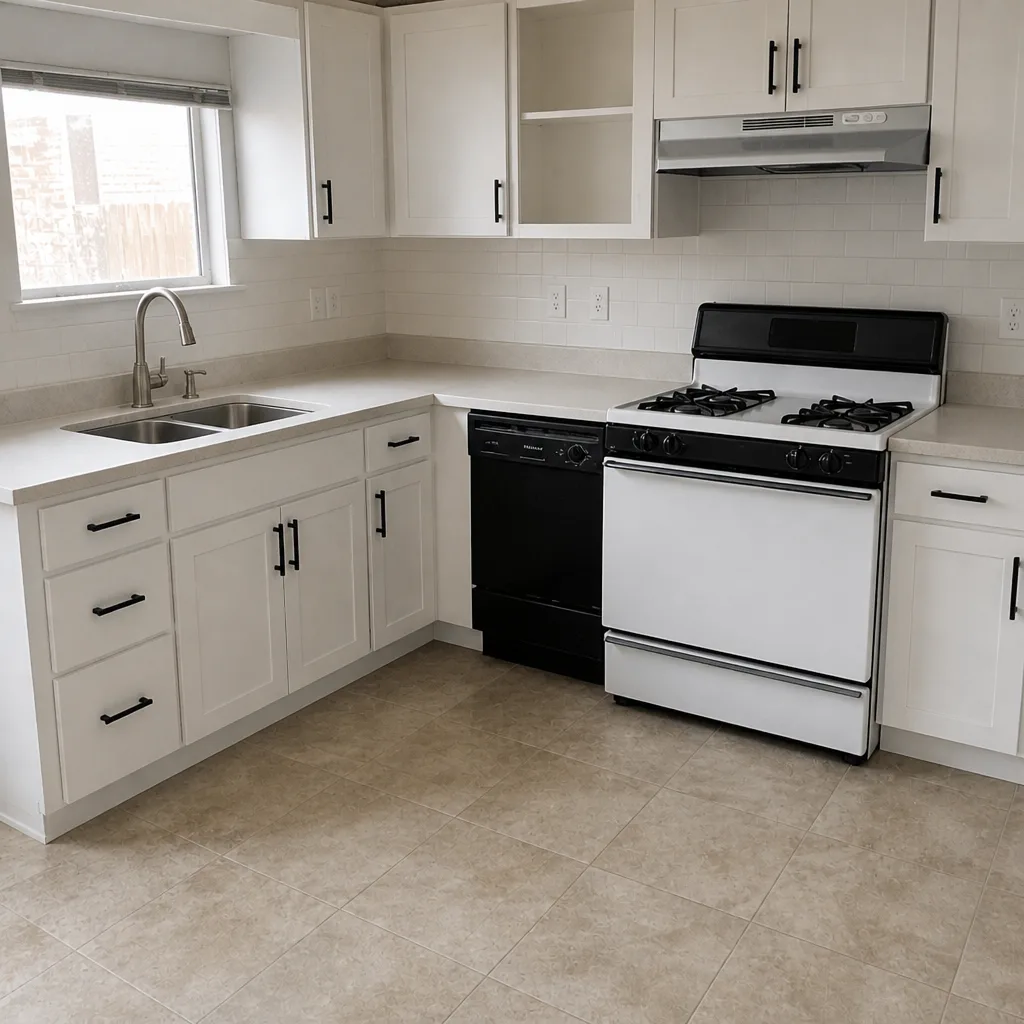 After
When to Call a Professional
Some of this you handle yourself: shutoff, tarp, dry, document. But some of it should not wait for a weekend. Call a licensed professional immediately when you have active water intrusion, a pipe you can’t reach or shut off, a gas smell (call the gas utility from outside), a sparking panel, a foundation crack that’s widening by the day, or a roof hole open to the sky. Don’t try to diagnose or DIY high-voltages, gas lines, or a roof you can’t safely stand on – the wrong move can be permanently dangerous, and that’s before you’ve talked to an insurer. For anything driven below the surface, the diagnosis belongs to an engineer, a licensed plumber, or a licensed electrician. For the rebuild itself, get a written scope and a fixed price before anyone touches a nail. Barrett & Sons Construction Plano offers free estimates in Plano – call (877) 382-4108 to schedule yours.
Frequently Asked Questions
Walk the exterior and interior on a sunny day and shoot slow, narrated video: roof, attic sheathing, plumbing fixtures, shutoffs, and cabinet interiors. Save every receipt for recent repairs to two places (cloud and physical drive), and repeat the walk twice a year. The record anchors your claim if a hailstorm or freeze hits, and adjusters resolve documented claims faster.
Shut off the main water supply at the street, then cut power to any wet room at the panel – never step into standing water near an outlet. Mop up, set fans running, and call a licensed plumber and your insurer the same day. Keep the failed pipe or joint and photograph it where it was. If your water damage is going to need repair work, call (877) 382-4108 for a free estimate on the restoration.
Not the same night, and not without a fixed written price. Storm chasers often quote “cost plus” or “we’ll work it out with your insurer,” which means the price is open-ended and every dollar your insurer doesn’t pay becomes yours. Ask who pulls the permit, where the license and address are, and what the written guarantee says. Look up the license number before you sign.
Most hail-damaged asphalt roofs in Plano land in the low-to-mid five figures depending on size, pitch, and material, with upgrades to class-4 impact-rated shingles adding a premium. The right number is whatever your written fixed-price contract says, not a phone estimate. Call (877) 382-4108 for a free written estimate and a second opinion on any other written bid you’ve got.
Tarping a small roof hole from the ground, mopping up water, and moving furniture out of the way are safe to do yourself. Anything involving a roof you can’t safely stand on, a gas line, an electrical panel, or a foundation crack belongs to a professional. The wrong DIY move on those four can be permanently dangerous.
Texas policies generally require prompt notice – most insurers want a claim filed within a reasonable time, often stated on the policy itself. Don’t wait for the contractor to tell you. Photograph, file, and then bring contractors into the conversation. And if a contractor tells you permits are optional on the repair, that’s your signal to find a different contractor. Call (877) 382-4108 with questions – estimates in Plano are free.
The Bottom Line

Plano’s construction emergencies aren’t random. They come from hard freezes, spring hail, and foundation movement after drought, and the homeowners who prepared specifically for those three events recover faster, spend less, and deal with less insurance friction than everyone else. The preparation itself is simple: a documented photo and video record, a list of your shutoffs and access points, a triage plan for the first 24 to 48 hours, and a contractor you can look up before you need one. When a rebuild is on the table, get a written scope, a fixed price, and a permit pulled. Every time. That’s the whole plan, and it costs one Saturday a season to keep current.
Call (877) 382-4108 to schedule your free estimate. We publish our name, address, and license number so you can look any of it up before you sign. Every job gets permits pulled and inspections signed where they’re required, every scope and allowance is in writing, every price change arrives as a written change order before the work moves, and every completed job is backed by the 90-Day Done Right Promise: if it’s not done right, one call brings us back to make it right. Ask about our $40 Off Any Repair Over $200, our Free Second Opinion on Any Written Estimate, No Trip Charge Inside the County, and the permanent 10% Senior & Veteran discount. Whether the next storm is a freeze, a hailstorm, or a cracked slab, having a licensed contractor who answers his own phone on your side is the real preparation. Learn more about Barrett & Sons Construction Plano home services, our Driveway & Pavers in Plano work, Fence Installation in Plano, and Home Additions & ADU in Plano.
Written by the team at Barrett & Sons Construction Plano.