Last updated November 18, 2026







Free written scope consultation - allowances, timeline, and change-order rules on paper before a single trade is scheduled
How to Hire a Construction Contractor in Plano: A Step-by-Step Guide
The Texas Attorney General’s office consistently lists home improvement contractors among the top sources of consumer complaints in the state, and most of those complaints come from homeowners who did get multiple bids. That’s the part nobody tells you. Collecting three prices doesn’t protect you if all three quotes are vague, all three contractors are uninsured, and all three contracts leave the door open for a surprise invoice. What actually protects a Plano homeowner is knowing the five questions that separate a contractor who finishes the job from one who disappears after the deposit. This guide walks you through verification, contract language, payment structure, and the interview answers that tell you everything before you sign.
Quick Answer
To hire a construction contractor in Plano, verify three things before you discuss price: the contractor’s state license and insurance certificate, their Plano city registration, and a written scope of work with a draw schedule tied to completed milestones. Then ask five specific questions about change orders, lien waivers, permit responsibility, allowance limits, and who actually shows up on site. A contractor who answers all five in writing is worth a higher bid than one who dodges any of them.
Styles & brands we work with
- Kitchen remodeling
- Bathroom remodeling
- Home additions & ADU
- Roofing
- Windows & doors
- Driveway & pavers
- Fence
Table of Contents
- How Do You Verify a Contractor in Plano, Texas?
- Plano City Registration and Permits: What Homeowners Should Check
- The Five Questions That Separate a Finisher From a Disappearing Act
- The Contract Clauses That Are Non-Negotiable in Texas
- Why the Lowest Bid in Plano Is Usually the Highest-Risk Bid
- Red-Flag Interview Answers Good Contractors Never Give
- How to Structure a Payment Schedule That Keeps Leverage on Your Side
- Common Mistakes to Avoid
How Do You Verify a Contractor in Plano, Texas?
Texas does not license general contractors statewide the way it licenses electricians and plumbers, which is exactly why verification takes more than one website. A Plano contractor can be legitimate and still have no single state “GC license” to show you. Your job is to verify the pieces that do exist, then confirm the contractor is registered locally and properly insured.
- Check the specialty licenses. Electrical, plumbing, HVAC, and certain other trades are licensed by the Texas Department of Licensing and Regulation (TDLR). Look up the individual license at the TDLR online license search. If your project involves regulated trades, ask which licensed subcontractor is doing that work and verify them directly.
- Verify the insurance certificate. Ask for a certificate of insurance naming general liability coverage and, if crew members are on your property, workers’ compensation. Call the insurance agent listed on the certificate – don’t just look at the PDF. A real certificate has a phone number the agent answers.
- Confirm Plano registration. The City of Plano requires contractors pulling permits to be registered with the city. Call Plano’s building inspections office or check the city’s online permit portal to confirm your contractor is registered before work starts.
- Look up the name and address. A contractor with a published business address you can drive past is a contractor you can find again. Ask for the license or registration number in writing and look it up yourself.
In our experience across Plano, the contractors who volunteer this paperwork before you ask are the ones who pull permits and pass inspections without drama. The ones who get defensive about it usually have a reason. You can verify our own name, address, and license number – look it up before you sign anything.
Plano City Registration and Permits: What Homeowners Should Check
Plano follows the 2021 International Residential Code with local amendments, and the city’s building inspections department is specific about what requires a permit. Roofing, structural changes, additions, electrical, plumbing, and mechanical work all require permits in Plano. Fence installation, driveway replacement, and paver work may require permits depending on height, setback, and whether the work touches a right-of-way. Ask your contractor which permits your specific job needs and get the answer in writing.
Here’s the part homeowners miss: the permit inspector works for you, not for the contractor. Every inspection is a free third-party check on the work. When a contractor tells you permits are optional, they’re telling you they don’t want a second set of eyes on their work. That’s the last contractor most customers used, and it’s the reason they’re calling someone new.
For projects like a home addition or ADU in Plano, the permit process is more involved – zoning review, setback checks, and multiple inspections through the build. A contractor who knows the Plano permit office and builds inspections into the schedule is a contractor who has done this before. Ask how many Plano permits they’ve pulled in the last year. The answer tells you whether they know the local process or are learning it on your dime.
The Five Questions That Separate a Finisher From a Disappearing Act
The “get three bids” advice assumes all bids are comparable. They aren’t. What actually protects you is asking every contractor the same five questions and comparing the answers, not the prices. In our experience, a contractor who will finish the job answers all five without hesitation. A contractor who won’t finish gives you a tell on at least one.
- “How do you handle changes to the scope?” The right answer: every scope change, every allowance overage, every price change arrives as a written change order before work happens. The wrong answer: “We’ll work it out.” An allowance that isn’t on paper is a surprise waiting for a date.
- “Will you provide lien waivers from your subs and suppliers?” In Texas, unpaid subcontractors and material suppliers can file a mechanic’s lien against your property even after you’ve paid the general contractor in full. Conditional lien waivers at each draw and a final unconditional waiver at close protect you. A contractor who doesn’t know what a lien waiver is, or won’t provide one, is a risk to your title.
- “Who pulls the permits, and who pays for reinspection if something fails?” The contractor pulls the permits, and the contractor eats the cost of a failed inspection and the reinspection. If that answer isn’t in the contract, you’re the one paying.
- “What are the allowance amounts, and what happens if I go over?” Allowances for tile, fixtures, countertops, and flooring are where surprise invoices are born. Every allowance should be a specific dollar figure in the contract, with a written change order required before any overage.
- “Who is actually on my property, and are they background-checked?” You want names or at least a clear answer about who runs the crew and whether crew members are vetted. “A crew will show up” is not an answer.
Write the answers down. Compare them side by side. The contractor who gives you specific, in-writing answers to all five is worth a higher bid than the one who waves the questions away.
The Contract Clauses That Are Non-Negotiable in Texas
A Texas construction contract is a legal document, and the clauses that protect you are not the ones most homeowners read first. Price gets all the attention. These clauses actually decide whether you have recourse when something goes wrong.
- Written change orders. Every scope change, allowance adjustment, or added cost must arrive as a signed written change order before the work happens. No verbal “we’ll add it to the final bill.” No surprise invoices. If the contract doesn’t say this, write it in.
- Lien waivers. Require a conditional waiver from the general contractor and every subcontractor and supplier at each draw, and a final unconditional waiver at project close. This is your protection against a mechanic’s lien from an unpaid sub.
- Draw schedule tied to milestones. Payments should follow completed, inspectable work – not calendar dates and not the contractor’s cash flow needs. A draw schedule that pays the bulk of the money before the bulk of the work is done removes your leverage.
- Permit and inspection responsibility. The contract should name who pulls permits, who schedules inspections, and who pays for reinspection if work fails.
- Written workmanship warranty. Get the warranty in writing with its length and what it covers. Our own 90-Day Done Right Promise is written on every contract, not buried in fine print – if it’s not done right, we come back and make it right. Whatever warranty your contractor offers, get it in the contract.
- Start and completion dates. Specific dates, not “approximately.” Weather delays happen in North Texas, but the contract should still define the schedule and how delays get documented.
If a contractor pushes back on any of these clauses, that pushback is your answer. The contract protects both sides. A contractor who won’t put it in writing is telling you something.
Why the Lowest Bid in Plano Is Usually the Highest-Risk Bid
The lowest bid in Plano isn’t usually cheaper. It’s usually incomplete. When you compare three bids, the low one almost always has line items missing – permits, debris removal, finish work, materials upgrades, or labor for the parts of the job nobody wants to do. The gap closes fast once those items get added back.
Reading a scope of work for missing line items is the single most useful skill in this process. Compare every bid against the same checklist:
- Permits and inspection fees – listed as a separate line, or buried in “miscellaneous”?
- Debris removal and dumpster – who pays, and is it a line item?
- Material brands and grades – named (CertainTeed, Owens Corning, IKO, Atlas on a roof, for example), or “architectural shingle” with no brand?
- Allowances – a specific dollar figure per item, or a vague “allowance included”?
- Finish work – painting, trim, caulking, final cleanup. Often the first thing cut from a low bid.
- Protection and prep – floor protection, dust barriers, landscaping protection. Missing from cheap bids, and it costs you later.
A bid that comes in 30% below the others isn’t a bargain. It’s a bid missing 30% of the work. When the missing pieces get added back through change orders, you pay more than the middle bid would have cost – and you pay it after the deposit is gone and the contractor has all the leverage. For a specific example, our page on driveway and pavers in Plano walks through what a complete scope looks like on a hardscape job.
Red-Flag Interview Answers Good Contractors Never Give
You learn more in a fifteen-minute conversation than in a stack of paperwork, if you know what to listen for. These are the answers that tell you to walk away. Every one of them is something an experienced contractor never says.
- “You don’t need a permit for this.” In Plano, most structural, electrical, plumbing, and mechanical work requires a permit. A contractor who says otherwise is either unfamiliar with Plano code or avoiding an inspection. Both are bad.
- “We can start tomorrow if you pay the deposit today.” Real contractors have schedules. A contractor who can start immediately is either slow or planning to take your deposit and figure out the labor later.
- “The price is the price, no need for a written contract on a job this small.” Small jobs still need written scope, written price, and a signed agreement. A handshake isn’t a contract in Texas.
- “We handle all the insurance stuff internally.” There’s no such thing. Ask for the certificate. Call the agent. If they won’t give you the certificate, there isn’t one.
- “We don’t do change orders, we just adjust the final bill.” This is how surprise invoices happen. Every price change should arrive in writing before work happens.
- “Our crew will be there, don’t worry about it.” You want to know who runs the job and whether crew members are vetted. “Don’t worry about it” is not a background check.
- “We’ve been doing this for 20 years” – with no address, no license number, and no name you can look up. Ask for the published address and registration number.
The common thread: a good contractor answers with specifics and welcomes the scrutiny. A bad one gives you a story and a reason to hurry.
How to Structure a Payment Schedule That Keeps Leverage on Your Side
Your payment schedule is your single biggest piece of leverage. Once you’ve paid the contractor more than the value of the completed work, you’ve lost the ability to enforce anything. The goal is simple: never be more than one draw ahead of completed, inspectable work.
A typical structure that protects the homeowner looks like this:
- Deposit: 10% to 20%. Enough for materials and scheduling, not enough to fund the whole job. Be cautious of anyone demanding 50% upfront.
- Draw 2 at rough-in or framing: 20% to 30%. Released after the milestone is complete and, where applicable, inspected.
- Draw 3 at substantial completion: 20% to 30%. Released after the major work is done and you’ve walked the job.
- Final payment: 10% to 15%, held until punch list and final inspection. The punch list – the small items still unfinished – is where leverage matters most. Hold the final payment until the punch list is done and the final inspection is signed.
- Never pay in cash without a written receipt, and never pay for materials that haven’t been delivered. Payments tied to delivered materials and completed work keep you protected.
Get the draw schedule in the contract with specific milestone descriptions. And don’t let a contractor tell you the schedule is their standard process. The payment schedule is negotiable. The milestone definitions are not – they need to be specific enough that you can verify them.
For bigger projects like a kitchen, addition, or fence installation in Plano, the draw schedule should match the milestone complexity. A fence goes in fast, so it might be a two-payment job. A kitchen with cabinets, countertops, and fixtures might have four or five draws. The number of draws matters less than whether each one is tied to inspectable work.
What a Name You Can Verify Actually Means

The whole point of this guide is that the standard advice doesn’t protect you, and the reason is trust. You can’t verify a story. You can verify a name, an address, a license number, and a reputation on your own street.
A contractor who publishes their name, address, and license number is a contractor who intends to be around when the punch list comes due. A contractor who has been in Plano for years and whose neighbor will vouch for them is a contractor who will show up at the hardware store on Saturday and shake your hand. That’s the standard. A Barrett & Sons Construction Plano home project carries a written 90-Day Done Right Promise on every contract – if it’s not done right, we come back and make it right. That’s not a marketing line. It’s a written commitment that arrives with the contract.
When you’re comparing contractors in Plano, ask about the last job they did in your neighborhood. Ask a neighbor. Ask the permit office. The answers are out there. You just have to look.
Common Mistakes to Avoid
- Comparing price instead of scope. Two bids are only comparable if they cover the same line items. Build a checklist and compare every bid against it – the low bid usually wins only because it’s missing work.
- Paying a large deposit before work begins. A 50% deposit hands the contractor all your leverage before the first nail goes in. Keep the deposit at 10% to 20% and tie every subsequent draw to completed work.
- Accepting verbal change orders. “We’ll add it to the final bill” is how surprise invoices happen. Every change should be a signed written change order before work proceeds.
- Skipping the lien waiver conversation. In Texas, an unpaid subcontractor can file a lien against your property even after you’ve paid the general contractor. Require conditional lien waivers at each draw.
- Not confirming Plano permit requirements. Plano requires permits for most structural and systems work. A contractor who says permits are optional is telling you they don’t want an inspector looking at their work.
- Choosing a contractor who won’t give you an insurance certificate. If the certificate doesn’t come with a phone number for the agent, call the agent listed and verify. A real policy has a real agent who answers.
- Holding the final payment hostage to nothing, or releasing it early. The final 10% to 15% is your punch-list leverage. Hold it until the punch list is done and the final inspection is signed. Then pay it.
See the difference
 Before
 After
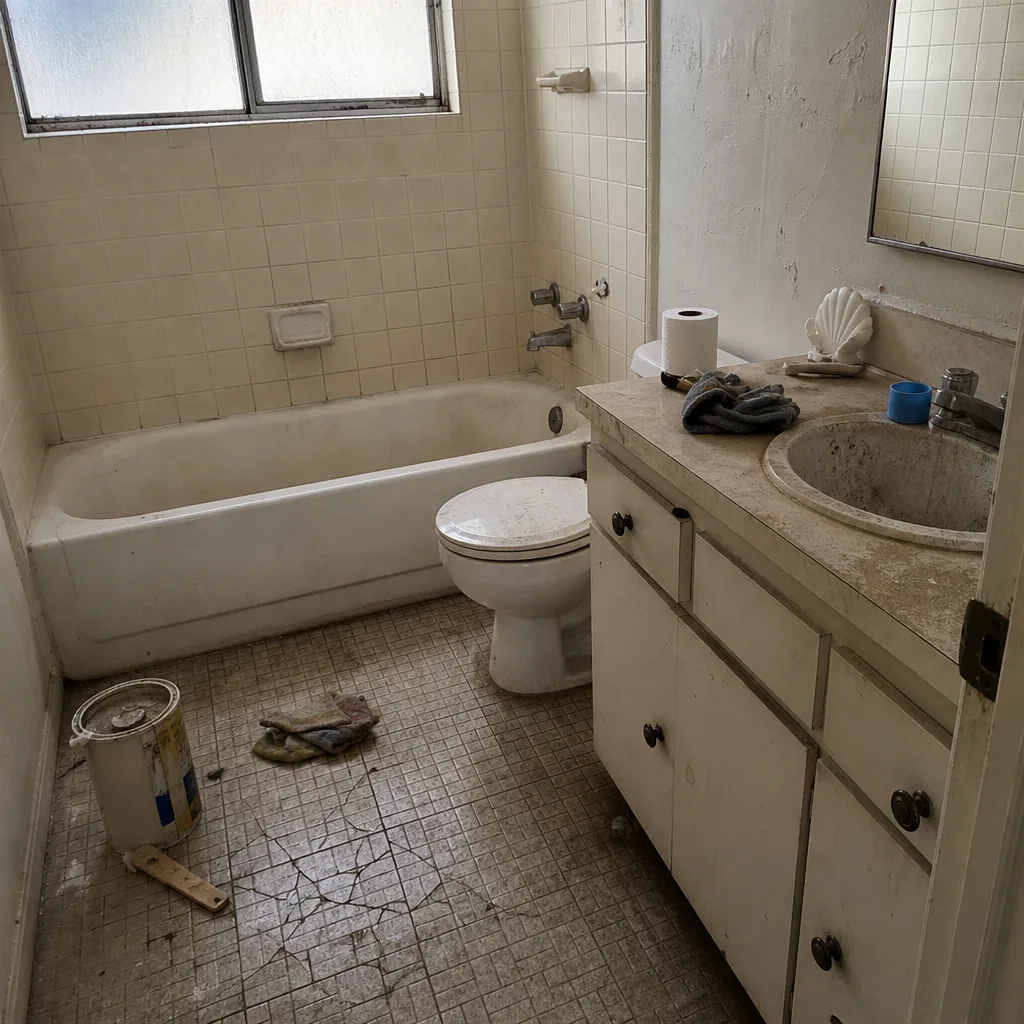 Before
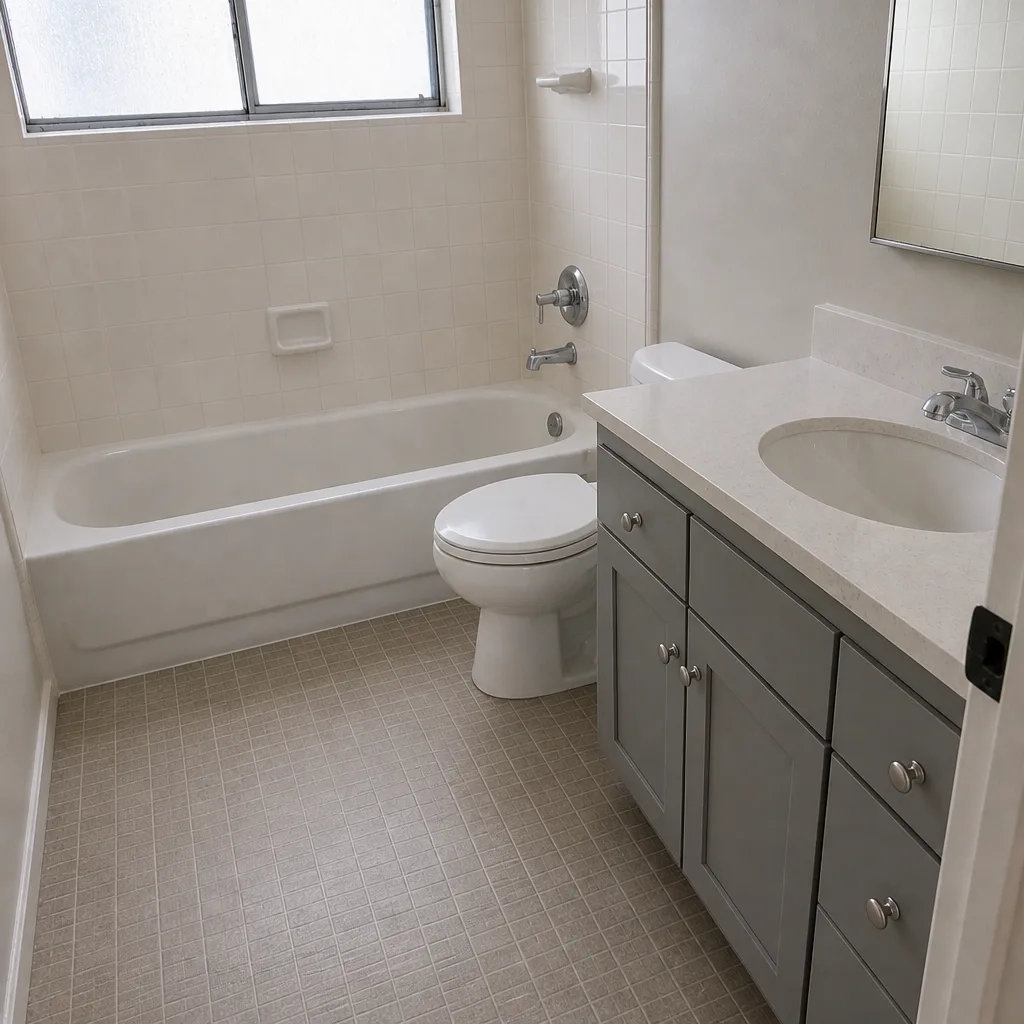 After
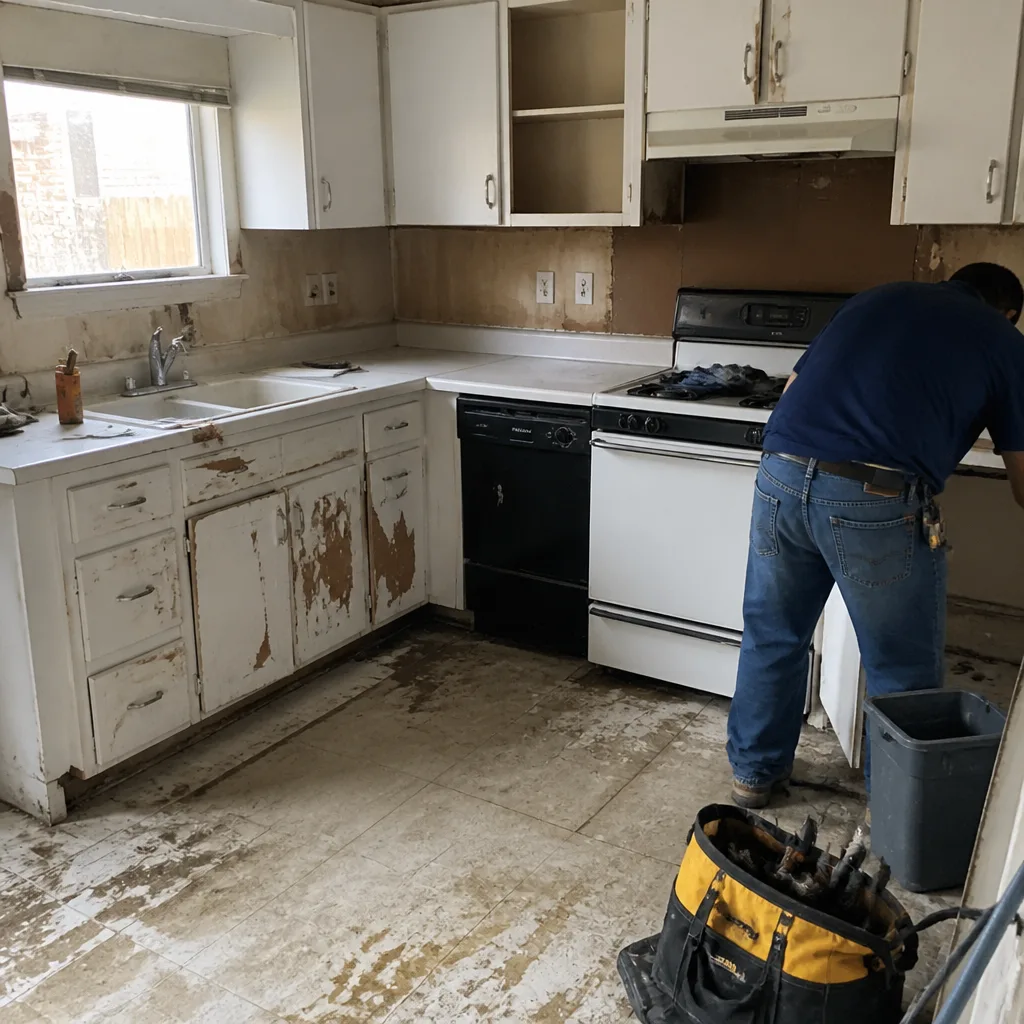 Before
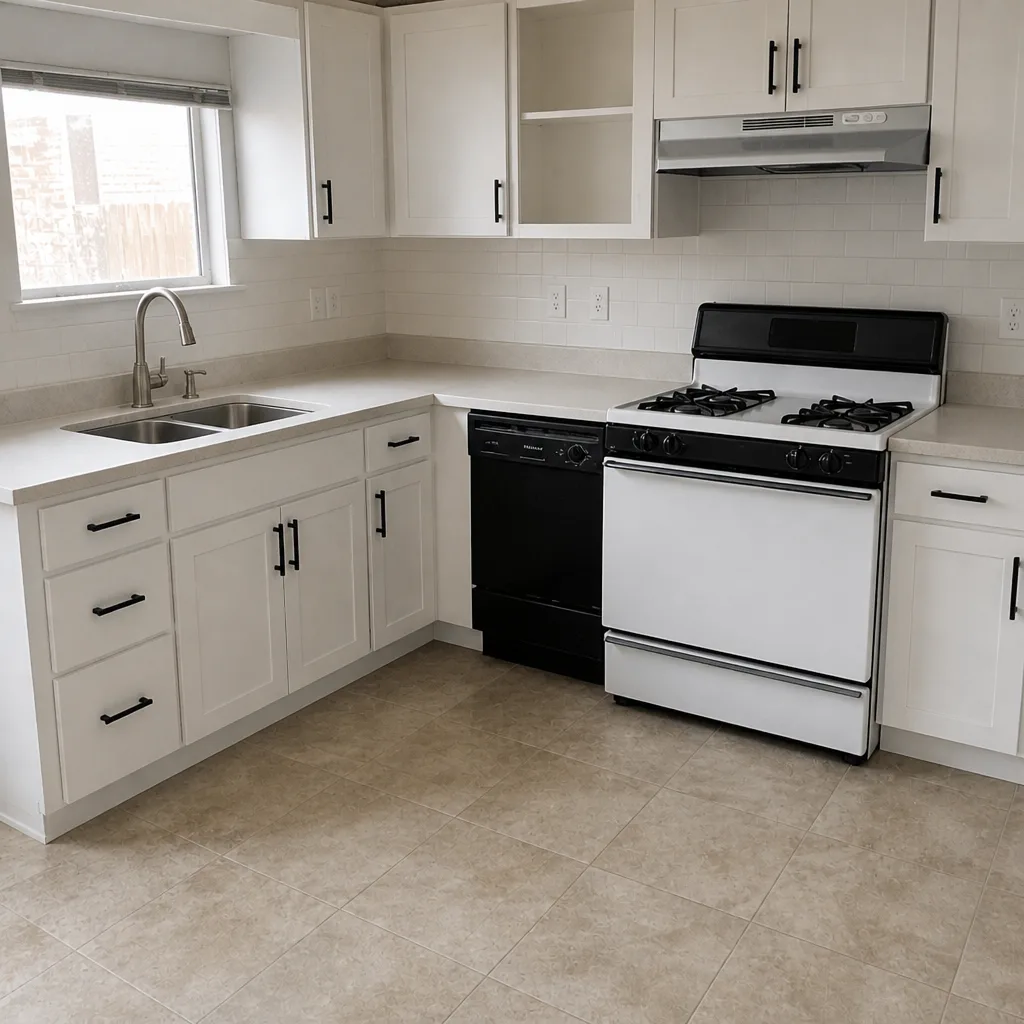 After
When to Call a Professional
Some jobs are genuinely homeowner-doable, and some aren’t. Call a licensed professional for anything that touches structural framing, electrical panels or wiring, gas lines, roofing at height, or plumbing that moves beyond a fixture swap. Those jobs carry real safety risk, and Texas licensing and inspection requirements are there for a reason. Call a professional for anything requiring a Plano permit, for projects on a timeline (a kitchen or bath before a holiday, an addition on a schedule), and for anything where a failed inspection would cost you more in time and money than the contractor’s fee. Barrett & Sons Construction Plano offers free estimates in Plano – call (877) 382-4108 to schedule yours.
If you’re planning a larger project, our guides on home additions and ADUs in Plano and driveway and paver work walk through the permit and scope questions specific to those jobs.
Frequently Asked Questions

There’s no single price, because it depends entirely on scope. What you can count on is that the contract should state a fixed, line-item price with allowances as specific dollar figures and a written change order required for any overage. A complete bid covers permits, debris removal, materials by brand, and finish work. If a Plano contractor won’t put those items in writing, you’re comparing an incomplete bid to a complete one. Call (877) 382-4108 for a free second opinion on any written estimate.
In most cases, yes. Plano requires permits for structural changes, electrical, plumbing, mechanical work, additions, and roofing. Fence and driveway work may require permits depending on height, setback, and right-of-way. The contractor should pull the permits, schedule inspections, and eat the cost of reinspection if work fails. If a contractor tells you permits are optional, walk away – the inspector is a free third-party check on the work, and a contractor avoiding inspection is telling you something.
Ask for a certificate of insurance, then call the insurance agent listed on the certificate to confirm the policy is active. Don’t just look at the PDF – anyone can mock one up. For Plano jobs, also confirm the contractor is registered with the City of Plano and, for regulated trades like electrical and plumbing, verify individual licenses through the Texas Department of Licensing and Regulation. If the contractor won’t hand over the certificate, there isn’t one.
A contractor who pushes back on written change orders or tries to skip permits. In our experience, those two pushbacks cover most of the ways projects go wrong. A close third is a contractor who won’t give you an insurance certificate or a published address you can look up. A legitimate contractor welcomes the scrutiny – the ones who don’t are telling you what the project will look like.
Timeline depends on scope, but the contract should include a specific start date and completion date, not “approximately.” Plano projects can hit weather delays, especially on roofing and exterior work in spring, so the contract should also define how delays get documented and communicated. A fence goes in faster than a kitchen or an addition. Whatever the job, get the schedule in writing and get the change order in writing if it moves.
It shouldn’t without a written change order you sign before the work happens. A fixed-price contract with specific allowances and a written change order requirement is what protects you from surprise invoices. If material costs change, or you decide to upgrade a fixture, that arrives as a change order with a price attached – not a surprise line on the final bill. Our 90-Day Done Right Promise is written on every contract, and every price change is in writing before work proceeds. Call (877) 382-4108 with questions about a current quote.
The Bottom Line
Getting three bids feels like due diligence. It isn’t, unless those bids cover the same work and you’ve verified the contractor behind each one. The five questions – written change orders, lien waivers, permit responsibility, allowance limits, and who’s on site – do more to protect a Plano homeowner than any price comparison. Combine them with a payment schedule that never gets ahead of completed, inspectable work, and you’ve built real protection into the project. A name you can verify, an address you can look up, and a warranty in writing beat a friendly phone call every time. Call (877) 382-4108 for a free estimate and a contractor who answers the phone.
Written by the team at Barrett & Sons Construction Plano.