Last updated November 18, 2026





Free written scope consultation - allowances, timeline, and change-order rules on paper before a single trade is scheduled
Home Additions & ADU Warning Signs Every Homeowner Should Know
An unpermitted addition doesn’t just risk a stop-work order. It shows up on a resale inspection as a material defect that buyers can walk away from, and your homeowner’s insurance will deny a claim on a loss that traces back to unpermitted work. In Plano, where the city inspects additions closely and resale buyers hire their own inspectors, that shortcut becomes your problem the moment you list the house. This guide names the contractors most likely to hand you that risk: the ones who treat permit pulling as optional and structural engineering as an upsell. We’ll walk through the exact warning signs, contract red flags, and verification steps to take before you sign anything on an addition or ADU in Plano.
Quick Answer
The biggest warning signs on a home addition or ADU project are a contractor who calls permits optional, a lump-sum bid with no allowance line items, and a GC who won’t name their subcontractors or provide a stamped engineer’s plan where Plano requires one. Any of those three means the legal and financial risk of the build is quietly shifting onto you. Verify the contractor’s license, insurance, and bonding through the Texas Department of Licensing and Regulation before you sign, and get every scope detail and price change in writing.
Styles & brands we work with
- Kitchen remodeling
- Bathroom remodeling
- Home additions & ADU
- Roofing
- Windows & doors
- Driveway & pavers
- Fence
Table of Contents
- “We Do Additions Without Permits All the Time Around Here”
- The Structural Engineering Question
- Contract Red Flags Specific to Additions and ADUs
- How to Verify a Contractor Before You Sign
- What a Legitimate Subcontractor Disclosure Looks Like
- What an Unpermitted Addition Costs You at Resale
- Plano Code and Inspection Realities
“We Do Additions Without Permits All the Time Around Here”
That sentence should end the conversation. A contractor who says it is telling you, plainly, that they plan to transfer the legal and financial risk of the build onto you. Permits exist because the city wants a second set of eyes on structural work, egress, electrical, and fire separation. When a contractor skips them, nobody checks. If something fails later, you own it.
The permit inspector works for you, not for the contractor. That’s the part most homeowners get backwards. An inspector signing off on framing or foundation is a free verification that the work meets code, paid for by your permit fee. Skipping that step to save a few hundred dollars and a couple of weeks is a bad trade on a project that costs tens of thousands.
Here’s how the risk actually transfers:
- Stop-work orders. Plano code enforcement can halt the job the moment a neighbor or inspector notices unpermitted construction. You pay for the shutdown, the rework, and the permits you should have pulled in the first place.
- Insurance denial. If a fire or structural loss traces back to unpermitted work, your homeowner’s policy can deny the claim. That’s not a technicality. It’s in the fine print of nearly every policy.
- Resale defects. Buyers’ inspectors flag unpermitted additions routinely, and lenders can refuse to finance a home with non-permitted square footage. The addition you paid for stops counting as livable square footage.
- Retroactive permitting. Getting an unpermitted addition legalized later means opening walls, exposing framing, and paying for inspections on work that’s already closed up. Sometimes the fix is demolition.
If you’re weighing a bigger footprint against a smaller one, the same permit logic applies to every project we touch, from home additions and ADU work in Plano to a simple hardscape. Skipping the paperwork never saves you money. It moves the bill to a later date.
The Structural Engineering Question
Which additions require a stamped engineer’s plan in Plano? Most second-story additions, most additions that alter the load path on an existing foundation, and virtually any ADU built as a detached structure will require engineered drawings or a design professional’s stamp before the city issues a permit. That’s not a Plano quirk. It’s how Texas cities protect themselves and you from a structure that fails an inspection or a storm.
The warning sign is a contractor who treats the engineer as an optional add-on. Ask directly: “Will this project need a stamped plan, and who is providing it?” A straight answer is either “yes, and here’s the engineer we work with and the cost” or “no, and here’s why the scope doesn’t trigger it.” A contractor who waves the question away with “we’ve never needed one” is telling you they either don’t know the code or plan to skip it.
Expect these items to come up in the engineering conversation:
- Foundation and soil. Plano sits on expansive clay soils that swell and shrink with our wet-spring, dry-summer cycle. Additions that add load to existing footings get scrutinized for that reason.
- Load path. A second story or a room bump-out changes how weight travels to the foundation. An engineer stamps the plan that shows how that load is carried.
- Wind and roof connections. North Texas gets hail and high wind. Engineered plans specify the connectors, strapping, and fastening that a code inspector will check.
- Egress and fire separation. ADUs and additions with bedrooms trigger egress window and fire-rated assembly requirements. An engineer or architect draws them; an inspector verifies them.
None of this is a reason to avoid a stamped plan. It’s a reason to insist on one. The cost of an engineer’s stamp on a $100,000 addition is small next to the cost of a failed inspection or a foundation repair later.
Contract Red Flags Specific to Additions and ADUs
A contract for an addition or ADU should read like a set of drawings and a line-item budget in prose. If you can’t tell from the contract what’s included and what isn’t, you don’t have a contract. You have a number and a promise. Here’s what to look for on paper before you sign.
- No allowance line items. An allowance that isn’t on paper is a surprise waiting for a date. Tile, fixtures, windows, and finishes should each have a written allowance with a dollar figure and a stated upgrade path.
- Lump-sum bids with no scope detail. A one-page bid that says “$95,000 for the addition” tells you nothing. You need square footage, framing specs, window brands, roofing material, and finish schedules spelled out.
- No written change order clause. Every price change should arrive as a written change order before work happens. If the contract doesn’t say so, walk. An invoice at the end of a job that shows up charges you never approved is the oldest trick in the trade.
- No named subcontractors. A GC who won’t name their subs is a GC who won’t control their subs. The plumber, electrician, and HVAC contractor should each be listed by company name with their license numbers.
- Deposit larger than the schedule supports. A large upfront draw with no milestone schedule is a red flag. Payments should track completed work, not the contractor’s cash flow needs.
- No warranty in writing. A contractor who won’t put a workmanship warranty in the contract is a contractor who won’t honor one after the check clears.
The cleanest way to protect yourself is to demand a written scope, written allowances, and written change orders before a single nail moves. That’s the difference between a bid and a budget you can hold someone to.
How to Verify a Contractor Before You Sign
Texas doesn’t license general contractors the way it licenses electricians and plumbers, which makes verification more important, not less. Here’s the checklist we’d hand a neighbor.
- Look up the license number. Ask the contractor for their license number, then look it up yourself through the Texas Department of Licensing and Regulation. A contractor who publishes their name, address, and license number is a contractor with nothing to hide.
- Request a certificate of insurance and call the carrier. Ask for a certificate of general liability and workers’ compensation insurance, then call the insurance company directly to confirm the policy is active and covers residential additions.
- Confirm bonding. Ask whether the contractor carries a surety bond. Many small GCs don’t, and that’s a conversation worth having. A bond is your recourse if they walk off the job or fail to complete it.
- Verify the subs the same way. Electricians and plumbers in Texas are licensed. Ask for their license numbers and check them, too.
- Check permits in progress. Ask for the permit number and the city’s inspection status. Plano’s permit portal will tell you whether a job is under permit and whose name is on it.
- Ask for references on additions, not kitchens. A contractor who does great kitchen remodels may never have built an addition. Ask for two references on projects similar in scope to yours, and call them.
- Read the written warranty. Whatever the promise, get it in writing before you sign. A written 90-Day Done Right Promise, for example, is only as good as the contract language that backs it. Ours is printed on every contract, and one call brings the crew back.
What a Legitimate Subcontractor Disclosure Looks Like
A GC who won’t name their subs is a GC who won’t control their subs. On an addition or ADU, the framing, electrical, plumbing, and HVAC work is almost entirely subcontracted, even by the best builders. The GC’s job is to sequence it, inspect it, and stand behind it. You can’t hold a GC to that standard if you don’t know who’s in your house.
A clean disclosure looks like a written list, before the contract is signed, with these details for each sub:
- Company name and contact
- License number (required for electrical, plumbing, and HVAC in Texas)
- Scope of work that sub is responsible for
- Insurance coverage on file
- Whether the sub is a long-term crew or a fill-in
Refusal to provide that list, or a vague answer like “we have a guy,” is your signal. On our additions and ADU builds, the framing crew, the plumber, the electrician, and the roofer are named in the contract with their license numbers attached. You can verify each of them the way you verify us. That’s not a favor. It’s the baseline.
What an Unpermitted Addition Costs You at Resale
The addition you didn’t permit doesn’t just disappear from the record. It shows up in two places: the appraisal and the buyer’s inspection report. Appraisers pull county records and permit history. If your 400-square-foot addition doesn’t appear, it doesn’t count toward your home’s appraised value, and your listing agent has to disclose the discrepancy.
Buyers’ inspectors flag unpermitted work routinely, and the flag becomes a negotiating lever. The buyer asks for a credit, you refuse, the sale falls apart. Or you accept a discount that wipes out whatever you saved by skipping permits in the first place. Lenders can also refuse to finance a home with non-permitted additions, which shrinks your buyer pool.
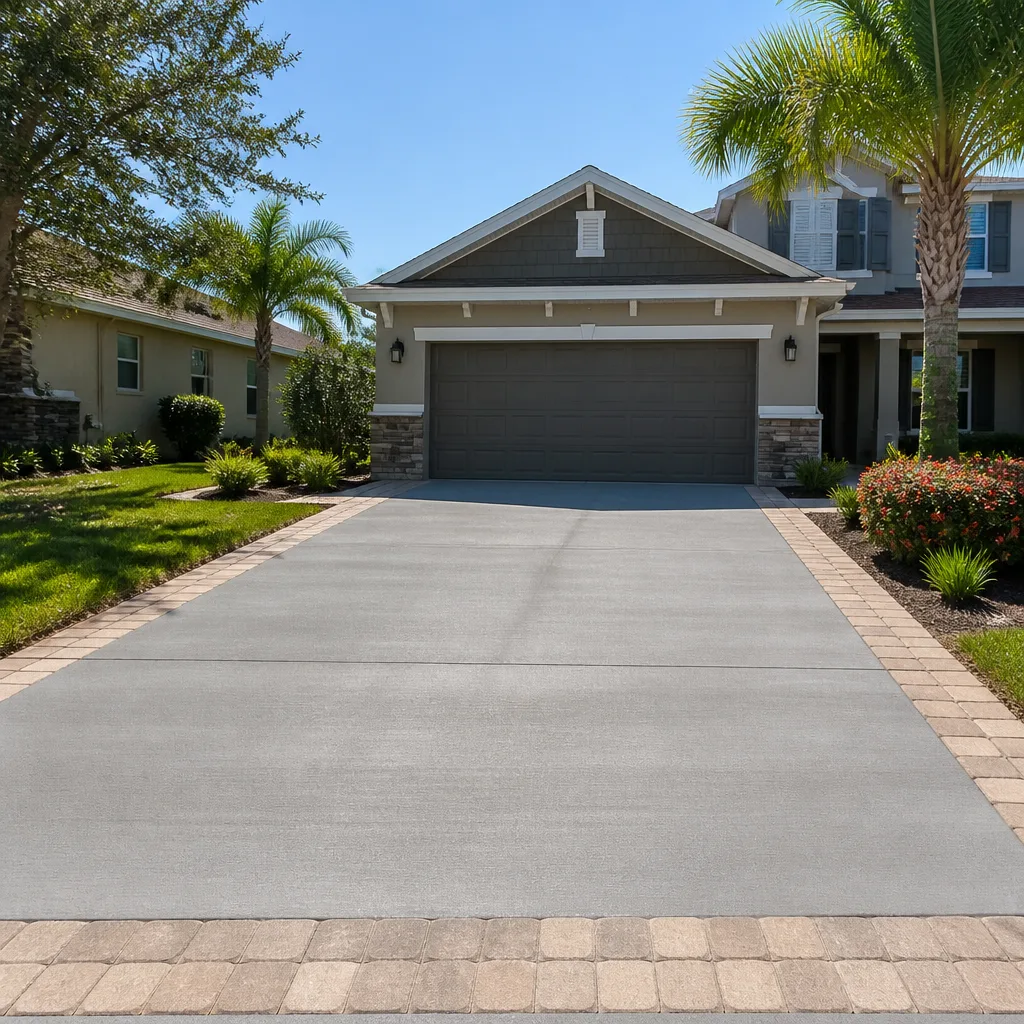
The math is stark. Pulling a permit on a typical Plano addition costs a few thousand dollars. A failed sale, a retroactive permitting job, or a denied insurance claim costs many multiples of that. When you consider the driveway and paver work in Plano that often gets tacked onto an addition project, the permit record also matters for those exterior improvements, since hardscape tied to a permitted structure gets reviewed alongside it.
Plano Code and Inspection Realities
Plano runs a strict inspection sequence on additions. You can expect foundation, framing, rough-in electrical, rough-in plumbing, insulation, and final inspections, in that order, with the project frozen at each stage until an inspector signs off. A contractor who plans to “work around” inspections will get caught. The city also requires a survey or plot plan showing setbacks, impervious cover limits, and easements before issuing an addition permit, and ADUs trigger additional site-plan review.
Here’s what we see on Plano additions that other contractors’ homeowners call us to fix:
- Setback violations. Additions built too close to a side or rear property line get flagged, and the fix is demolition.
- Impervious cover overage. Plano caps how much of a lot can be covered by structures and hardscape. An addition plus a new patio can push past the limit.
- Floodplain and drainage. Some Plano neighborhoods are close to floodplain boundaries or drainage easements, and additions in those areas get extra review.
- Garage conversions. Turning a garage into living space triggers parking, egress, and inspection requirements that most homeowners don’t anticipate.
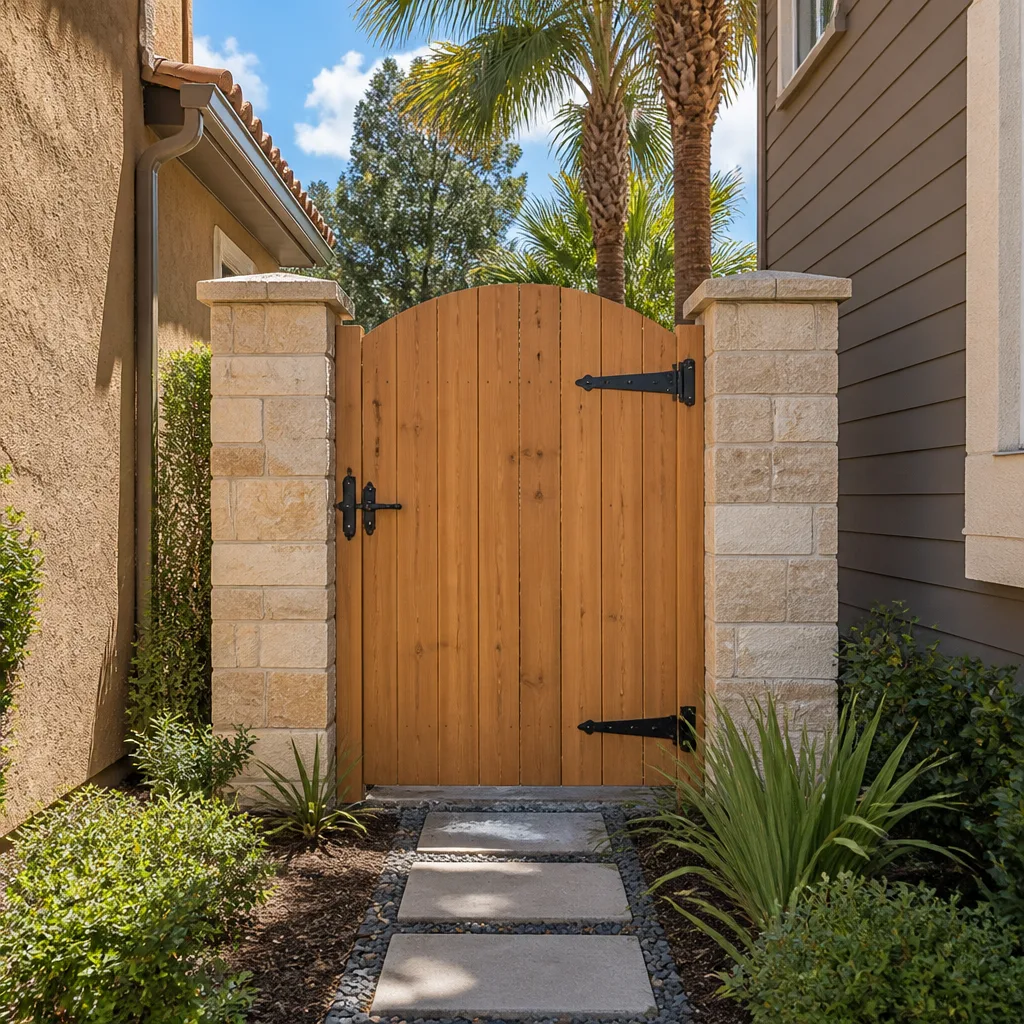
Whether you’re adding a room, building an ADU, or upgrading the exterior with a new fence, the permitting discipline is the same. If you’re comparing bids across Plano, it helps to know what fence installation in Plano permits look like as a benchmark, since the fence permit process is simpler and faster, and the contrast tells you whether a contractor actually knows the local code.
Common Mistakes to Avoid
- Trusting a verbal promise on permits. Get the permit responsibility written into the contract, with the permit number to follow. Plano homeowners who trusted a handshake are the ones calling us for retroactive fixes.
- Accepting a lump-sum bid with no line items. Without a scope breakdown, every finish choice becomes a change order at the end of the job. Demand written allowances for tile, fixtures, windows, and roofing.
- Skipping the engineer to save on drawings. A structural engineer’s stamp on a Plano addition is cheap insurance. Skipping it means the city may reject the permit or an inspector may red-tag framing.
- Not verifying the sub list. A GC who won’t name their subs won’t stand behind their work. Get company names and license numbers before you sign.
- Paying a deposit bigger than the milestone schedule supports. Payments should track completed and inspected work, not the contractor’s cash flow needs.
- Ignoring impervious cover limits. Plano caps lot coverage, and an addition plus new hardscape can push you over. Check before you design, not after.
- Signing without a written change order clause. A contract without one leaves the door open for surprise invoices at the end of the job.
See the difference
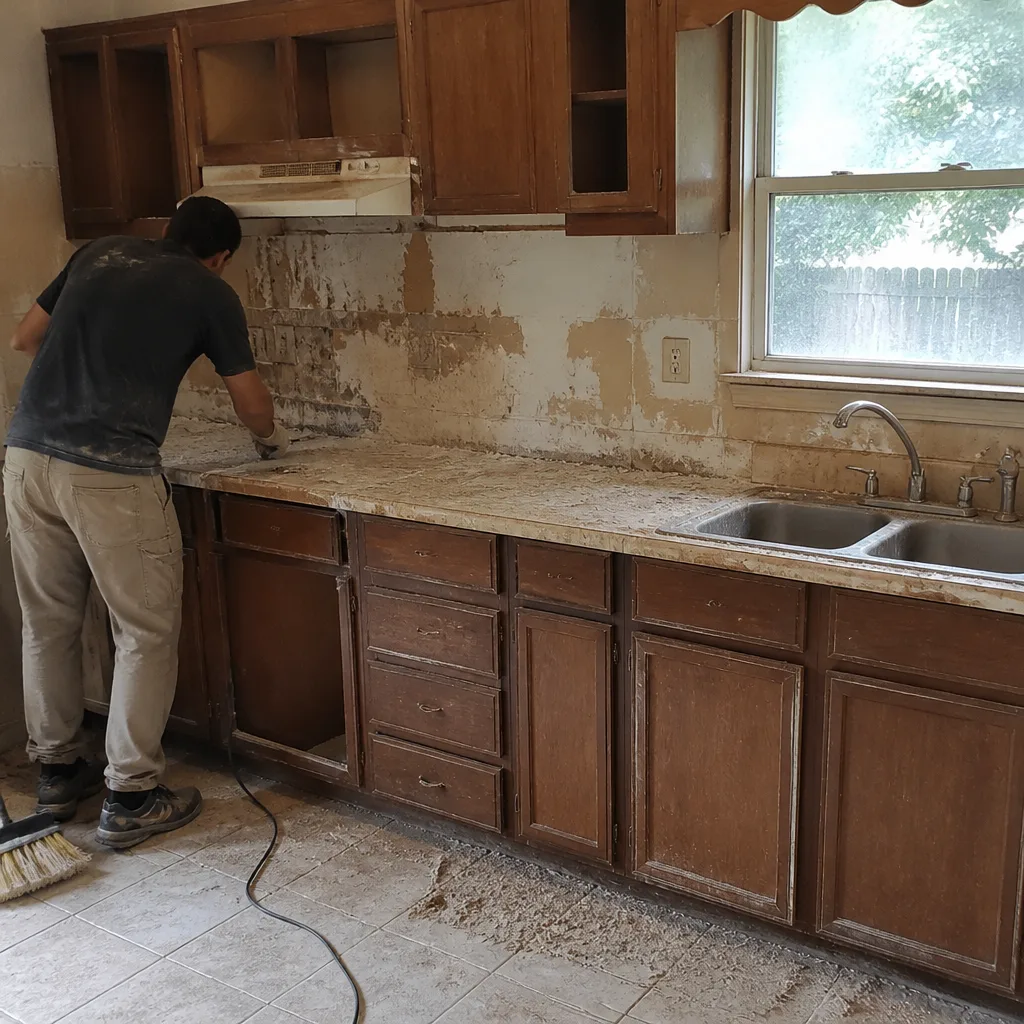 Before
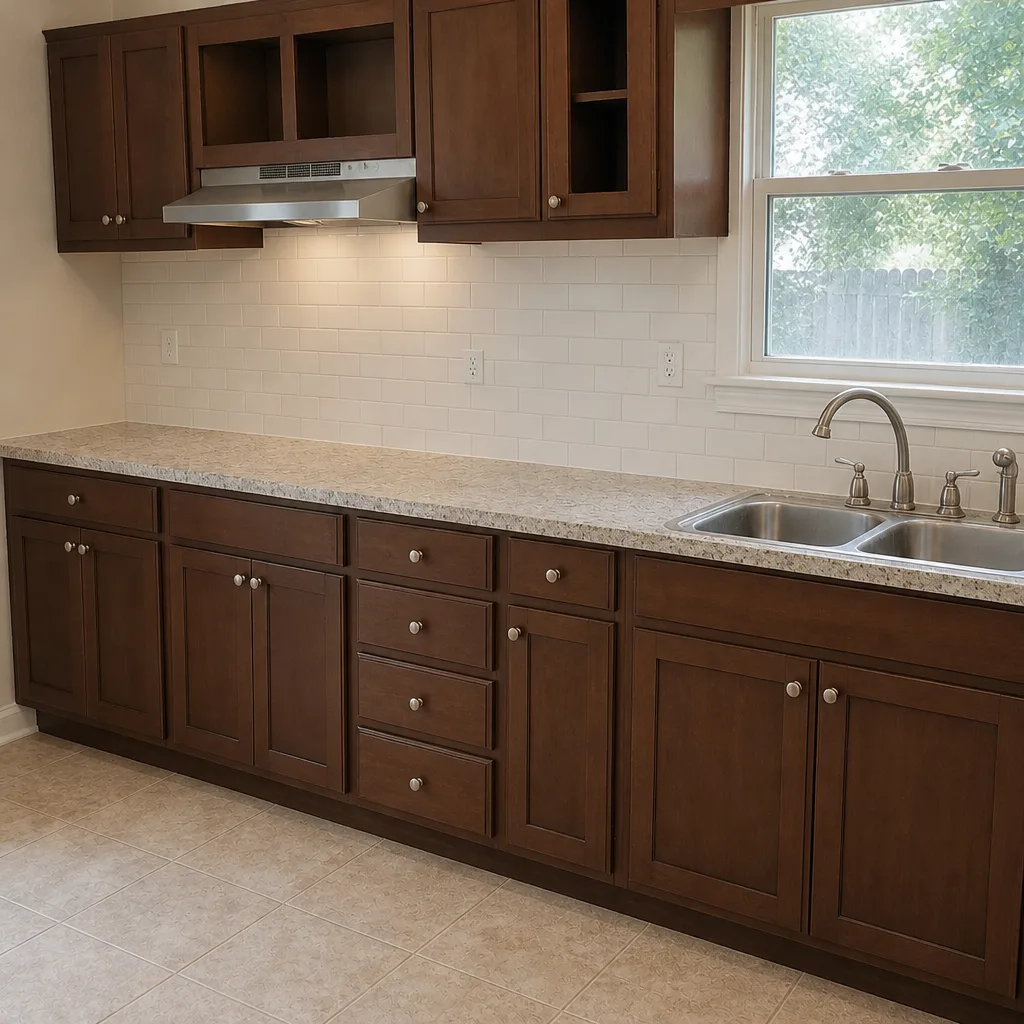 After
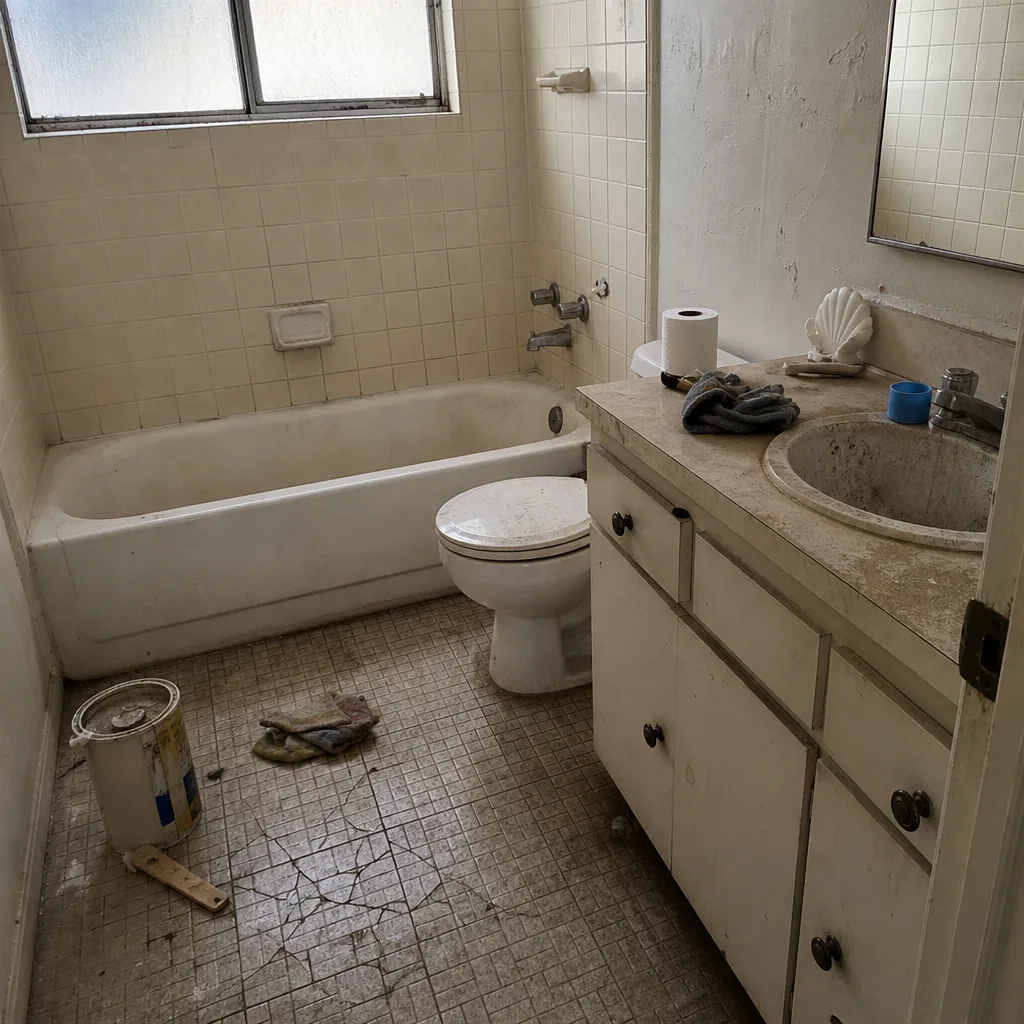 Before
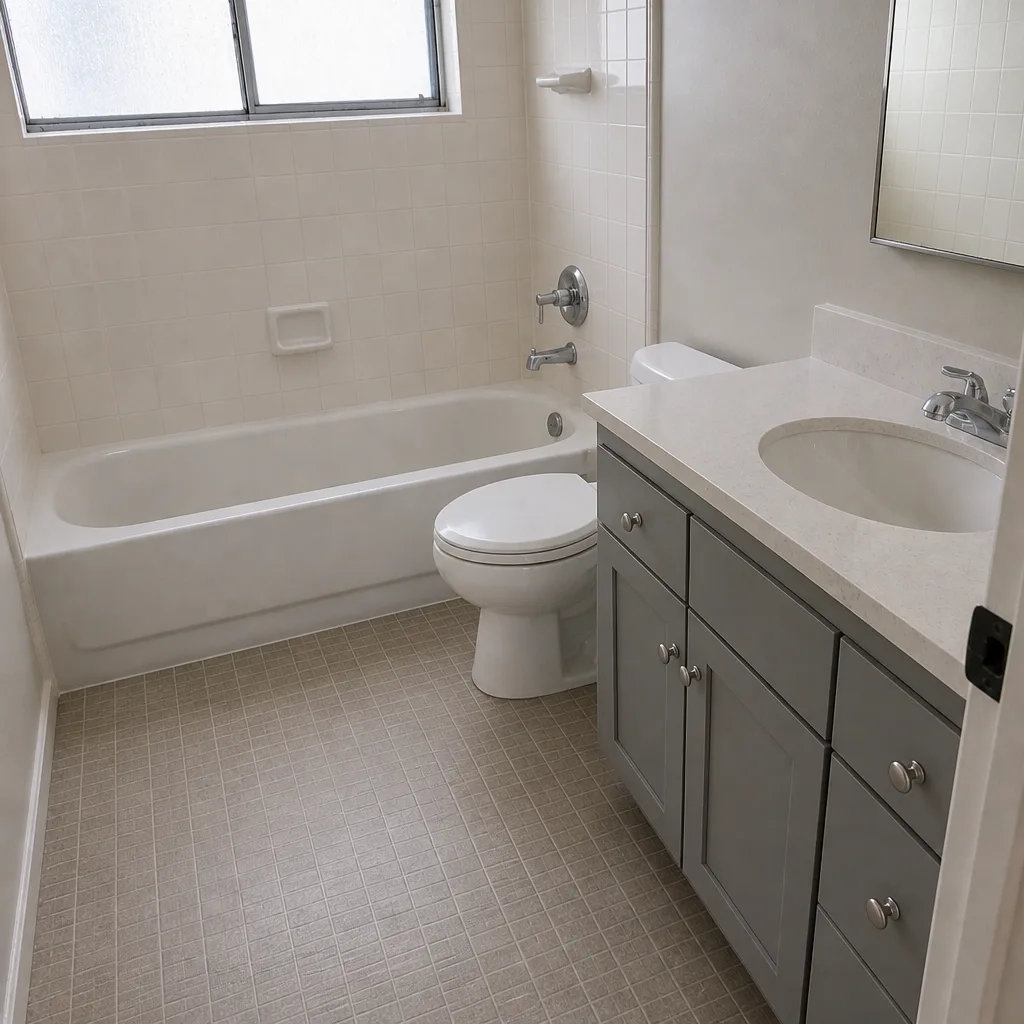 After
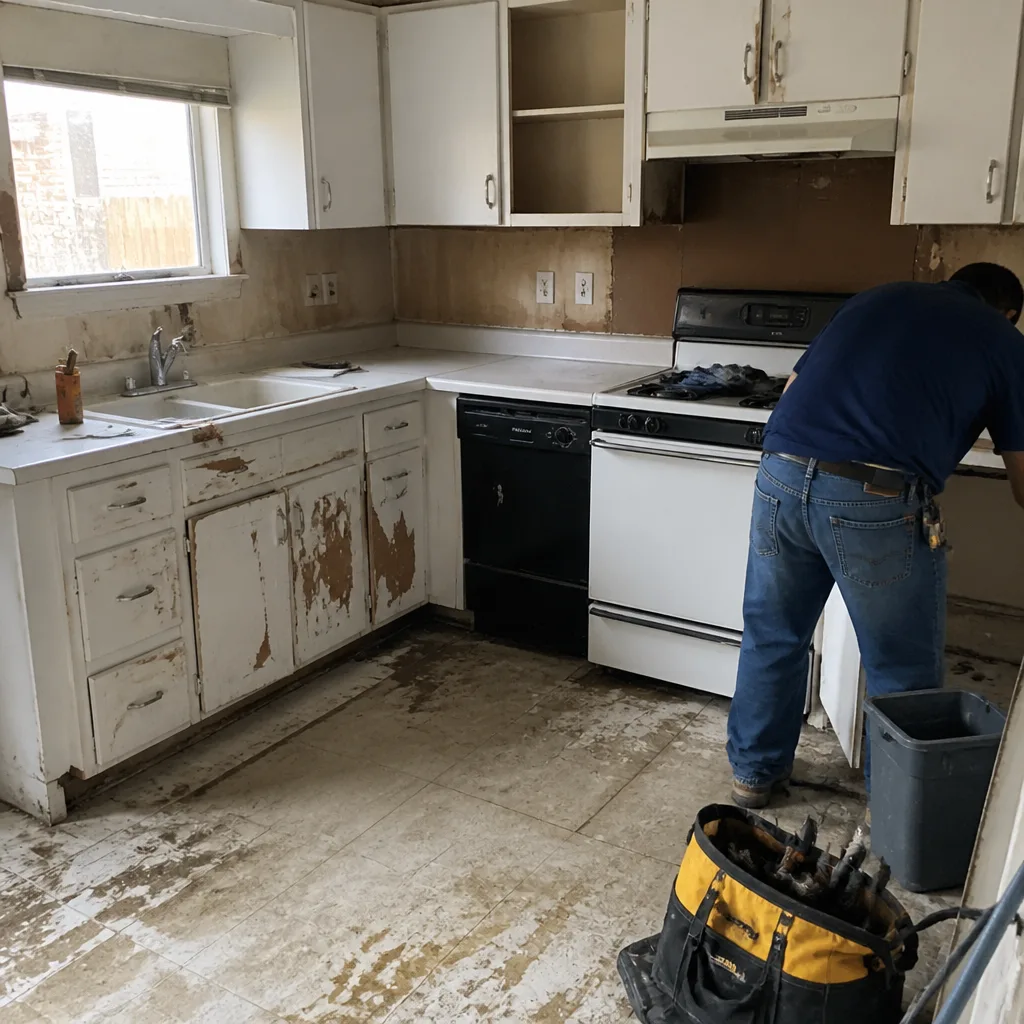 Before
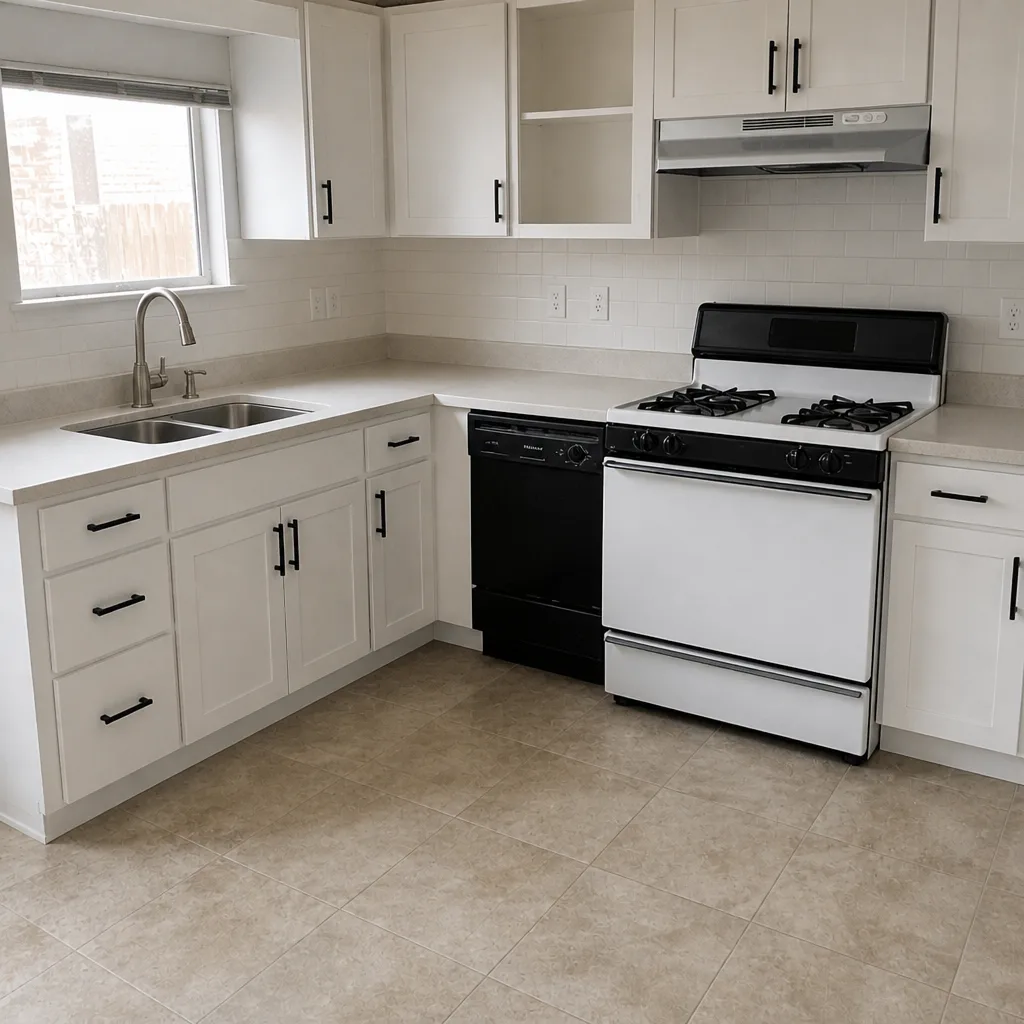 After
When to Call a Professional
Call a licensed, insured contractor the moment an addition or ADU involves structural work, a load path change, electrical or plumbing rough-in, or a permit. That covers nearly every addition, so the honest answer is: call before you design, not after. Also call if you’ve already signed with a contractor who won’t pull permits, won’t name subs, or is asking for a large upfront deposit. And call if a previous contractor left you with an unpermitted addition you’re trying to legalize before a sale. We’ve walked Plano homeowners through that fix more times than we’d like.
Barrett & Sons Construction Plano offers free estimates in Plano. Call (877) 382-4108 and we’ll walk the site with you, spell out the scope in writing, and tell you exactly what permits and engineering your project needs before you commit to anything.
Frequently Asked Questions
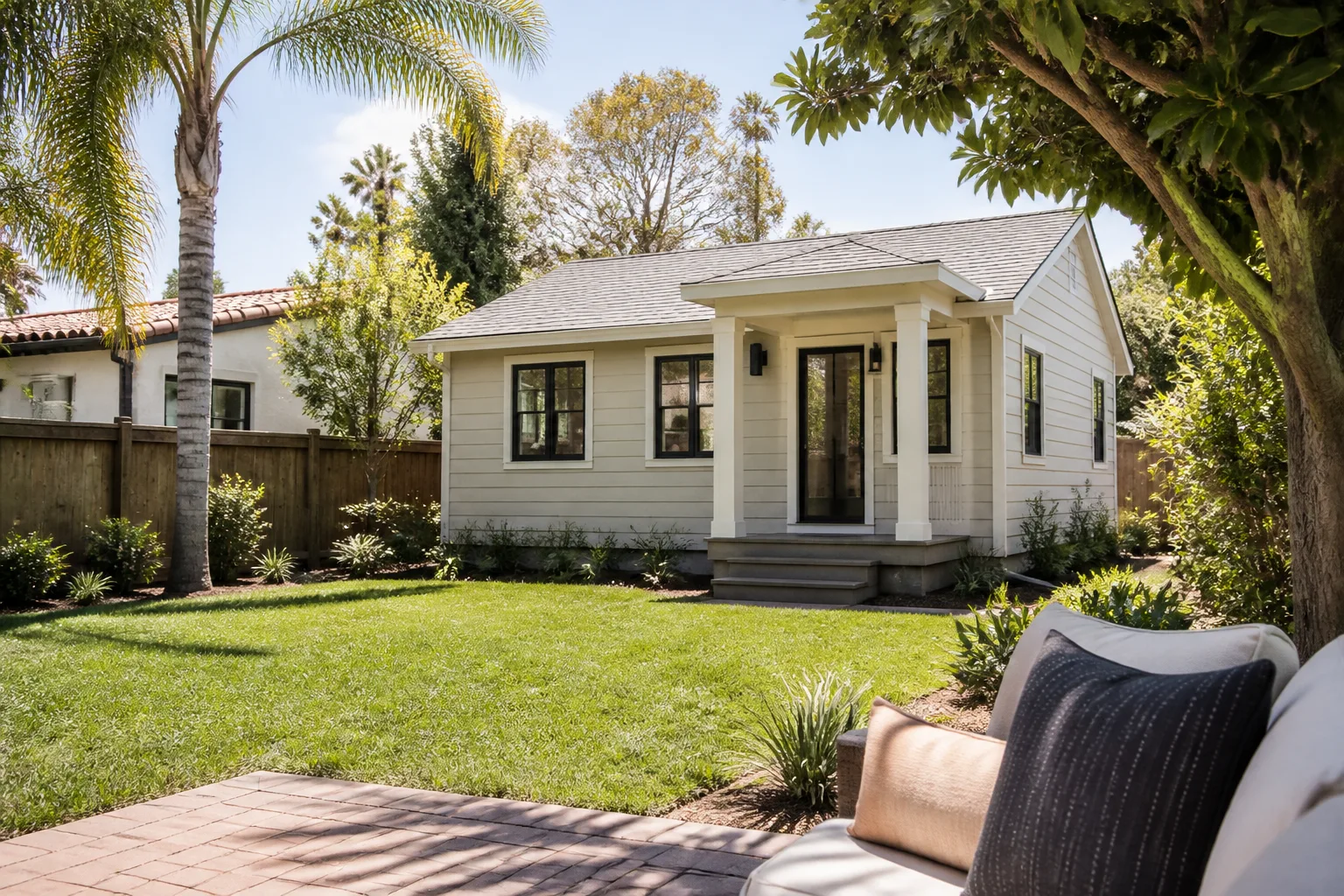
Yes. Plano requires a permit for any addition that adds square footage, alters the structure, or touches electrical, plumbing, or HVAC. The permit process includes foundation, framing, rough-in, insulation, and final inspections, and the city also requires a survey or plot plan showing setbacks and impervious cover. Skipping the permit transfers the risk of a stop-work order, insurance denial, and resale defect onto you. Call (877) 382-4108 for a free estimate that includes a permit walkthrough.
Most Plano home additions fall in a wide range depending on size and finish level, and the honest way to price one is with a written scope and line-item allowances, not a single number on a phone call. Expect cost drivers to include foundation and engineering, fenestration, roofing material, and finish selections. Any quote that doesn’t break those out is a number, not a budget. Call (877) 382-4108 for a free, line-item written estimate specific to your addition.
They can attempt it, and the legal exposure lands on you, not them. Texas cities like Plano can issue stop-work orders, require demolition of non-compliant work, and force retroactive permitting that means opening walls to expose framing. Your homeowner’s insurance can also deny a claim on a loss that traces to unpermitted work, and buyers’ inspectors flag it at resale. That’s why “we skip permits” is a fire-the-contractor statement, not a selling point.
Most second-story additions, additions that alter the load path on an existing foundation, and detached ADUs require a design professional’s stamped plan before Plano issues a permit. Expansive clay soils in this area make foundation load calculations especially important. Ask your contractor directly whether your project triggers an engineered plan, and get the engineer’s name and cost in writing. If the answer is vague, get a second opinion before signing.
A legitimate disclosure lists each subcontractor by company name, license number (required for electrical, plumbing, and HVAC in Texas), scope of work, and insurance coverage on file. The list should arrive before you sign the contract, not after. A GC who won’t name their subs is a GC who won’t control their subs, and you have no recourse if a sub’s work fails later. Call (877) 382-4108 for a free second opinion on any written estimate you’re weighing.
Your appraiser won’t count the unpermitted square footage toward appraised value, your listing agent has to disclose it, and the buyer’s inspector will flag it as a material defect. Buyers ask for credits, lenders can refuse to finance the home, and you may end up paying for retroactive permitting anyway. The cleanest fix is to permit the work before you build. If you’ve inherited the problem, call (877) 382-4108 and we’ll walk the site with you to scope the legalization.
The Bottom Line
The contractors most likely to cause problems on an addition or ADU are the ones who treat permits as optional and engineering as an upsell. Those shortcuts are cheap for the contractor and expensive for you, because the risk shows up at sale, at claim time, and at inspection. Three tests separate the good builders from the risky ones: do they pull permits and pull them in your name, do they put scope and allowances in writing, and do they name their subs. Insist on all three before you sign, and verify the license, insurance, and bonding yourself. A handshake is a start. A written contract is the finish.
Call (877) 382-4108 for a free estimate on your addition or ADU in Plano. We’ll spell out the scope, the permits, and the engineering in writing before you commit to anything.
Written by the team at Barrett & Sons Construction Plano.