Last updated November 18, 2026
Free written scope consultation - allowances, timeline, and change-order rules on paper before a single trade is scheduled
DIY vs Professional Bathroom Remodeling: What’s Safe to Do Yourself
A YouTube tutorial will teach you to tile. It won’t teach you that tiling over an un-permitted shower pan voids your homeowner’s insurance and shows up in a title search when you sell. That gap between what a video shows and what a building inspector, an insurance adjuster, and a future buyer will eventually check is the whole conversation. This guide draws the line honestly, trade by trade, so you can tell the difference between a weekend project and a liability you’ll live inside for years. We’ve watched a lot of Plano homeowners learn this the hard way, and we’d rather you didn’t.
Quick Answer
In a Plano bathroom remodel, you can safely DIY the cosmetic work: paint, vanity hardware, mirror swaps, a new faucet, towel bars, and simple demo. You should hire a licensed professional for anything that moves a drain, adds an electrical circuit, relocates a vent, or builds a shower pan and moisture barrier. The dividing line isn’t your skill level with a tool – it’s whether the work needs a permit, touches a wet wall, or affects a system the next owner’s inspector will flag.
Styles & brands we work with
- Kitchen remodeling
- Bathroom remodeling
- Home additions & ADU
- Roofing
- Windows & doors
- Driveway & pavers
- Fence
Table of Contents
- The Line That Actually Matters
- What’s Genuinely DIY-Safe
- Plano Permit Triggers Most Homeowners Don’t Know
- What Requires a Licensed Hand in Texas
- The Real Cost Math: DIY Savings vs. Re-Do Costs
- How to Scope a Hybrid Project Without Liability Gaps
- Questions to Ask Before You Pick Up a Tile Saw
- Common Mistakes to Avoid
The Line That Actually Matters
The question isn’t whether you’re handy. Plenty of Plano homeowners we work with can hang drywall better than a paid crew. The question is whether the work crosses into a system that a permitting office, an insurance company, or a future buyer’s inspector will inspect and judge. That’s where DIY stops being a savings and starts being a hidden cost.
Picture three buckets. Bucket one is cosmetic: it changes how the room looks and nothing else. Bucket two is structural or systemic: it touches plumbing, electrical, ventilation, or the waterproof envelope of the shower. Bucket three is the gray zone: work that looks cosmetic but sits on top of something that wasn’t done right underneath. A tile floor over a failing subfloor, a new vanity screwed to a wall with no blocking, a shower surround glued to greenboard instead of a proper cement backer with a waterproof membrane. Bucket one is yours. Bucket two and three need a trained hand.
Here in Plano, we see the gray zone fail most often in one specific way. A homeowner replaces a shower pan themselves to save a couple thousand dollars, skips the pre-slope, and the water migrates under the tile for two years before the ceiling in the room below gives out. By then it’s not a shower pan repair – it’s a mold remediation and a structural repair. The savings evaporate and the risk was never in the tool work. It was in the code detail nobody taught them.
So the honest rule: if you can undo it in an afternoon with a screwdriver and a patch of spackle, it’s yours. If undoing it means opening a wall or calling a remediation crew, hand it off. That’s the only line that holds up over the life of the house.
What’s Genuinely DIY-Safe
Here’s what you can do yourself with real confidence and a clean conscience. None of these require a permit in Plano, none touch a wet wall, and all of them are reversible.
- Paining the walls, ceiling, and trim. Prep and two coats. The single highest-impact, lowest-risk dollar in the room.
- Swapping vanity hardware and cabinet pulls. Measure the on-center hole spacing before you order, or you’ll be filling old holes with wood filler and drilling new ones.
- Replacing the mirror. A framed mirror on a cleat system is a two-person, one-hour job with no plumbing or electrical involved.
- Changing a faucet or showerhead. Shut the water off at the angle stops first. If the stops are seized or the supply line is crusted, stop and call – that’s the edge of the safe zone.
- Installing a new toilet. A straight swap of same-rough-in toilet is genuinely DIY. Moving the flange or the drain is not.
- Light demo and haul-away. Pulling baseboards, removing a vanity, tearing out a dated mirror. Wear eye protection, and test for lead paint in any home built before 1978.
- Cosmetic tile accents. A backsplash on drywall is doable. A shower wall is not, because the moisture barrier is a system, not a surface.
- Caulk, grout touch-ups, and sealant. Cheap, fast, and it protects real money if you keep up with it.
One local note: our North Texas clay soil moves with the seasons, and that movement shows up as hairline cracks at the tile-to-drywall transition and around the tub surround. Recauking those annually is a DIY job that will save you a water-damage call. It’s the cheapest maintenance you’ll ever do.
Plano Permit Triggers Most Homeowners Don’t Know
This is where the DIY conversation gets real. Plano’s permitting department has specific triggers that most folks don’t learn until an inspector or a buyer’s agent points them out. Here’s the short version.
- Moving a drain or relocating a fixture. Any change to the drain, waste, or vent system needs a plumbing permit and inspection. A toilet that shifts two feet is a new drain run, not a swap.
- Adding a circuit for a heated floor, a new GFCI, or a steam unit. Any new electrical circuit in the bathroom needs a permit and a licensed electrician. Bathrooms are wet locations, and the code around GFCI and bonding is specific.
- Relocating or adding a vent. Bathroom exhaust must terminate outside, and moving a vent often touches the roof or the exterior wall. This is where a small remodel runs into a roofing question and a permit question at the same time.
- Converting a tub to a walk-in shower. This is the big one. It’s a plumbing change plus a waterproofing system plus often a structural shift in the subfloor. It needs a permit.
- Any wall move or doorway change. Load-bearing or not, changing the footprint triggers a permit in Plano.
We’ve watched homeowners get surprised twice: once at the permit counter and once at resale, when a title search turns up un-permitted work. Those old permits have a way of following the house. Our team pulls permits and signs the inspections on every eligible job, and we’d tell you the same thing even if you weren’t our customer. The permit inspector works for you, not for the contractor.
What Requires a Licensed Hand in Texas
Texas doesn’t license general contractors at the state level, but it does license plumbers and electricians, and Plano requires permits for the work below. If you’ll be doing a hybrid project, this is the hand-off list.
- Plumbing. Any supply-line or drain work beyond a simple fixture swap. Texas requires a licensed plumber. That includes moving a vanity’s plumbing, adding a shower valve, and any drain relocation.
- Electrical. Any new circuit, panel work, or outlet relocation. Licensed electrician, permit, inspection.
- Shower pan and waterproofing. Not technically a license requirement, but the code, the membrane, and the pre-slope are a skill set most people don’t have. We’ve seen more failed DIY shower pans in Plano than any other single category.
- Structural changes. Wall moves, header work, and subfloor repair. If you’re unsure whether it’s load-bearing, assume it is until an engineer says otherwise.
- Exhaust venting through the roof. If the vent has to cut through a shingle roof, it’s a roofing job and a permit job. Our Barrett & Sons Construction Plano home page covers how we coordinate trades so those handoffs don’t create gaps.
Here’s the thing about DIY demos: the safest use of your own labor is tear-out. You can pull the tile and the vanity and save yourself a few hundred dollars in labor. Just stop before the plumbing rough-in. That’s where the licensed work begins.
The Real Cost Math: DIY Savings vs. Re-Do Costs
The math only works if you include the cost of a re-do. Most DIY bathroom projects don’t fail because of the tile saw. They fail because someone skipped a membrane and it doesn’t show up until the ceiling stains two rooms over. Here’s how the numbers shake out for a typical Plano guest bathroom in the under-60-square-foot range.
- Tearing out tile and vanity yourself: saves $800 to $1,500 in labor. Genuinely safe, no permit needed.
- Painting and refinishing the room yourself: saves $600 to $1,200. High-impact, zero risk.
- Installing your own shower pan: saves $1,200 to $2,500 on labor. If the pan fails (no pre-slope, no membrane), the re-do runs $6,000 to $12,000 in tear-out, re-framing, mold remediation, and re-tile. That’s a 5x to 10x swing on the wrong side.
- Running your own plumbing or electrical: saves $500 to $2,000. If un-permitted work is found at resale, expect the buyer to ask for a credit, and expect the cost of opening the wall to expose and re-do the work.
- Doing your own tile on a floor: saves $1,000 to $2,000. Real risk if the subfloor isn’t flat or the deflection isn’t right – a job an installer checks before setting a single tile.
The pattern is consistent. The work that’s cheap to undo saves money on a DIY basis. The work that’s expensive to undo costs more than it saves when it fails, and wet walls have a way of failing after the project feels finished.
How to Scope a Hybrid Project Without Liability Gaps
You don’t have to do it all or hand off all of it. A hybrid project is the smart middle path, and we’ve done plenty of them with Plano homeowners. The catch is that the handoff has to be scoped in writing before the first hammer swings, or you’ll end up with gaps in responsibility when something goes wrong.
- Write the scope down. Who does demo, who does rough-in, who does tile, who does trim, who hauls debris. One document. But if you’re DIYing demo and the contractor is doing the rest, that paragraph is the line the contractor is standing on.
- Confirm the permit before demo. If the project needs a permit, the permit should be pulled before anything comes off the wall. A permit that says “the homeowner did X” doesn’t cover the contractor doing the plumbing.
- Set the inspection sequence. Rough-in inspection before tile. Tile before trim. Waterproofing before either. Miss one inspection window and the project backs up a week.
- Define who owns materials and who owns labor risk. If you buy the vanity, the tile, and the fixtures, that’s fine, but the allowance conversation has to be in writing. An allowance that isn’t on paper is a surprise waiting for a date.
- Document the condition before the handoff. Take photos of the rough-in before the wall closes. It’s a 30-second job that saves an argument.
When we scope a hybrid, every change arrives as a written change order before we touch a nail. No surprise invoices, because the price on the phone and the price on the invoice are the same document. If you’re thinking about a bathroom project plus an adjacent closet or laundry addition, our Home Additions & ADU in Plano page covers how we sequence a remodel that crosses into new space.
Questions to Ask Before You Pick Up a Tile Saw
These have nothing to do with skill and everything to do with risk. Ask them in order, and be honest with the answers.
- Does this work need a permit? If the answer is “probably not,” it’s worth the five-minute phone call to confirm. Plano’s permitting office answers the question.
- Will this change a drain, an electrical circuit, or a vent? If yes, hand it to a licensed trade.
- Will this create or extend a wet wall? A shower pan, a waterproof seal around a tub, or anything behind the tile. If yes, the moisture barrier is a system you should get right the first time.
- Can I undo this in an afternoon? If no, the cost of undoing it belongs in your math.
- Is the house going to sell in the next decade? Un-permitted work isn’t a today problem, it’s a title-search problem. Plan for the future owner’s inspector.
- Do I have a written scope for the parts I’m not doing myself? If the answer is no, you don’t have a hybrid project yet. You have an incomplete plan.
One more, and it’s the least romantic question in the room: who comes back if it goes wrong? With a written guarantee from one contractor, you have one call. With a DIY problem, you call yourself, and that inspection sticker is on your wall, not theirs.
Common Mistakes to Avoid
- Setting tile over greenboard in a shower. Greenboard was never designed to take direct water. It needs a cement backer board and a waterproof membrane, and no shortcut replaces that. We’ve seen this fail in Plano homes within four years.
- Skipping the pre-slope on a shower pan. Water has to move toward the drain by gravity. A flat pan traps water under the tile, and that’s the mold call you don’t want.
- Moving a drain “just a few inches.” That’s a permit job. The number of homeowners who find this out when they sell their Plano home is high, and the credit they end up giving the buyer is higher than the permit would have been.
- Adding an outlet without a GFCI. Bathrooms are wet locations. Code requires it, and a home inspector will flag it in the first ten minutes.
- Doing your own demo without shutting off the water or testing for lead. Two-minute safety checks, both of them.
- Under-budgeting the re-do. If you skip a moisture barrier and it fails, the re-do runs back through the shower, the adjacent framed wall, and often the first floor below. Budget for the risk, or hand it off.
- Not asking about the exhaust vent. A bathroom with no working vent in Texas humidity grows mold in the grout lines and the ceiling. If yours has to be rerouted, that’s a permit-and-trade job, not a weekend project.
See the difference
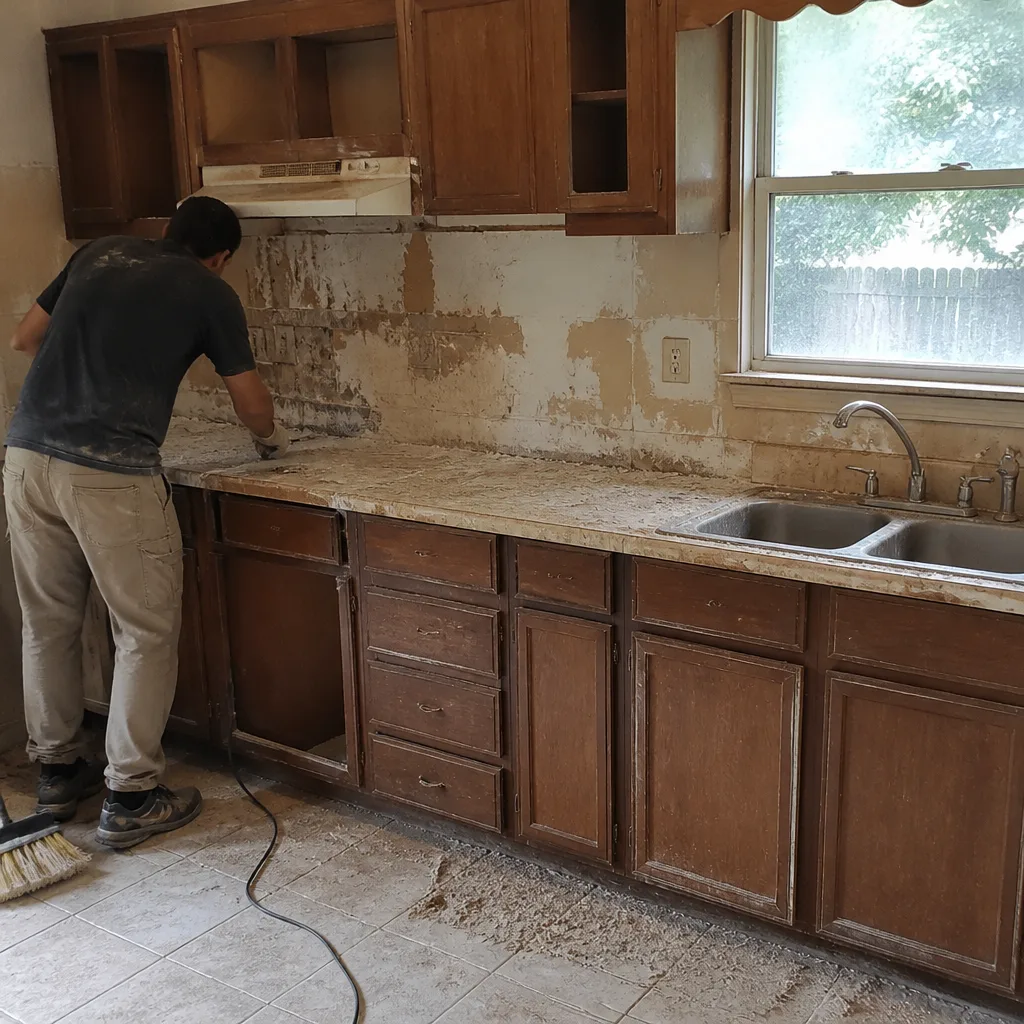 Before
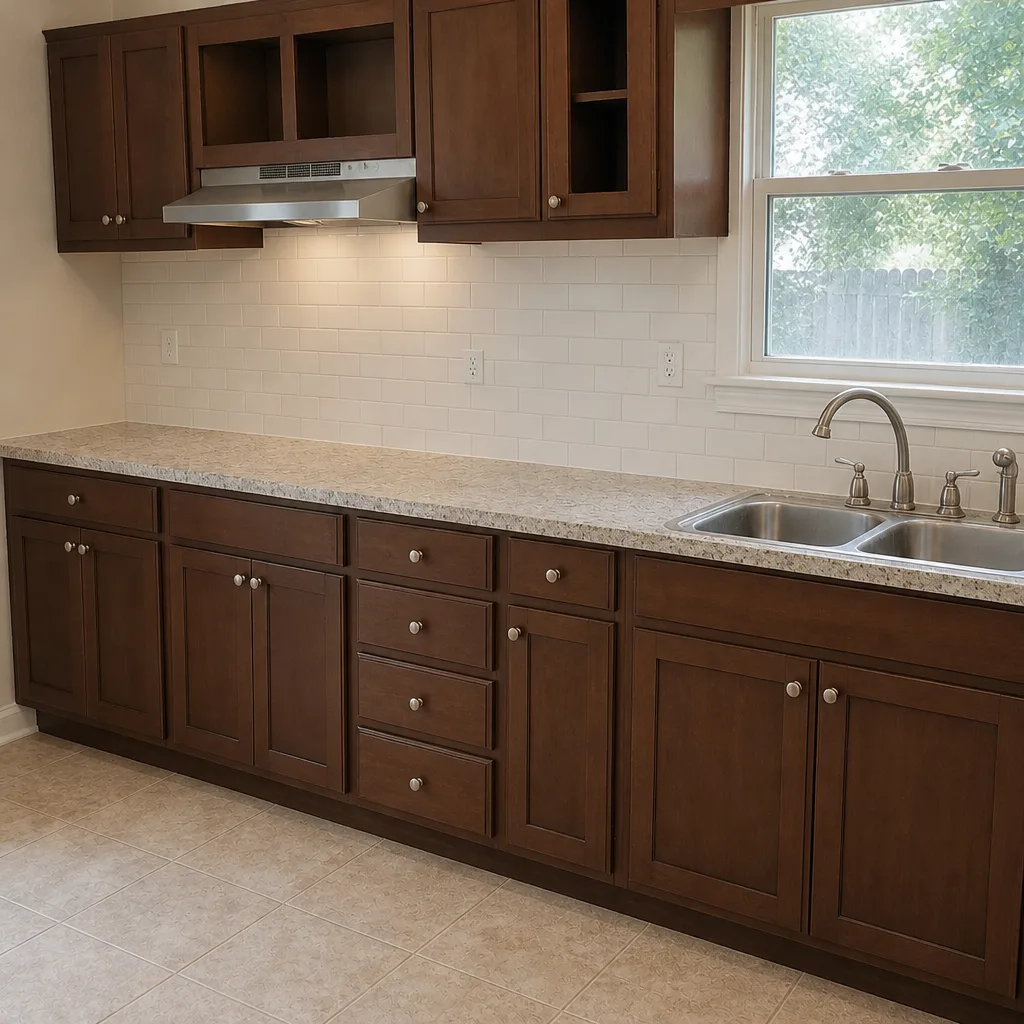 After
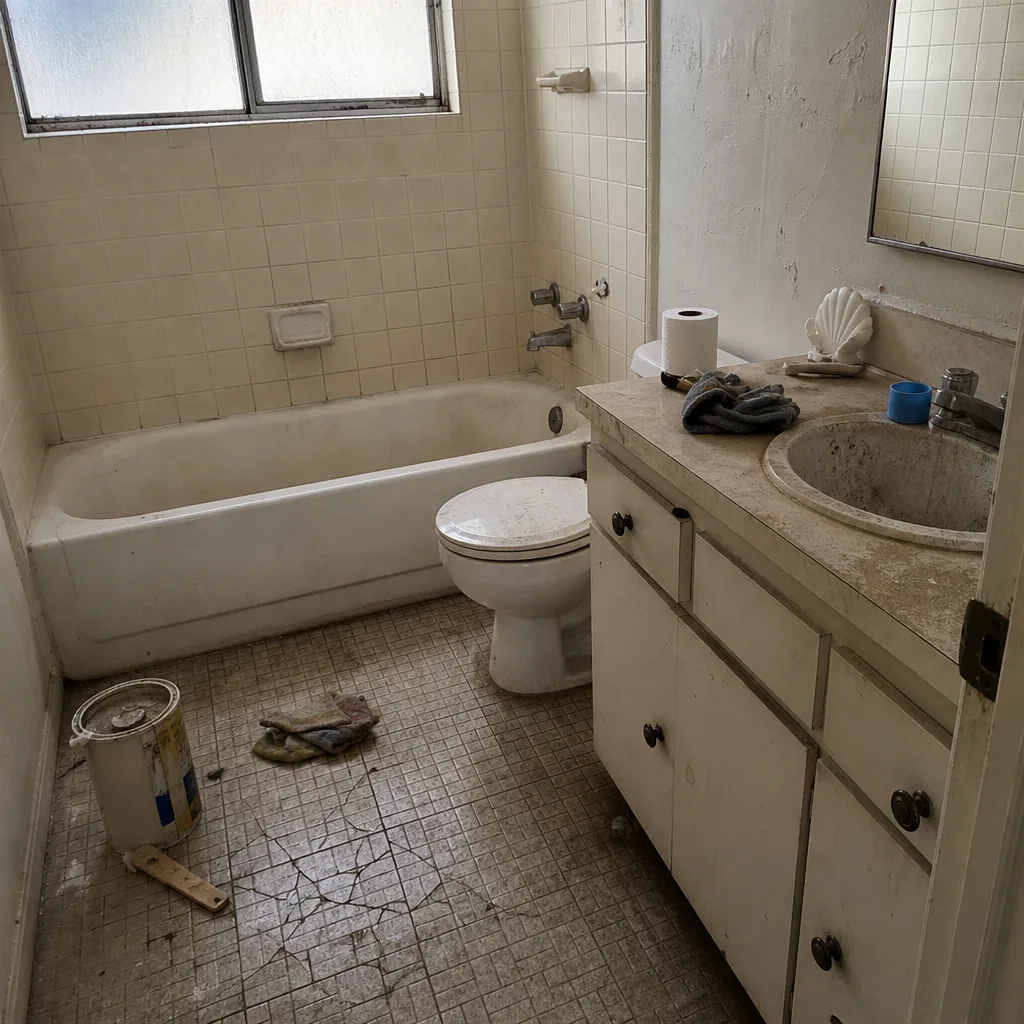 Before
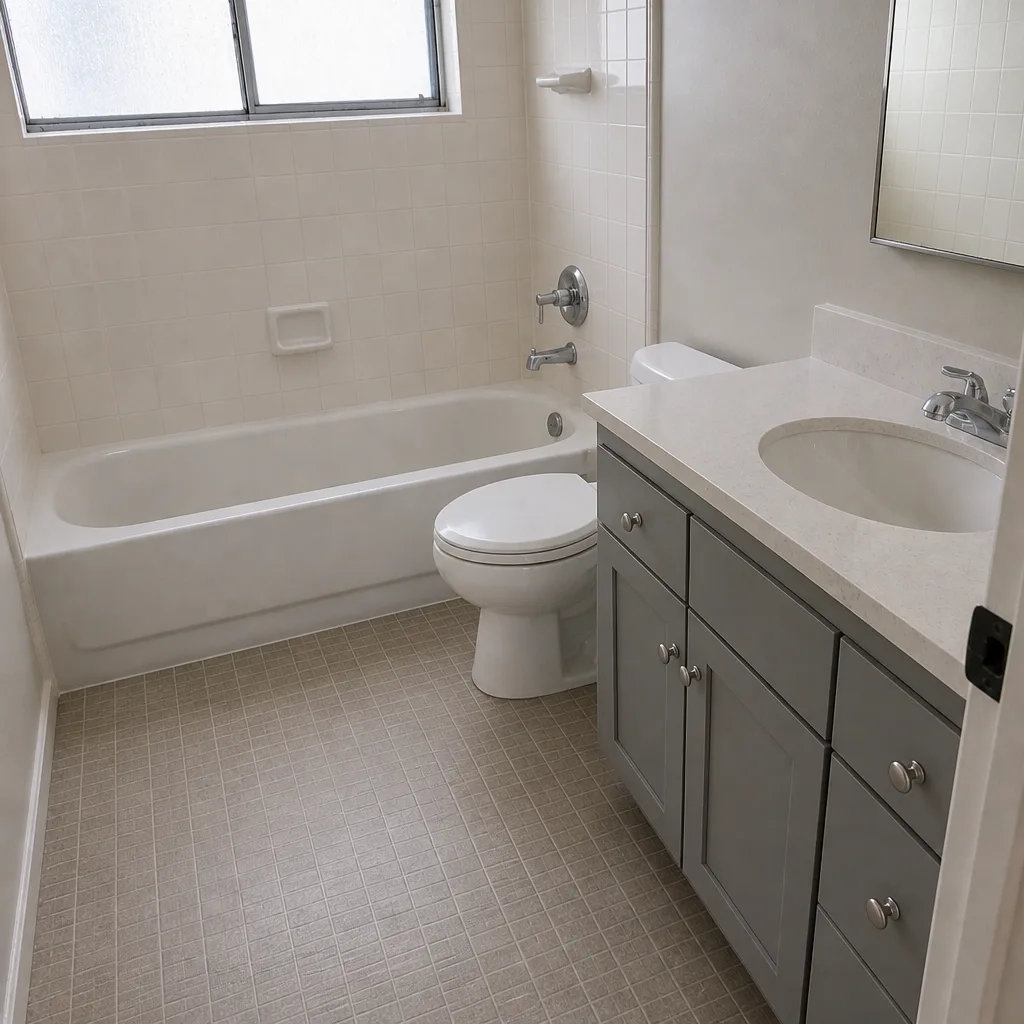 After
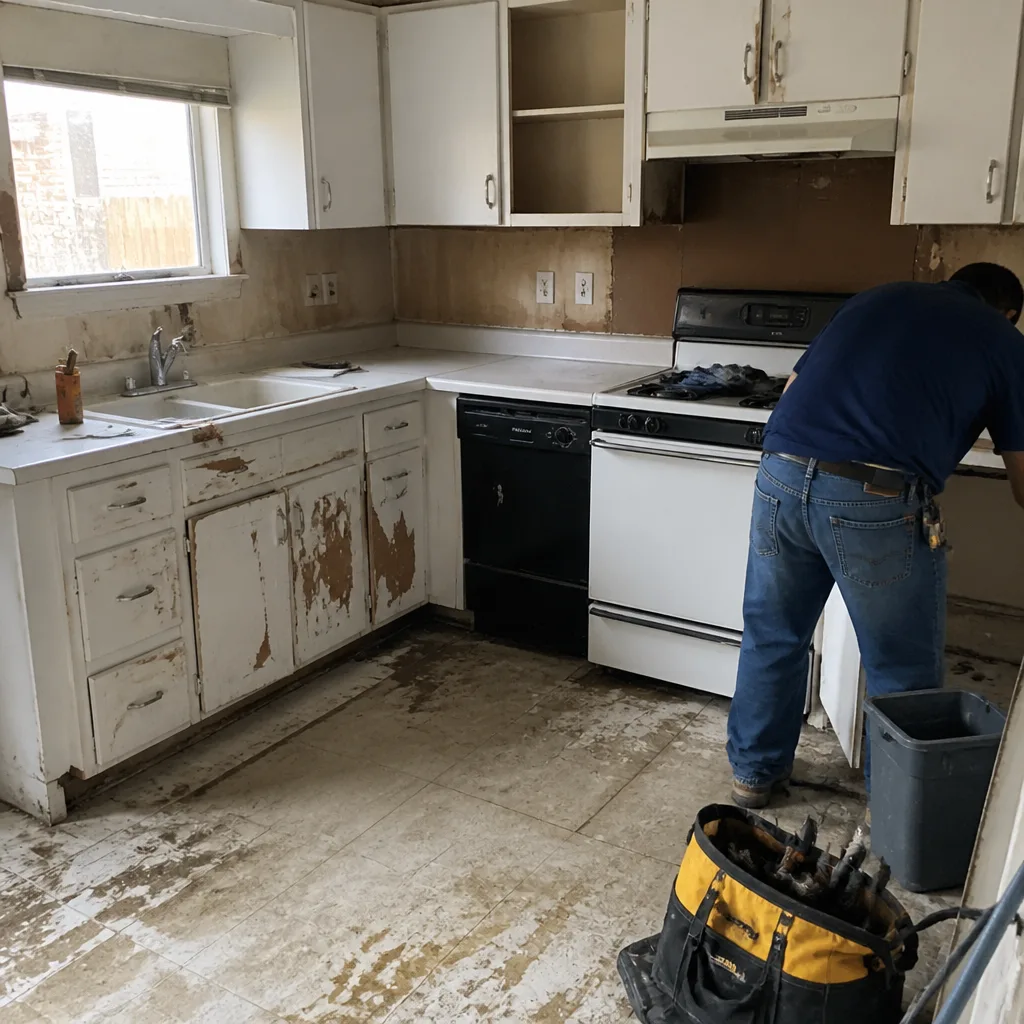 Before
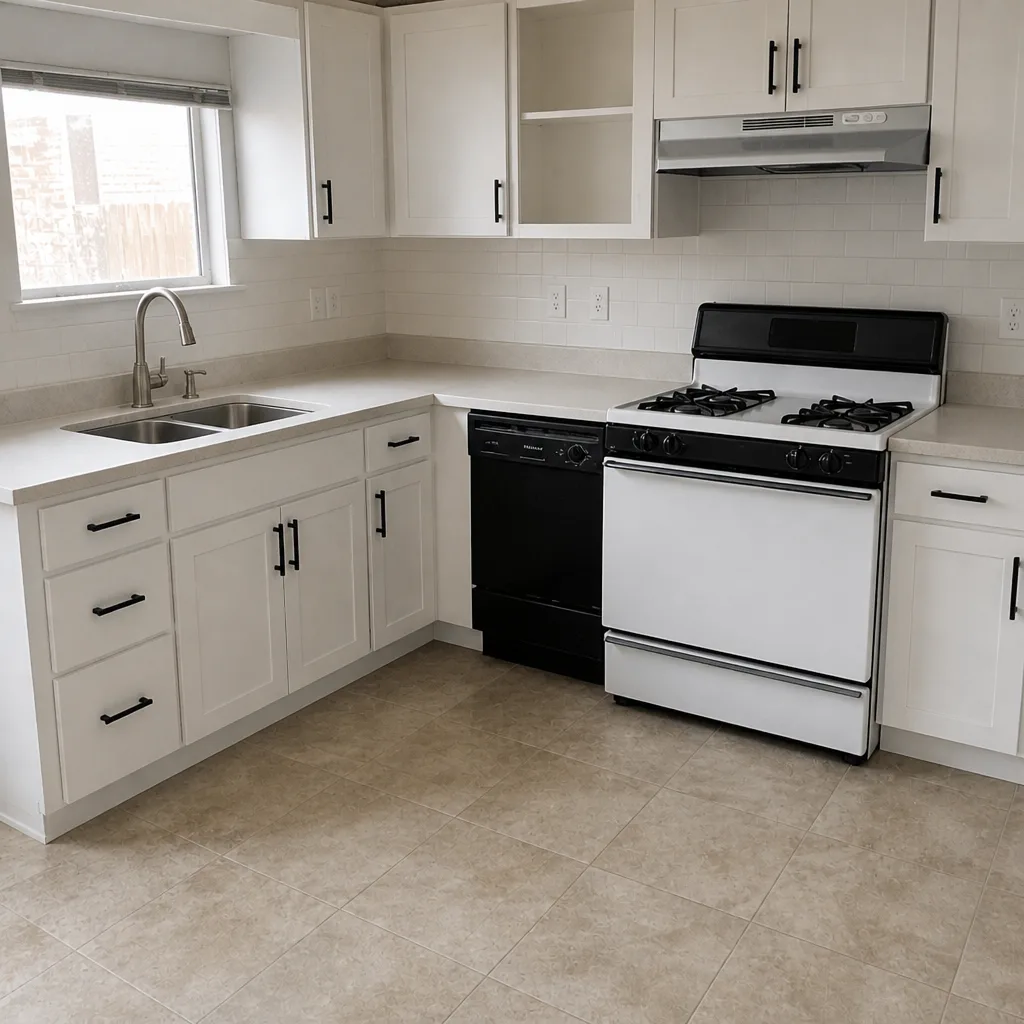 After
When to Call a Professional
Call a professional when the work crosses any of these lines: a permit is required, a drain or circuit moves, a vent is relocated, a shower pan is being built, or a structural wall is involved. Those are the jobs where the cost of a re-do dwarfs the cost of the original work. If you’re doing a hybrid project and the scope document is missing, that’s the other call. And if there’s a chance your project will spill into a closet, laundry, or garage conversion, it’s worth a conversation with the trades coordinating the whole scope. We’ve also walked Plano homeowners through the storm-and-water advice in our Fence Installation in Plano guide when a bathroom remodel touches the same exterior wall – the sequencing matters when the roof and drainage work overlap. If you’re also planning to fix the driveway or pavers while the heavy equipment is in the yard, our Driveway & Pavers in Plano page covers how we keep those projects from fighting each other. Barrett & Sons Construction Plano offers free estimates in Plano – call (877) 382-4108.
Frequently Asked Questions
Yes, for cosmetic work that doesn’t require a permit – paint, hardware, mirrors, faucet swaps, and demo. The moment the work touches plumbing, electrical, ventilation, or structure, it needs a permit and a licensed trade. Plumbing and electrical both require a licensed hand in Texas.
Re-do costs on a failed shower pan typically run $6,000 to $12,000, because the fix usually includes tearing out the tile, replacing the pan, addressing mold, and often repairing the ceiling below. Call (877) 382-4108 for an exact quote – estimates are free.
Yes. Any change to the drain, waste, or vent system requires a plumbing permit and an inspection. A fixture swap that doesn’t move the drain is a different job and typically doesn’t need one.
No. Every price change on a Barrett & Sons job arrives as a written change order before work proceeds. No surprise invoices at the end. If something legitimately changes mid-project, we write it down first and you approve it before anyone touches the wall again.
Yes, and we’ve done several in Plano. The rule is simple: we write the scope together before anyone starts. You take demo and haul-away, we take the rough-in, the tile, and the inspections. That way there’s no gap where both sides thought the other had it.
Yes. We pull permits and sign the inspections on every eligible job. That’s the difference between a home you can sell clean and one that has a title-search surprise waiting. We don’t hand it back to you – the permit inspector works for you.
The Bottom Line
The DIY vs professional bathroom remodeling decision comes down to one line. Cosmetic, reversible, no-permit work is yours to take. Anything that moves a drain, adds a circuit, relocates a vent, or builds a waterproof system belongs to a licensed hand. In our experience across Plano, that line matters less at the start of the project and more at the title search, the insurance claim, and the sale. If you walk away remembering one thing, remember this: the cost of a re-do is always higher than the cost of doing it right the first time. If you’re not sure which side of the line your project is on, that’s a conversation, not a decision.
Barrett & Sons Construction Plano has been serving local communities for over 29 years, founded in 1998 and owner-operated. Our crew members are background-checked, and our technicians have up to 28 years of experience. Every eligible job includes permits pulled and inspections signed, and every completed job is backed by the written 90-Day Done Right Promise: if it’s not done right, one call brings us back. We also carry the standing offers you’ll see on our estimates – $40 Off Any Repair Over $200, a Free Second Opinion on Any Written Estimate, No Trip Charge Inside the County, and a permanent 10% Senior & Veteran discount. Call (877) 382-4108 to schedule your free estimate, and we’ll tell you plainly which parts of your project you can keep and which parts you should hand off.
Written by the team at Barrett & Sons Construction Plano.