Last updated November 18, 2026








Free written scope consultation - allowances, timeline, and change-order rules on paper before a single trade is scheduled
Bathroom Remodeling Troubleshooting: Common Problems and How to Fix Them
Grout cracking in a new tile shower within the first year almost never means the grout was bad. It means the substrate behind it was moving, and that movement started the day the waterproofing membrane was installed wrong or skipped entirely. We’ve walked into Plano bathrooms less than a year past a remodel where the homeowner was ready to blame the tile and the tile was the only thing that wasn’t guilty. The defects that cost real money are the ones nobody sees at project closeout: mold behind a shower wall, cracked grout along a bench, a water bill that creeps up six months later. This guide shows you how to separate cosmetic cracking from structural failure, diagnose a leaking pan, test your exhaust fan, escalate a defect in writing, and spot the two-year problems before they turn into a rebuild.
Quick Answer
Most bathroom remodel problems that surface months after construction trace back to three things: missing or incorrectly lapped waterproofing, a shower pan that was never flood-tested, and an exhaust fan that doesn’t move enough air for a Texas summer. Diagnose by starting at the substrate, not the surface. If you’re seeing loose tile, recurring caulk failure at the tub seam, or unexplained moisture below the floor, you’re past cosmetic repair and into warranty territory. Call (877) 382-4108 for a free second opinion on any written estimate before you authorize a fix.
Styles & brands we work with
- Kitchen remodeling
- Bathroom remodeling
- Home additions & ADU
- Roofing
- Windows & doors
- Driveway & pavers
- Fence
Table of Contents
- Cracked Grout or Failed Tile? How to Tell Them Apart
- Diagnosing a Shower Pan Leak Without Tearing Out the Wall
- Testing Your Bathroom Exhaust Fan for CFM and Moisture Damage
- How to Escalate a Remodel Defect in Writing
- What Texas Law Says About Contractor Repair Obligations
- The Two-Year Deferred Problems Nobody Warns You About
- Plano-Specific Failure Patterns We See Most
Cracked Grout or Failed Tile? How to Tell Them Apart
The distinction matters because the two problems have completely different repair costs, and only one of them is a real defect. Here’s how to sort it out.
Cosmetic grout cracking looks like a hairline crack that follows a grout line, appears at a change of plane (the corner where wall meets floor), and doesn’t widen when you press on the tile. Tap the tile with a plastic screwdriver handle. A sharp, solid click means the tile is bonded. Grout cracking along a corner is expected in any home that’s settling, and in North Texas clay soils that movement is a fact of life. The fix is a flexible sealant at the corners, not new grout.
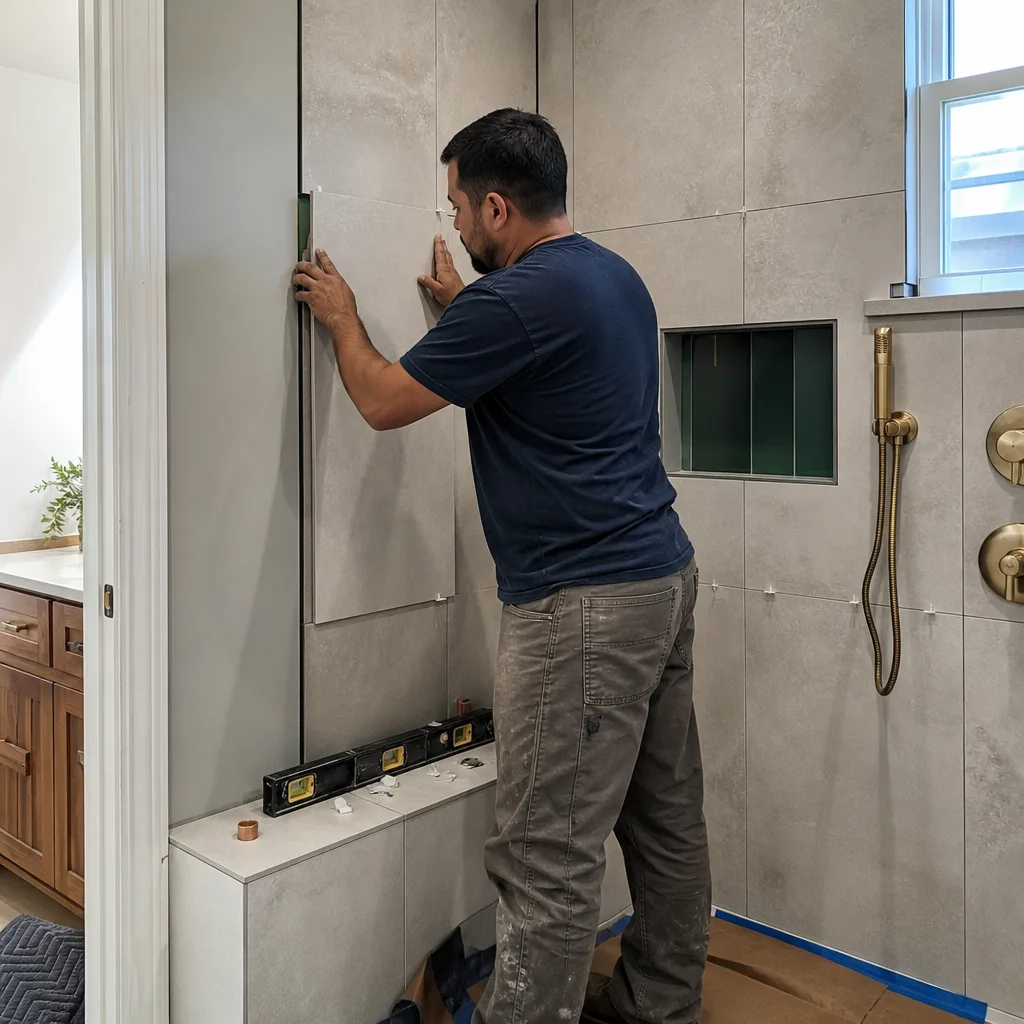
Structural tile failure shows as tile that sounds hollow when tapped, grout that crumbles when you touch it, or cracks that propagate across tile faces rather than following grout lines. That’s a bond failure. Behind it, one of four things is happening: the substrate wasn’t a proper cement backer board, the thinset was mixed wrong or skimped, waterproofing was omitted so the board took on water, or framing moved enough to flex the whole assembly.
In our experience across Plano and the surrounding counties, the hollow-tile pattern clusters in showers built on greenboard with a painted-on waterproof coating. It holds for a year or two. Then the paper facing on the drywall wicks moisture, the board swells, and the bond lets go. New grout over a moving substrate is just a fresh coat of paint on a rotting board.
One more tell: if the cracking is confined to a single row near the shower floor or the curb, suspect the pan slope, not the wall. Water pooling at the perimeter and wicking up will do that. When you see loose tile, it’s worth a look at Barrett & Sons Construction Plano home for how our crews approach waterproofing on a full bath rebuild, because patching over a failed membrane only postpones the rebuild.
Diagnosing a Shower Pan Leak Without Tearing Out the Wall
Most homeowners assume a leak below a shower is a bad drain fitting. That’s the easiest thing to check and often the wrong answer. Failed drains are real, but the more common culprit is a pan that was never flood-tested, or was tested before the preslope cured, or was built with a liner that got punctured by the tile-setter’s screw.
Here’s how a proper diagnosis runs, in order:
- Confirm the leak exists. A slow leak under a shower usually shows as a dark tide line on subfloor from below, a damp smell in an adjacent closet, or efflorescence where water emerges. Plano homes on pier-and-beam show it in the crawl space; slab homes show it as a warm spot or a baseboard that’s swelling.
- Isolate the fixture. Plug the drain and fill the pan with an inch or two of water. Mark the level. Wait 24 hours. If the level drops, water is escaping through the liner, not the drain.
- Check the drain separately. A wet rag or a shower test plug with the pan dry tells you whether the leak is at the drain body, the weep holes, or the connection below.
- Look at the curb and the corners. These are the two spots where liner folds are most often clamped wrong or left without a pre-formed corner.
- Walk away from any fix that involves smearing silicone on the shower floor. It doesn’t address the liner and makes the eventual repair more expensive.
The unlucky truth: if the pan leaks, the fix is a rebuild of the pan, not a tile patch. That’s why we insist on a flood test on every shower we build, and why the inspector signs off before tile goes down. You can read about the wider scope on our Home Additions & ADU in Plano page, where bath work in a new addition follows the same flood-test protocol.
Testing Your Bathroom Exhaust Fan for CFM and Moisture Damage
A remodeled bathroom with a weak fan is a moisture problem in slow motion, and North Texas summers make it worse. A 90-degree day with 70 percent humidity means every shower dumps moisture into drywall that’s already fighting the outside air. If the fan can’t move it out, the paint peels at the ceiling edge and the drywall soaks it up.
The bare minimum for a bathroom is 1 CFM per square foot of floor area, with a 50 CFM floor for small baths. A 10-foot by 8-foot bath needs 80 CFM on paper; add a windowless layout or a whirlpool tub and it wants more. Most builder-grade fans installed before a remodel live at 50 CFM and vent into the attic, which is the worst possible failure. Here’s how to test:
- Do the toilet paper test. Hold a square of tissue against the grille. If it flutters but won’t stay pinned, airflow is weak.
- Check the exhaust path. Any vent that terminates in the attic is a defect. It should run to a roof or sidewall cap, in smooth metal duct, with as few elbows as possible.
- Confirm the fan runs on the same switch as the light. A fan that only turns on when someone remembers to flip a separate switch won’t run long enough to matter. A timed or humidity-sensing fan is worth the upgrade.
- Look at the painted drywall above the shower. Bubbling paint or a soft spot in the ceiling means moisture isn’t leaving. That’s the fan, not the paint.
Ask your contractor what CFM the new fan is rated at and where the duct terminates. If the answer is vague, get it in writing. Venting into an attic is one of the most common remodel shortcuts we correct, and it does real damage to insulation and roof decking over time.
We install exhaust fans on every bathroom rebuild, and we spec the ducting as part of the scope. If you’re working through a bigger project and want to see how we handle ventilation and moisture control across a house, our Driveway & Pavers in Plano work gets the same moisture-first thinking on drainage, because water always finds the low spot.
How to Escalate a Remodel Defect in Writing
Phone calls don’t hold up. A written record does. If you’re dealing with a contractor who won’t fix a defect, or is “checking on it” for the third week, put it in writing and send it in a way you can prove.
- Photograph everything with a dated reference. A tape measure in the frame helps. Take wide shots and close shots.
- Write a one-page letter describing the defect, the date it appeared, and the specific remedy you’re asking for. Keep emotion out of it. “The tile on the north shower wall sounds hollow from the second row up. I’m asking for a flood test and a written plan to correct the substrate.”
- Reference the contract and any warranty language. If your contract includes a written workmanship warranty, quote the section.
- Set a reasonable deadline. Ten business days is standard. Be calm and clear that you want a response in writing.
- Send it certified mail with return receipt, and by email. If the contractor disputes receiving it, you have the documentation.
Every Barrett & Sons job carries our 90-Day Done Right Promise in writing. If something’s not right, one call brings Tom back, and the fix doesn’t wait for a scheduling window. We put that on the contract because an unwritten promise is a surprise waiting for a date. If you’ve been left hanging by another contractor, our Fence Installation in Plano page shows how we approach exterior work with the same written scope discipline.
What Texas Law Says About Contractor Repair Obligations
Texas residential construction law gives homeowners real remedies but expects you to follow a process. The Residential Construction Liability Act (RCLA) requires that before you sue over a defect, you send the contractor written notice describing the problem and give them a chance to inspect and make an offer to repair. Get that step wrong and the case is delayed or dismissed. This is not legal advice; if the dispute is large, talk to a construction attorney.
For licensed trades, the Texas Department of Licensing and Regulation (TDLR) handles complaints against electricians, plumbers, air conditioning contractors, and other licensed trades. If the defect involves a licensed trade’s work, a TDLR complaint is a real escalation path. You can file online, and the agency will investigate whether the work met code and licensing standards. Keep every email, invoice, photo, and inspection report.
Two things to know about the Plano area specifically. First, Collin County inspectors keep records; pull the inspection history on your permit and see what was signed and when. Second, if your remodel was done without a permit, that’s a separate problem, and a contractor who skipped permits also skipped the inspector who would have caught the waterproofing at the right stage. We pull permits on every eligible job because the inspector works for the homeowner, not for us.
The practical takeaway: get your remedy request in writing first, keep your records, and escalate to TDLR only if the contractor won’t engage. Most of the time, a clear written notice with a deadline gets the job done.
The Two-Year Deferred Problems Nobody Warns You About
Some defects are loud and immediate. Others take two summers to show. These are the ones that cost the most because by the time you call, the damage is behind the wall.
Efflorescence on tile. That white, powdery bloom on grout or tile edges is salt migrating out as water evaporates. On its own it’s cosmetic. Underneath, it means water is moving through the assembly, and if it’s coming from outside the shower, you may have a curb or weep hole issue. Wipe it off; if it returns in the same spot within a month, treat it as a symptom, not a stain.
Slow drains that worsen over time. A drain that starts at a slow gurgle and eventually backs up is usually a slope problem in the pan or a trap that’s not vented right. In Plano, our hard water accelerates scale in the trap, so a mildly undersloped drain goes from “works” to “clogged” in about two years.
Caulk joint failure at the tub-to-wall seam. Silicone peeling at the seam is a change-of-plane movement issue. Caulk is meant to flex; if it’s failing in months, the tub is moving or the wall tile isn’t bonded. Recaulking is a band-aid if the substrate is flexing.
Mold at the base of a shower wall. Small black spots along the bottom tile course often trace to water trapped behind the wall and wicking out. A moisture meter on the drywall on the other side of the shower is the fastest check; a reading above 18 percent means trouble. We’ve found this pattern in Plano homes built in the 2000s where the builder’s vapor barrier was stapled wrong at the base, and it doesn’t show until the second or third wet season.
Plano-Specific Failure Patterns We See Most
Construction problems have local fingerprints. Across Plano, Allen, McKinney, and the smaller towns in Collin County, we see the same handful of failures again and again.
- Clay soil movement. The expansive clay beneath much of Plano shifts with wet and dry seasons, and every plumbing penetration and tile seam in the house absorbs that movement. Flexible sealant at corners is the right detail here, not rigid grout.
- Attic-vented fans. Older Plano homes often have bath fans venting straight into the attic. It’s the single most common defect we correct on a remodel, and it quietly rots roof decking.
- Aftermarket additions without permits. A previous homeowner builds out a bath, skips the permit, and the waterproofing was done by the seat of the pants. When a later owner calls us, the inspection history is blank and we rebuild from the studs.
- Whirlpool tubs and tile surrounds. Tubs with a deck and a tile surround are prone to seam failure, because the tub deck flexes under a full tub. The caulk at the tile seam is the first thing to go.
- Summer humidity and painted drywall. A weak fan and a Plano summer will peel the paint above a shower within two seasons. It’s a two-year problem that shows up as a cosmetic complaint.
None of these are unique to one street, but they’re concentrated in the older subdivisions where remodel work has been layered over twenty-plus years of changes. If you’re planning to remodel from scratch, ask your contractor how they detail waterproofing and ventilation, and get it in the written scope. If you’re already living with a problem, free estimates help you price the fix before you commit.
Common Mistakes to Avoid
- Recaulking a failing seam without diagnosing the cause. New silicone over a moving substrate fails in months, then you’ve spent money twice. Find the movement first.
- Trusting a tile inspection over a moisture meter. Tile looks perfect right up until it doesn’t. A $40 meter on the drywall behind a shower tells you more than a visual walk-through ever will.
- Accepting a bath fan vented into the attic. It’s a defect, not a detail. Have the contractor show you where the duct terminates before he closes the ceiling.
- Skipping the flood test because the pan “looks fine.” Waterproofing fails on the liner and the curb, two things you can’t see after tile. The flood test is the only reliable check.
- Paying for repairs without a written change order. If the contractor wants money to fix a defect, the remedy should be described in writing before the work starts. A scope that isn’t on paper is a surprise waiting for a date.
- Assuming a slow drain will clear on its own. Slow drains on a new shower point to slope or trap problems, and they get worse every month.
- Not pulling the permit inspection history. In Plano, you can check what was signed and when. Blank history is a red flag that the waterproofing was never inspected.
See the difference
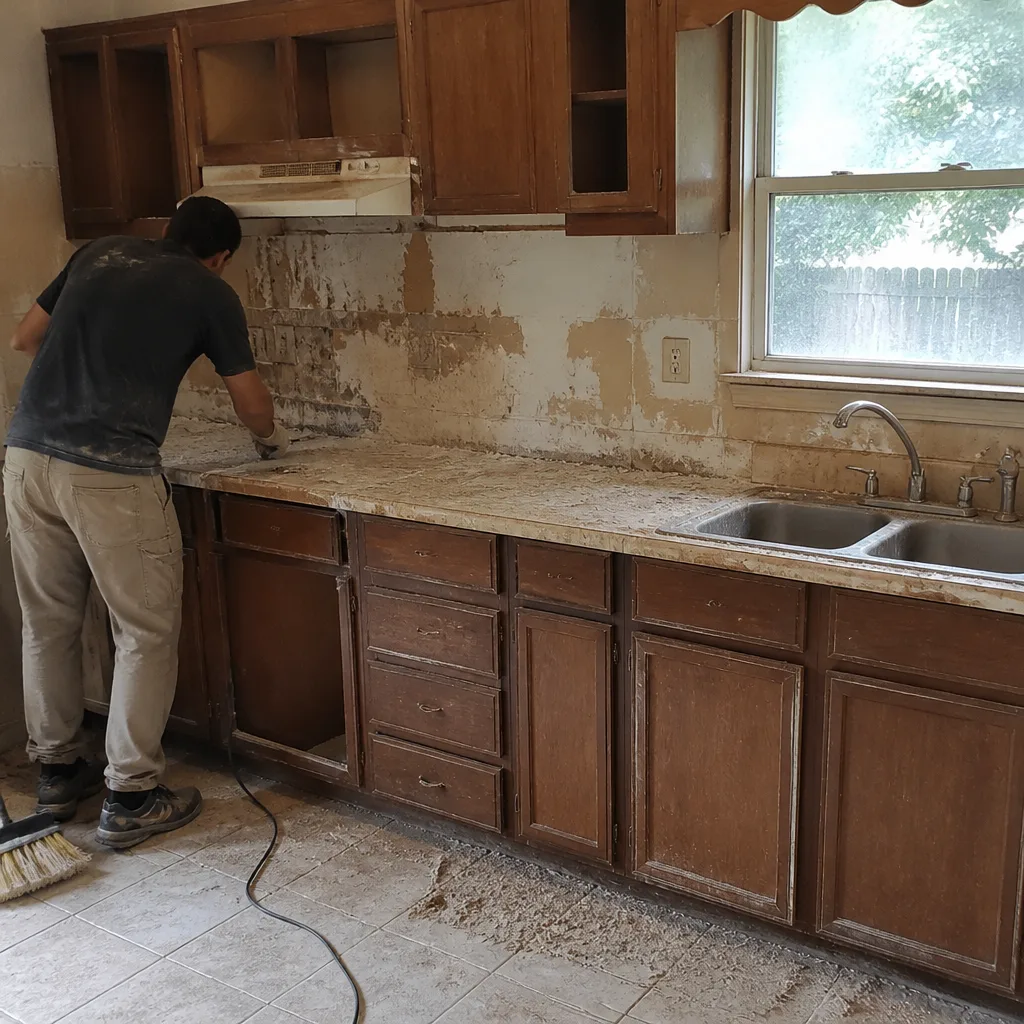 Before
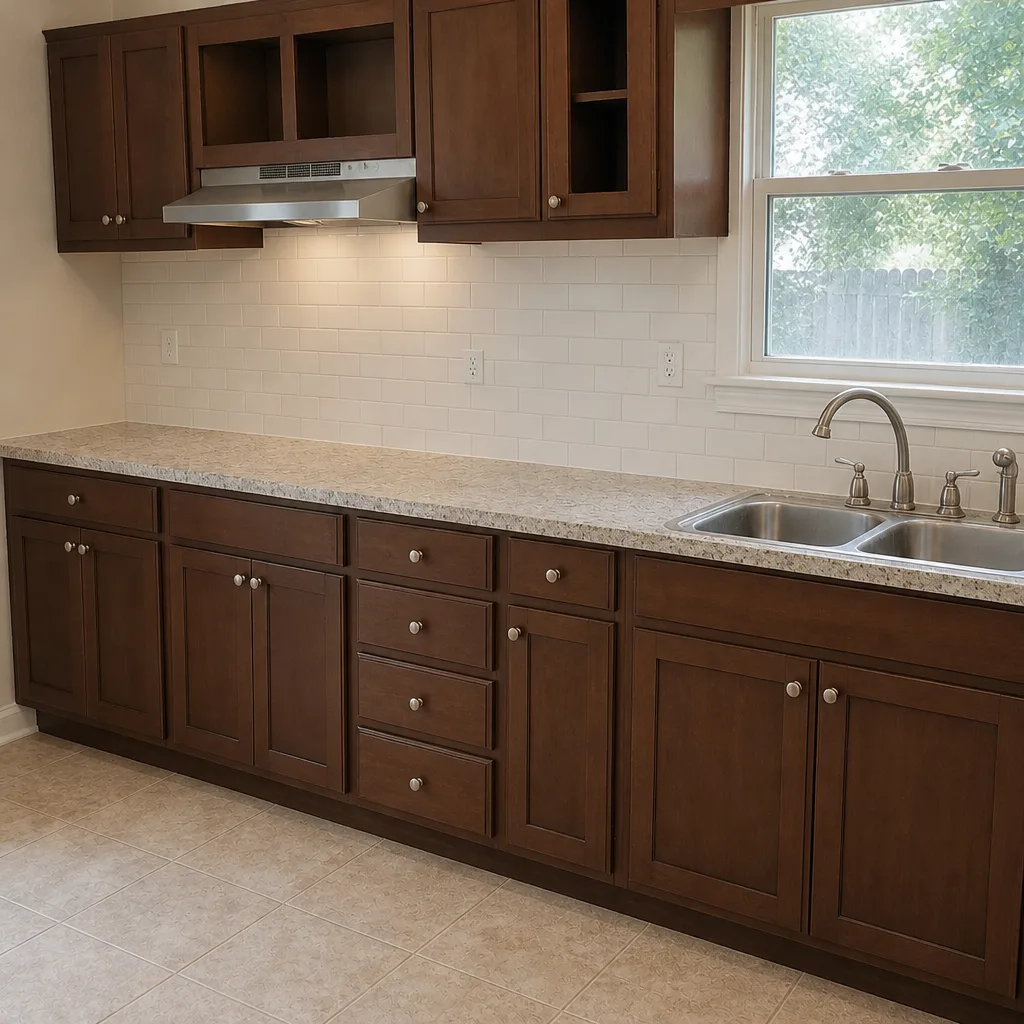 After
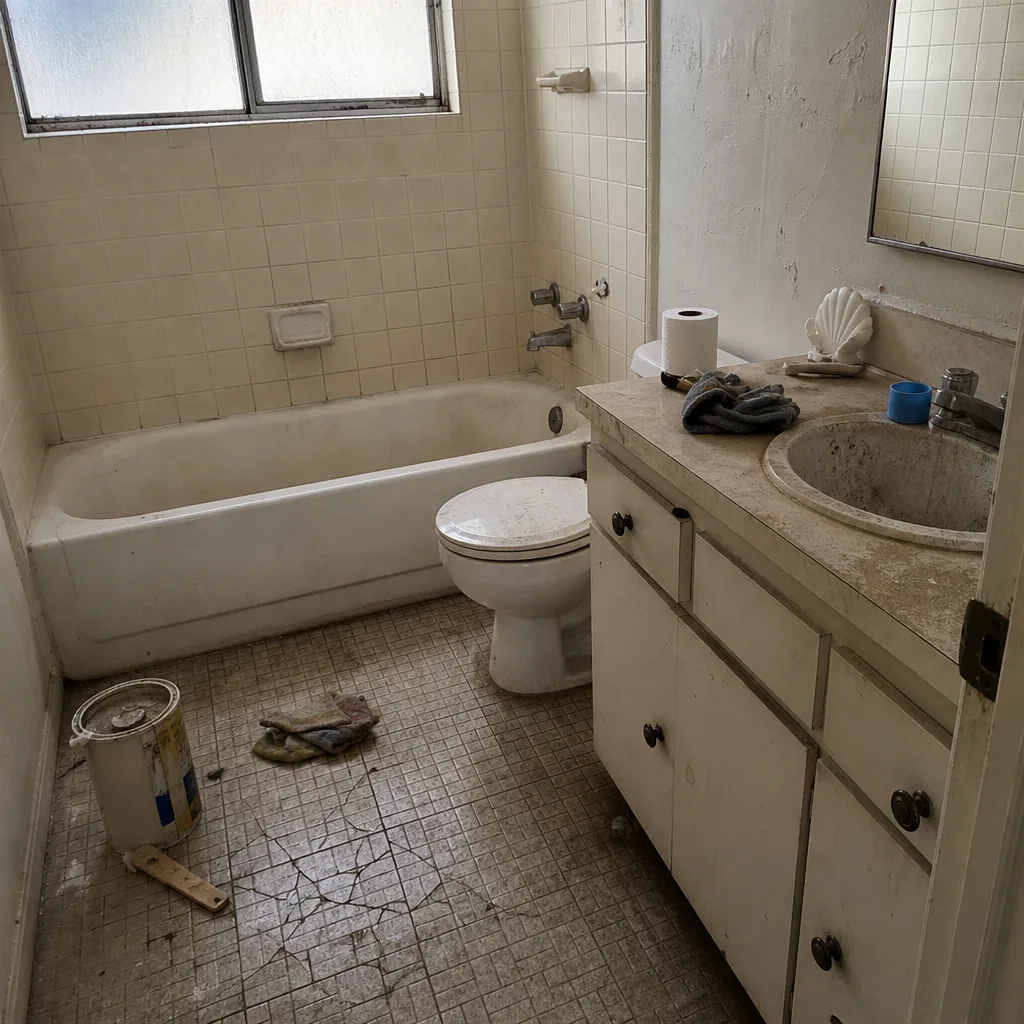 Before
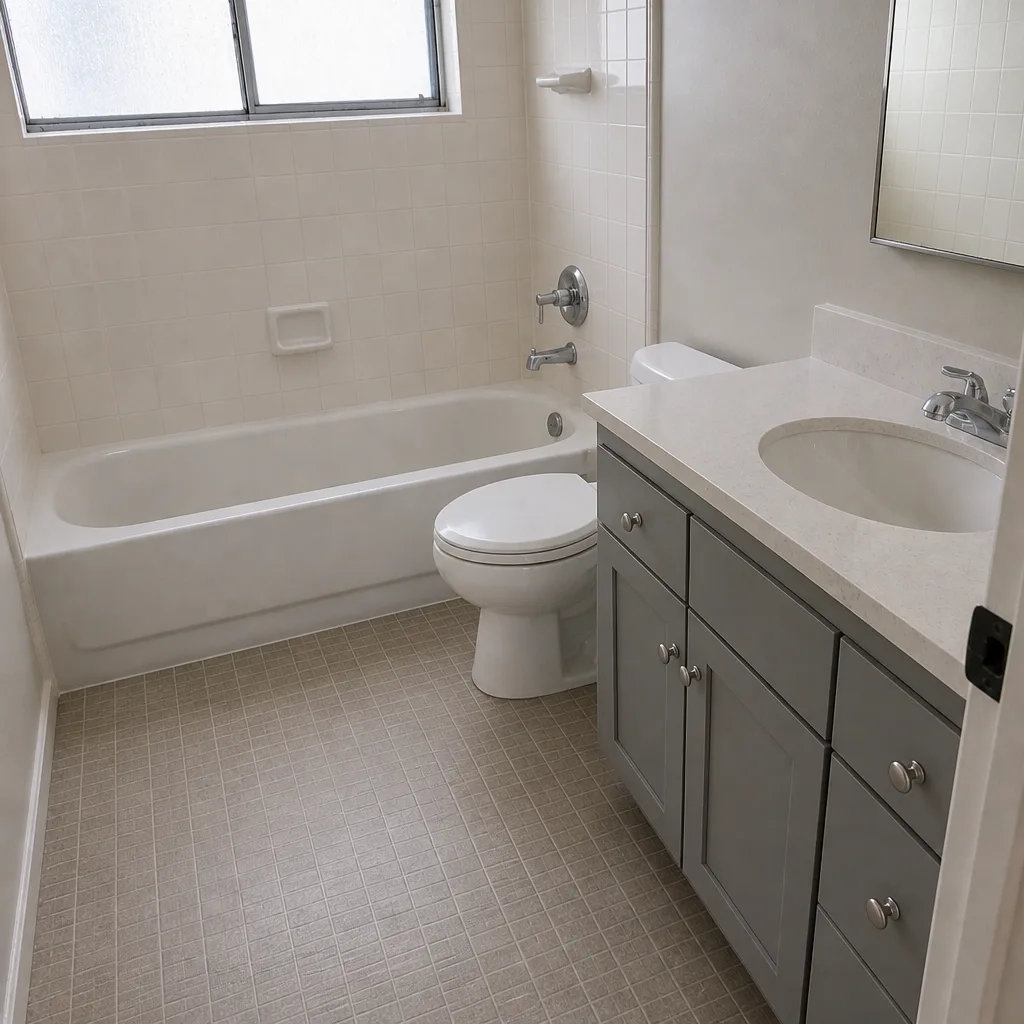 After
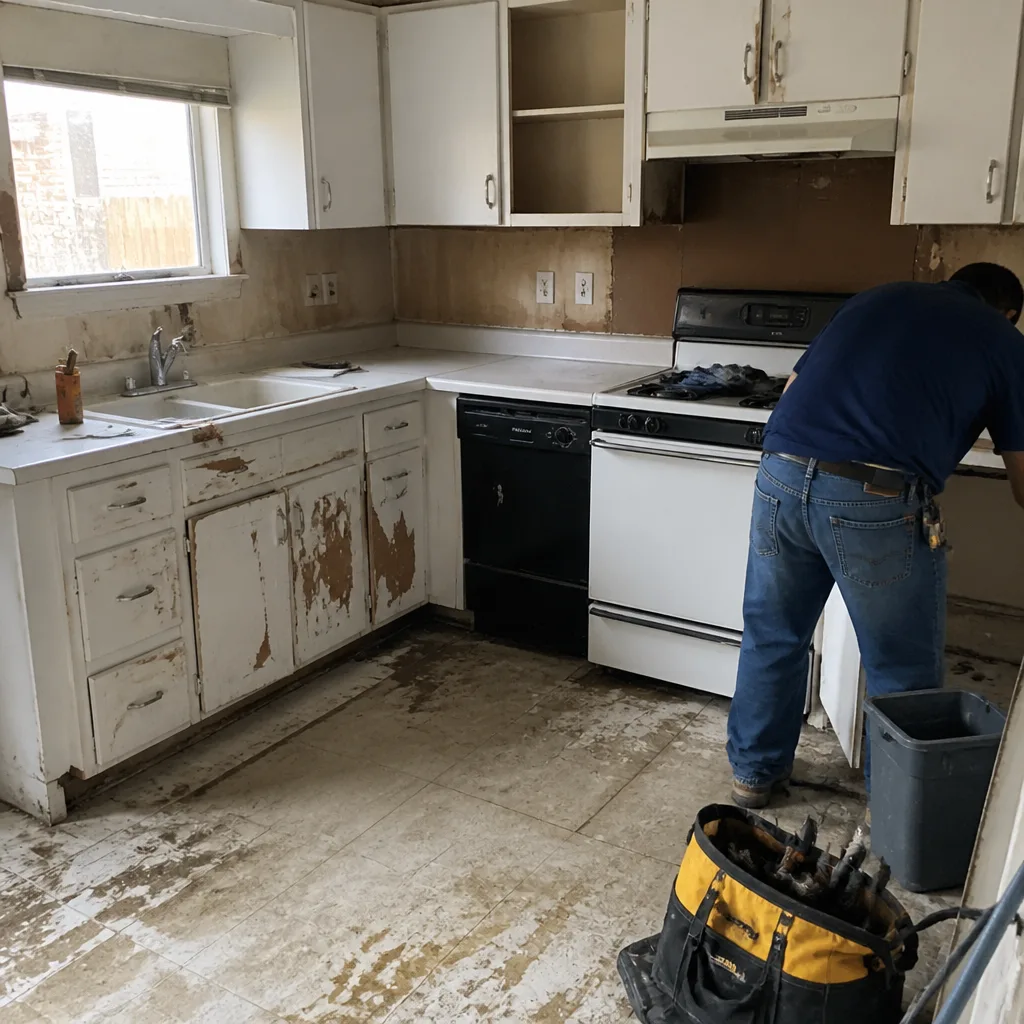 Before
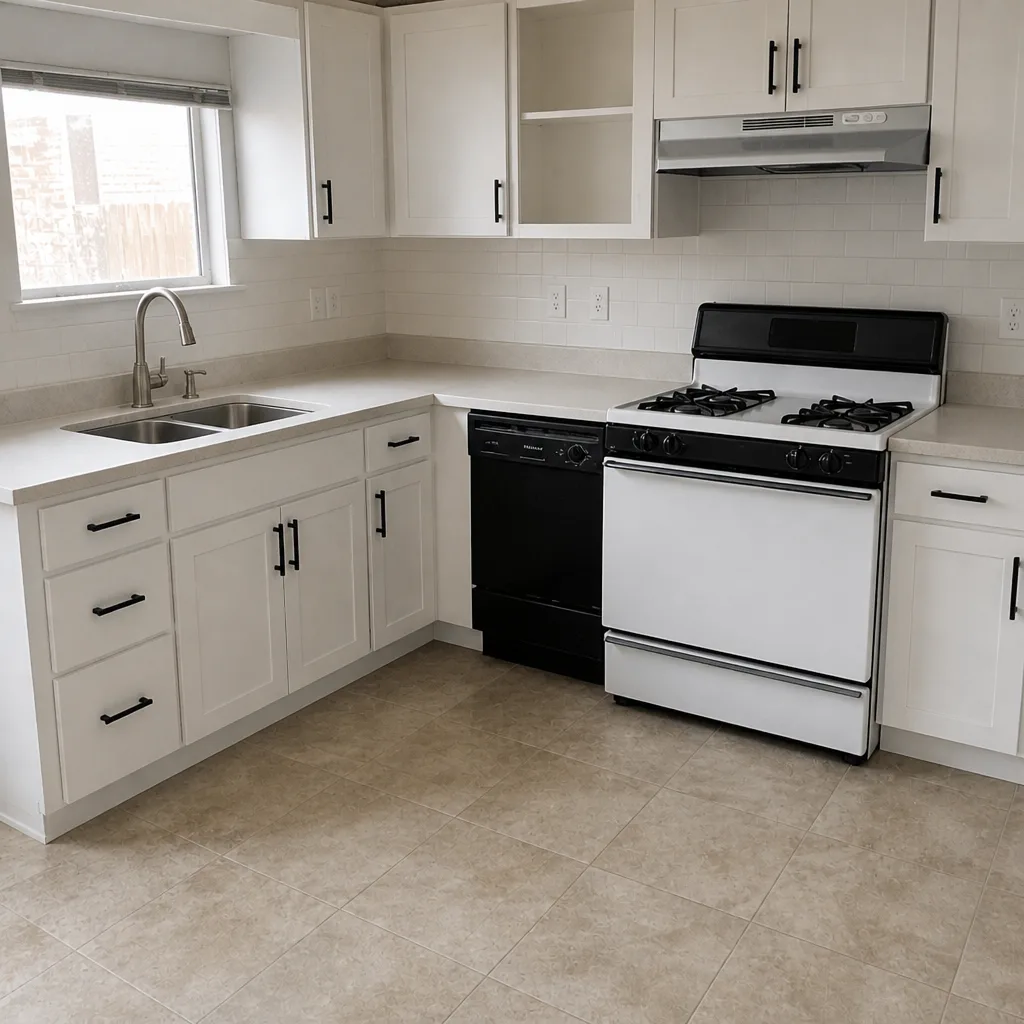 After
When to Call a Professional
Cosmetic grout lines at the corners and a squeaky fan are homeowner projects. The problems below are not. Call us if any of the following is true:
- The tile sounds hollow when tapped, or the grout crumbles when you touch it.
- You have any moisture reading above 18 percent behind a shower or tub wall.
- Your shower pan loses water during a 24-hour flood test.
- A bath fan is venting into the attic, or the fan won’t hold a square of tissue.
- A previous contractor has stopped responding to a written defect notice.
Barrett & Sons Construction Plano offers free estimates in Plano and the surrounding communities. Call (877) 382-4108 and a live person answers, 24 hours a day. If you already have a written estimate from another contractor, our Free Second Opinion offer is there to use, and there’s no trip charge inside the county.
Frequently Asked Questions
Diagnostics and minor corrections (resealing corners, replacing a fan, a moisture inspection) typically run a few hundred dollars. A shower pan rebuild with new waterproofing and tile runs substantially more because it’s essentially a partial rebuild. Full bath re-tile with correct waterproofing lands in the mid five figures depending on size and finish level. Call (877) 382-4108 for an exact quote. Estimates are free, and we issue written change orders before any scope change.
If your contract includes a written workmanship warranty, a pan leak caused by installation error is typically covered. Read the warranty language before you call, and put your request in writing. We back every eligible job with our 90-Day Done Right Promise in writing, so if it’s not right, one call brings us back.
No. Regrouting a moving or wet substrate hides the problem for a few months and adds cost to the real fix. If the tile is hollow or the pan leaks, the waterproofing needs to be rebuilt, and grout is the last step after that.
Go into the attic and find the fan’s duct. If it ends in the insulation or at a ceiling plate with no exterior cap, it’s venting into the attic. In Plano, that’s a common remodel defect and a real moisture problem. Fixing it means rerouting the duct to a proper roof or wall cap.
Yes. A bathroom remodel that moves fixtures, changes plumbing, or replaces a shower pan requires a permit and inspections in Plano and most of Collin County. The inspector checks waterproofing and rough plumbing before tile goes down, which is exactly when you want a second set of eyes.
Plug the drain and flood the pan, then check the level after 24 hours. If the water drops, the leak is in the liner. If the level holds, check the drain body and the trap. From there, the fix is a pan rebuild, not a patch. Call (877) 382-4108 for a free estimate on the repair.
The Bottom Line
Bathroom remodel defects are predictable, and the ones that cost the most hide behind a surface that looks fine. Cracked grout is a symptom; hollow tile and a failed flood test are the disease. Test the pan, test the fan, check the attic vent line, and put every remedy request in writing with a deadline. When you do call someone, look for a contractor who pulls permits, hands you a written scope, and shows up years later if it’s wrong. If you’re in Plano and want a second set of eyes on the problem, call (877) 382-4108 for a free estimate. A live person answers around the clock, and Tom or one of his sons will be the one at your door.
Written by the team at Barrett & Sons Construction Plano.