Last updated November 18, 2026



Free written scope consultation - allowances, timeline, and change-order rules on paper before a single trade is scheduled
DIY vs Professional Construction: The Plano Homeowner’s Decision Guide
Texas law lets you pull your own permits and do your own work on the home you live in. That’s a real freedom, and plenty of Plano homeowners use it well. But the same law means that when a DIY project fails an inspection or damages the house, there’s no licensed contractor’s bond standing between you and the full bill. The question worth asking isn’t whether you’re handy. It’s whether the specific task requires a licensed contractor by law, voids a material warranty when a homeowner does it, or carries a failure you can’t absorb. This guide walks that line project by project, with Plano’s rules, market, and climate in view.
Quick Answer
In Plano, cosmetic and non-structural work like painting, tile, basic fence repair, and landscaping is generally fine to do yourself, while anything structural, electrical, plumbing, or gas-related needs a licensed professional and a permit. The deciding factors are three: does Texas or Plano law require a license, does the material warranty void if a homeowner installs it, and can you afford the consequence if it fails. When any answer is yes, hire it out.
Styles & brands we work with
- Kitchen remodeling
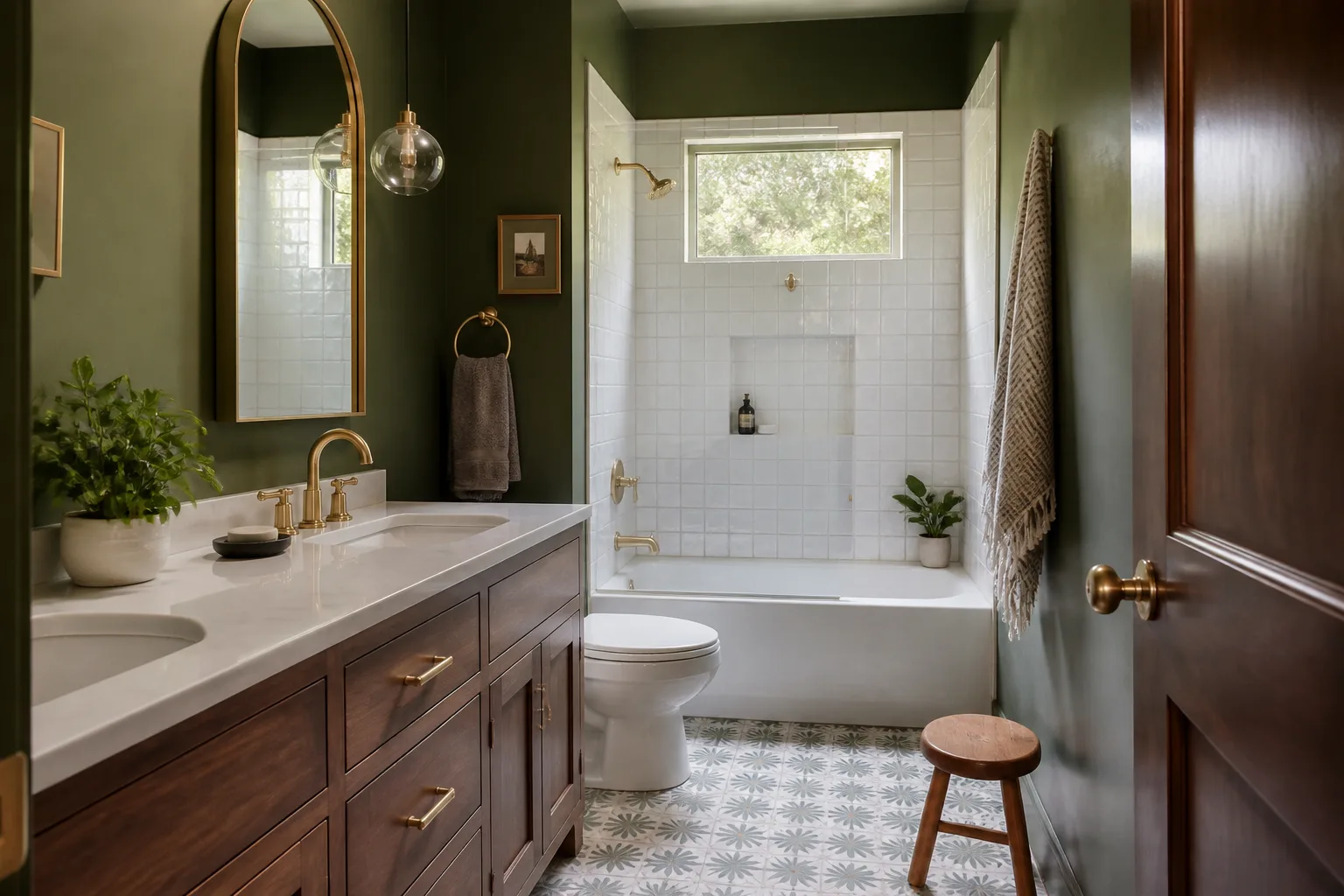
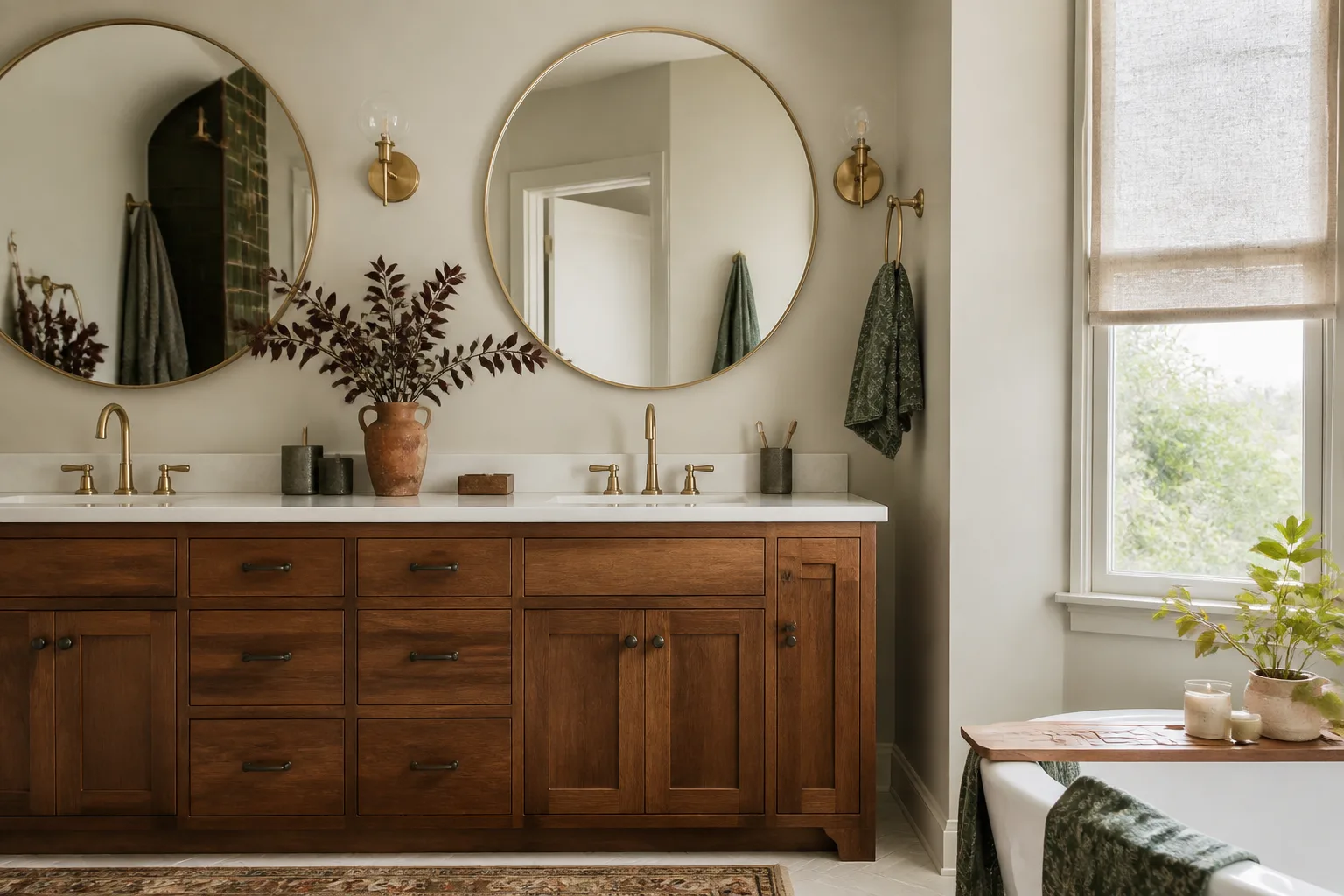
- Bathroom remodeling
- Home additions & ADU
- Roofing
- Windows & doors
- Driveway & pavers
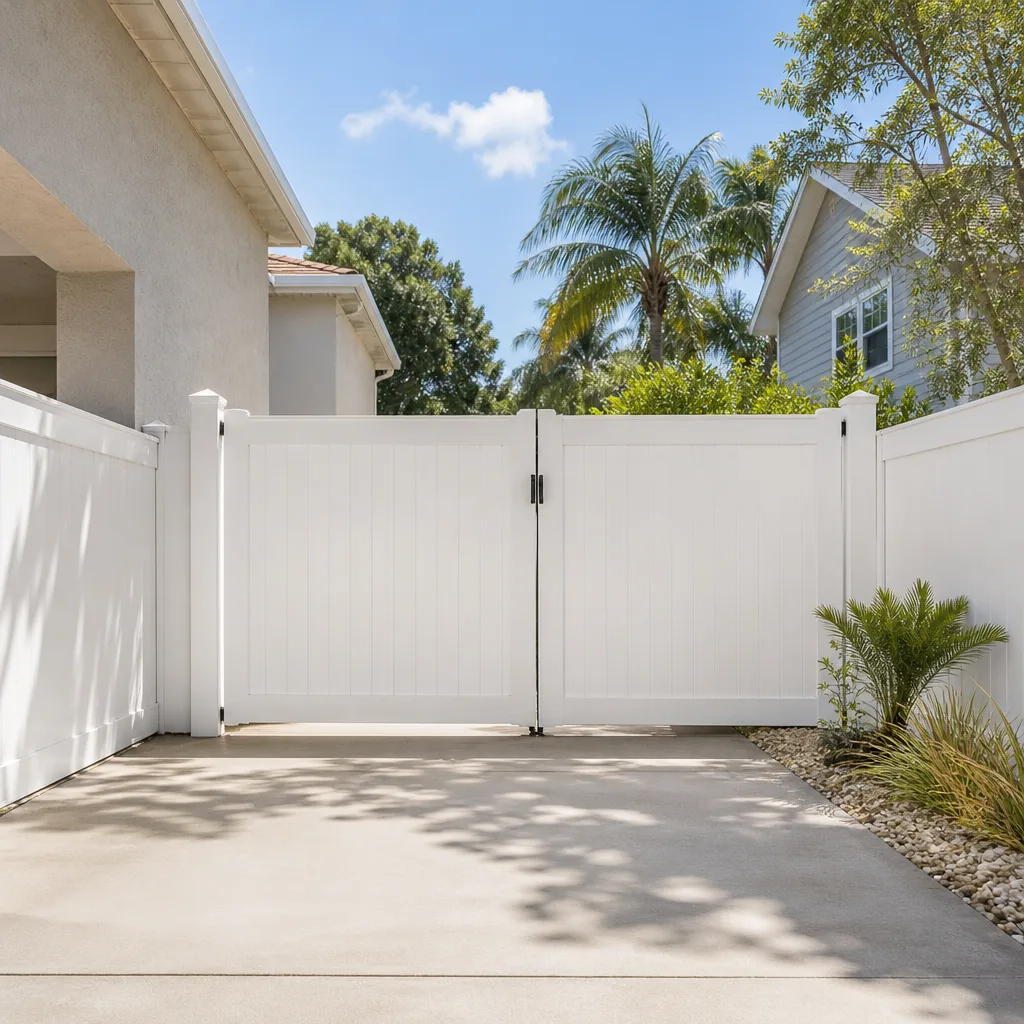
- Fence
Table of Contents
- What Texas Law Actually Requires You to Hire Out in Plano
- Which DIY Projects Void Your Material Warranties
- The Real Time-Cost Math in Plano’s Market
- Liability and Seller Disclosure When You Plan to Sell
- The Hybrid Model: Doing the Work, Hiring the Oversight
- A Project-by-Project Breakdown for Plano Homes
- Common Mistakes to Avoid
- Frequently Asked Questions
What Texas Law Actually Requires You to Hire Out in Plano
Texas doesn’t license general contractors statewide, but that doesn’t mean anything goes. Several trades carry their own licensing rules, and Plano enforces local permitting on top of them. Here’s the plain version of what you can and can’t legally do yourself on your primary residence.
You can generally do yourself (with a permit where required):
- Interior and exterior painting
- Cosmetic updates: flooring, tile, trim, cabinet refacing
- Fence repair and replacement (check Plano’s height and setback rules first)
- Basic landscaping and planting
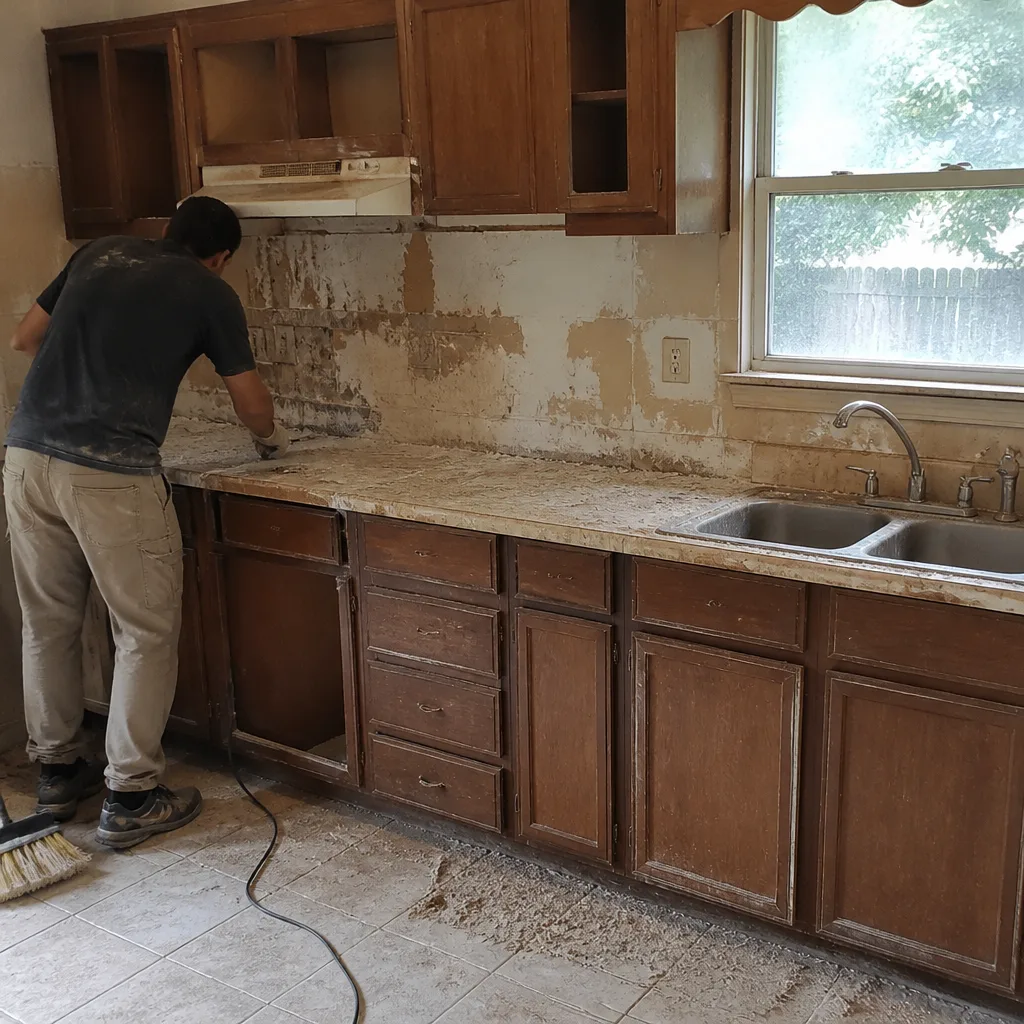
- Non-structural demolition
Requires a licensed trade professional:
- Electrical work beyond swapping a fixture or an outlet
- Plumbing changes, including water heater replacement and any gas line
- HVAC installation and refrigerant work
- Structural changes, additions, and anything that moves a load-bearing wall
- Roof replacement on many homes, where the county or insurer requires a licensed roofer
All electrical and plumbing work needs a permit and an inspection in Plano. Those trades are where the DIY-vs-hire question makes itself. A bad paint job is a do-over. A bad gas connection is a different category of problem entirely, which is why gas line work should always go to a licensed professional, full stop.
Which DIY Projects Void Your Material Warranties
This is the cost that never shows up until something fails. Premium materials come with manufacturer warranties, and most of those warranties require installation by a licensed or manufacturer-certified installer to stay valid.
Walk through the trades we work in and the pattern is clear:
- Roofing: GAF and CertainTeed shingle warranties are tied to proper installation, and GAF’s strongest coverage requires a certified contractor. A homeowner-installed roof often drops to the base material warranty, which is far shorter.
- Windows: Andersen and Marvin warranty terms lean on professional installation. A window you buy and set yourself may still have a glass warranty, but the water-infiltration and seal coverage can be reduced or gone.
- Kitchens: KraftMaid cabinetry and Cambria quartz surfaces both attach conditions to installation. Cambria in particular expects a certified fabricator to measure, cut, and set the stone. A homeowner-cut countertop can void the warranty on the whole slab.
- Hardscapes: Belgard and Techo-Bloc pavers carry finish warranties that assume correct base prep and installation. Cut corners on the base and the warranty doesn’t cover it.
Here’s how to check before you swing a hammer: read the warranty document, not the marketing sheet, and look for the words “professional installation required” or “licensed installer.” If they’re there, your DIY savings are really a bet against a future failure. A Plano hail season, which is hard on roofs and windows, is where that bet usually gets called.
The Real Time-Cost Math in Plano’s Market
DIY saves money when the task is small, low-risk, and something you’ll actually finish. It costs more when the redo work, the permit hassle, and your own hours outrun what a crew would have charged. Plano’s market has a few quirks that tilt the math.
Labor rates here are moderate and materials are easy to source, so a simple project rarely produces a big enough DIY saving to justify the risk. Small jobs like a single light fixture, interior paint in one room, or a fence board replacement are worth doing yourself. Larger jobs where the numbers flip:
- Roofs. Plano gets serious hailstorms, and roof work is height work. One fall or one missed nail line costs more than the labor you saved. This is a hire-it-out job every time.
- Bathrooms. Water damage is slow and expensive. A missed shower-pan slope shows up six months later as a rotted subfloor, and by then the DIY savings are long gone.
- Permitted structural work. The permit, the inspection, and the redo after a failed inspection add up fast.
- Anything on a deadline. If you need the kitchen back before the holidays, a crew that works five days a week will beat your evenings and weekends.
Rule of thumb: if the task is bigger than a weekend, involves a permit, or touches water or the roof, count the redo risk into the price. Often the honest number is closer than it looks.
Liability and Seller Disclosure When You Plan to Sell
Texas has a strong seller-disclosure culture, and it matters here. When you sell a home, you’re expected to disclose known defects and any work that didn’t get a permit. Work you did yourself without pulling a permit is work the buyer’s inspector will ask about, and a missing permit on record can stall a sale or cost you at the negotiating table.
If a future sale is anywhere in the picture, do three things:
- Pull the permit on any job that requires one, even if you’re doing the work yourself. Plano lets a homeowner permit their own primary residence, and the inspection record becomes proof the work was done right.
- Keep receipts for materials and a short record of what you did and when. A paper trail is worth real money at closing.
- Have a licensed professional inspect and sign off on your work before you list. We’ve seen this save a sale more than once.
Seller disclosure questions in Texas can send a deal sideways. The homeowner who can hand a buyer a clean permit history and an inspection record sleeps better than the one explaining a basement conversion nobody signed off on.
The Hybrid Model: Doing the Work, Hiring the Oversight
Most DIY-vs-hire guides treat it as all or nothing. It doesn’t have to be. You can do the physical work and hire a licensed professional for the parts that carry the most consequence. This is the model that quietly works well for Plano homeowners who are capable but cautious.
How it looks in practice:
- You handle the demolition, the clean-up, and the material runs.
- A licensed electrician does the rough-in and the final connections, and signs the permit.
- A licensed plumber handles anything with water or gas.
- A professional inspects your framing, your tile substrate, or your fence footing before you cover it up.
The savings are real because you’re paying for expertise, not labor hours. You take on the parts you’re confident about and hand off the parts where a mistake gets expensive. It works best when you plan the interface points in advance: know exactly who does what, and get it in writing. This is also where a written second opinion on the plan is worth the time. Our team offers a free second opinion on any written estimate, which is a good way to sanity-check a hybrid plan before you start.
For anything that touches the structure or the systems, that oversight isn’t optional. Even so, it’s often a fraction of the price of a full build.
A Project-by-Project Breakdown for Plano Homes
Here’s the fast reference. Match your project to the row and the call is usually clear.
Do-it-yourself friendly
- Interior painting, trim, and caulk
- Tile backsplash and cosmetic flooring
- Fence board and gate repair
- Beds, borders, and low hardscape cleanup
Hire it out
- Roof replacement (height, hail, and warranty all point to a pro)
- Any electrical or plumbing beyond a fixture swap
- Bathroom remodeling with a shower pan or new plumbing
- Windows and doors, where water intrusion and warranty coverage matter
- Driveways and paver patios, where base prep decides whether it lasts
- Additions and ADUs, where permits, inspections, and structure converge
When a job lands in that second list, our crews pull the permits and sign the inspections on every eligible job. That’s not a small point. The permit inspector works for you, not for us, and a signed inspection is a paper record your insurer and your future buyer can both read. If you’re weighing a driveway or patio project, our page on Driveway & Pavers in Plano walks through the base-prep decision that separates a driveway that lasts from one that settles in a year.
Common Mistakes to Avoid
- Skipping the permit to save time. Plano’s inspections exist to catch what you can’t see once the drywall is up. Skipping one leaves a gap the next buyer will find.
- Assuming the warranty covers your own install. Read the fine print before you buy the material. A GAF roof or a Cambria countertop may not be covered if a homeowner installed it.
- Underestimating Plano hail on roofs and windows. A cheap DIY repair can become a full replacement after the next storm, and the insurer may ask who did the work.
- Treating gas and electrical like a weekend project. These are the two trades where a mistake is dangerous, not just expensive. Hire the licensed pro and don’t think twice.
- Ignoring the redo math. If there’s even a modest chance you’ll have to tear it out and pay twice, the DIY saving shrinks to nothing.
- Not documenting your own work. Keep the permit record, the receipts, and photos. It’s the difference between a clean disclosure and a deal that stalls.
- Choosing the cheap bid after deciding to hire. The lowest quote that skips the permit is often the one that costs the most later. Ask whether permits are pulled before you sign anything.
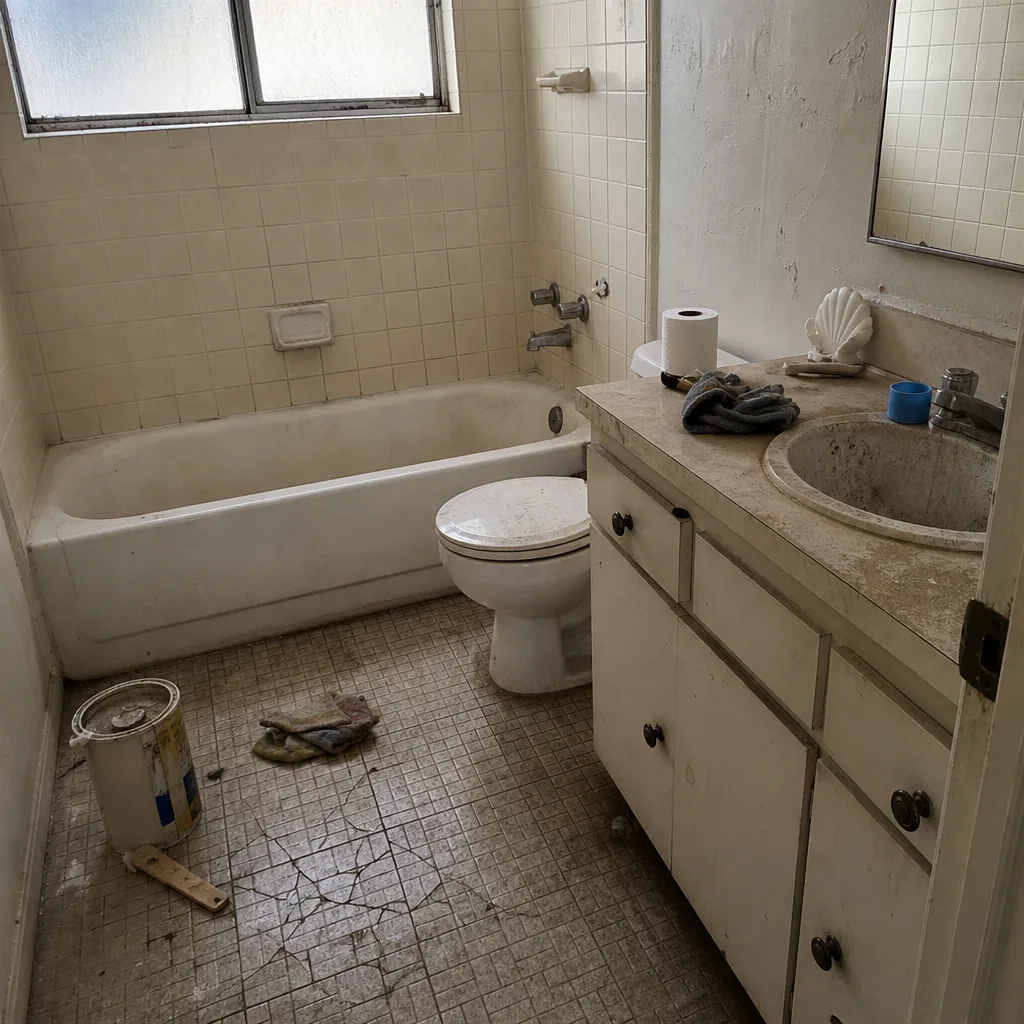
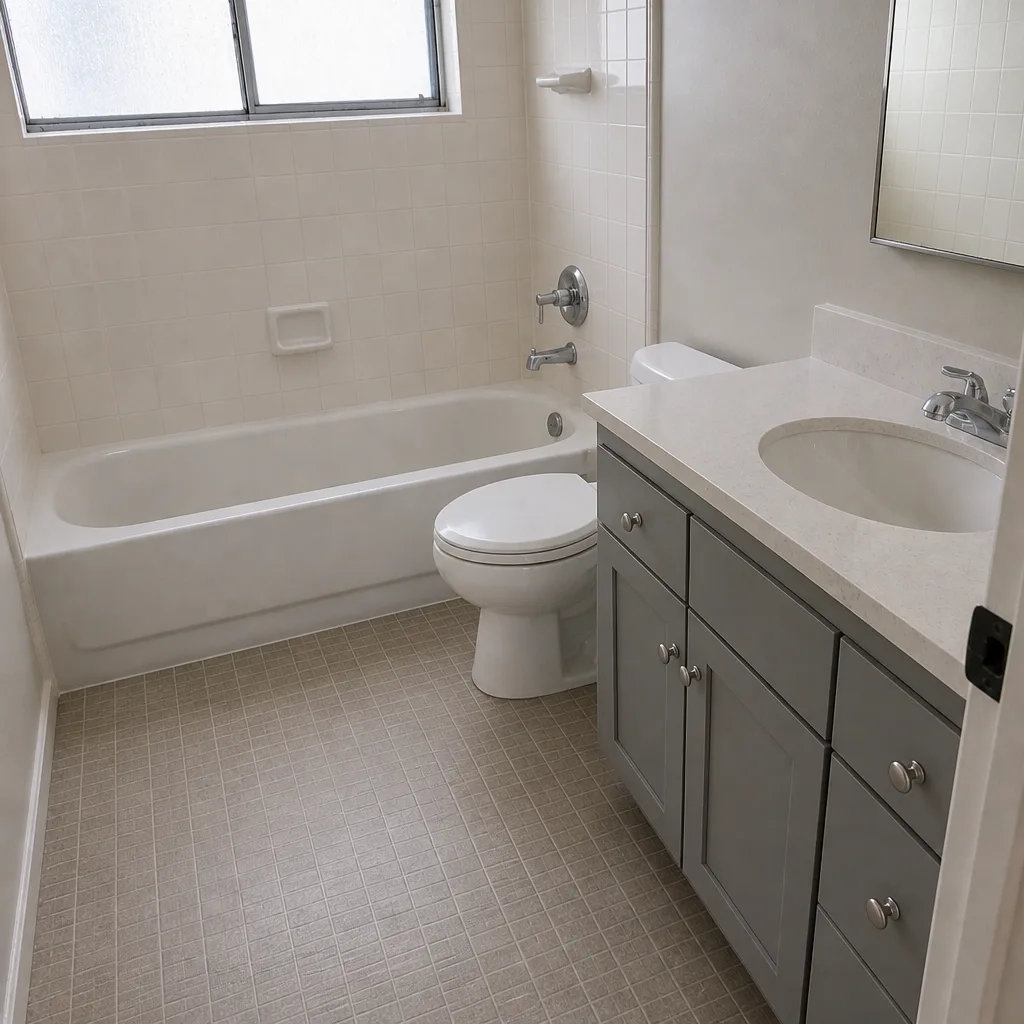
See the difference
 Before
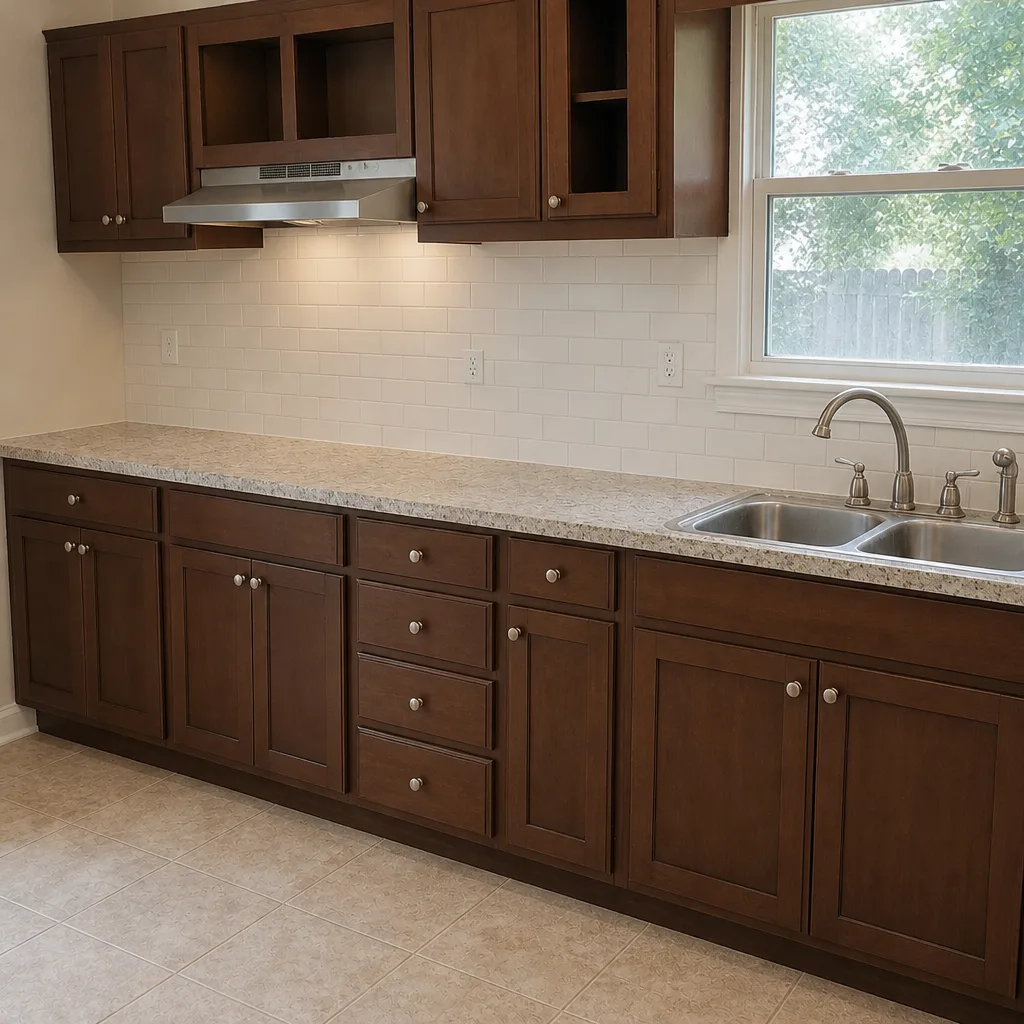 After
 Before
 After
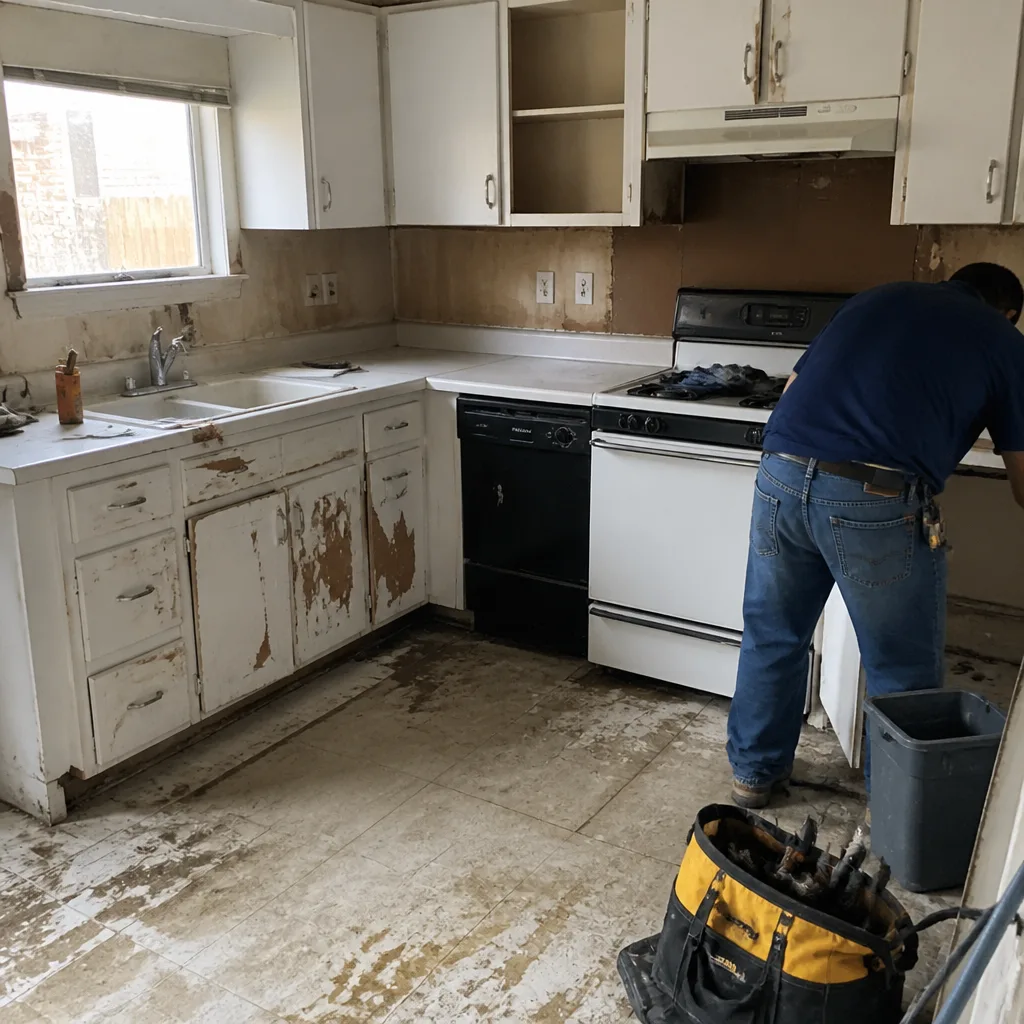 Before
 After
When to Call a Professional

Call a professional the moment any of these is true: the job is structural or changes the footprint, it touches electrical, plumbing, or gas, it’s a roof or a window on the second floor, it carries a premium-material warranty you want to keep, or you plan to sell within a few years. Those are the cases where the failure cost dwarfs the labor you’d save. For everything else, the hybrid model is worth considering: you take the work you’re confident in, and a professional takes the parts that carry the consequence.
Barrett & Sons Construction Plano offers free estimates in Plano – call (877) 382-4108. We write the scope, the allowances, and any change order on paper before work begins, and every eligible job gets the permits pulled and the inspections signed. If you’re still mapping out a plan, our overview of Barrett & Sons Construction Plano and our guide to Fence Installation in Plano are good places to start.
Frequently Asked Questions
Yes, for most work that changes the structure or the systems. Texas lets a homeowner pull their own permit and do their own work on their primary residence, but Plano still requires a permit and inspection for electrical, plumbing, structural, and HVAC work. Pulling the permit is what keeps the work on record and protects a future sale.
You legally can on your primary residence, but it’s rarely worth it. Roofing is height work, Plano hailstorms stress every roof, and both GAF and CertainTeed attach their strongest warranties to certified installation. One fall or one missed detail costs more than the labor you saved. Call (877) 382-4108 for a free estimate instead.
Installing premium materials yourself can void or reduce the warranty on roofs, windows, and quartz countertops. GAF, CertainTeed, Andersen, Marvin, KraftMaid, and Cambria all tie coverage to professional installation in different ways. Read the warranty document and look for “professional installation required” before you buy.
Yes. Texas sellers are expected to disclose known defects and unpermitted work, and a missing permit on record can slow a sale or cost you at closing. Keeping permits, receipts, and photos on any DIY work protects you when you list. A licensed inspection before you sell can catch problems early.
The hybrid model means you do the physical work and hire a professional for the risky parts, like electrical rough-in, plumbing, or a structural inspection. It saves real money because you pay for expertise rather than labor hours, and it keeps the parts that matter most in licensed hands. It works best when the split is planned and written down in advance.
Look up the license number, ask whether they pull permits, and get the scope in writing. A contractor who publishes a license number and address, pulls permits on every eligible job, and gives you a written change order before any price change is one you can verify. Our work is backed by a written 90-Day Done Right Promise, and Tom Barrett publishes his name, address, and license number so you can check before you sign.
Ready to talk through your project? Barrett & Sons Construction Plano pulls permits, writes the scope and change orders in writing, and stands behind every completed job with the 90-Day Done Right Promise. Call (877) 382-4108 to schedule your free estimate.
The Bottom Line
The right question isn’t whether you’re capable of doing the work yourself. It’s whether the task is legal to do without a license, whether your materials’ warranties survive a homeowner install, and whether you can absorb the failure if something goes wrong. In Plano, painting and small repairs are good DIY candidates. Roofs, electrical, plumbing, gas, structural work, and premium-material installs are where the math flips toward hiring a pro. The hybrid model – your labor on the parts you know, licensed oversight on the consequence-heavy parts – is the sweet spot most guides skip. When you’re ready to price a job, the estimate is free.
Written by the team at Barrett & Sons Construction Plano.