





Free written scope consultation - allowances, timeline, and change-order rules on paper before a single trade is scheduled
Styles & brands we work with
- Kitchen remodeling
- Bathroom remodeling
- Home additions & ADU
- Roofing
- Windows & doors
- Driveway & pavers
- Fence
See the difference
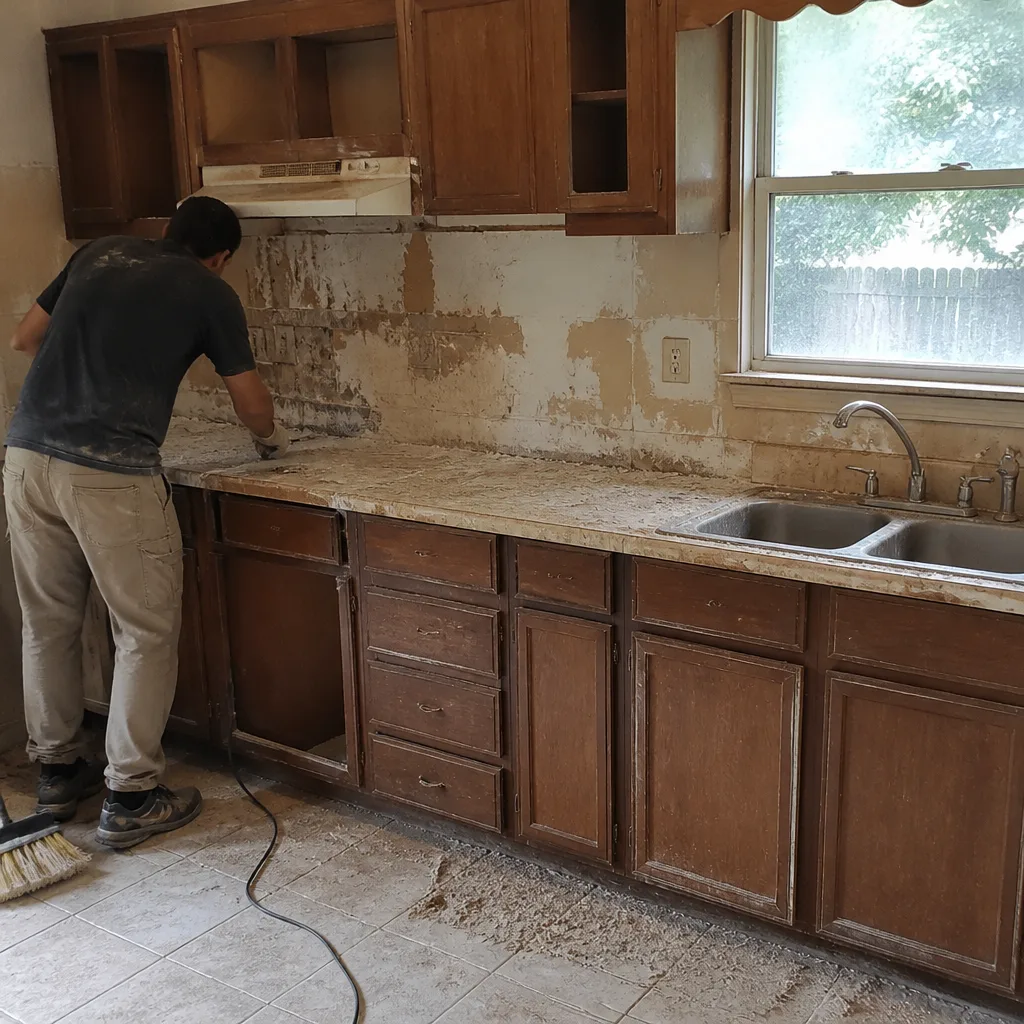 Before
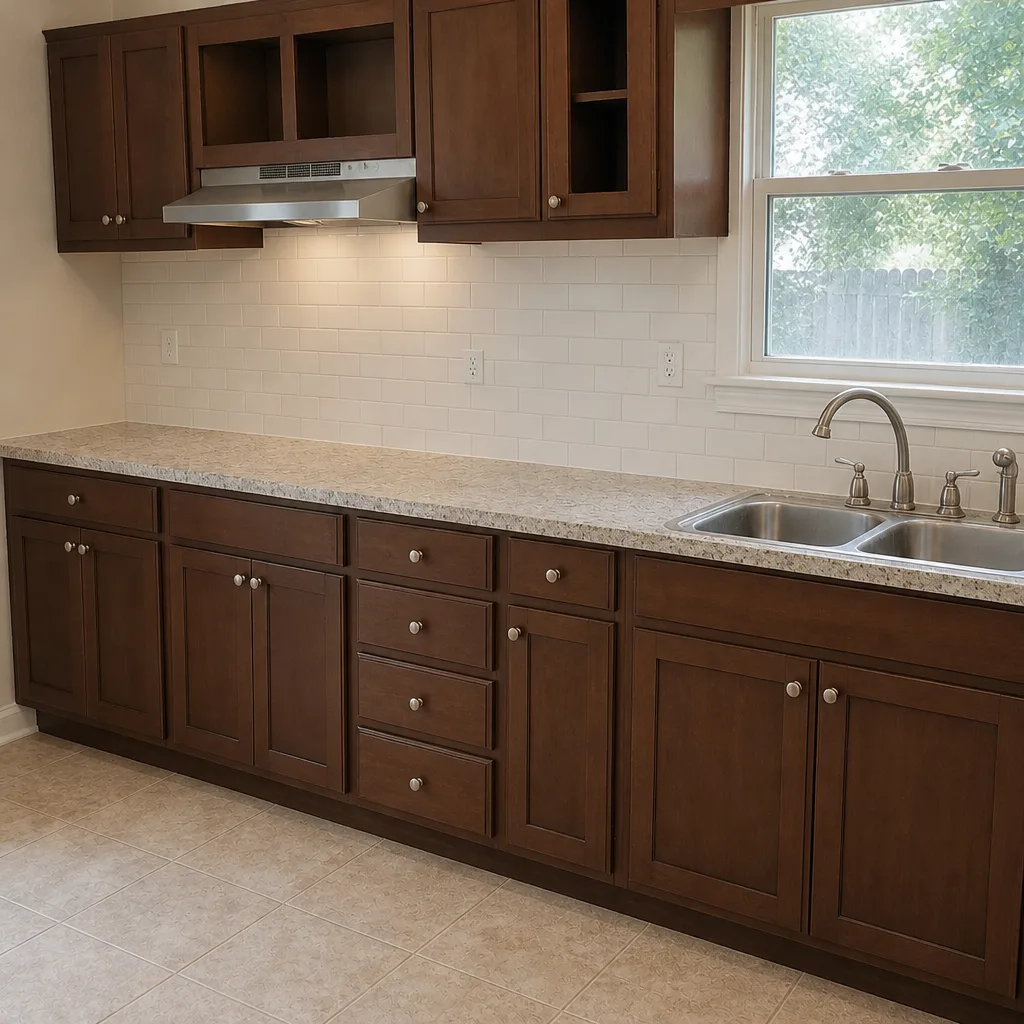 After
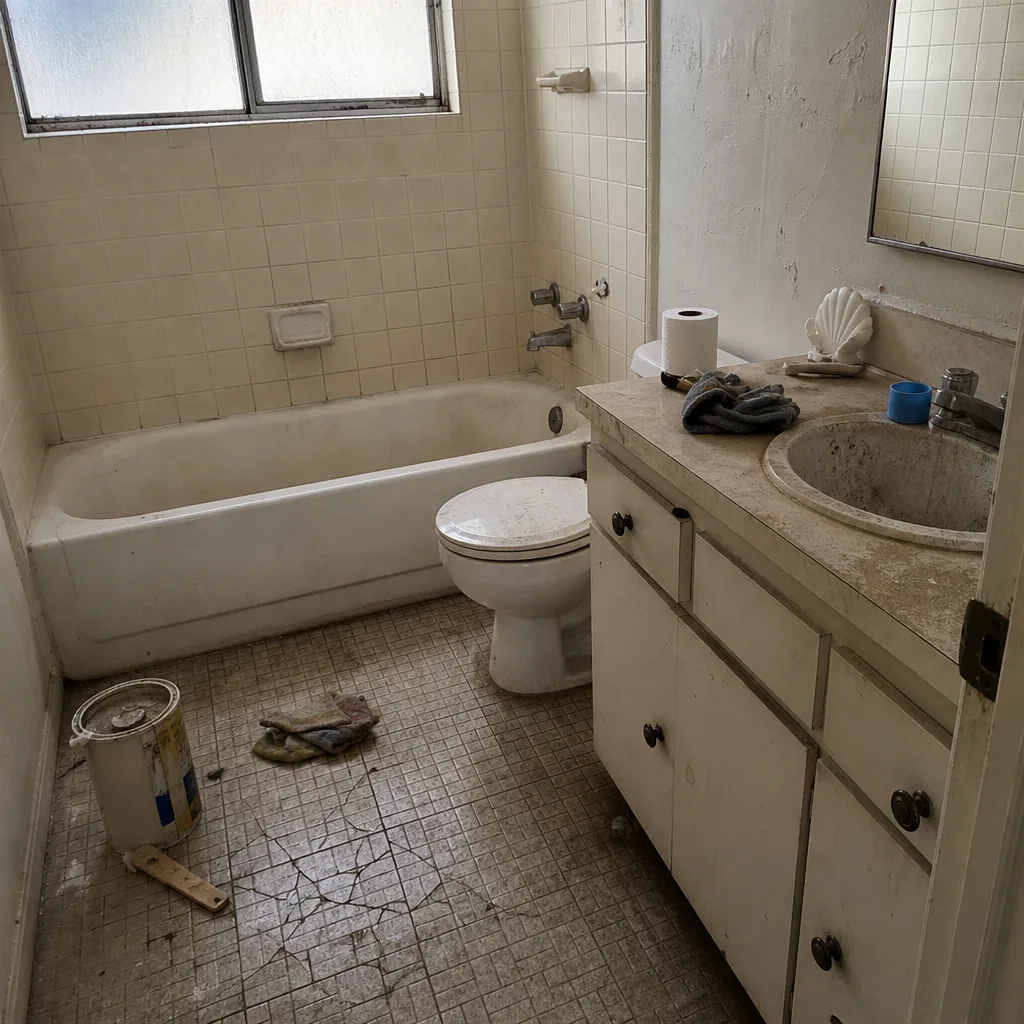 Before
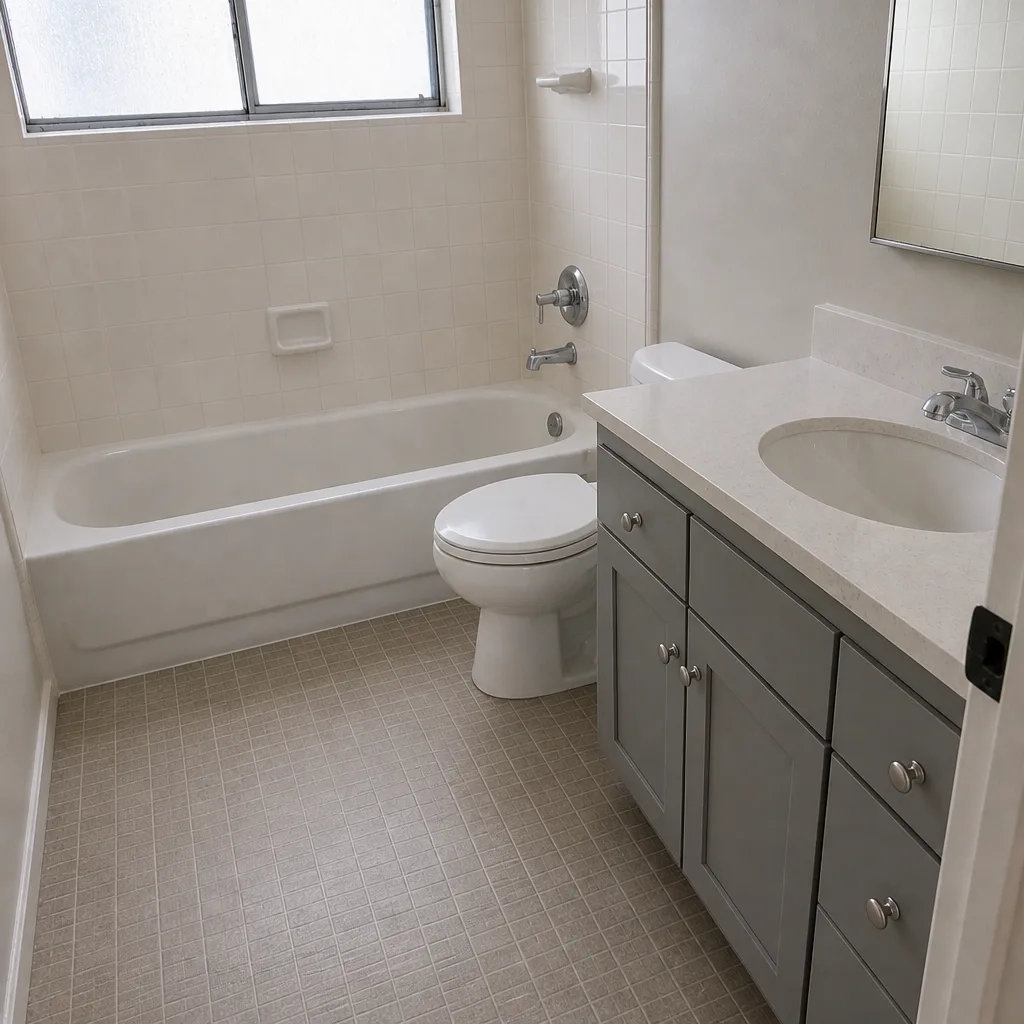 After
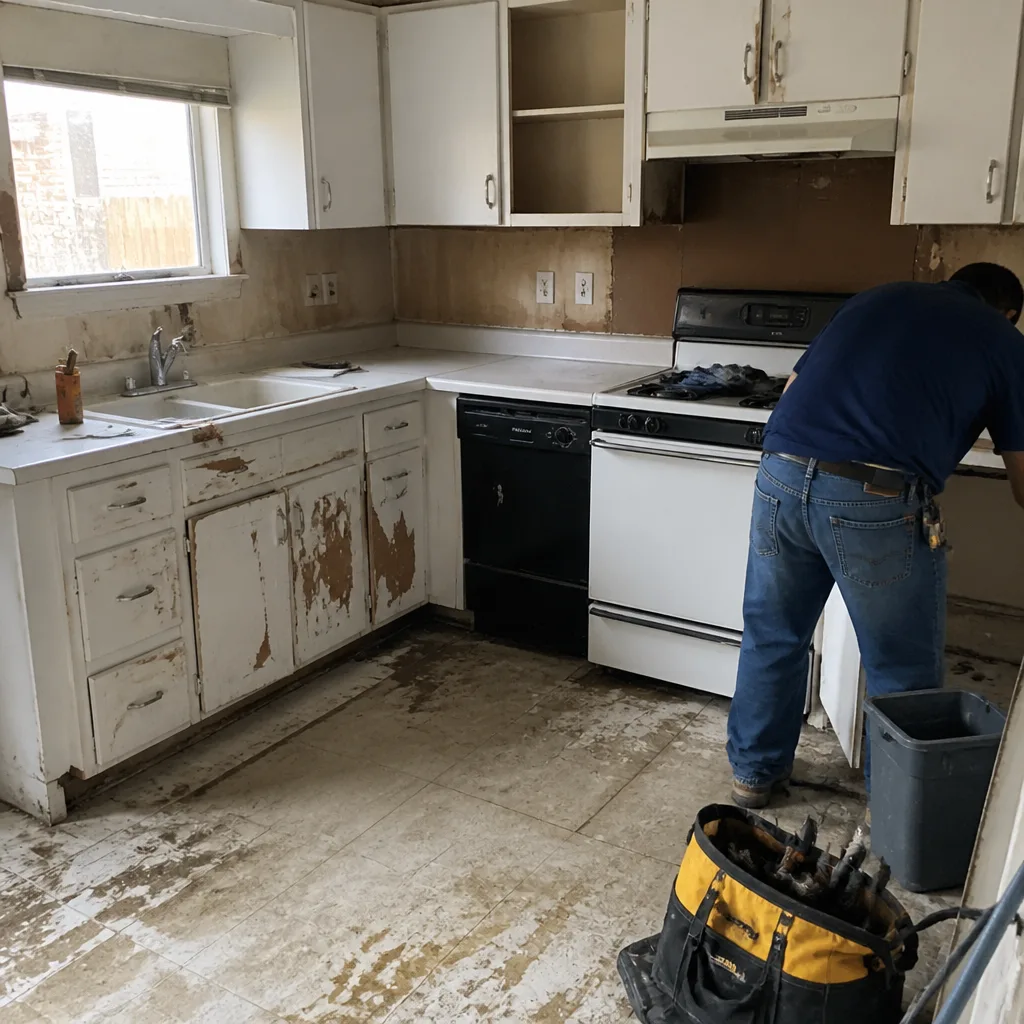 Before
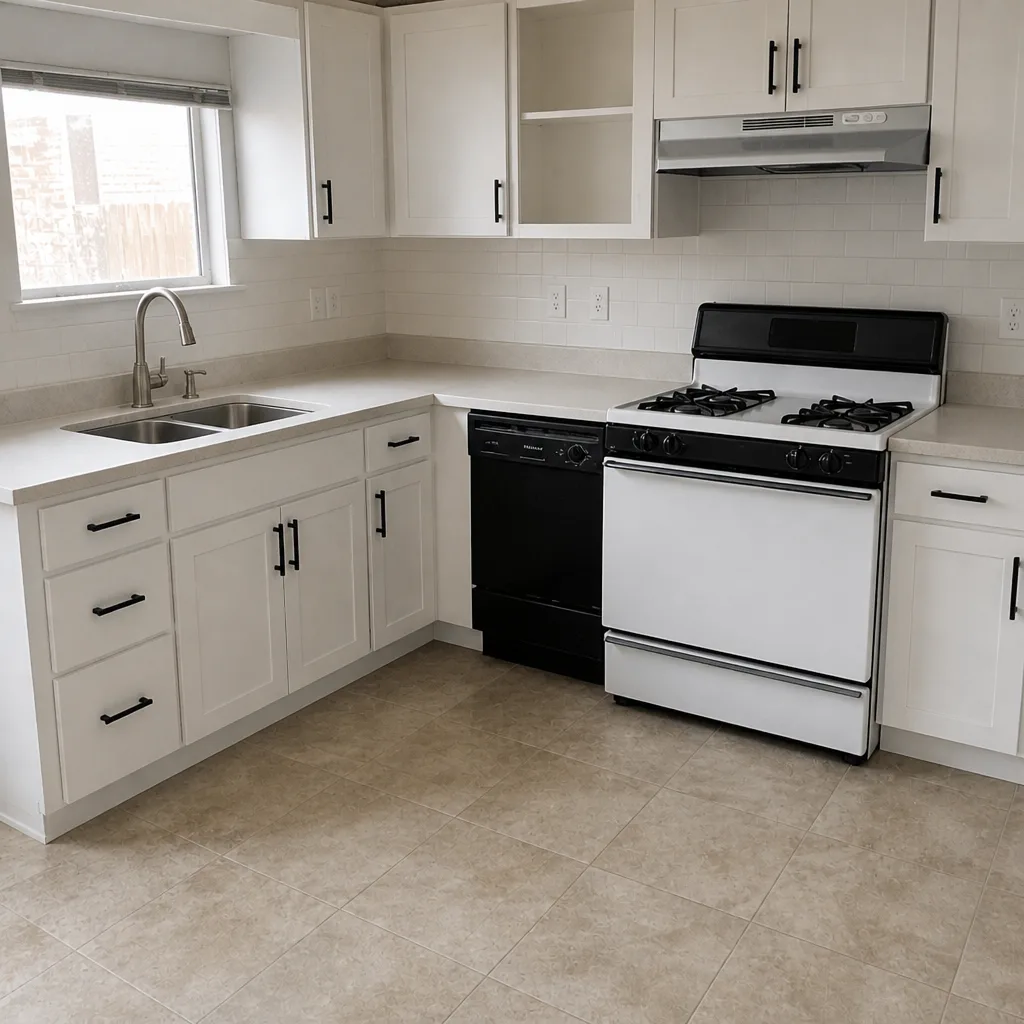 After
General Contractor vs Handyman in Plano, TX: Which One Actually Fits the Job?
Choose a licensed general contractor whenever the work touches structure, mechanical systems, or the building envelope – and in Plano that line gets crossed more often than homeowners expect. Choose a handyman for surface-level fixes that need no permit: a sticking cabinet door, a patch of caulk, a curtain rod. The tricky part is that in Plano, the cosmetic symptom and the structural cause are often the same job two years apart. If you’re not sure which side of the line you’re on, call Barrett & Sons Construction Plano at (877) 382-4108 and we’ll tell you straight, even if the answer is “you don’t need us for that.”
Key Takeaways
- In Texas, a licensed general contractor is required for jobs over $50,000 – but the more common trigger in Plano is any structural, electrical, or mechanical work, which needs a permit at any price.
- A handyman cannot pull a permit. If the job needs an inspection, it needs a GC.
- Plano’s expansive black clay moves slabs, and the resulting cracks and sticking doors get patched by handymen every week. The patch isn’t the problem. The undocumented cause is.
- Written change orders before work starts are the only real protection against the “quoted one price, billed another” pattern.

Why a Patched Crack in Plano Can Cost You at Resale
A handyman patched the cracks, re-hung the door, and re-caulked the gap. Two years later the structural engineer’s report showed the original cause was slab movement on expansive clay that no one documented or permitted. The patch held up fine. The liability didn’t.
That story plays out across Plano because of what the ground is made of. The black expansive clay under most of this city swells when it’s wet and shrinks when it’s dry, and North Texas swings between both extremes every year. The result is foundation movement that shows up first as cosmetic symptoms: drywall cracks above door frames, doors that won’t latch in July and close fine in January, floors that feel slightly off underfoot. Those are the exact calls a handyman gets, and they’re the exact calls where a surface fix can hide a bigger problem.
Here’s the part that catches people at closing: when you sell a Plano home, you disclose repairs you’ve made. An unpermitted structural patch with no paperwork behind it is a disclosure item a buyer’s inspector will find, and it can stall a sale or cost you negotiating room. A permitted job with a signed inspection is documentation. It tells the next owner – and their lender – that the work was done to code and checked by the city.
Plano’s housing stock makes this sharper. Most of the city is 1970s through 1990s single-family tract homes with slab-on-grade foundations and brick veneer, built out long before the western Legacy corridor filled in. These are mature homes now, and mature slabs on clay move. That’s why foundation work and roof replacement – the other bread-and-butter call, thanks to spring hail – dominate the construction calendar here. Contractors from sandy or rocky markets don’t see this pattern. We see it every week.
The Legal Line in Texas – and the Line That Actually Matters in Plano
Texas requires a licensed general contractor for residential work over $50,000. That’s the number most people quote. But it isn’t the threshold that matters most in Plano.
The threshold that matters is simpler: any work involving structure, electrical, or mechanical systems requires a permit regardless of cost. A $900 electrical panel swap needs a permit. A $1,200 load-bearing wall modification needs a permit. A handyman cannot pull one. Full stop. The permit isn’t red tape – it’s the inspection that puts a second set of trained eyes on the work before it’s buried behind drywall.
We like the inspector. The permit inspector works for you, not for the contractor. That’s the whole point.
Plano runs its own permitting and inspection process, and working inside it is a skill. Jobs submitted with the wrong drawings or the wrong scope come back with corrections, and corrections cost weeks. A GC who knows the process sequences the inspections correctly the first time.
What a GC Coordinates That a Handyman Can’t
- Subcontractor scheduling. An addition involves framing, electrical, plumbing, HVAC, drywall, and finish trades in a set order. Someone has to own that sequence.
- Inspection sequencing. Rough-in inspections happen before drywall, final inspections after. Miss a rough-in and you’re opening walls.
- Written change orders. Every scope change, every allowance adjustment, in writing before a nail moves. No surprise invoices at the end, because an allowance that isn’t on paper is a surprise waiting for a date.
- Warranty chains across trades. When one trade’s work meets another’s, someone has to stand behind the whole thing, not point fingers. Our 90-Day Done Right Promise is written on every contract: if something’s not right, one call brings us back.
When a Handyman Is the Right Call
Plenty of Plano jobs don’t need a GC, and hiring one for them wastes money. A handyman is the right choice for:
- Replacing a faucet, a toilet flapper, or a light fixture on an existing circuit
- Patching nail holes, touching up paint, re-caulking a tub
- Hanging shelves, mirrors, TV mounts, or a new front door hardware set
- Fixing a sticky cabinet hinge or a loose fence board
- Seasonal gutter cleaning and minor exterior trim touch-ups
What ties these together: no permit, no structural involvement, no building envelope. The moment a job crosses into structure, roofing, windows, or exterior walls, it belongs with a licensed contractor who pulls the permit.
Where the Jobs You’d Hand Off Actually Land
Plano homeowners most often think “handyman” on three jobs that need a GC. Here’s where each one really sits, with real pricing from the Plano market.
| Job | Typical Plano Range | Why It Needs a GC |
|---|---|---|
| Home addition | $45,000-$130,000 | Structure, permits, multi-trade sequencing; over the $50,000 licensed threshold on most projects |
| ADU construction | $90,000-$220,000 | Full permitted structure, separate utilities, inspections at every phase |
| Garage conversion | $30,000-$80,000 | Structural, electrical, insulation, and egress – all permit-triggering |
| Roof replacement | $8,000-$20,000 | Building envelope; hail-damaged roofs need permits and inspection in Plano |
| Window replacement (impact) | $8,000-$25,000 | Envelope and egress; impact rating matters for insurance |
| Kitchen remodel | $14,000-$45,000 | Electrical, plumbing, and sometimes wall movement all pull permits |
| Bathroom remodel | $9,000-$28,000 | Plumbing and electrical rough-ins need inspections before tile |
Every one of those tickets is a job where a handyman’s bid might come in lower – and where the difference is exactly the permit, the inspection, and the warranty. On the roof, that difference often shows up in the material. We install roofing using IKO and Atlas shingles, both of which carry manufacturer warranties that only hold when the installation is done by a licensed contractor and inspected. A handyman-nailed roof can void those warranties before the shingles are a year old. Same story on windows and doors, where proper flashing and envelope sealing decide whether the next hail storm gets in.
Why “Quote One Price, Bill Another” Happens – and How Change Orders Stop It
The reason a handyman’s estimate often looks cheaper than a GC’s is that it usually doesn’t include permits, inspections, disposal, or the materials that meet code. When those costs show up mid-job, the bill moves. That’s not dishonesty so much as how unpermitted work is priced – nobody planned for the parts that only surface when there’s a permit to satisfy.
A written change order fixes this by putting every scope change, every allowance adjustment, and every price change on paper before work proceeds. Our contracts spell out the scope and the allowances line by line. If the subfloor under a bathroom tile turns out to be rotten, you get a written change order before we touch it – not a surprise invoice at the end. That’s the protection you’re paying for.
A GC also carries the crew, the insurance, and the warranty in one place. Our crew members are background-checked and carry the Barrett & Sons name on every visit. You’re not chasing three trades for a callback – one number works.
FAQs
You need a licensed general contractor for any room addition in Plano, and it will also require permits and inspections regardless of cost. Additions involve structure, framing, electrical, plumbing, and HVAC, and a handyman can’t pull a permit for any of it. Call (877) 382-4108 for a no-obligation look at your project.
No. A handyman cannot pull a permit in Plano, and any structural, electrical, or mechanical work requires one at any price point. That’s the practical line between handyman territory and GC territory, and it’s the one to remember. For a written second opinion on a quote you’ve received, call us at (877) 382-4108 – it’s free.
A handyman in Plano typically runs $75-$150 per hour or by the job for small tasks, while GC-led work ranges from a $400-$1,800 roof repair to a $45,000-$130,000 home addition depending on scope. The bigger number buys permits, inspections, multi-trade coordination, and a written warranty – which is why comparing them hourly is apples to oranges. Call (877) 382-4108 for a real number on your job.
Fixing the structural cause is cheaper over time, even though the surface repair looks cheaper up front. On Plano’s expansive clay, a patched crack often reappears within a season or two, and an unpermitted repair can become a resale disclosure problem. A GC documents the cause, pulls the right permits, and the fix holds. Call (877) 382-4108 and we’ll come look before you spend anything.
Decision Rule, Then a Phone Call
If the job touches structure, mechanical systems, or the building envelope – roof, windows, exterior walls – it needs a general contractor and a permit in Plano. If it’s purely cosmetic and small, a handyman is fine and saves you money. And if you’ve been quoted one price on the phone and want to know if it’ll hold, our home page lays out how we work.
If you’d rather have it looked at, Barrett & Sons Construction Plano offers a no-pressure assessment in Plano – call (877) 382-4108 for a free estimate and a written scope. We pull the permits, we document every price change in writing, and we back the work with our 90-Day Done Right Promise.
Written by the team at Barrett & Sons Construction Plano, serving Plano, TX.